Palmas Birdwatching: Cerrado & Araguaia Avifauna
The Palmas region is a world-class birding destination — the cerrado around the city, the Araguaia River wetlands, and the artificial lake all contribute to an extraordinary bird diversity
- 1
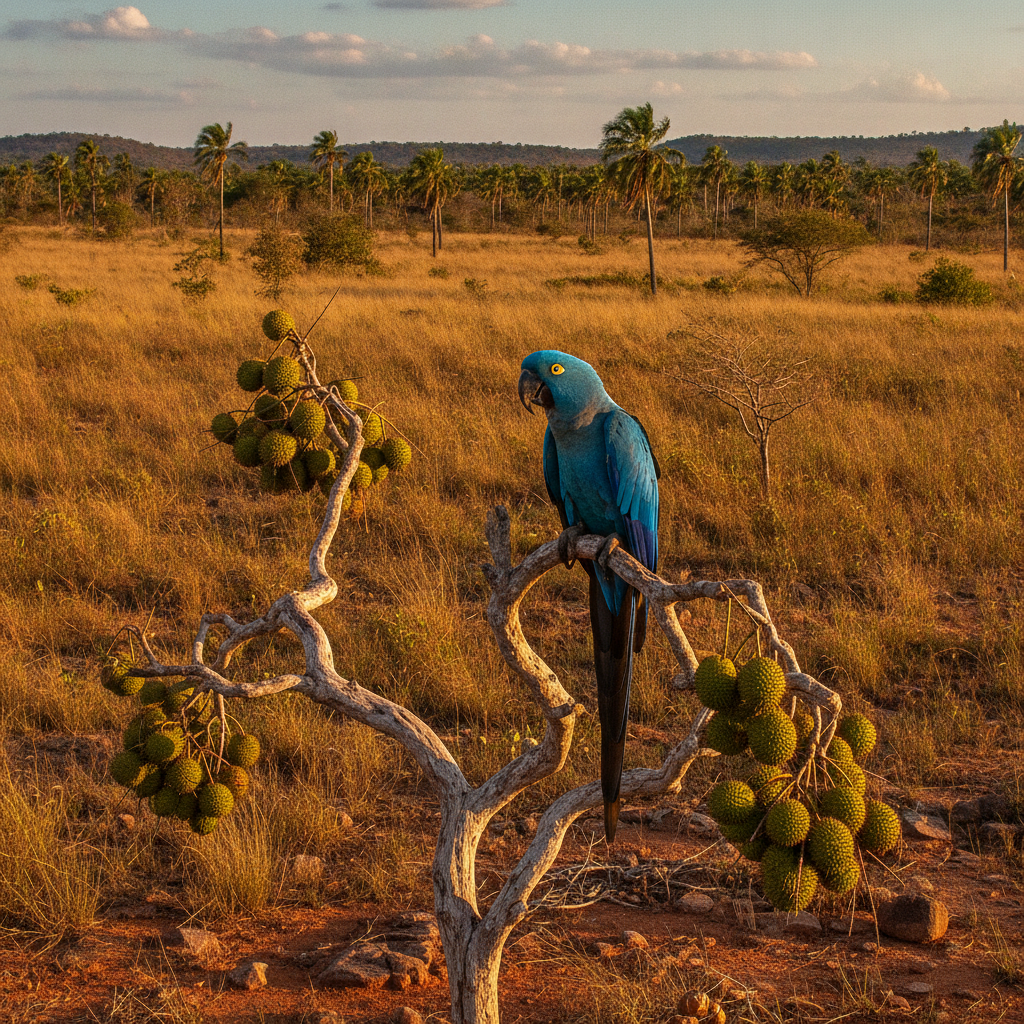
Hyacinth Macaw in the Palmas region
The cobalt blue hyacinth macaw - the world's largest parrot and an endangered species - lives in the buriti palm groves of Tocantin's cerrado; breeding pairs are found in the buriti palms near the town of
- 2
Jabiru Stork Colony
The Jabiru stork (tuiuiú) — South America's tallest flying bird — breeds in large colonies in the Araguaia Valley near Palmas; the huge cane nests on top of dead trees are visible from the river access roads
- 3
Cerrado endemic birds
The Cerrado has 26 endemic bird species including ochre-breasted pipit, brasília tapaculo and curlew — the diversity of endemic birds in the savannah around Palmas is a major attraction for bird watchers
- 4
Lake Palmas Waterbirds
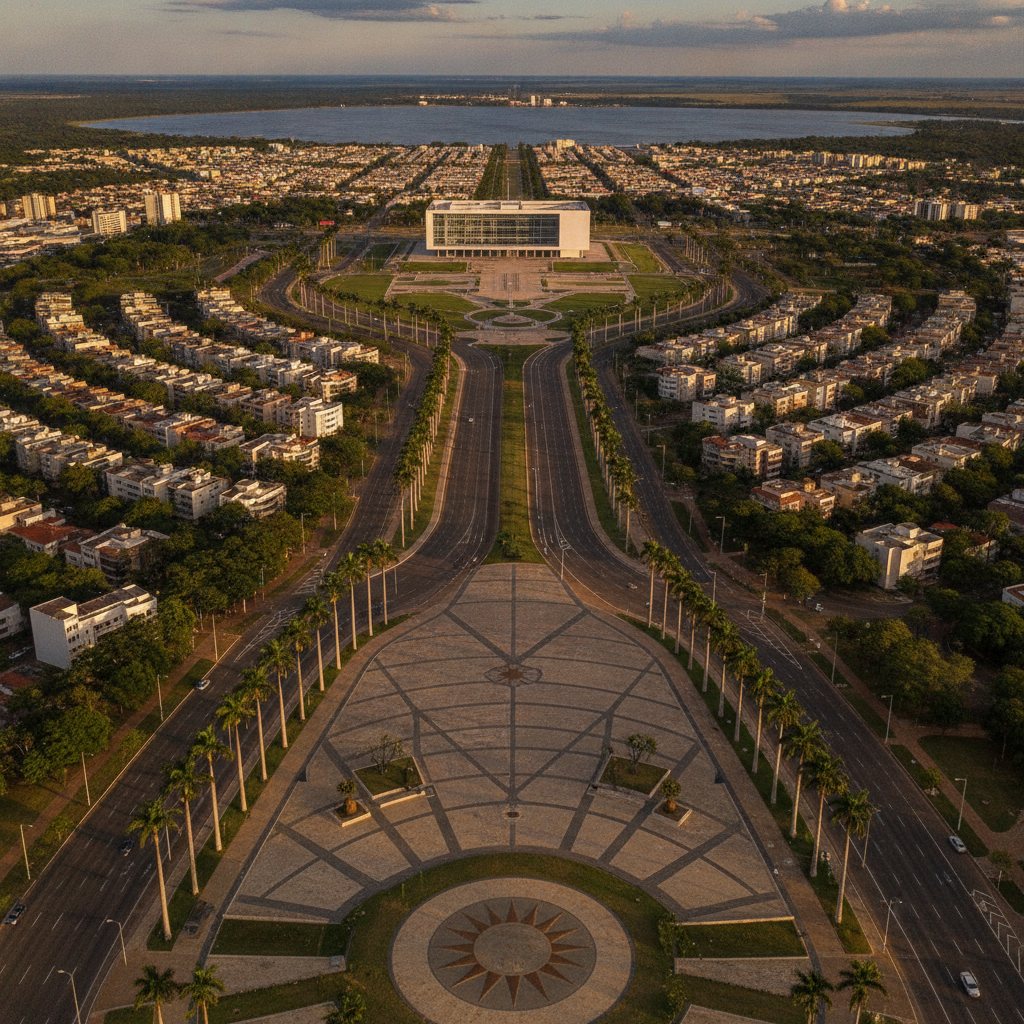
The man-made lake has attracted waterfowl species to Palmas that were absent before the dam - roseate birds, large flocks of herons and the occasional American flamingo now use the lake and its shores
- 5
Pantanal-Cerrado Corridor
The Pantanal-Cerrado Ecological Corridor passes through the Tocantins — the migratory and seasonal movement of birds and mammals between the two biomes creates extraordinary wildlife viewing opportunities
- 6
Araguaia National Park Birds
Araguaia National Park on Ilha do Bananal - accessed by boat from Santa Terezinha near Palmas - protects wetland habitats with exceptional bird diversity including sundew, boat-billed heron and agami heron
Walk this route with audio
Stories play automatically as you reach each stop — no tapping needed.
More in Palmas
Tocantins River: The Waterway That Created Palmas
Palmas Cerrado: Central Brazil's Ecological Heartland

Karajá Culture: The Araguaia's Living Art Tradition
Lago de Palmas: Brazil's Newest Capital on the Tocantins
Tocantins at the Table: Pequi, River Fish & Frontier Flavours