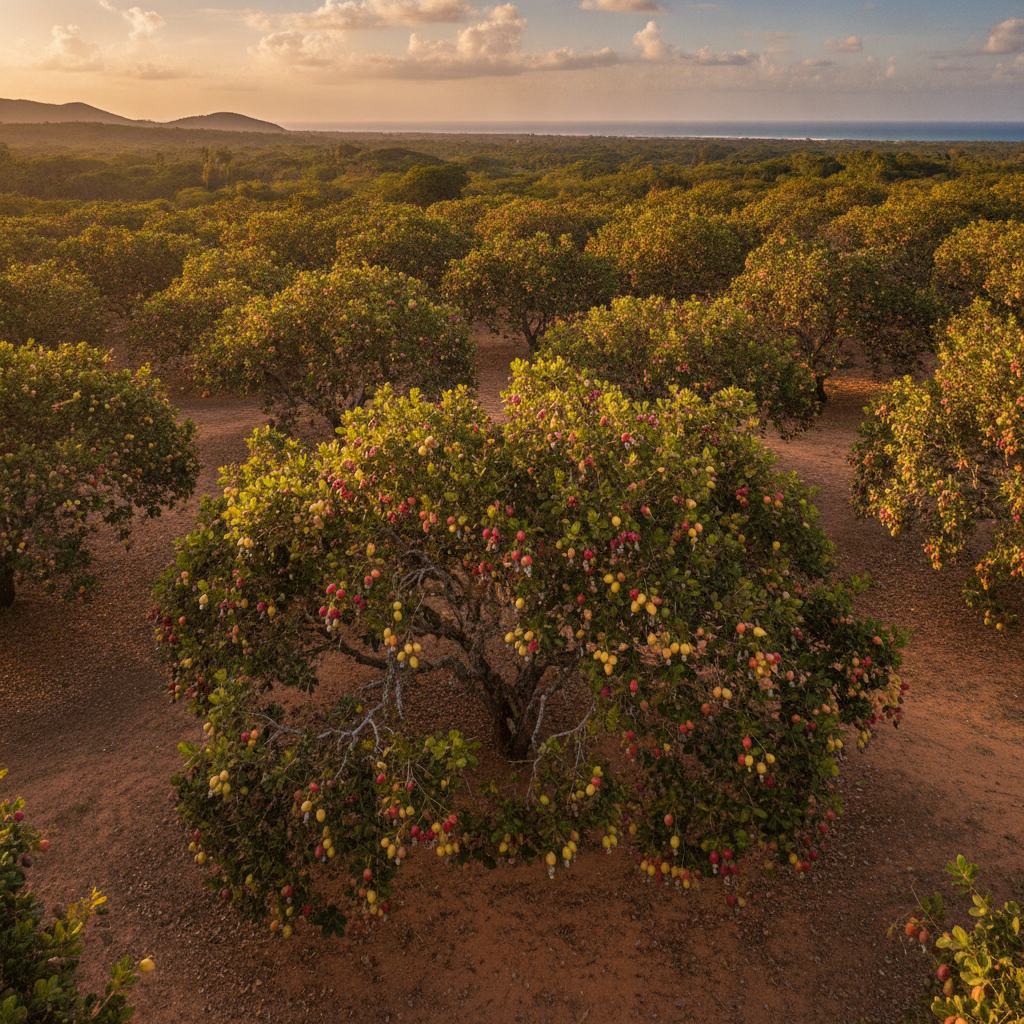
Cashew Country: Rio Grande do Norte's Fruit Economy
Rio Grande do Norte is Brazil's second-largest cashew producer — the cashew trees that cover the coastal plains produce the nut (exported worldwide) and the fruit (eaten fresh and juiced only in Brazil)
- 1
Cashew Fruit: Brazil's Secret
The cashew apple - the fleshy pseudofruit attached to the nut - is consumed fresh, juiced and fermented only in Brazil and a few other producing countries; its tropical, slightly astringent flavor is unknown abroad
- 2
Cashew nut processing
The cashew nut is attached to the bottom of the fruit in a toxic shell - the processing to remove the shell and inner shell requires careful handling; the nut processing industry in RN employs thousands of
- 3
Cajuína: The Northeastern Drink
Cajuína - clarified, pasteurized cashew apple juice - is the drink of northeastern Brazil; The Caetano Veloso song 'Cajuína' made it nationally famous; the drink has a subtle, clean taste that is quite different from fresh juice
- 4
Cashew garden visit
The cashew orchards (cajuais) in the interior of Rio Grande do Norte welcome visitors during the September-November harvest - pick the fruit, drink fresh juice and eat the roasted nuts at the source
- 5
Fermented cashew nuts (Caju Amigo)
The fermented cashew apple produces an alcoholic drink called caju amigo — stronger than cashew wine, it is a community product of the rural northeast, drunk at parties and community events
- 6
The Melon Growing Coast
The Rio Grande do Norte coastal zone also produces Brazil's finest melon — irrigated with underground water in the sandy coastal soil, the yellow and cantaloupe melons are exported to Europe year-round
Walk this route with audio
Stories play automatically as you reach each stop — no tapping needed.
More in Natal
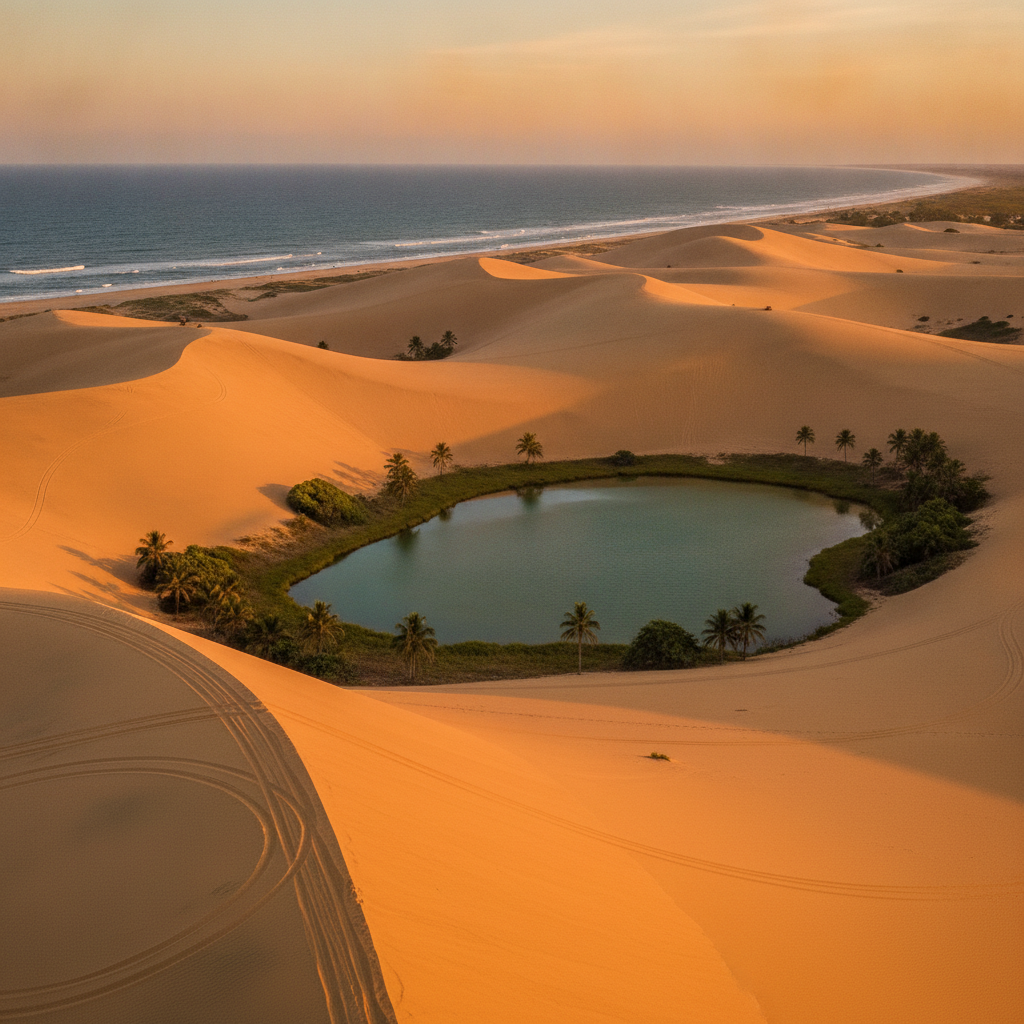
Genipabu Dunes: Natal's Desert Meets the Atlantic
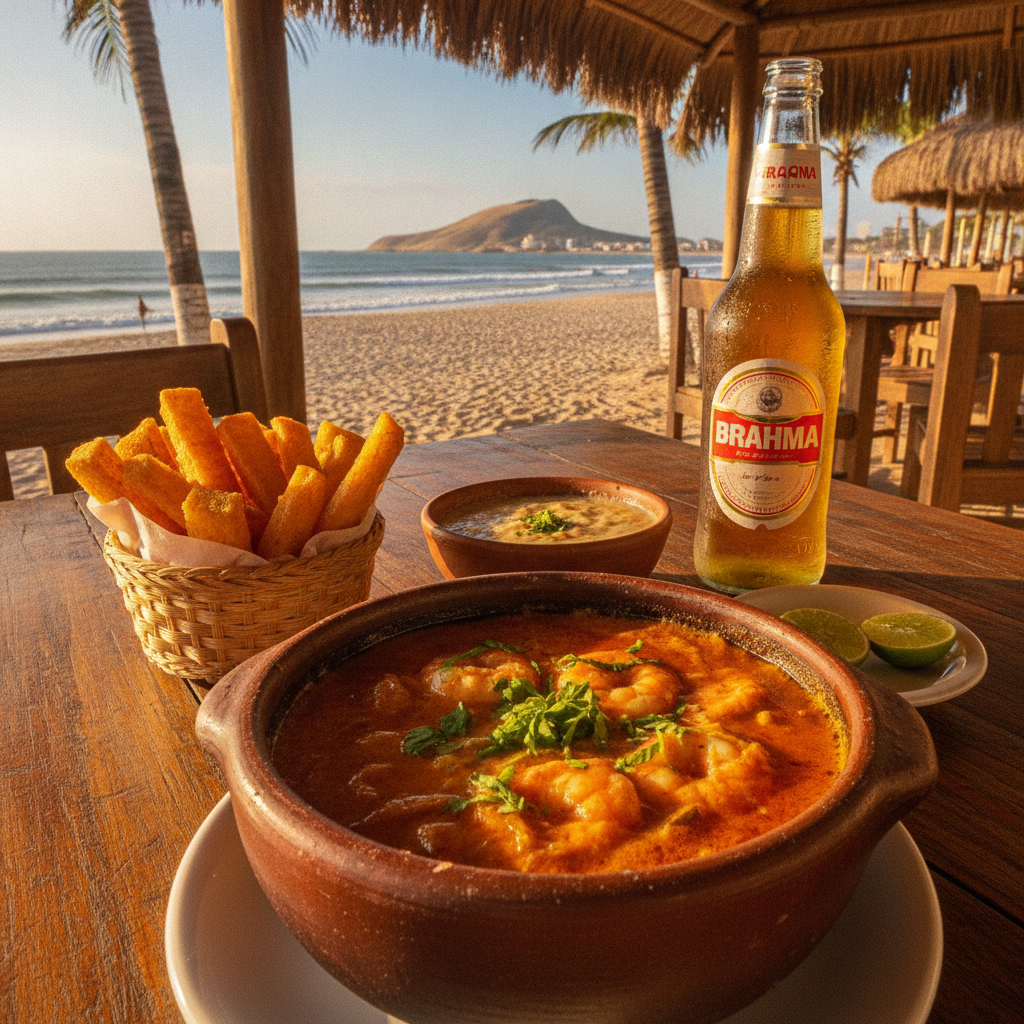
Natal Food: Seafood, Carne de Sol & Northeastern Flavours

Natal's Surf & Water Sports Scene

Northeastern Culture: Forró, Repente & Cordel Literature

Forte dos Reis Magos: Brazil's Portuguese Colonial Beginning