Medan Multicultural Communities Walk
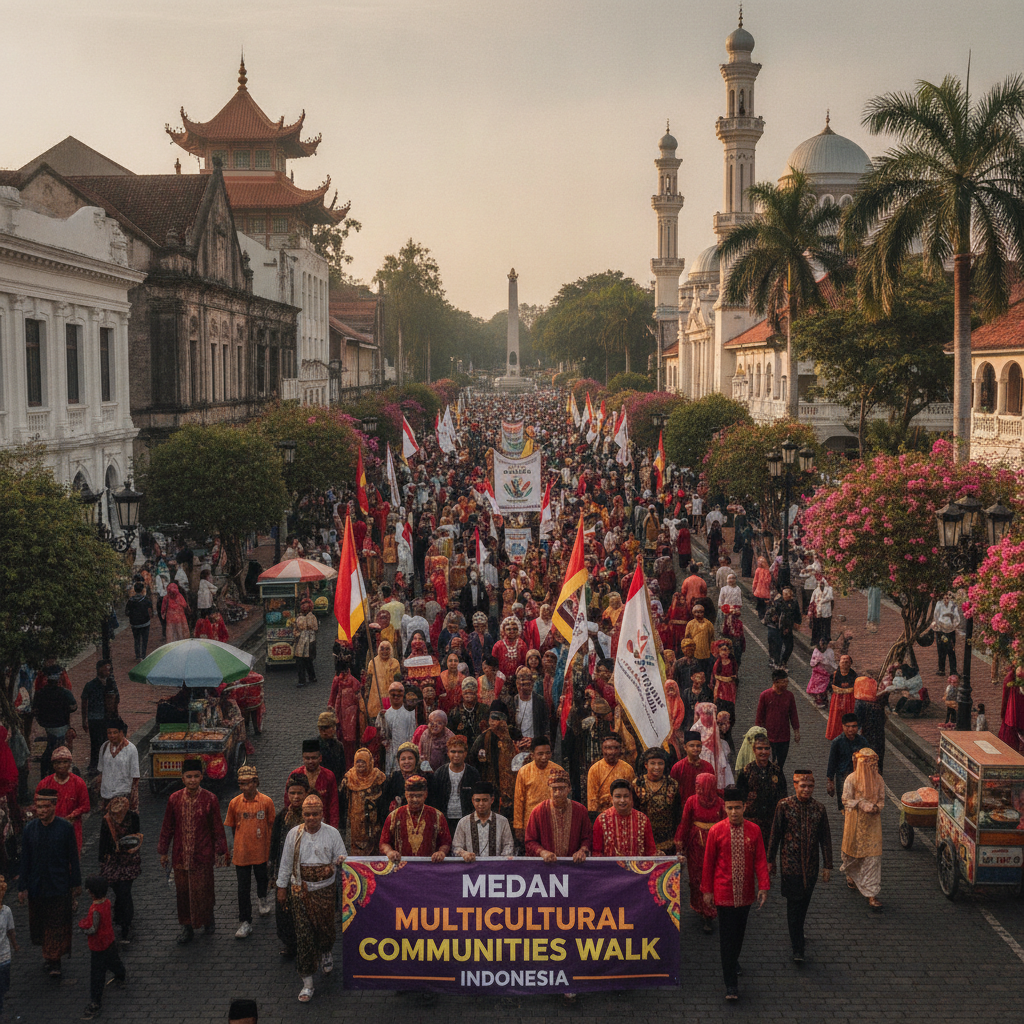
Experience Medan's extraordinary ethnic diversity — the plantation labour importation that built colonial Medan created one of the most ethnically diverse cities in Southeast Asia, where Batak, Malay, Javanese, Chinese, and Tamil Indian communities have lived in proximity for over a century, each maintaining distinct cultural practices while participating in a shared urban culture.
- 1
Tamil Indian Community Centre
The Tamil Indian community of Medan, descended from plantation workers brought to the Deli rubber estates by British and Dutch plantation companies, has maintained its cultural identity through the Tamil temples, cultural associations, and Tamil-language schools that continue to function in the city — the community whose grandparents came from Tamil Nadu, Sri Lanka, and Kerala in the early 20th century has created a Sumatran Tamil culture that shares linguistic and religious practice with the Tamil diaspora of Malaysia and Singapore while developing its own local character in the Indonesian context.
- 2
Batak Cultural Association
The Batak communities of Medan, representing all six Batak ethnic groups (Toba, Karo, Simalungun, Pakpak, Angkola, and Mandailing) who migrated from the highland regions to the commercial capital, have established cultural associations that maintain Batak traditions including the ulos weaving, the gondang music, and the elaborate adat (customary law) ceremonies governing weddings, funerals, and social obligations that define Batak identity regardless of the city environment.
- 3
Jalan Puri Malay Quarter
The Malay residential areas of Medan maintain the cultural practices of the ethnic group that was politically dominant in the Deli Sultanate before the plantation era — the Malay community's relationship with Islam, the traditional dress codes, and the customs of the adat Melayu (Malay customary law) are maintained in the residential quarters and mosques of the Malay kampung areas that have been surrounded by but not absorbed into the more commercially oriented Chinese and Javanese neighbourhoods of the colonial city.
- 4
Javanese Migrant Community
The Javanese community in Medan, many descended from the plantation workers imported to the Deli tobacco estates in the late 19th and early 20th centuries, has created a Sumatran Javanese culture that maintains Javanese language, performing arts (wayang, gamelan), and social norms while adapting to the multicultural environment of North Sumatra — the Javanese transmigrant community that was originally the agricultural labour force of the plantation economy has become a major component of Medan's commercial and professional middle class over four generations.
- 5
Pulo Brayan Market District
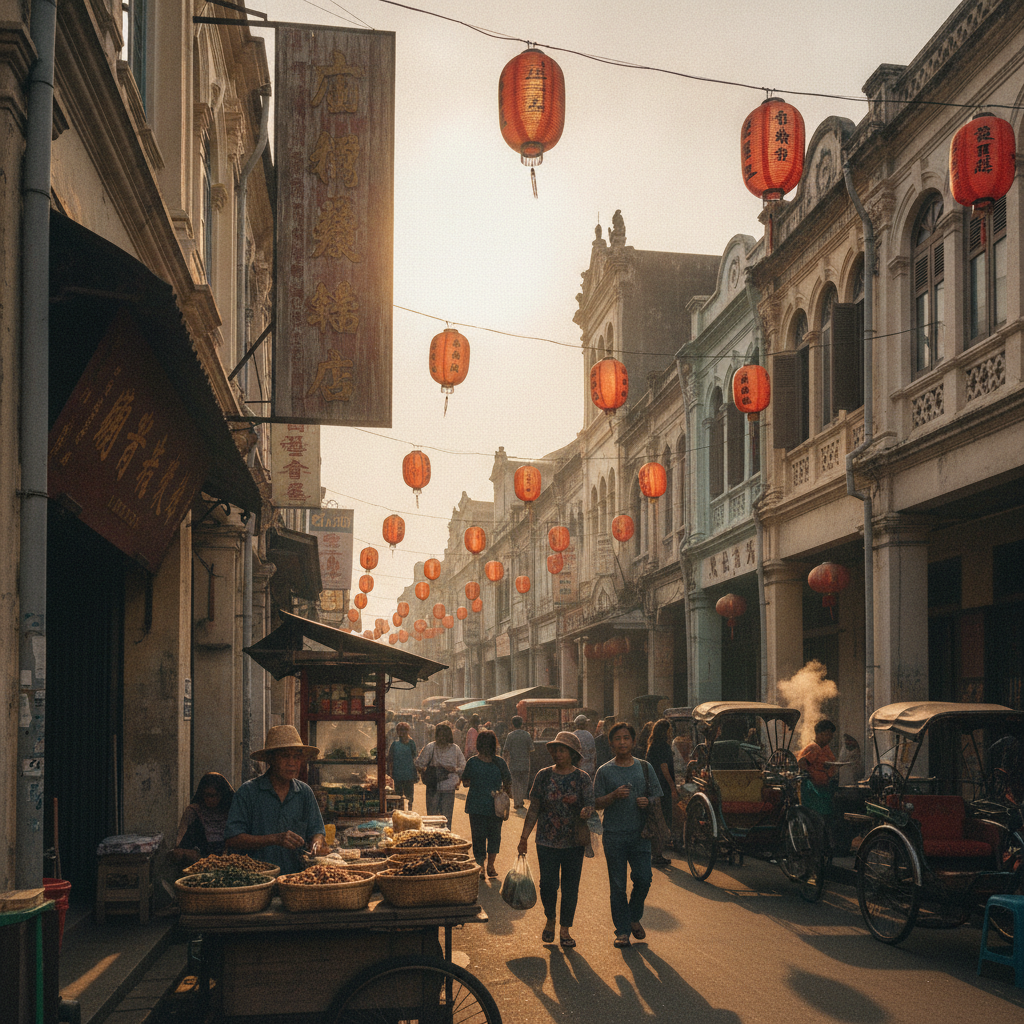
The Pulo Brayan market district north of the city centre is where the working-class communities of various ethnicities conduct their daily commerce — the market's mix of vendors from Batak, Javanese, Malay, and Chinese backgrounds selling fresh produce, household goods, and food creates the most integrated ethnic commercial environment in Medan, where the economic logic of market exchange overrides the social separation that tends to characterise residential neighbourhoods in this ethnically diverse city.
- 6
Interfaith Harmony Sites
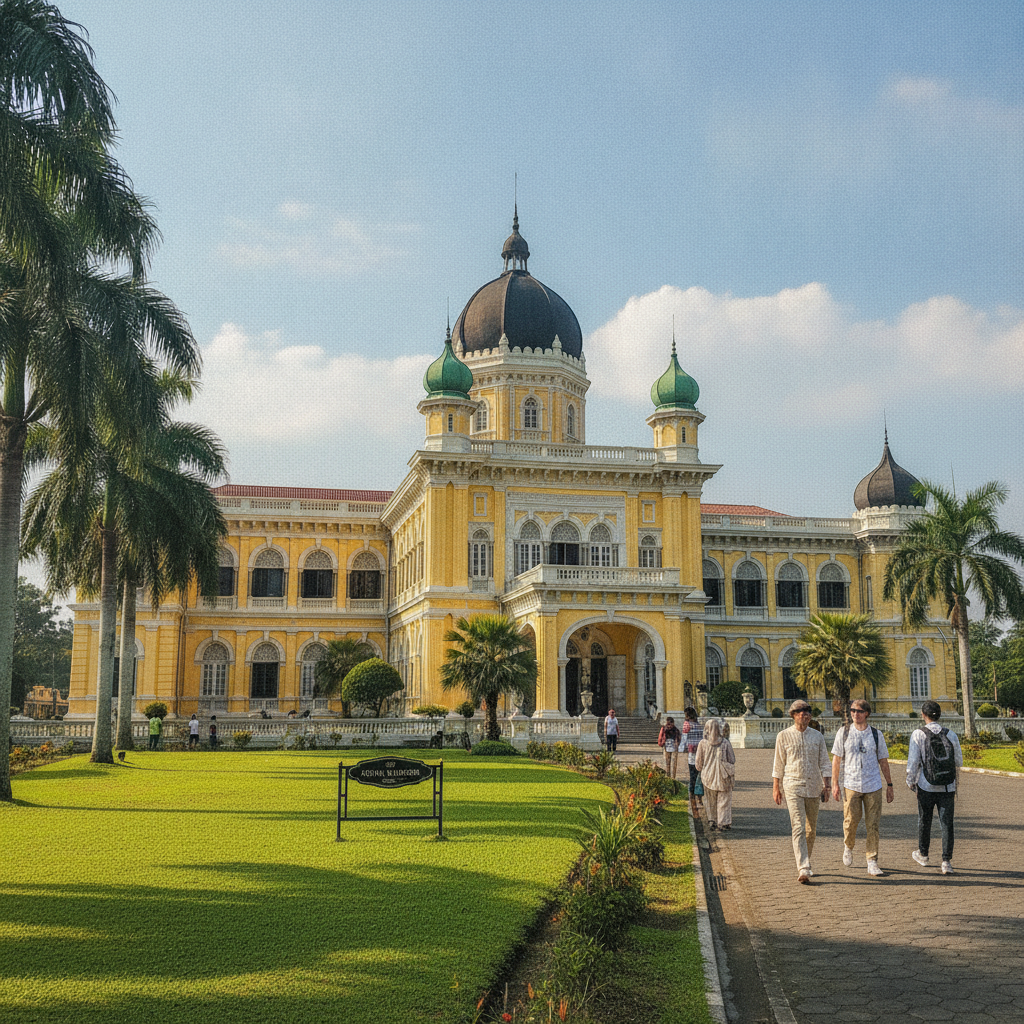
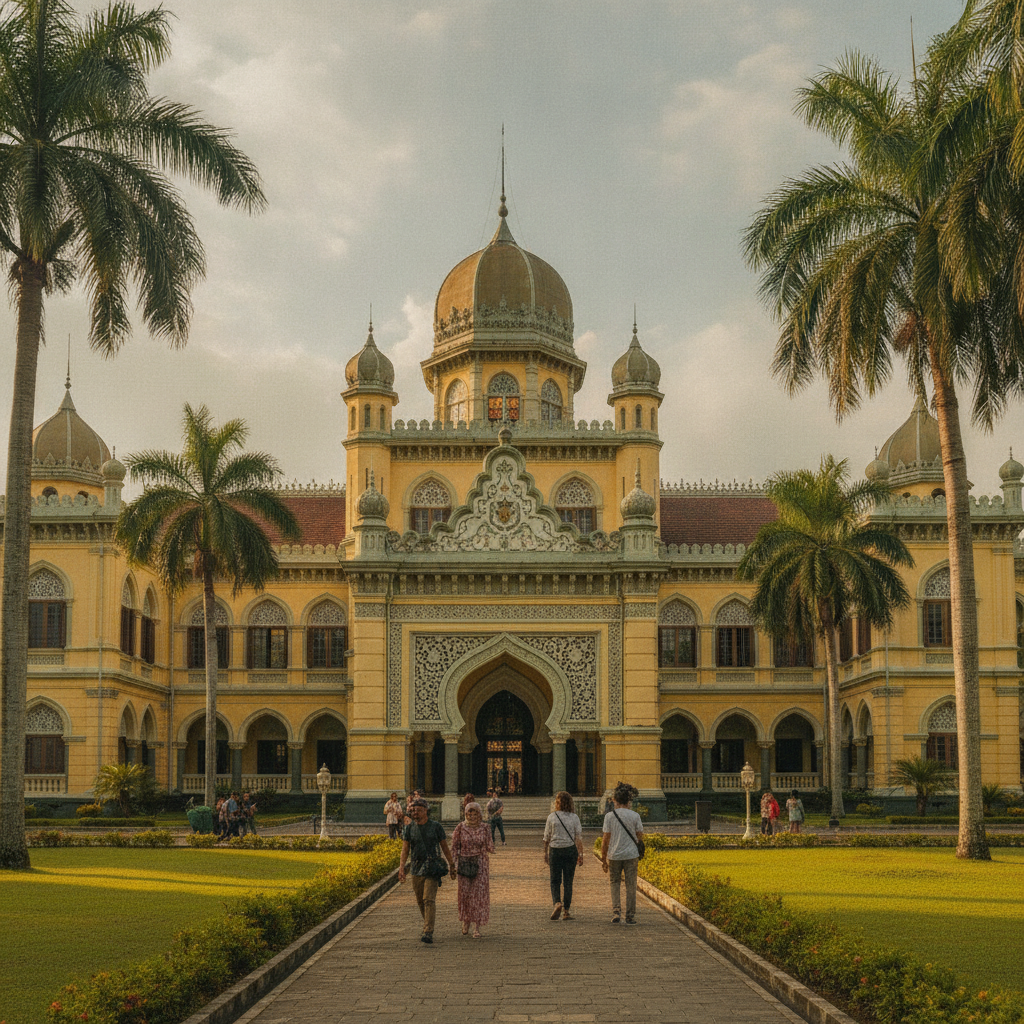
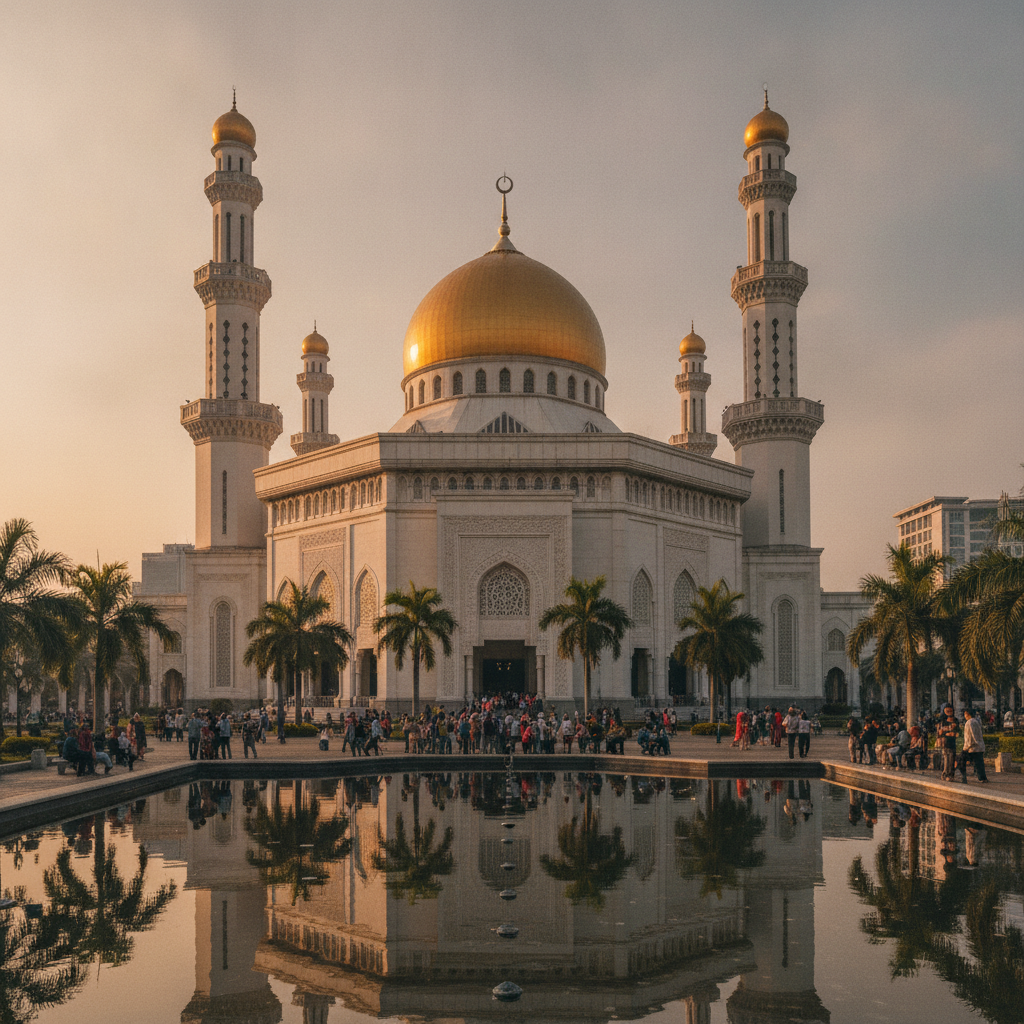
Within a short radius in central Medan stand the Masjid Raya mosque, the Sri Mariamman Hindu temple, the Graha Maria Catholic church, and the Vihara Gunung Timur Buddhist temple — this religious landscape compressed into a small urban area represents Medan's history as a colonial city where the labour importation policy created a densely multi-religious population that has maintained distinct religious practices while sharing public space. The proximity of these major religious sites is one of the most striking visual demonstrations of Medan's ethnic and religious plurality.
Walk this route with audio
Stories play automatically as you reach each stop — no tapping needed.