Medan Istana Maimoon & Deli Sultanate Walk
Explore the heritage of the Deli Sultanate — the Malay kingdom that controlled the territory around Medan before Dutch colonisation and that negotiated the tobacco concessions that transformed both the sultanate's revenues and the region's landscape, leaving behind the magnificent Maimoon Palace as its most prominent legacy.
- 1
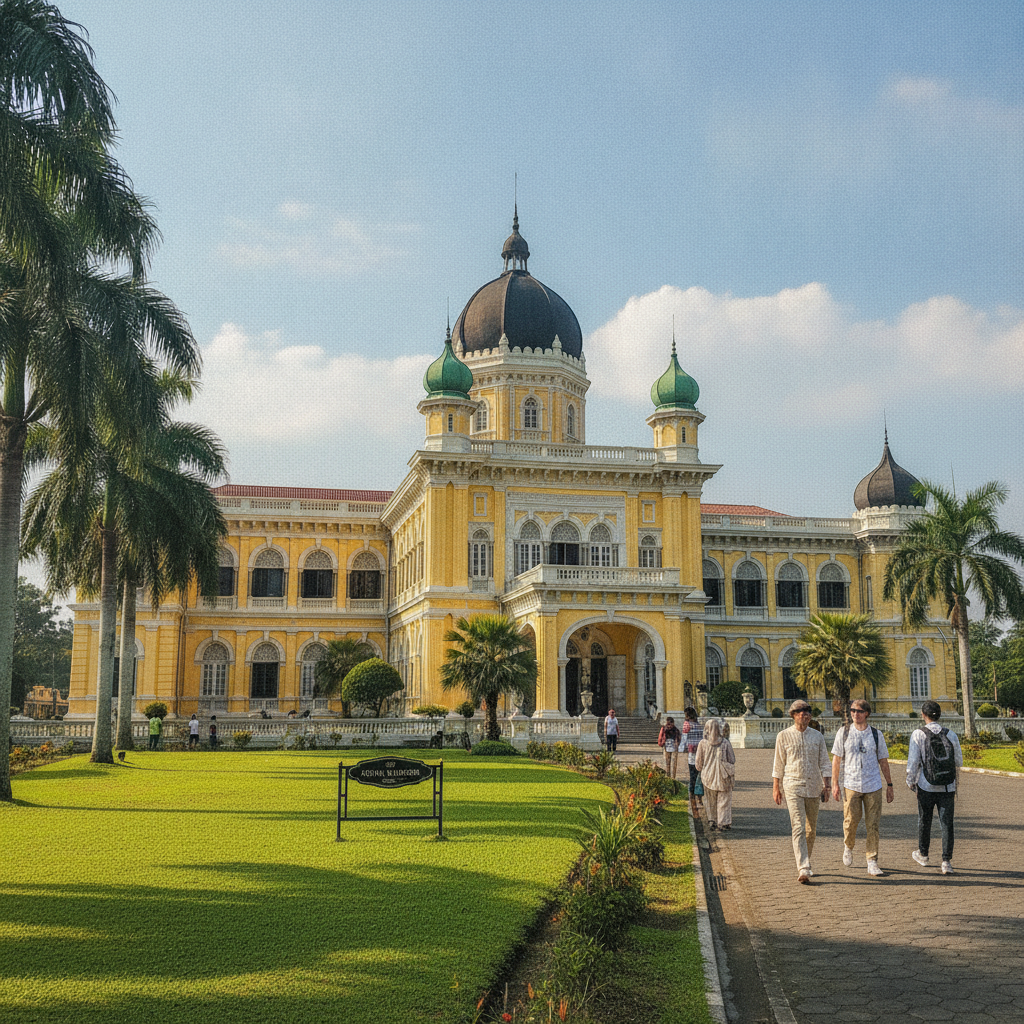
Istana Maimoon Palace
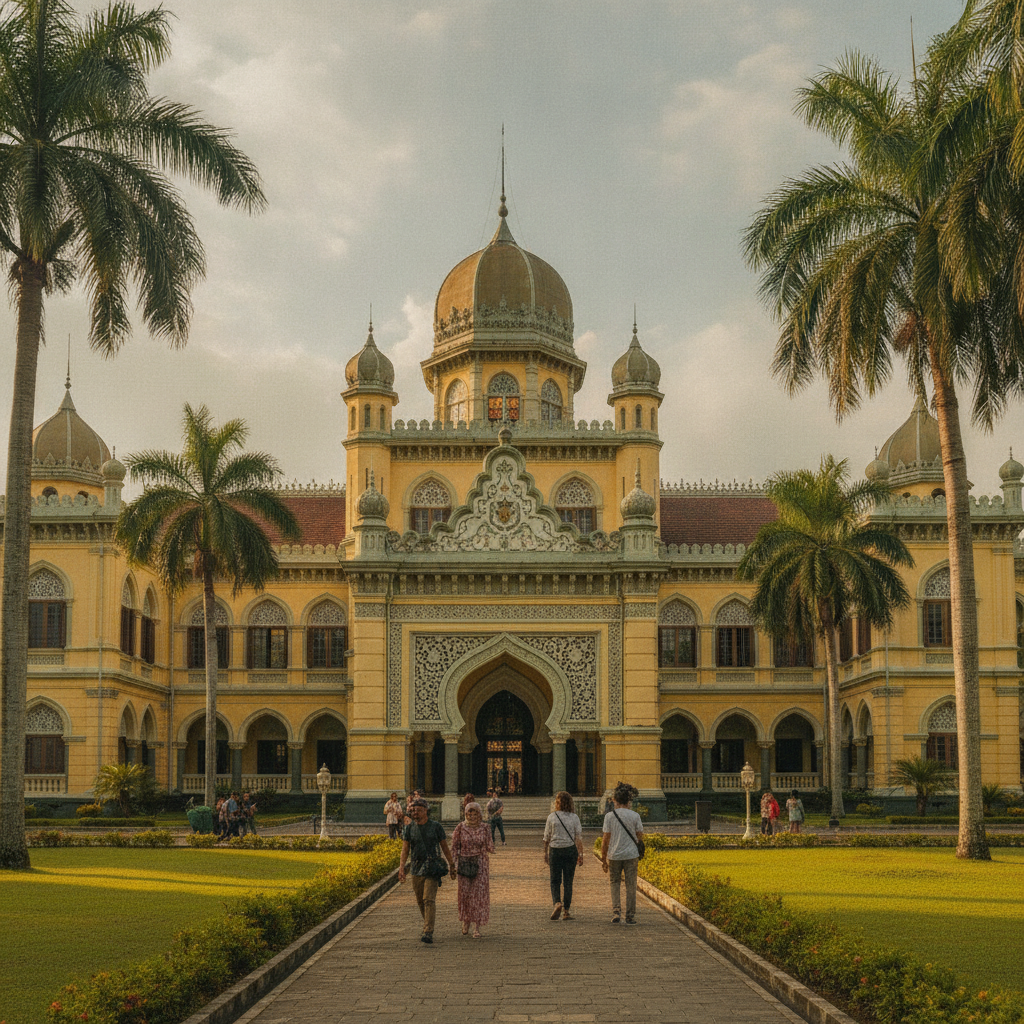
Istana Maimoon, the royal palace of the Deli Sultanate, is one of the most beautiful royal palaces in Indonesia — the yellow palace completed in 1891 during the reign of Sultan Makmun Al Rashid Perkasa Alam combines Malay, Mughal, and European architectural elements in a building that documents the aesthetic cosmopolitanism of a sultanate enriched by the tobacco concession revenues. The throne hall with its distinctive yellow and gold decoration is open to visitors, and members of the Deli royal family still occupy part of the complex.
- 2
Masjid Raya Medan Grand Mosque
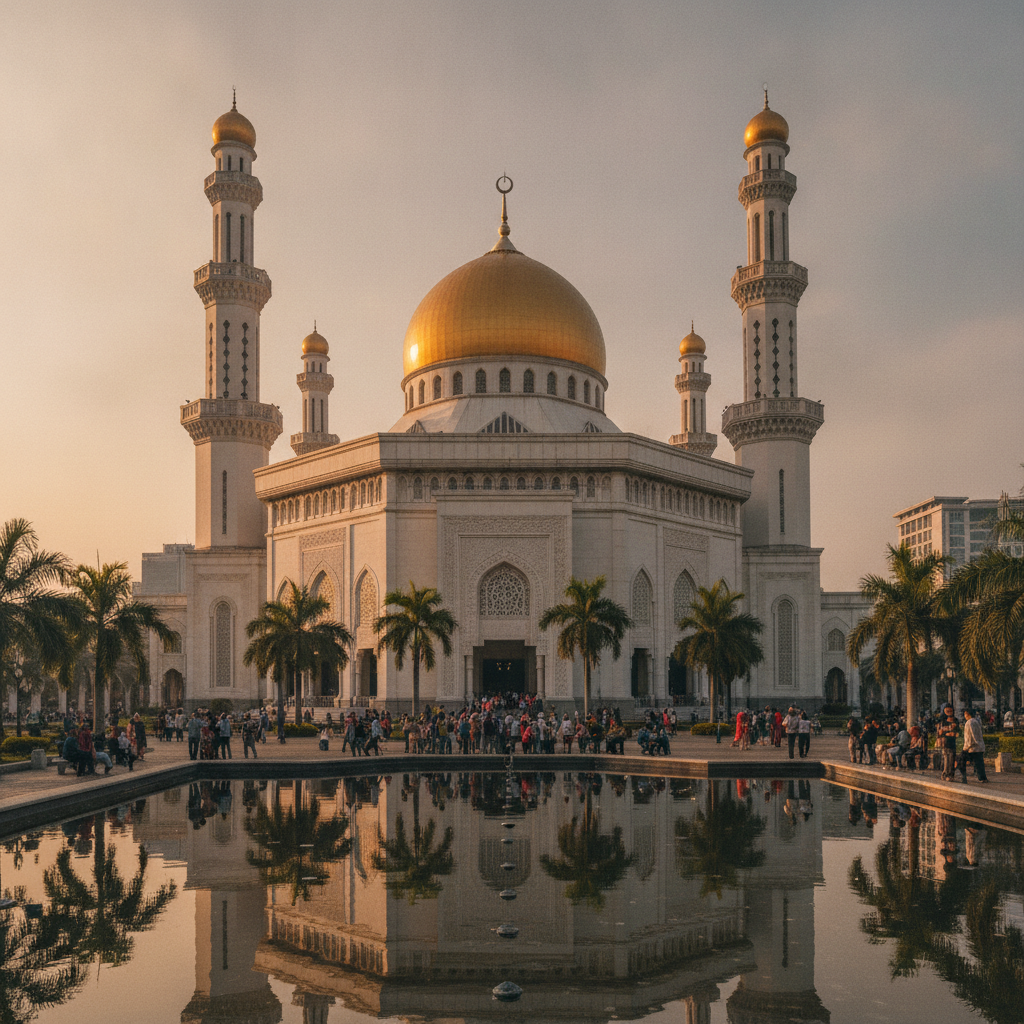
The Masjid Raya Al-Mashun (Grand Mosque of Medan) adjacent to the Maimoon Palace was built in 1906 by Sultan Makmun Al Rashid using the tobacco concession revenues that had made the Deli Sultanate extraordinarily wealthy — the mosque combining Malay, Moorish, and Indian architectural elements with its distinctive octagonal layout and ornate domes is one of the most beautiful colonial-era mosques in Indonesia, demonstrating the architectural ambition made possible by the plantation economy's transformation of the Deli Sultanate.
- 3
Deli Sultanate History Walk
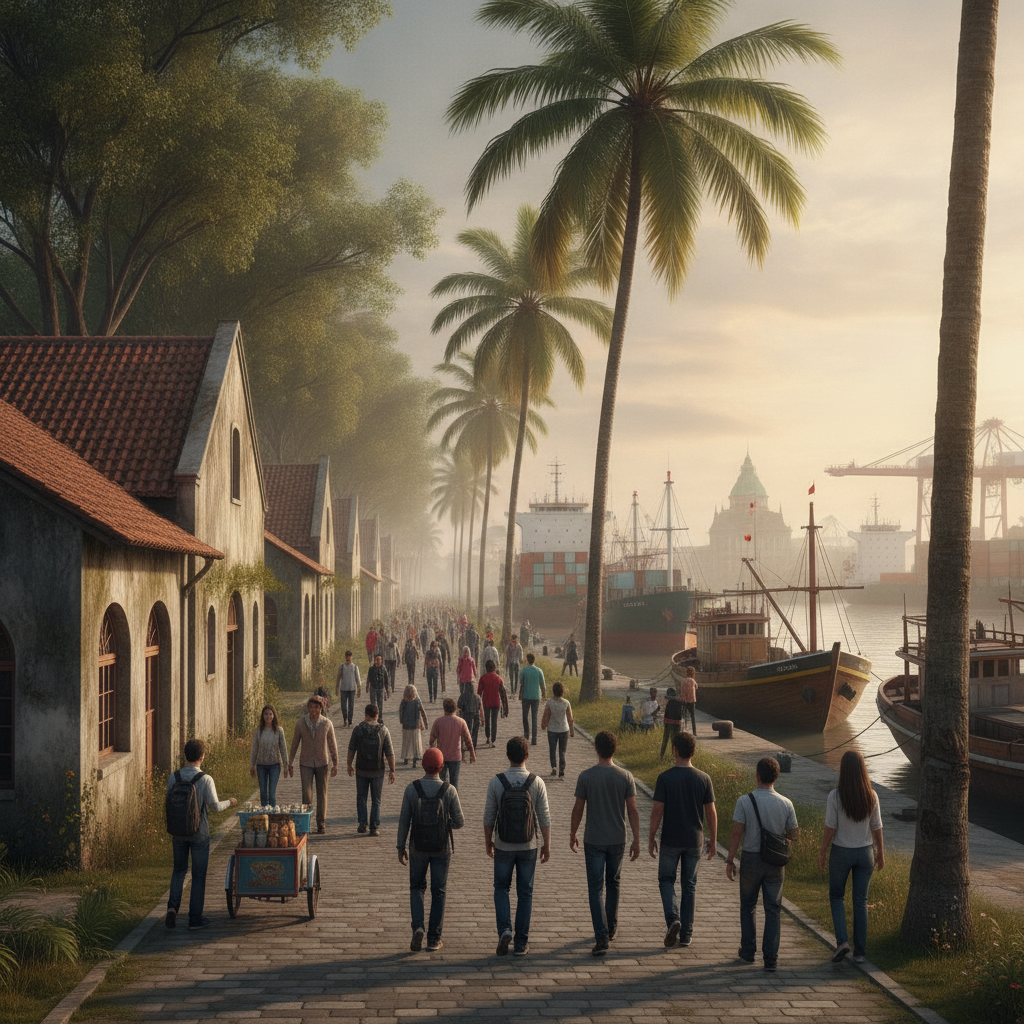
The area around the Maimoon Palace was the centre of the pre-colonial Deli Sultanate whose territory encompassed what is now the Medan metropolitan area — the sultanate that had maintained a trading relationship with European powers since the 17th century found its fortunes dramatically transformed in 1863 when Jacobus Nienhuys established the first successful tobacco plantation, triggering the plantation boom that enriched the sultanate through concession fees while fundamentally altering the political economy of the entire region.
- 4
Kampung Baru Malay Quarter
Kampung Baru is Medan's oldest established Malay residential quarter — the neighbourhood of traditional Malay wooden houses with their distinctive architectural style, the small mosques, and the daily life conducted in accordance with Malay cultural norms represents the urban face of the Malay ethnic community that was the politically dominant group in Deli before the plantation era dramatically transformed the demographic composition of the region through the mass importation of Javanese and Chinese labour.
- 5
Taman Sri Deli Park
Taman Sri Deli is the park adjacent to the Maimoon Palace that provides a public green space in the heart of Medan's historical Malay district — the park maintains the spatial relationship between the palace, the grand mosque, and the public gathering space that characterised the royal capital of the Deli Sultanate, and its continued use as a community park by Medan residents illustrates how pre-colonial urban spaces have been adapted for contemporary use in post-independence Indonesian cities.
- 6
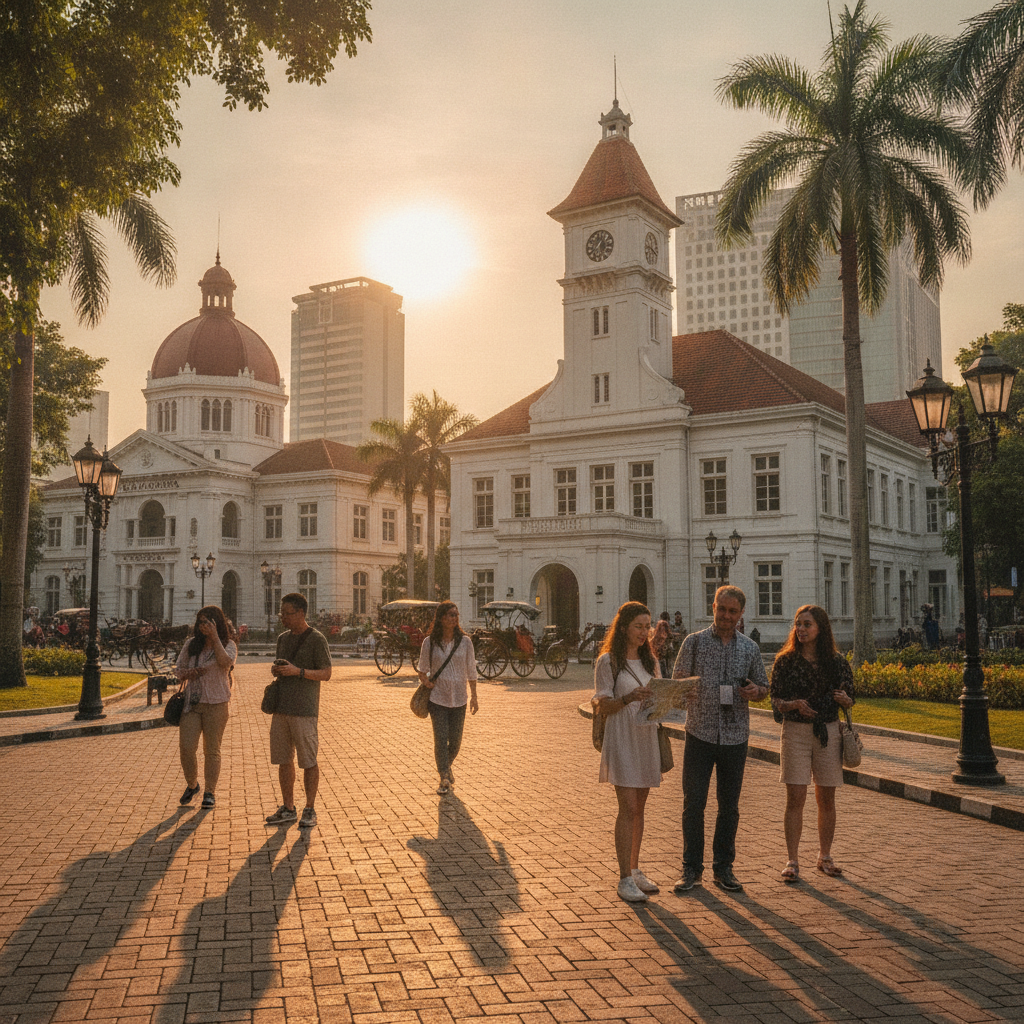
Kesawan Heritage District
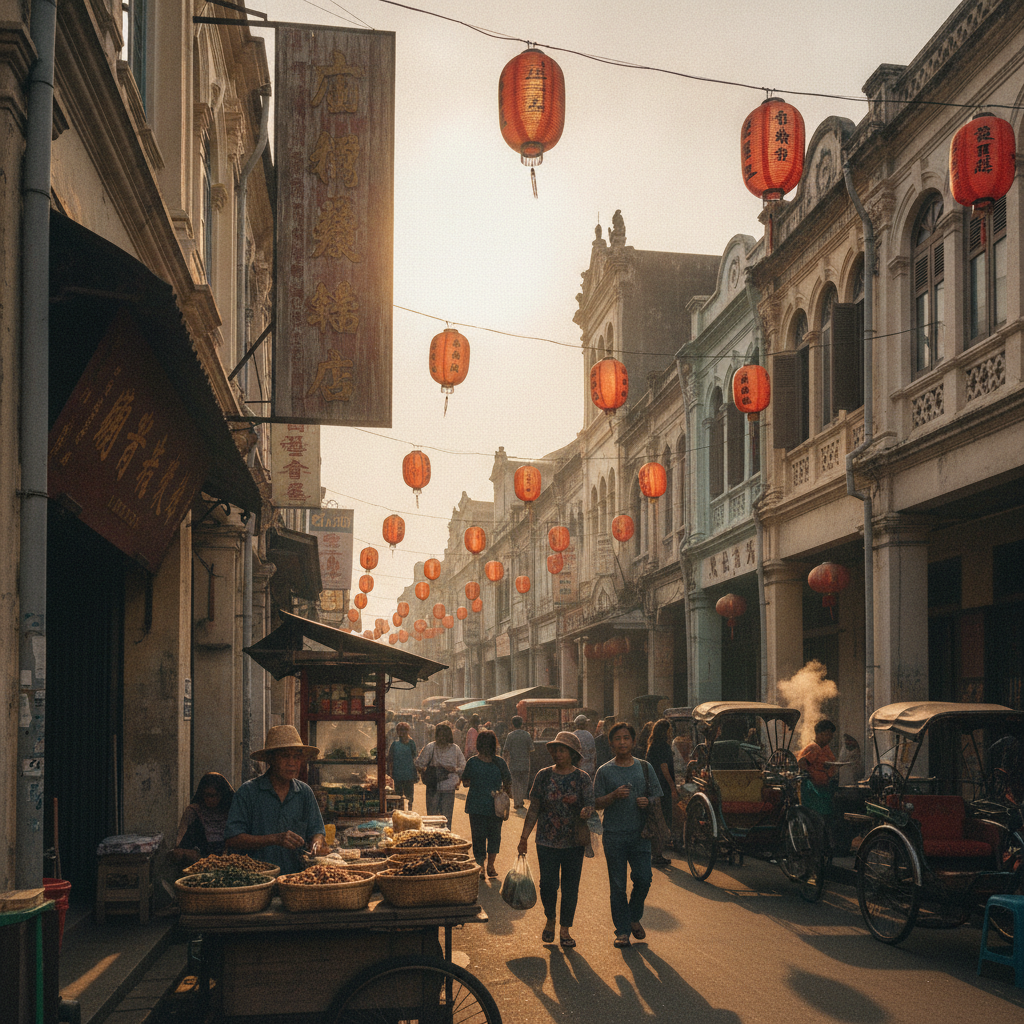
Kesawan is Medan's historic commercial district where Dutch colonial buildings, Chinese shop-houses, and Indian merchant establishments stand side by side — the streetscape of the early 20th century plantation city is preserved in the multi-storey colonial commercial buildings that housed the trading companies, banks, and retail establishments serving the plantation economy, and the district's current use by restaurants, shops, and offices in the colonial buildings provides a living heritage district rather than a frozen museum piece.
Walk this route with audio
Stories play automatically as you reach each stop — no tapping needed.