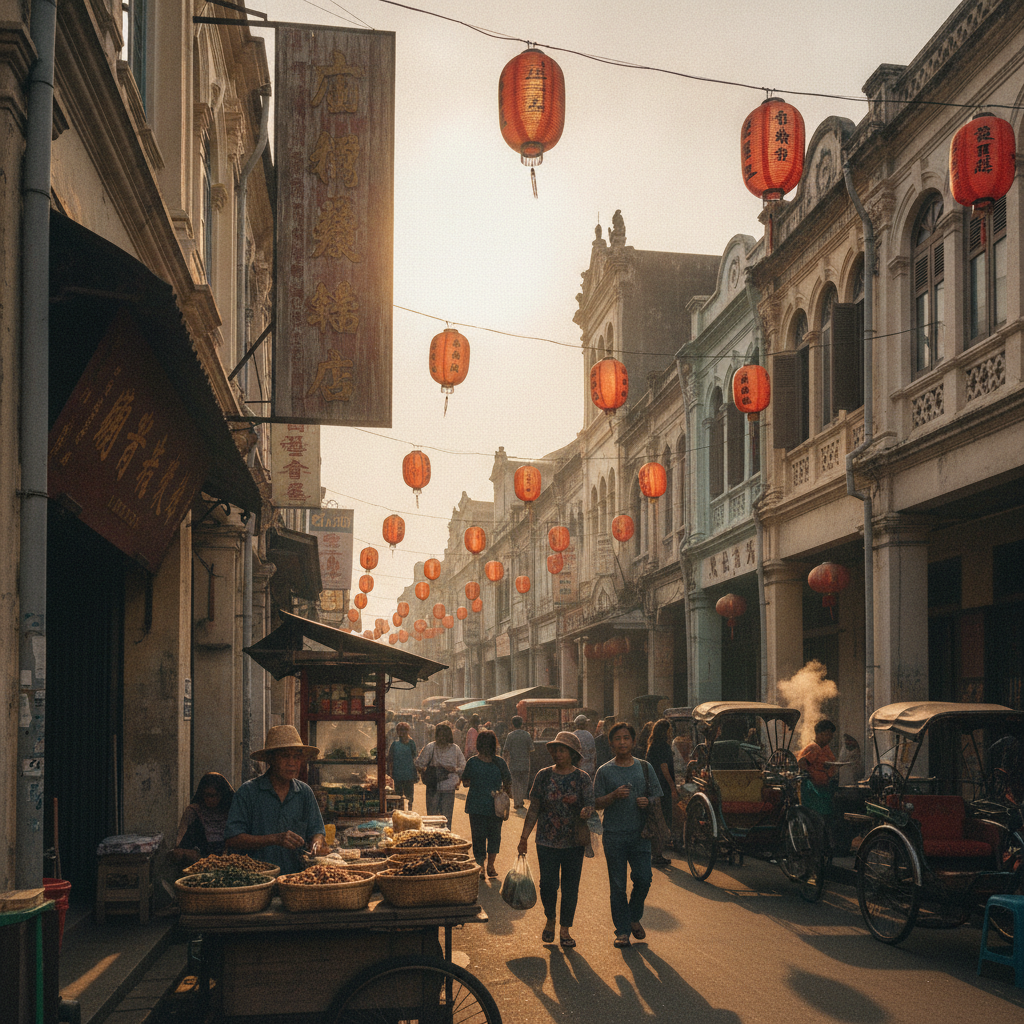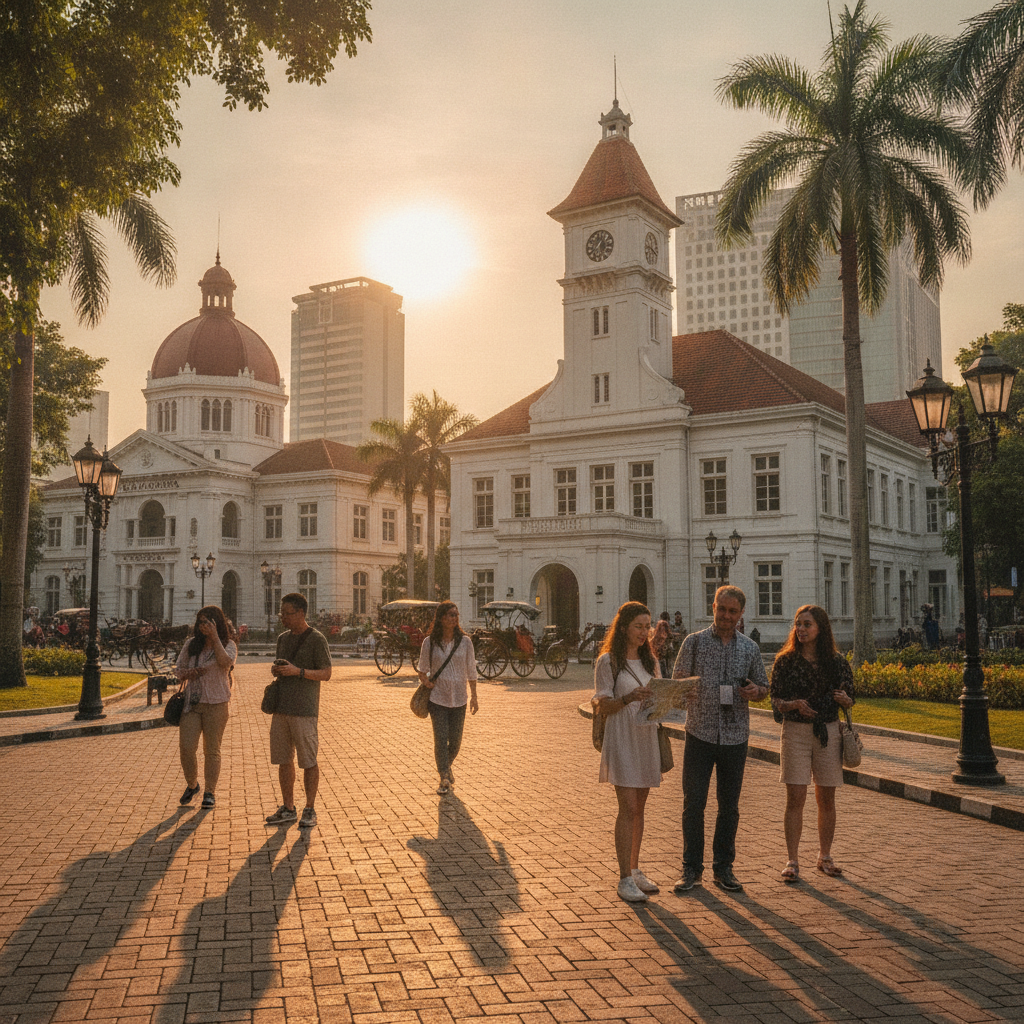
Medan City Centre & Colonial Heritage Walk
Walk Medan's colonial heart — North Sumatra's capital and Indonesia's third-largest city was developed by Dutch tobacco planters in the late 19th century into one of the wealthiest colonial cities in the Dutch East Indies, leaving behind a remarkable collection of colonial architecture alongside the Chinese temples, mosques, and royal palace of this multicultural gateway city.
- 1
Merdeka Square Medan
Merdeka Square (Freedom Square) is Medan's historic centre — the large colonial-era square that served as the ceremonial heart of the Dutch-administered plantation city has been redeveloped as a public park but retains its spatial relationship with the surrounding colonial buildings. The square was the organisational centre of the tobacco plantation administrative city built by Deli Maatschappij and other Dutch companies whose tobacco exports made Medan one of the most profitable colonial enterprises in Southeast Asia.
- 2
Kantor Pos Besar Heritage Building
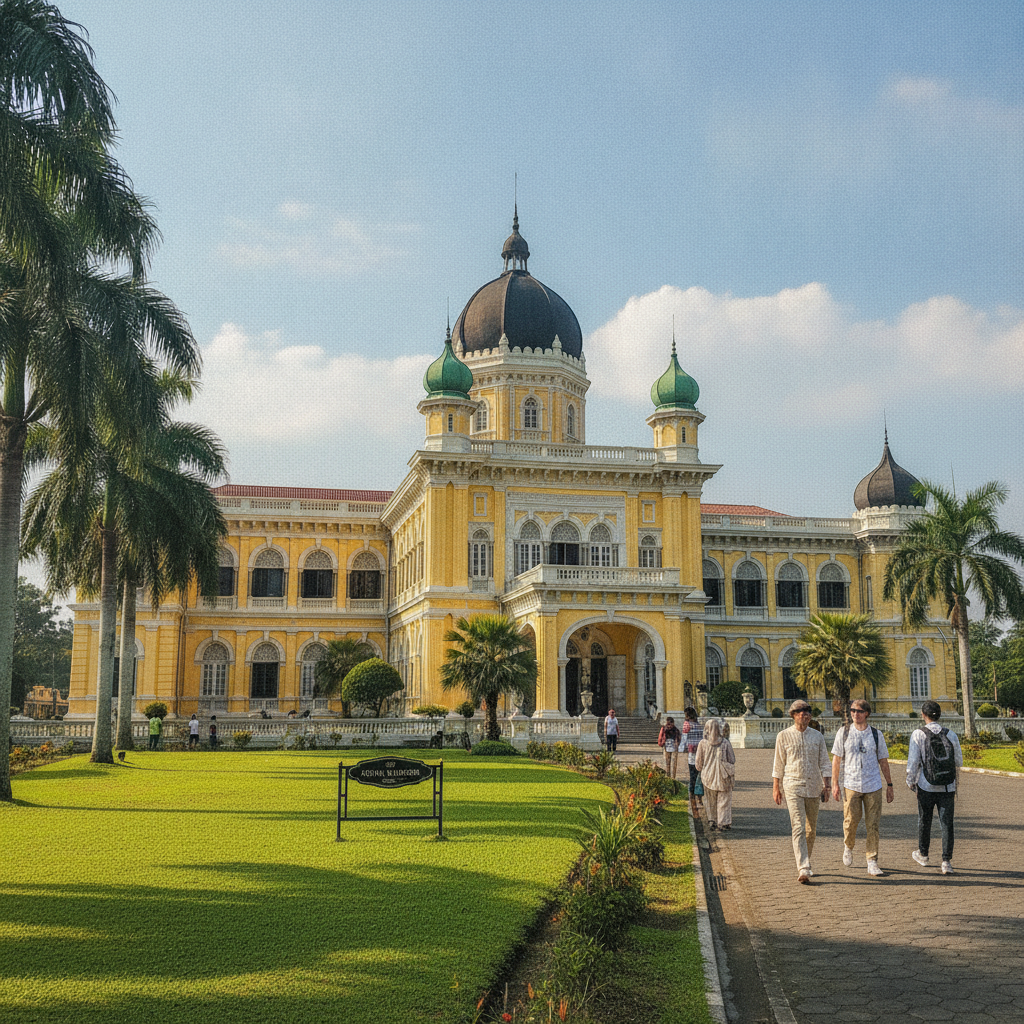
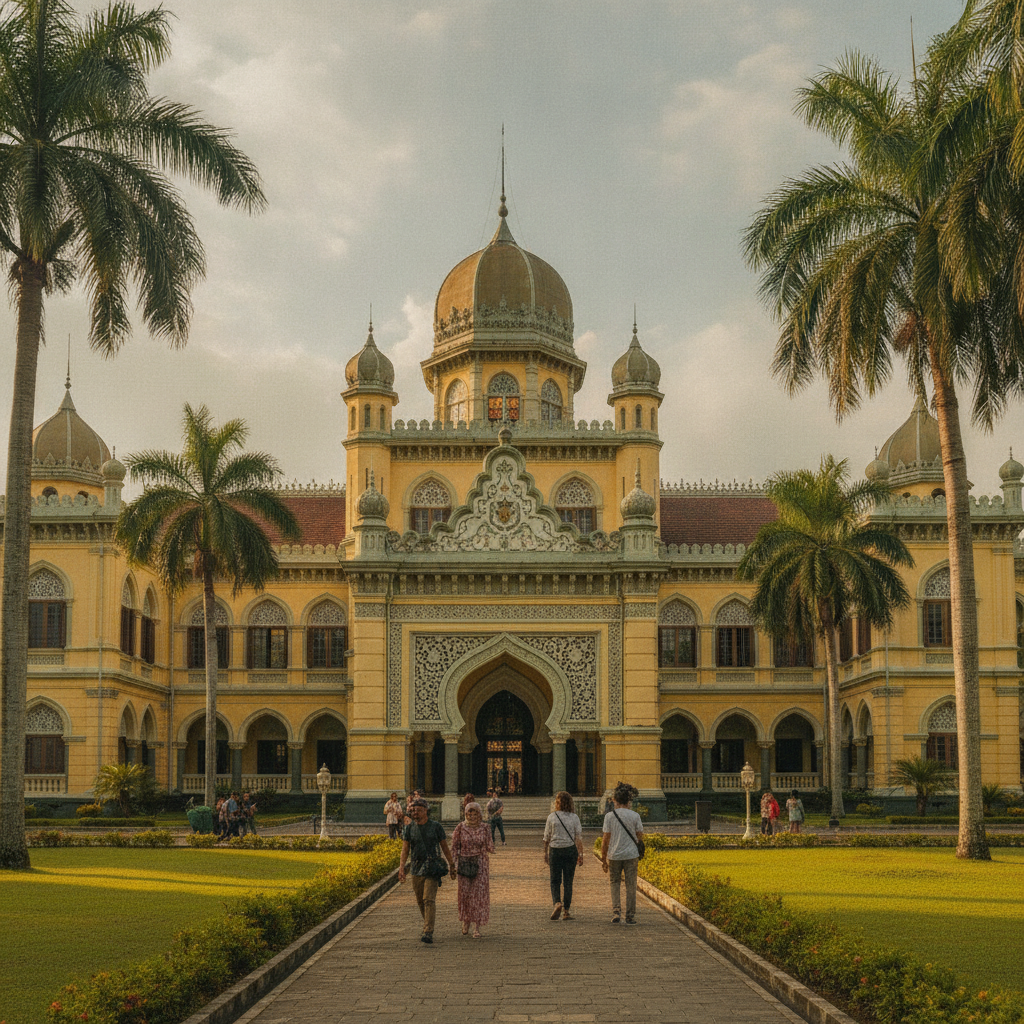
The Medan Main Post Office is one of the finest surviving Dutch colonial buildings in North Sumatra — the elegant colonial structure built in the early 20th century when Medan was the administrative capital of the Deli tobacco belt represents the institutional architecture of a colonial city at the height of its economic power, designed to project the permanence and authority of the Dutch colonial administration over one of the most productive plantation regions in the world.
- 3
Gedung London Sumatra
The London Sumatra building (Lonsum) near Merdeka Square is one of Medan's most recognisable colonial landmarks — the building that served as the headquarters of the Harrison & Crossfield company, one of the major British plantation conglomerates operating in Deli, represents the intersection of British and Dutch commercial interests in the Sumatran tobacco and rubber plantation economy that made Medan one of the wealthiest cities per capita in the Dutch colonial empire during the early 20th century.
- 4
Tjong A Fie Mansion
The Tjong A Fie Mansion is Medan's most celebrated historic house — the residence of Tjong A Fie, the Chinese millionaire who became the major domo of Chinese community relations for the colonial administration in early 20th-century Medan, is an extraordinary fusion of Chinese, Malay, and European architectural elements that documents the extraordinary wealth accumulated by Chinese merchants in the Deli tobacco economy. The mansion is now a heritage museum displaying the domestic life and social networks of Medan's most influential Chinese figure.
- 5
Lapangan Benteng
Lapangan Benteng (Fort Field) is the site of the Dutch colonial fort that established European control over the Deli Sultanate territory in the 1860s — the field where the original military structure was built before it was replaced by the civilian administrative buildings of the plantation city documents the military foundation of what became one of the most economically productive plantation regions in Southeast Asia, its prosperity built on the coerced labour of workers imported primarily from China and Java.
- 6
Medan Railway Station
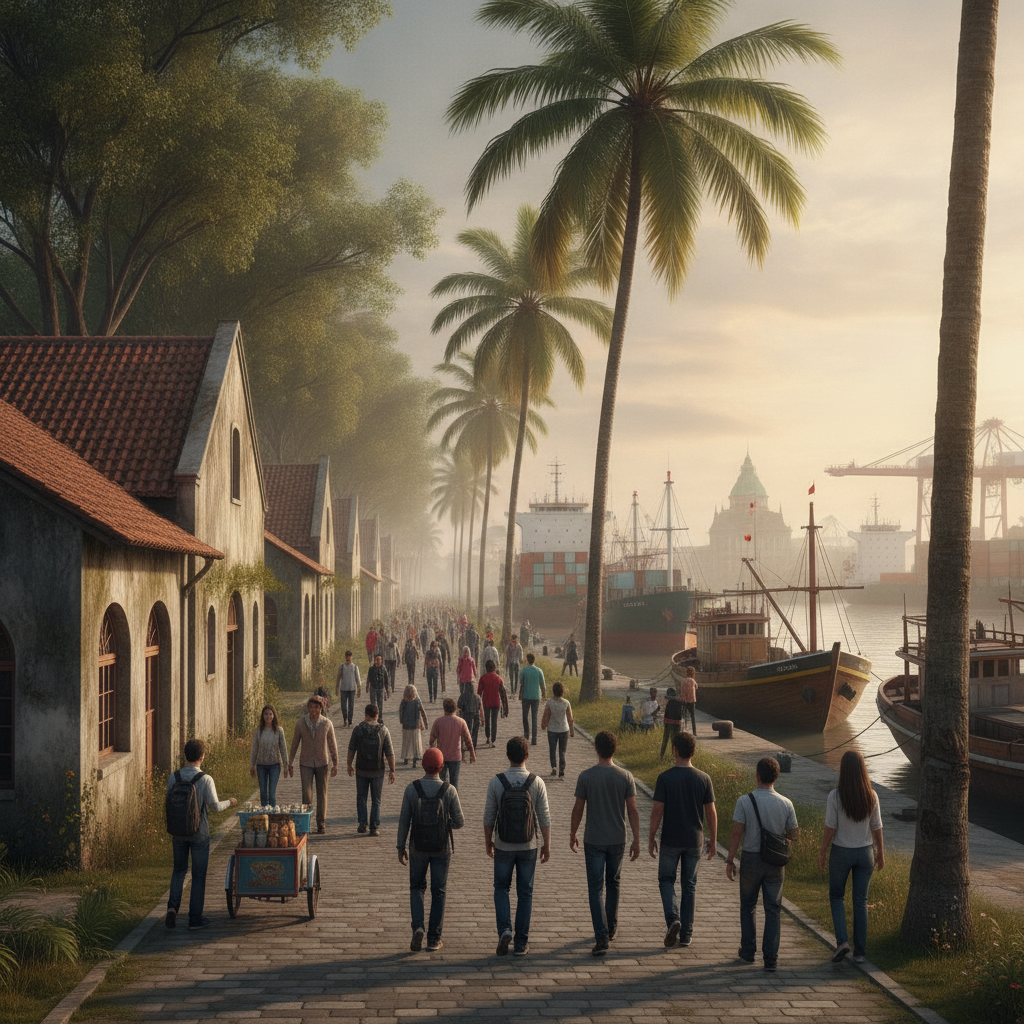
Medan's main railway station, built by the Dutch colonial government to transport tobacco from the plantation estates to the Belawan port, remains one of the finest colonial railway buildings in Sumatra — the station that served as the central hub of the plantation railway network connecting the tobacco estates north and east of Medan to the export facilities at the coast represents the infrastructure investment that the plantation economy's profitability justified and that made Medan one of the best-connected cities in colonial Indonesia.
Walk this route with audio
Stories play automatically as you reach each stop — no tapping needed.