Malacca Portuguese Settlement & Eurasian Heritage Walk
Visit Malacca's extraordinary Portuguese Settlement — the surviving community of Portuguese-descended Eurasians in Malacca is one of the most remarkable ethnic communities in Asia, maintaining a Creole Portuguese language (Cristão/Papiá Kristang), Catholic faith, and cultural traditions for over 500 years since the Portuguese conquest of 1511.
- 1
Portuguese Settlement Village
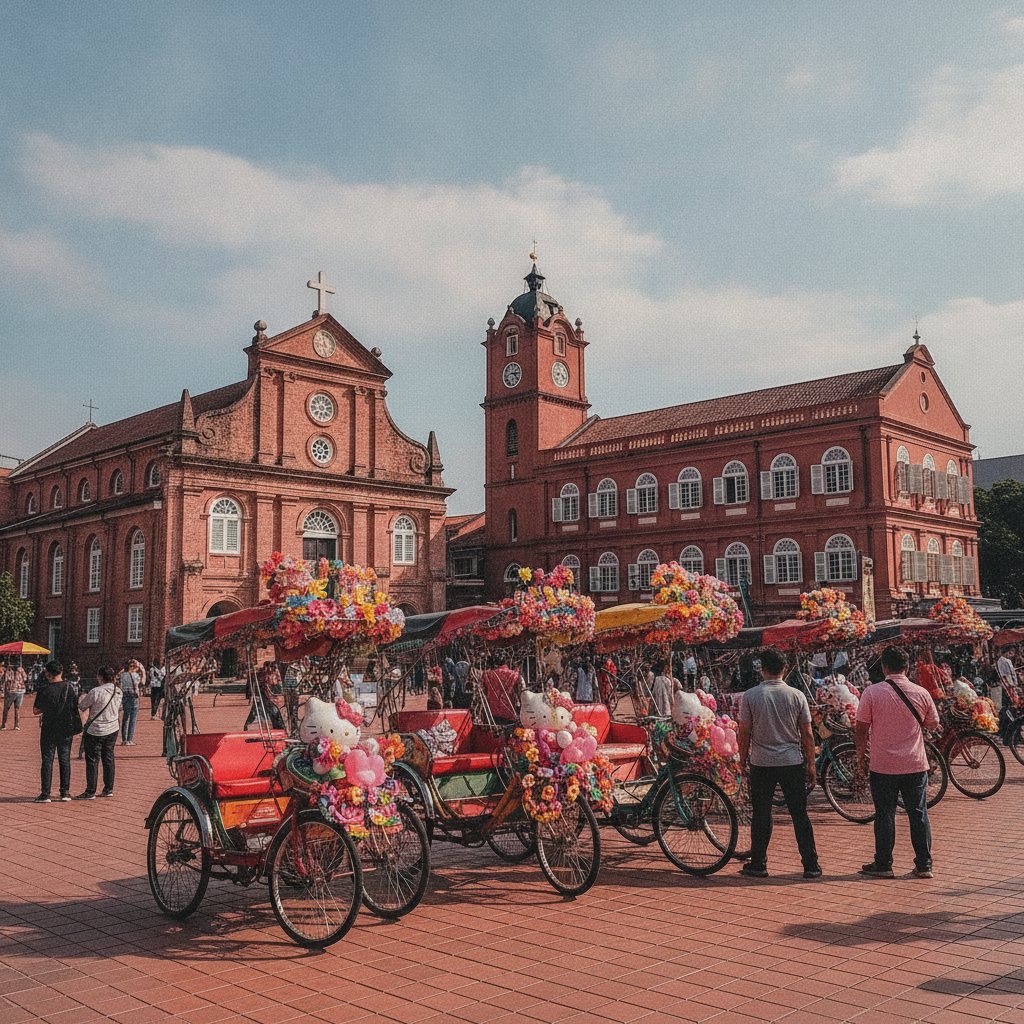
The Portuguese Settlement (Padri sa Chukri / Father's Enclosure) on the eastern shore of Malacca is the residential village of the Kristang (Eurasian Portuguese) community — the community of several hundred families descended from the Portuguese soldiers, sailors, and administrators who came to Malacca after 1511 and their local wives maintains a village identity, the Kristang Creole language, and cultural practices that have persisted through 130 years of Dutch colonial rule, 150 years of British colonialism, and 60 years of Malaysian independence. The village square with the community hall, the Portuguese-style blue-and-white tiles, and the restaurant (serving Portuguese-influenced Eurasian cuisine) provides the clearest encounter with one of Asia's most historically significant minority communities.
- 2
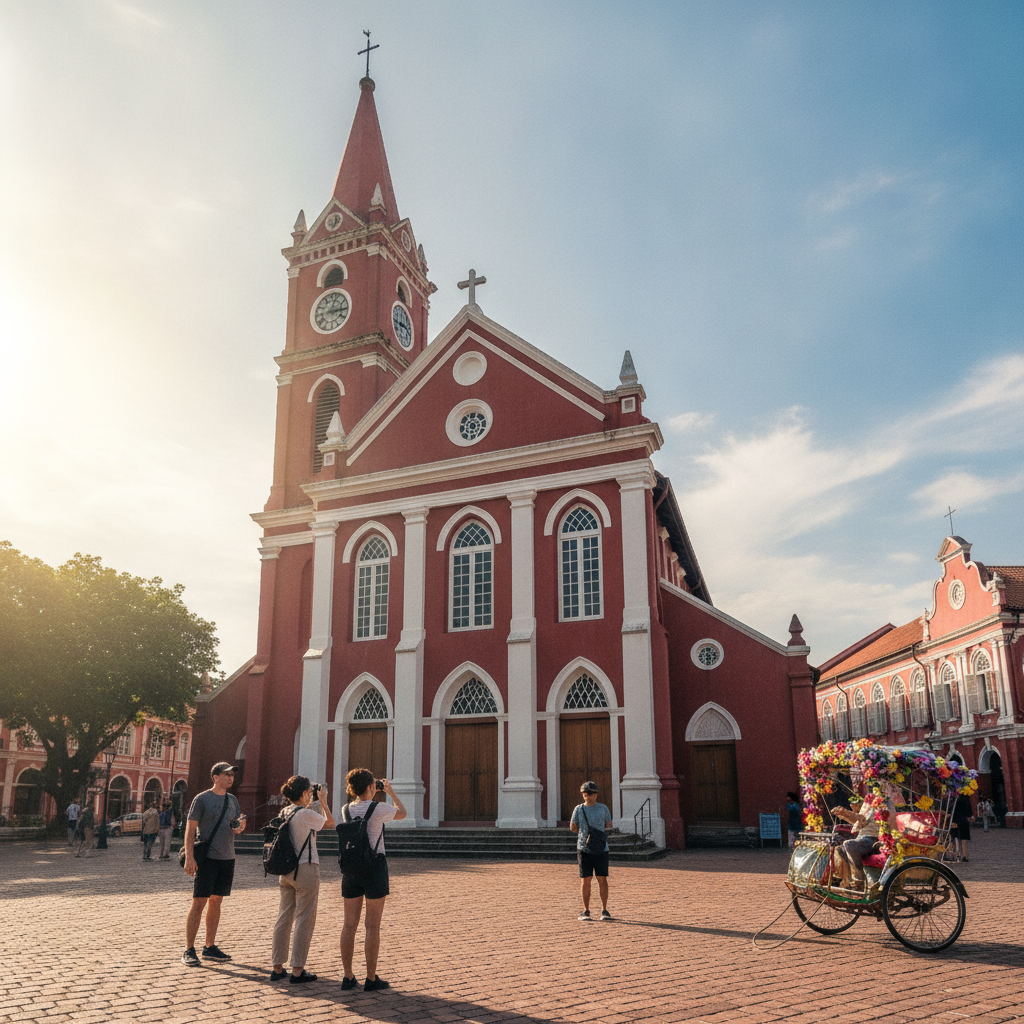
St Peter's Church Malacca
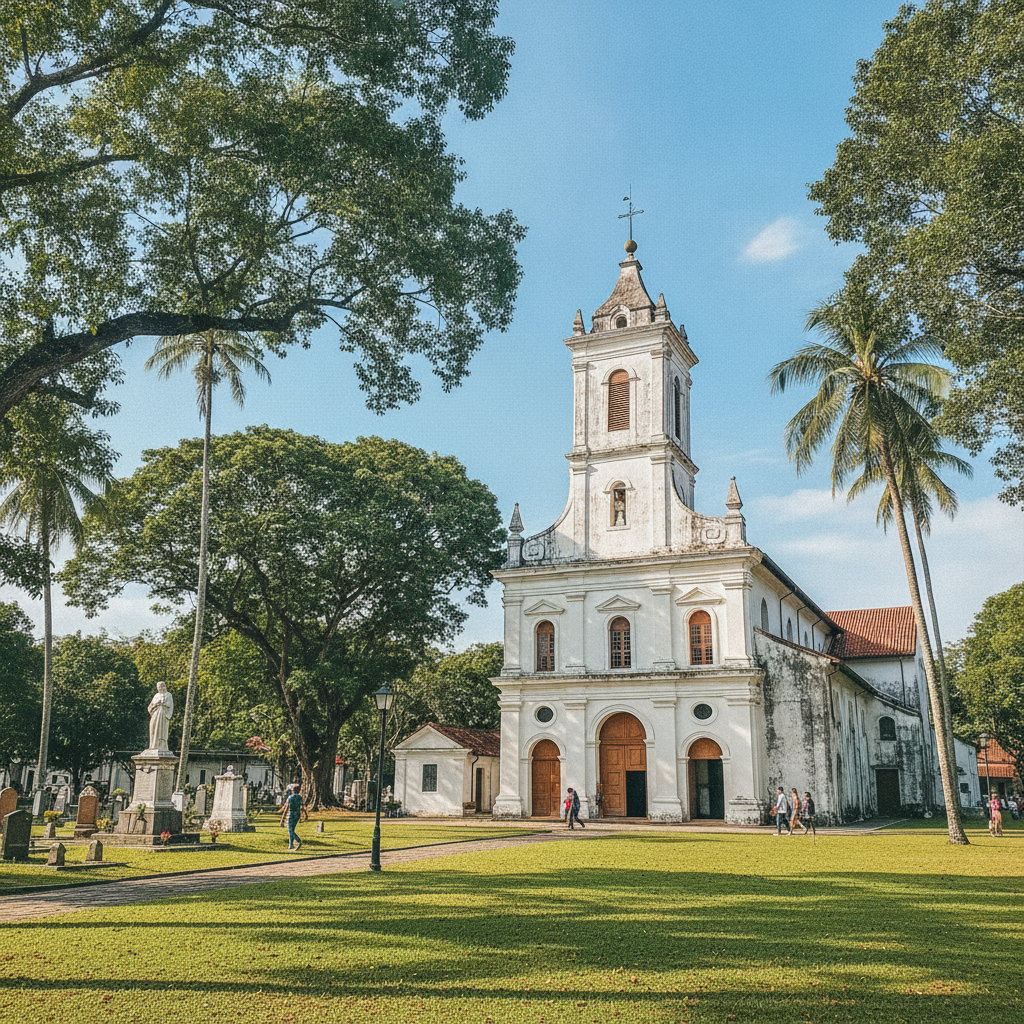
St Peter's Church (1710) is the oldest functioning Catholic church in Malaysia — the church built by the Dutch (Protestant) colonial authorities for the Portuguese-descended Catholic community, at the request of the community who had been prohibited from practicing Catholicism under Dutch Protestant rule, marks the beginning of the tolerated Catholic presence in Malacca that has continued to the present. The church's Easter celebrations (Good Friday and Easter Sunday) are the largest Catholic religious events in Malacca, and the church's Portuguese Baroque architectural style provides a visual connection to the Catholic ecclesiastical tradition the Portuguese missionaries brought to Asia.
- 3
Kristang Language Heritage
Kristang (Papiá Kristang / Língua Cristang) is the Portuguese Creole language of Malacca's Eurasian community — the language descended from 16th-century Portuguese maritime trade language that mixed with Malay, Tamil, and other languages of the Malacca Strait port world is spoken by an estimated 2,000-5,000 people in Malacca and Singapore, with fluent speakers numbering in the hundreds. Kristang is classified as an endangered language by UNESCO, and the documentation and revitalisation efforts of linguists and community advocates represent one of the most poignant language preservation challenges in Southeast Asia — the loss of Kristang would end the last living linguistic connection to the Portuguese empire in maritime Asia.
- 4
Portuguese Food at the Settlement
The Portuguese Settlement's seafood restaurants serve the Kristang cuisine that blends Portuguese culinary traditions with Malay ingredients and cooking methods — the devil curry (debal curry), a fiery vinegar-and-chilli stew traditionally made from the leftovers of the Christmas feast, is the signature dish of the community's Christmas season, while the Portuguese-influenced seafood dishes (grilled stingray, chilli crab, and the baked seafood preparations) served at the settlement's waterfront restaurants represent the continuing Portuguese culinary legacy in daily Kristang cooking.
- 5
Afonso de Albuquerque Conquest Legacy
Afonso de Albuquerque's conquest of Malacca in August 1511 was the most consequential single military action in the history of the spice trade — the capture of the city that controlled the Strait of Malacca (through which virtually all trade between the Indian Ocean and the South China Sea passed) gave Portugal dominance over the most lucrative trade routes in the world and destroyed the Islamic trading network that had made Malacca the richest port city in Asia. The descendants of the soldiers, sailors, and administrators who participated in the conquest and its administration continue to live in the Portuguese Settlement 515 years later.
- 6
Intangari Kristang Cultural Festival
The Kristang community maintains its Portuguese cultural heritage through festivals and cultural performances — the annual Festa de San Pedro (Festival of St Peter, June 29) celebrating the patron saint of fishermen with the blessing of the fishing boats, the traditional dance performances of the branyo (a distinctive Eurasian dance combining Portuguese and Malay elements), and the songs of the Kristang tradition performed at community events document the cultural vitality of a community that has maintained its identity against demographic pressure for over five centuries. The branyo dance with its hip-swinging movement, its call-and-response singing in Kristang, and its Portuguese guitar accompaniment is the most joyful visible expression of the Kristang cultural synthesis.
Walk this route with audio
Stories play automatically as you reach each stop — no tapping needed.