Malacca Peranakan & Nyonya Culture Walk
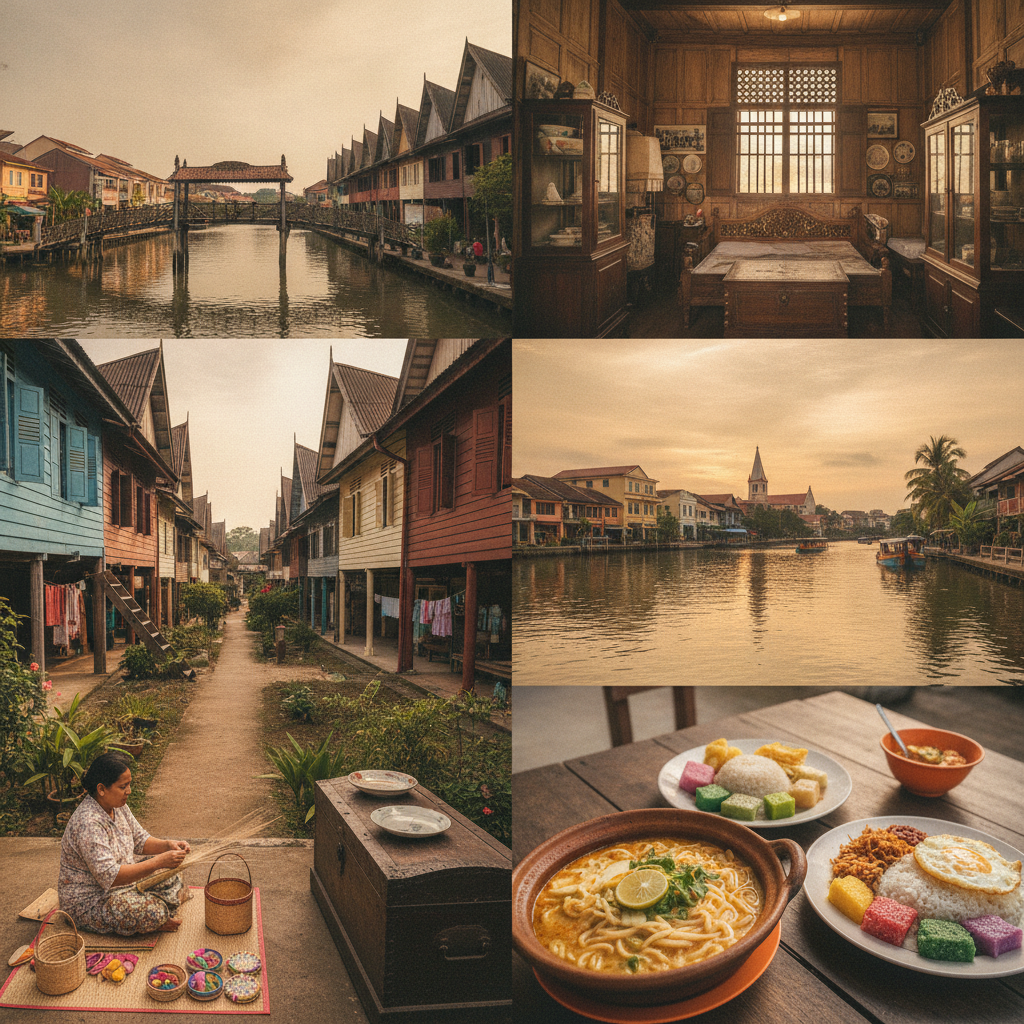
Discover the Peranakan (Straits Chinese) culture — the Baba-Nyonya community of Malacca, descended from Chinese merchants who intermarried with local Malay women from the 15th century, created the most distinctive hybrid culture in Southeast Asia, with a unique language (Baba Malay), cuisine (Nyonya food), and material culture that is most concentrated in Malacca.
- 1
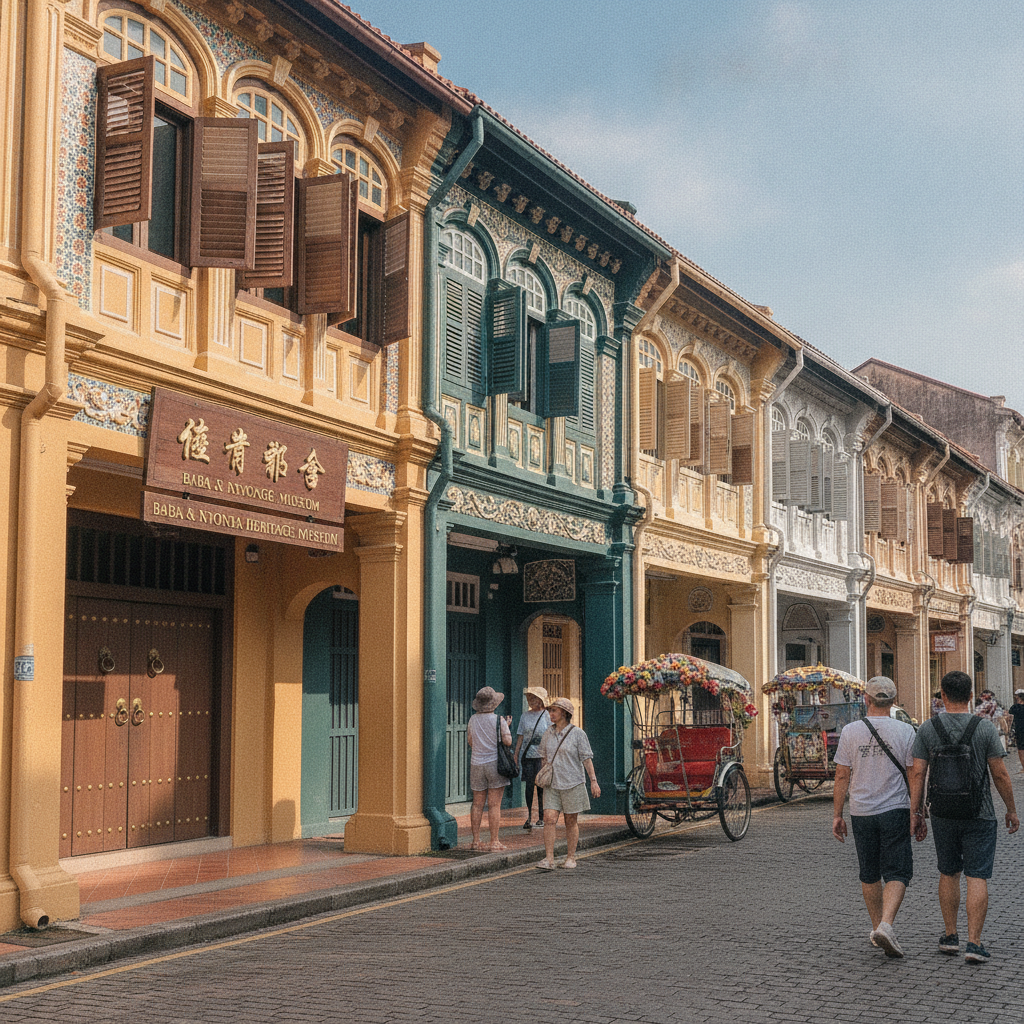
Baba & Nyonya Heritage Museum
The Baba & Nyonya Heritage Museum on Jalan Tun Tan Cheng Lock (formerly Heeren Street) is Malacca's finest Peranakan museum — the restored 19th-century townhouse complex retaining its original furnishings, porcelain, silverware, lacquerwork, and Nyonya textiles documents the material culture of a wealthy Peranakan family at the height of the community's prosperity in the British colonial period. The museum's guided tour through the reception rooms, the bridal chamber, the kitchen, and the ancestral hall provides the most intimate encounter with Peranakan domestic life available in Malaysia, revealing the synthesis of Chinese, Malay, and European elements in the home furnishings, family rituals, and daily objects of the Baba-Nyonya world.
- 2
Nyonya Cuisine Restaurant
Nyonya cuisine is the most celebrated regional cuisine of Malaysia — the cooking developed by the Peranakan women (nyonya = lady in Baba Malay) who combined the ingredients and techniques of Hokkien Chinese cooking with the aromatics, coconut milk, and spices of Malay cooking created dishes that are distinctive and irreducible to either parent cuisine. The Malacca Nyonya classics include asam pedas (sour tamarind fish curry), ayam pongteh (chicken braised with taucheo fermented bean paste and potatoes), otak-otak (spiced fish paste grilled in banana leaf), and the Nyonya kuih (pandan and coconut milk cakes) that are the most labour-intensive sweets in Southeast Asian pastry tradition.
- 3
Peranakan Beaded Slippers
The Peranakan kasut manek (beaded slippers) are the most celebrated craft of the Nyonya tradition — the hand-embroidered slippers made from hundreds of tiny glass seed beads sewn onto canvas in floral and bird patterns derived from Chinese embroidery designs represent the needlework skill that was a marker of social status among Nyonya women. A fine pair of kasut manek can take months to complete, with the most intricate patterns requiring thousands of individual beads placed with a needle over the entire surface of the slipper upper. The beaded slipper workshops in Malacca's Chinatown are among the last places where this tradition is practiced commercially.
- 4
Peranakan Wedding Tradition
The Peranakan wedding ceremony (adat perkahwinan Baba-Nyonya) is one of the most elaborate wedding rituals in Southeast Asia — the traditional 12-day ceremony combining Chinese, Malay, and Peranakan-specific customs includes the matching of astrological charts, the engagement ceremony, the hair-combing ritual (sanggul rambut), the betel nut ceremony, the 3-day wedding feast, and numerous rituals drawn from both Hokkien Chinese and Malay wedding traditions that have been blended into a specifically Peranakan practice. The wedding costumes — the bridal crown (sanggul tinggi), the hand-embroidered silk robe (baju panjang), and the elaborate silver jewellery — represent the highest development of Peranakan material culture.
- 5
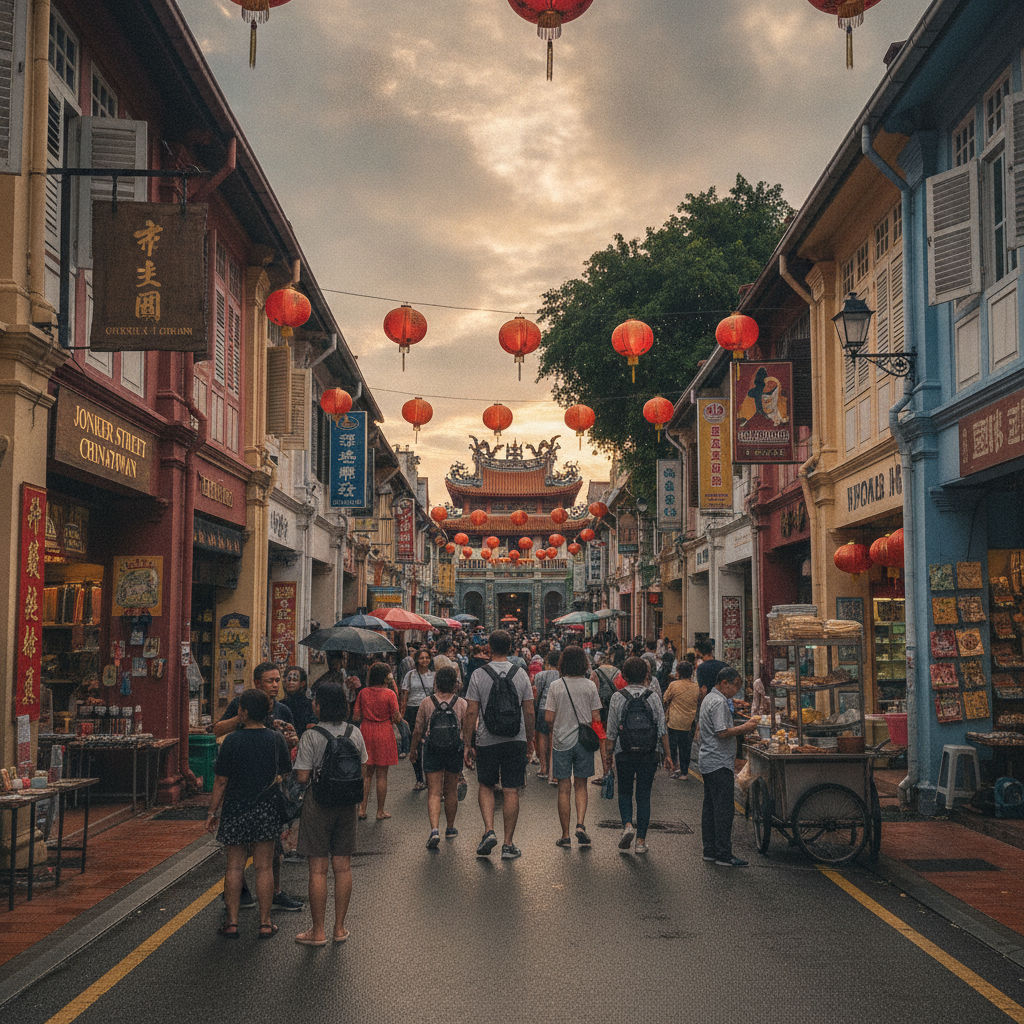
Heeren Street Peranakan Mansions
Jalan Tun Tan Cheng Lock (Heeren Street, formerly the home of wealthy Peranakan merchants) is the most impressive residential street in Malacca's heritage zone — the row of substantial 19th-century Peranakan townhouses with their ornate stucco facades, tile-paved five-foot-ways, and deep floor plans extending back to internal courtyards documents the architectural ambitions of the Peranakan merchant class at the height of their wealth in the British colonial period. The street takes its modern name from Tan Cheng Lock, the Malacca-born Peranakan leader who founded the Malayan Chinese Association and was one of the principal negotiators of Malayan independence from Britain in 1957.
- 6
Peranakan Language Baba Malay
Baba Malay (Bahasa Melayu Baba) is the creole language of the Peranakan community — the Malay-based creole language with extensive Hokkien Chinese loanwords and distinctive grammar developed over five centuries of Peranakan community life in Malacca, Penang, and Singapore. Baba Malay is now spoken fluently by only a small elderly population, as the community shifted to English (the prestige language of the British colonial and post-independence Singaporean period) and later to Mandarin Chinese under the pressure of Chinese cultural revivalism. The decline of Baba Malay as a living language represents the most concrete loss in the Peranakan cultural inheritance, as language is the medium through which the community's specific oral traditions, songs, and cultural knowledge were transmitted.
Walk this route with audio
Stories play automatically as you reach each stop — no tapping needed.