Quilombo dos Palmares: The Greatest Slave Resistance in History
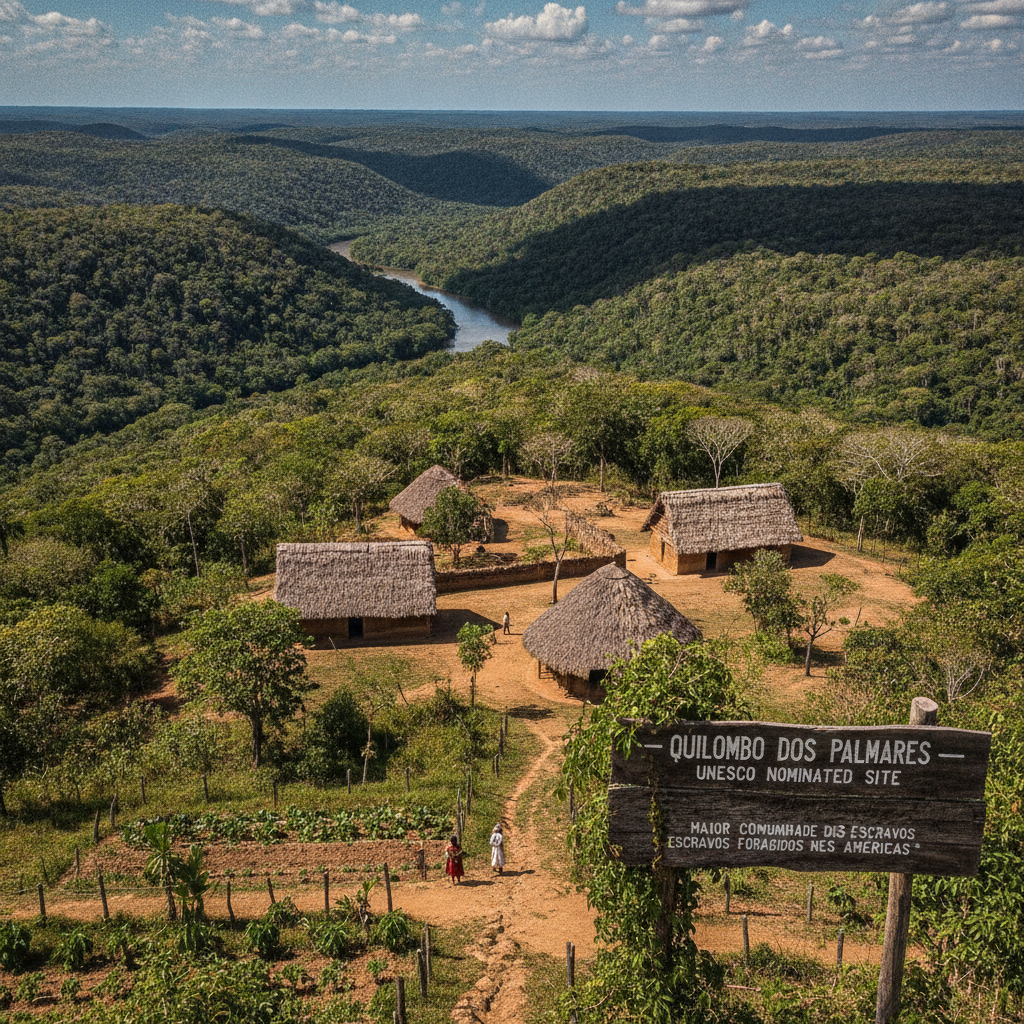
The Quilombo dos Palmares — in the Alagoas highlands above Maceió — was the Americas' largest fugitive slave community, surviving for nearly a century; Zumbi dos Palmares is Brazil's greatest resistance hero
- 1
Serra da Barriga Quilombo Site
The Serra da Barriga mountain was the site of the Palmares - a community of up to 30,000 runaway slaves that survived from 1597 to 1694; the site on a hill is now a national monument and cultural center
- 2
Zumbi dos Palmares
Zumbi – the last leader of Palmares, killed in 1695 – is Brazil's most important symbol of black resistance; his image appears on currency, and November 20 (the date of his death) is Black Consciousness Day in Brazil
- 3
African cultural preservation in Palmares
Palmares society preserved West African cultural practices – the religious traditions, agricultural techniques, and social organization of the Bantu, Yoruba, and other African peoples of the Brazilian highlands
- 4
Portuguese Military Campaigns
The Portuguese crown sent 27 military expeditions against Palmares over 60 years before finally destroying it in 1694 — the community's military resilience, using guerrilla tactics in the highland terrain, was extraordinary
- 5
Quilombo Communities Today
Hundreds of modern quilombo communities throughout Alagoas are descended from Palmares and other slave escapes; their land rights, formally recognized by the Brazilian constitution, are actively contested
- 6
Capoeira Origins
The martial art of capoeira – disguised as a dance to avoid the ban of the slave masters – was developed and preserved in communities such as Palmares; the art form's connection to Alagoas and Pernambuco is fundamental
Walk this route with audio
Stories play automatically as you reach each stop — no tapping needed.
More in Maceió
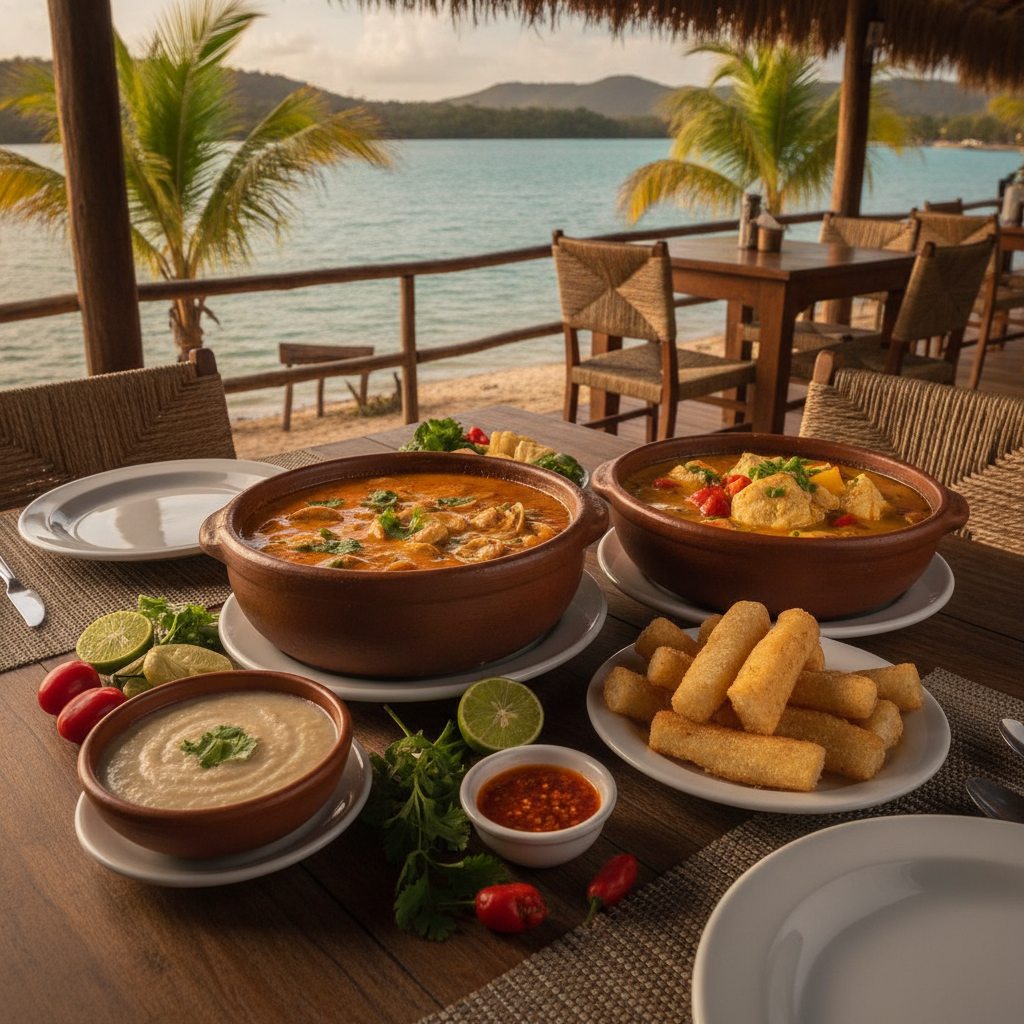
Maceió Food: Sururu, Moqueca & Alagoas Coastal Cuisine
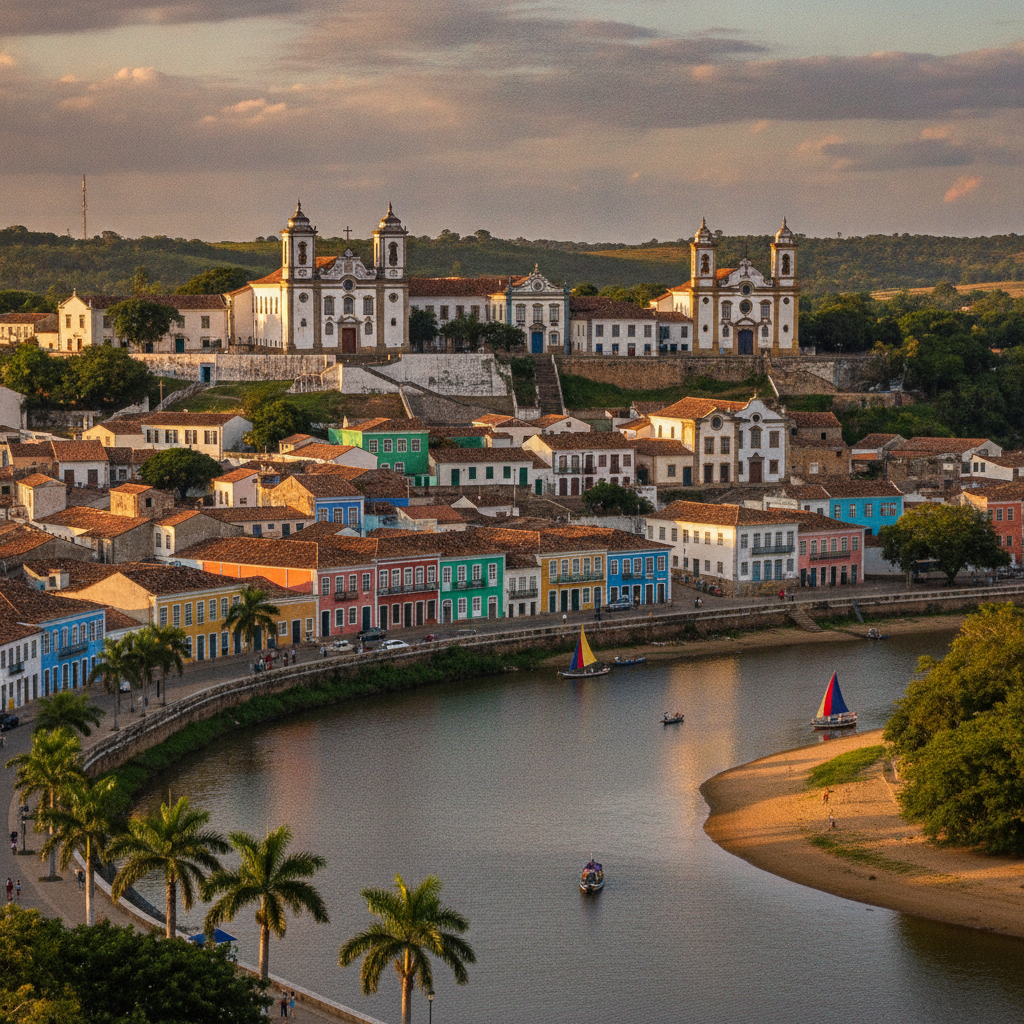
Penedo: Alagoas's Colonial Baroque Gem on the São Francisco
Alagoas Sugar History: Engenhos, Slavery & Colonial Economy
Maceió Natural Pools: Brazil's Most Beautiful Coral Reef Swimming
Lagoa Mundaú: Maceió's Magical Lagoon Between Sea and City