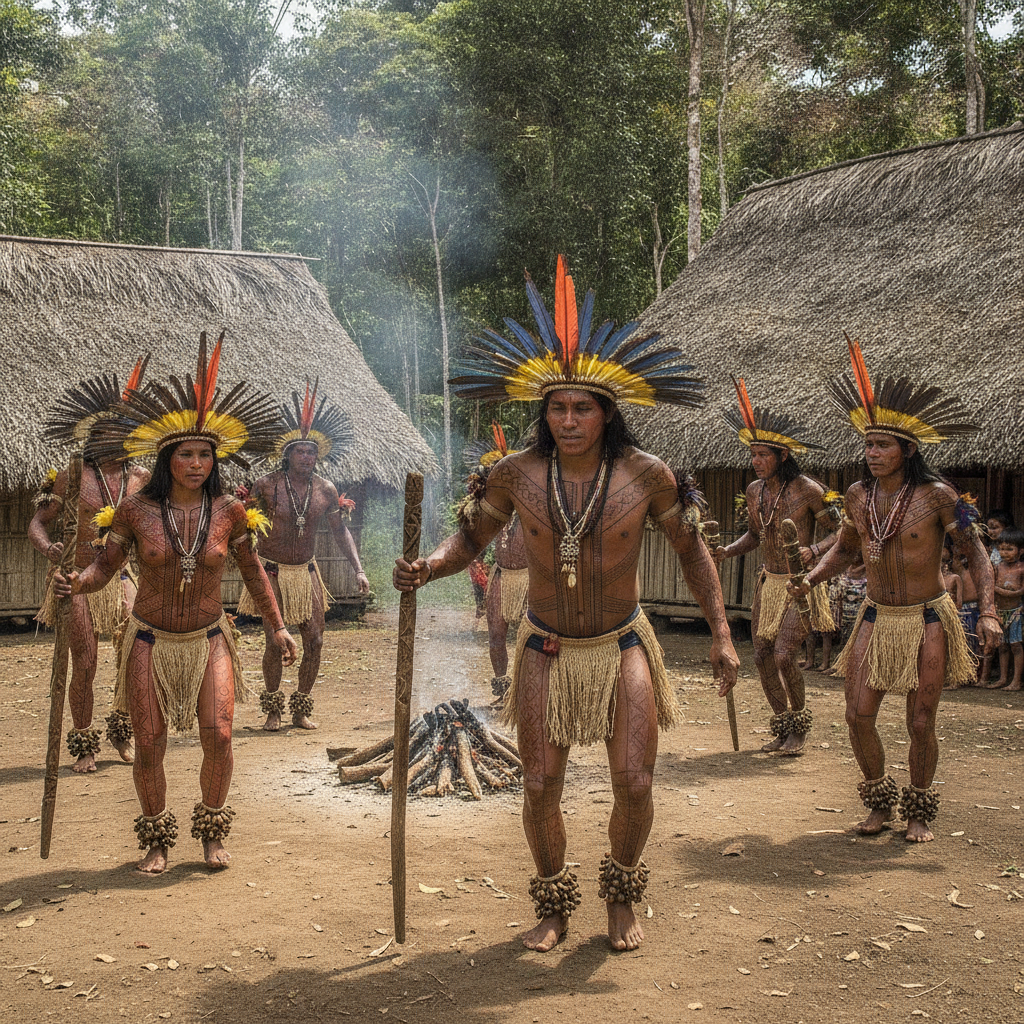
Wajãpi Indigenous Territory: Living Amazon Culture
The Wajãpi indigenous territory in Amapá — a UNESCO Intangible Cultural Heritage site — is home to a people who have maintained their culture, language, and forest knowledge while engaging selectively with the modern world
- 1
Wajãpi UNESCO recognition
The oral and graphic traditions of the Wajãpi – particularly their kusiwa body painting and their cosmological knowledge encoded in the design – were inscribed as UNESCO Intangible Cultural Heritage in 2003
- 2
Kusiwa Body Painting
Wajãpi kusiwa - geometric body painting with jenipapo plant dye - is both aesthetic and communicative; the design encodes cosmological knowledge, clan identity and spiritual protection in visual form
- 3
Wajãpi Forest Knowledge
Wajãpi's encyclopedic knowledge of the Amapá forest – medicinal plants, animal behavior and Amazon ecological relationships – accumulated over generations is now recognized as irreplaceable scientific knowledge
- 4
Community Based Tourism
The Wajãpi have developed community-based tourism that allows visitors to enter the territory under indigenous guidance - the income supports the community while the Wajãpi control the interaction
- 5
Amapá indigenous diversity
Amapá State has several indigenous peoples beyond the Wajãpi – the Palikur, Galibi and Karipuna communities on the northern border with French Guiana maintain distinct languages and cultures
- 6
Indigenous Land Rights in Amapá
Amapá has the highest percentage of protected land of any Brazilian state — over 70% is in indigenous territories, nature reserves or national parks; the result is the Amazon's best-preserved ecology in a Brazilian state
Walk this route with audio
Stories play automatically as you reach each stop — no tapping needed.
More in Macapá
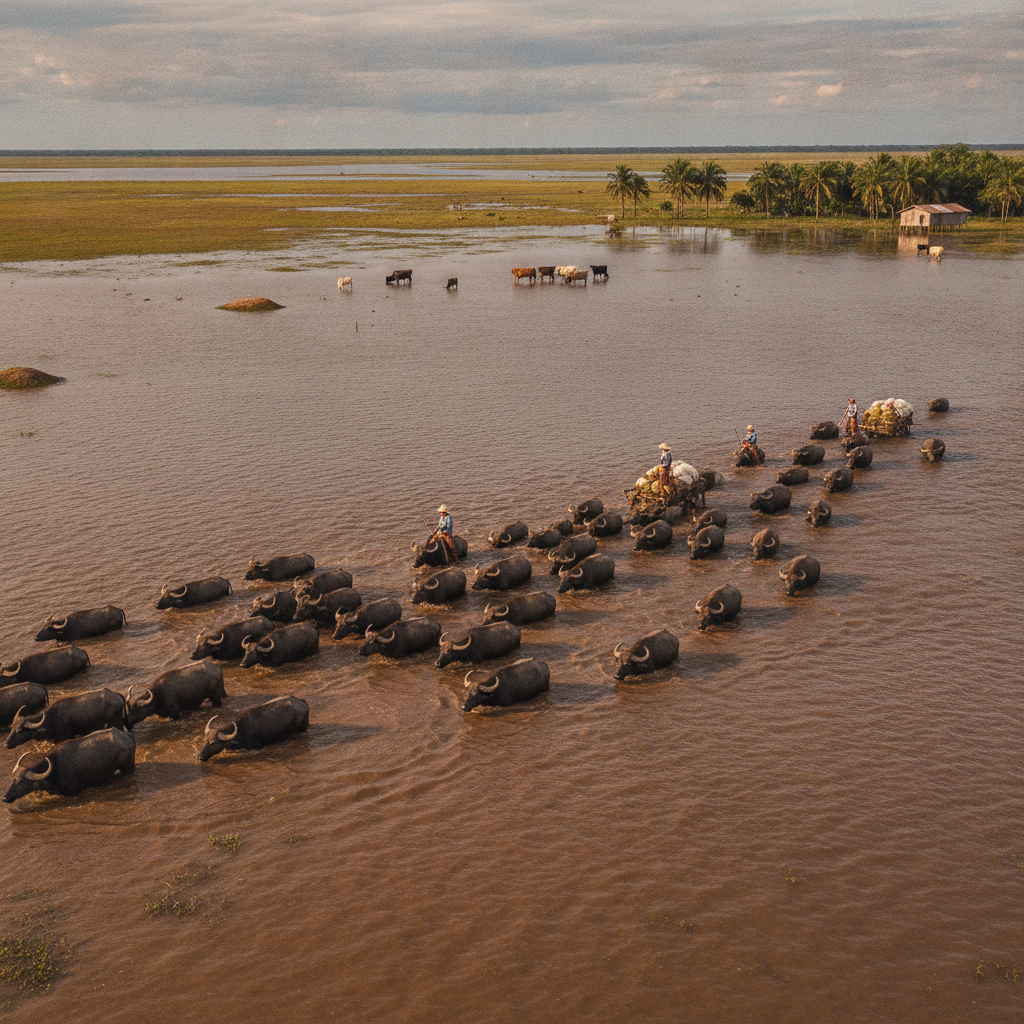
Ilha de Marajó: The Amazon's Buffalo Island
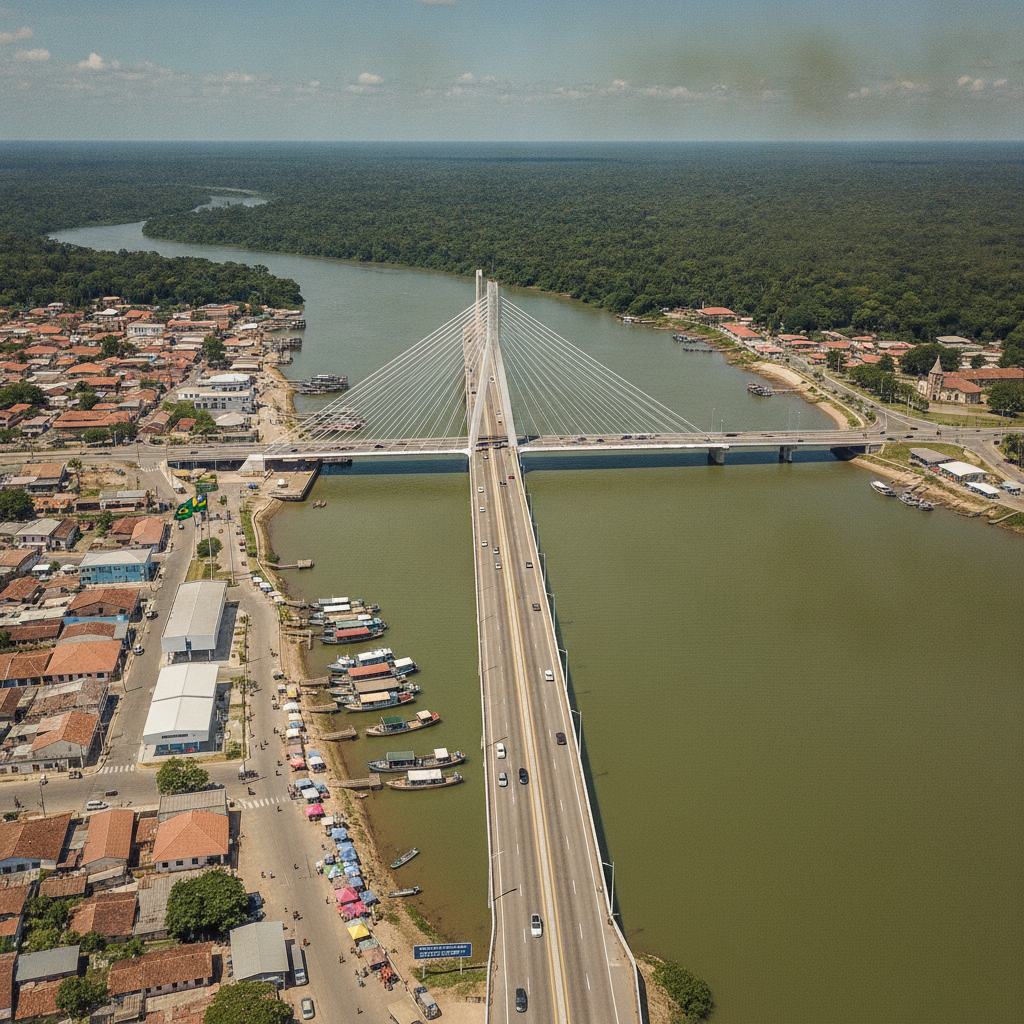
Oiapoque: Brazil's Northernmost Town & the French Guiana Border

Fortaleza de São José: Amazon Fort on the Equator
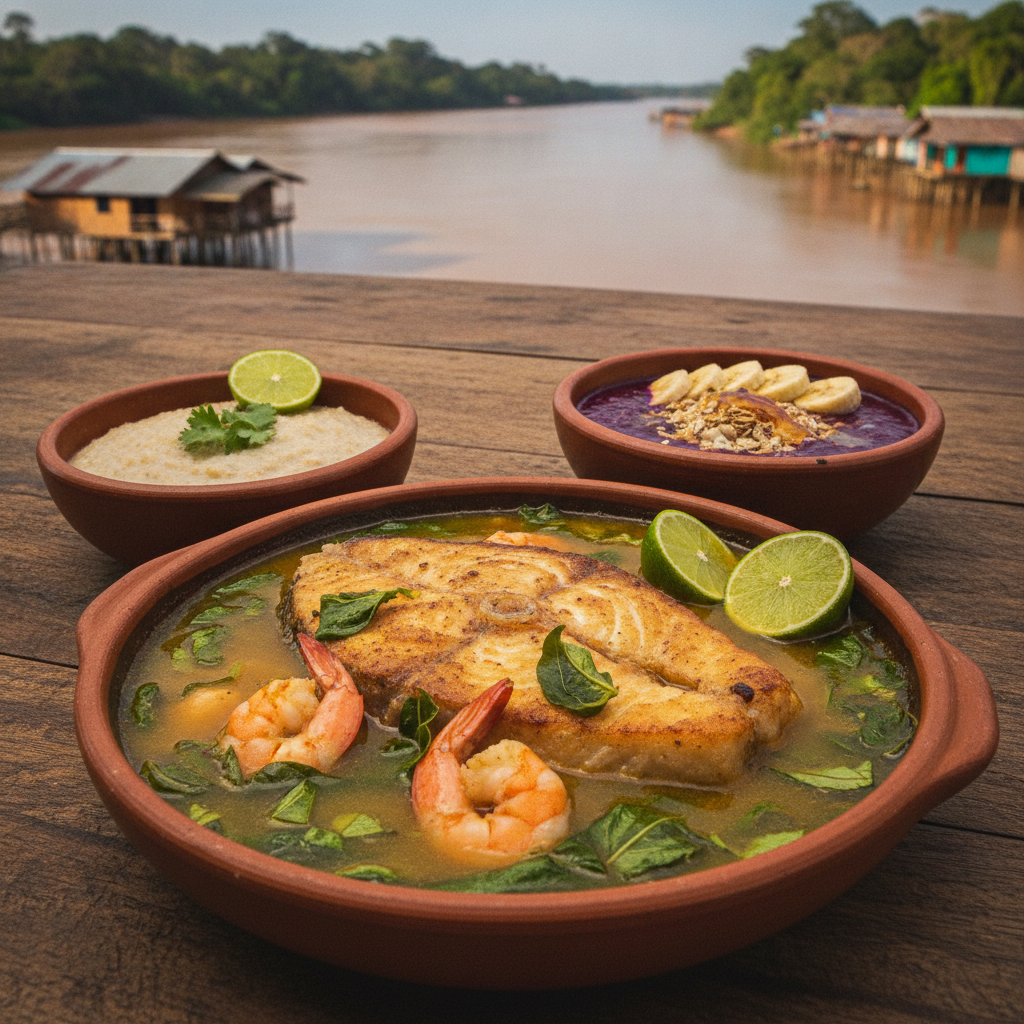
Amazon Cuisine at Macapá: Pirarucu, Tucupi & Amazonian Flavours
Amazon Estuary: The World's Mightiest River at Its Mouth
