Lumbini Local Culture & Community Walk
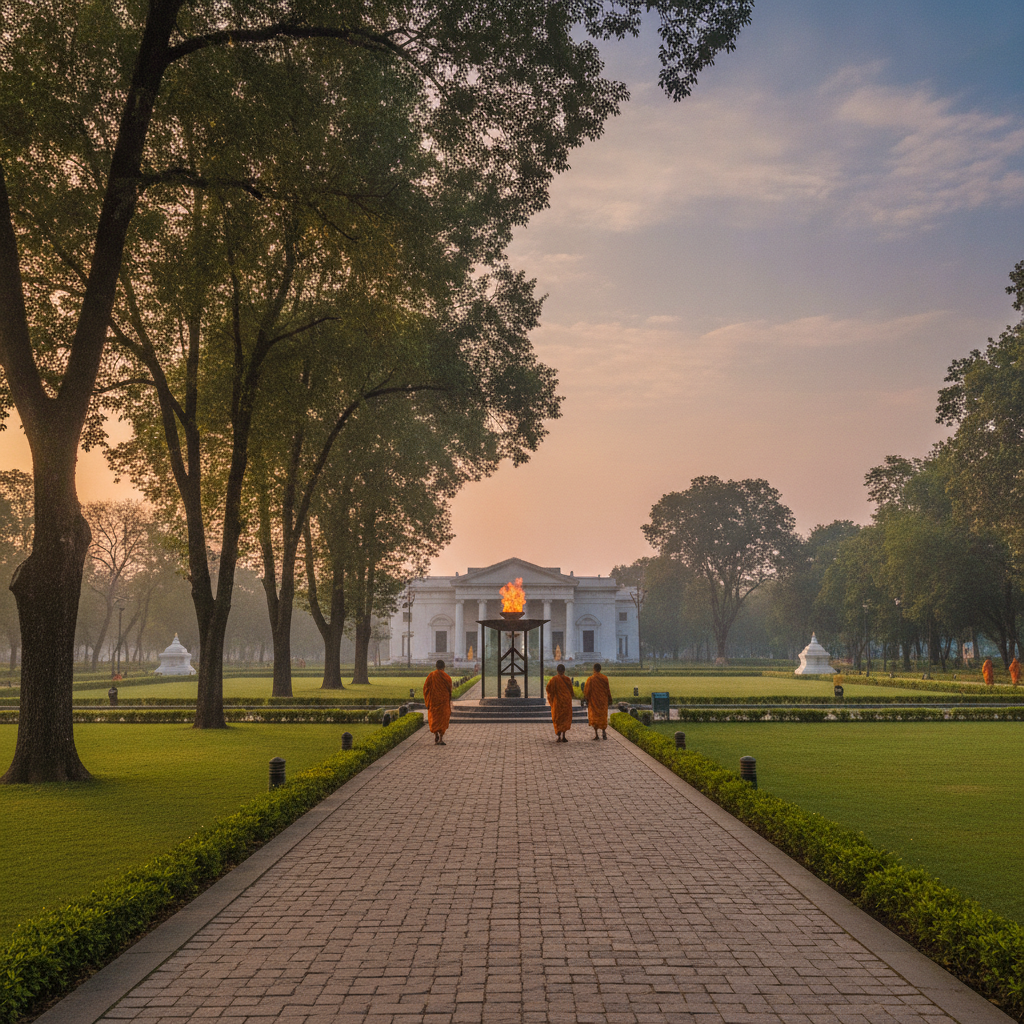
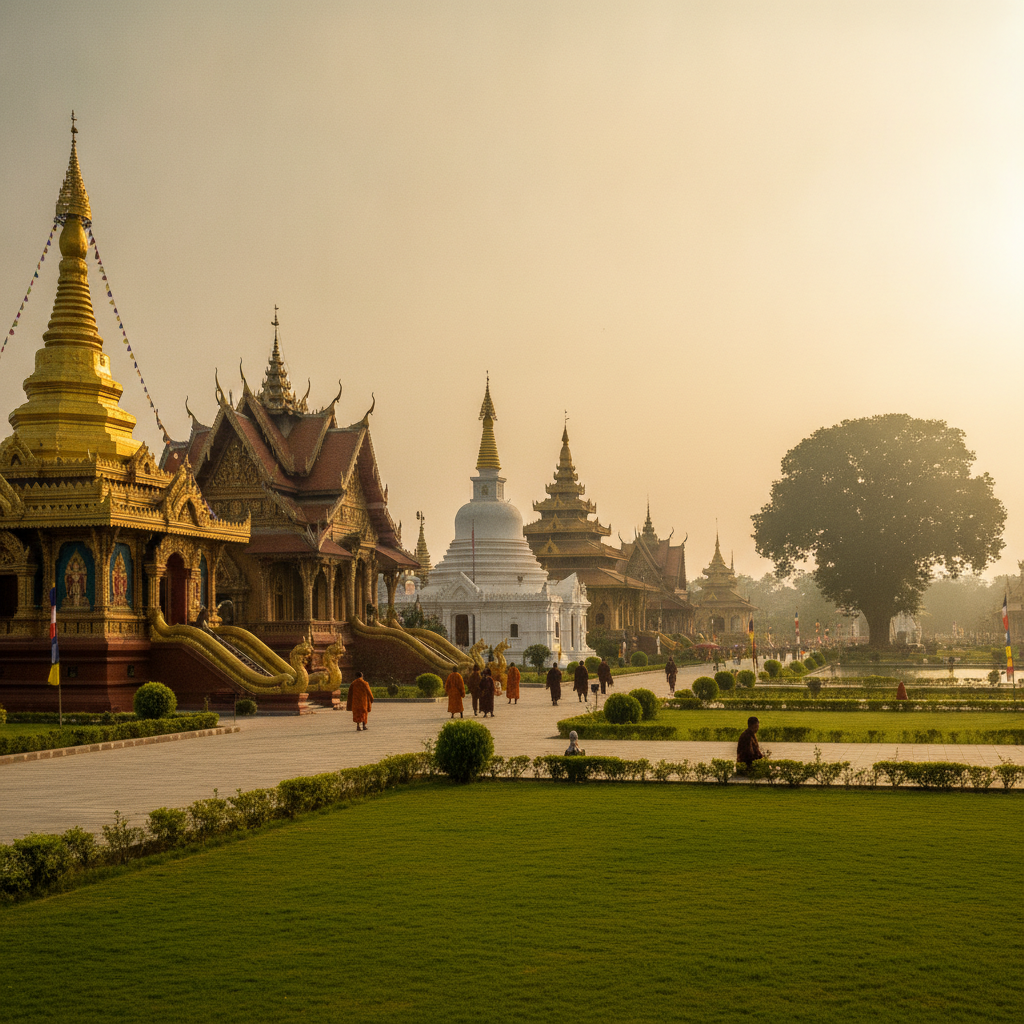
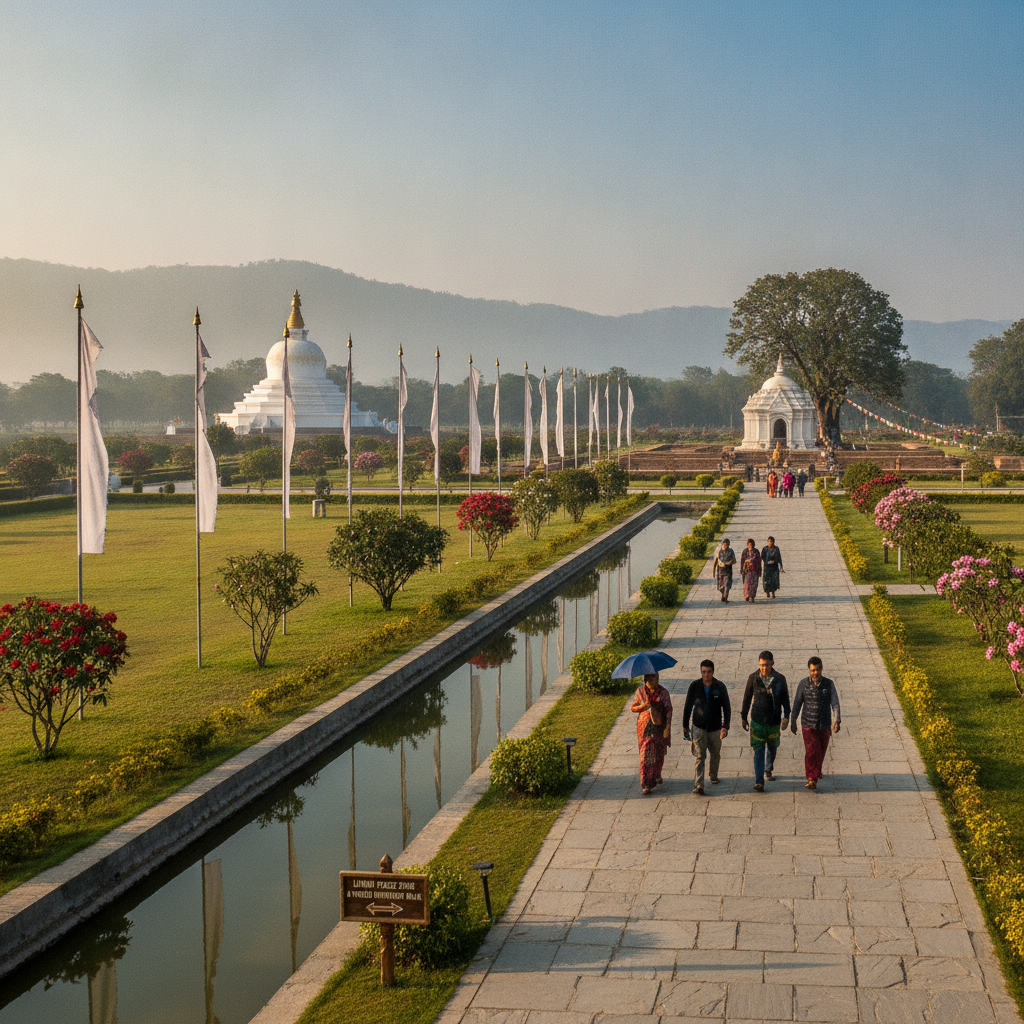
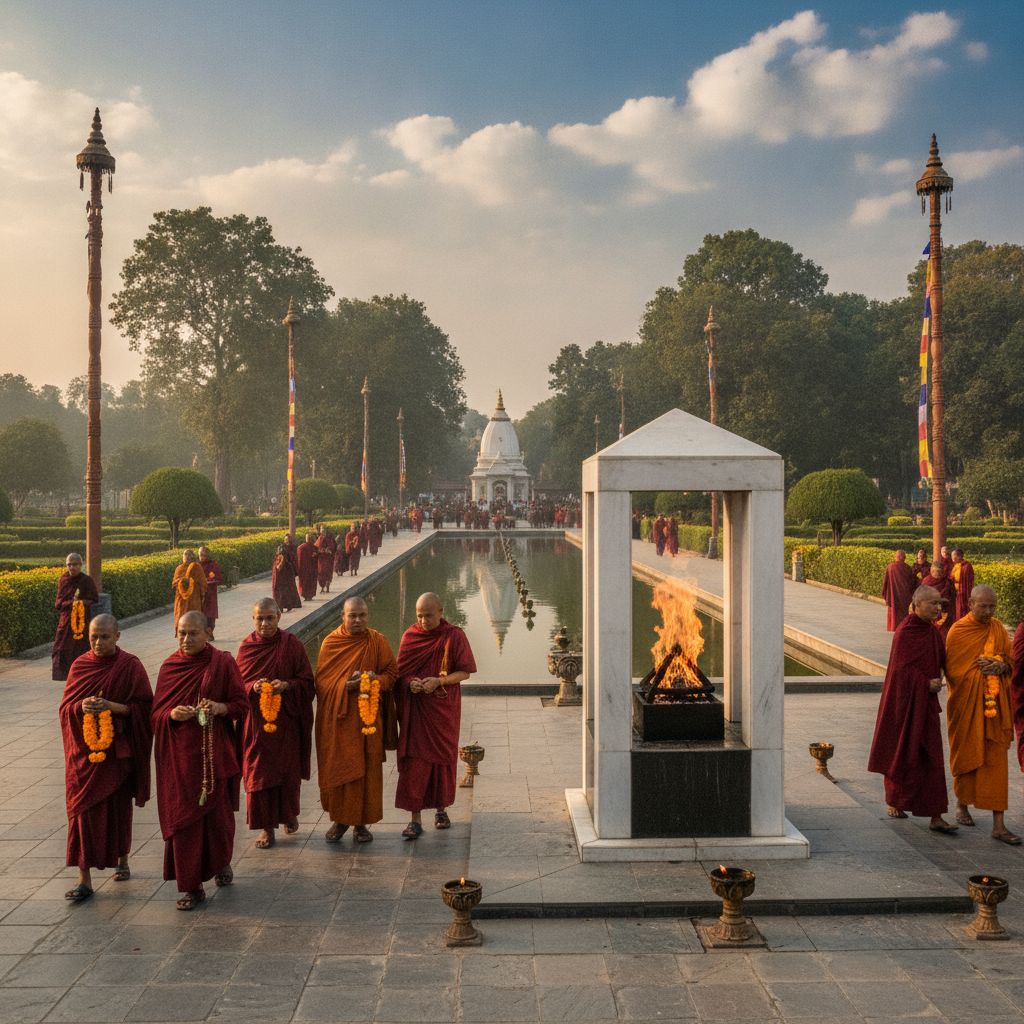
Discover the living community around Lumbini — the villages adjacent to the Buddhist pilgrimage site are home to the Tharu indigenous community, the Magar and Gurung settlers, and the Muslim community, whose diverse cultures create the most multi-faith single community encounter accessible alongside any world heritage religious site.
- 1
Lumbini Village Morning
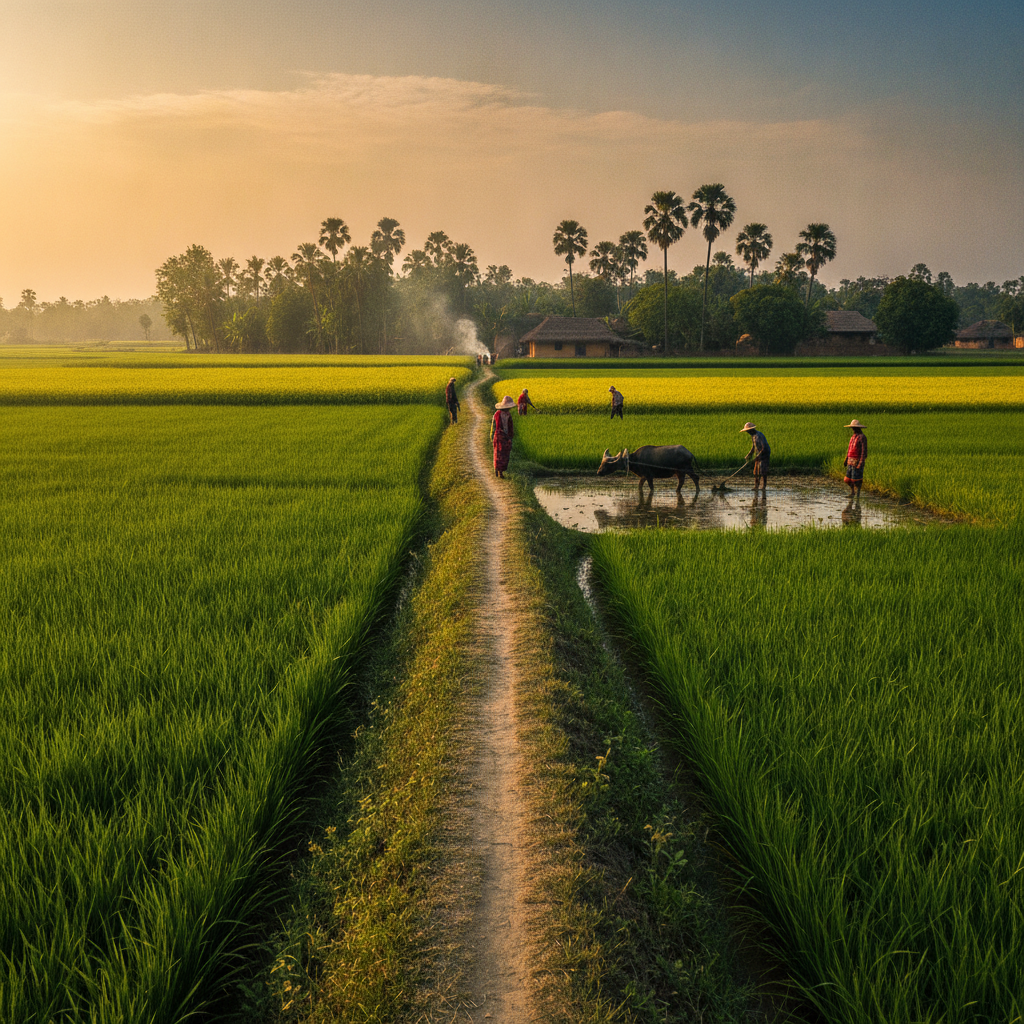
The Lumbini area village morning (the daily life visible in the communities adjacent to the heritage site — the Tharu women beginning the domestic tasks in the early morning, the farmers departing for the agricultural fields, and the school children walking to the village school visible in the lanes of the buffer zone communities surrounding the UNESCO heritage zone) is the most directly Nepal-Terai-daily-life-observing single walk accessible at the Lumbini destination — the village's specific character in the Lumbini buffer zone (the combination of the indigenous Tharu mud-brick homes with the more recently arrived communities' different architectural styles creating the most directly legible single settlement history accessible in the Nepal Terai, the guesthouses and the pilgrim-service businesses adjacent to the heritage zone intermingled with the traditional agricultural community that pre-dates the tourism development by many generations) and the morning market activity (the small local market accessible near the heritage zone entrance, the fresh vegetables, the dairy products, and the prepared food stalls catering to the mix of the Buddhist pilgrims and the local community that is the most multi-functional single market accessible near any Nepal world heritage site) create the most completely community-immersive single morning experience accessible at the Lumbini destination.
- 2
Tharu Cultural House
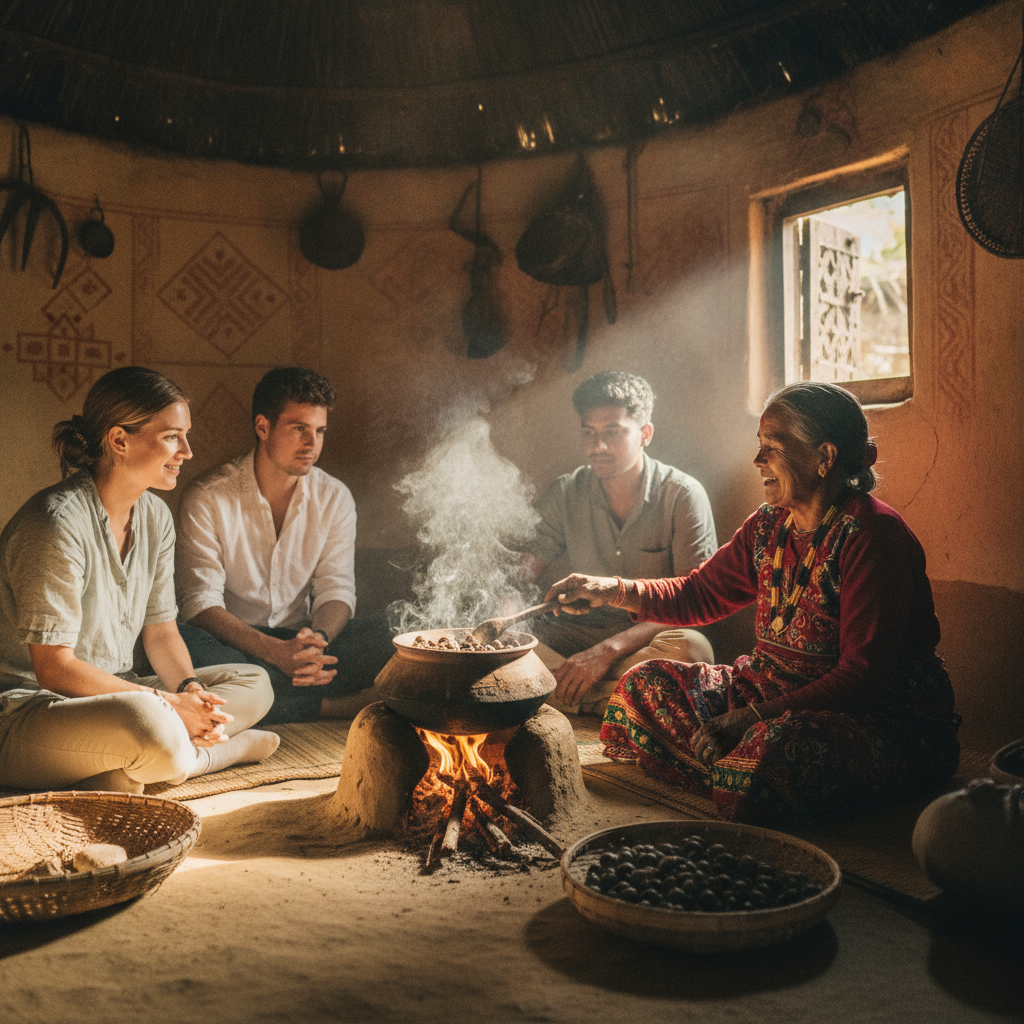
The Tharu cultural house in the Lumbini buffer zone (the preserved example of the traditional Tharu architecture — the long mud-plastered house with the characteristic geometric wall paintings, the thatched roof, and the agricultural implements visible in the courtyard) is the most directly traditional-domestic-culture-presenting single building accessible in the Lumbini area — the Tharu house's specific architectural character (the exterior paintings — white lime geometric designs on the reddish clay plaster — that are the most immediately distinctive single Tharu cultural visual accessible in the Nepal Terai, and the interior arrangement with the central hearth, the sleeping areas and the grain storage that create the most legibly domestic single floor plan accessible in the traditional Terai house type) and the community's relationship with the adjacent Buddhist heritage site (the Tharu families who have lived alongside the Lumbini sacred site for generations, the most directly historically present single indigenous community accessible at any Nepal world heritage site) create the most complete single context for understanding the Lumbini site as a living community landscape rather than simply a managed heritage reserve. The Tharu cultural house's current use (the building maintained as a community cultural centre, the most directly community-self-presenting single cultural attraction accessible in the Lumbini buffer zone) provides the most authentically community-led single culture encounter available near the Buddhist heritage site.
- 3
Muslim Community Quarter
The Muslim community quarter near Lumbini (the neighbourhood of the Muslim community whose presence in the Lumbini area predates the current heritage development, the mosque visible from the approach road to the heritage site and the community's daily life visible in the market area adjacent to the heritage zone) is the most directly multi-faith single community encounter accessible at any Nepal Buddhist heritage site — the Muslim community's historical presence (the community descended from the Muslim traders and the agricultural settlers of the medieval period, their village established near the Buddhist sacred site in the most directly shared sacred landscape accessible in Nepal's pilgrimage geography) and the community's daily religious life (the mosque's call to prayer audible from within the Lumbini heritage zone at the five daily prayer times, the most unexpected single religious acoustic accessible at the world's most significant Buddhist site creating the most immediately multi-faith single sensory experience accessible in Nepal) create the most directly interfaith-encounter-producing single community walk accessible in the Lumbini area. The community's relationship with the pilgrimage tourism (the Muslim-owned guesthouses, restaurants, and transport services accessible to the Buddhist pilgrims creating the most practically cooperative single inter-religious community service relationship accessible at any Nepal heritage destination) reveals the most directly functional single example of community pluralism visible in Nepal's religious heritage landscape.
- 4
Local Food Market
The local food market near Lumbini (the morning market serving the local community and the pilgrim population, the most directly food-diverse single market accessible in the Nepal Terai — the Tharu traditional food, the Hindu Maithil cooking of the resident plain community, and the various food stalls offering the simpler pilgrim food of the Buddhist visitors creating the most multi-culinary single market encounter accessible in southern Nepal) is the most directly community-economically revealing single food encounter accessible at the Lumbini destination — the market's produce (the seasonal Terai vegetables, the mustard oil that is the most important single cooking fat of the Nepal lowland, the molasses from the local sugarcane, and the various dal and lentil varieties that are the most nutritionally central single food category of the Nepal plain community diet) and the market's social function (the most important single daily social gathering point of the Lumbini buffer zone community, the conversations and the commercial negotiations that constitute the most directly community-life-participating single encounter accessible to the visitor without the language skill to engage formally) create the most completely local-community-integrated single food experience accessible at the world heritage Buddhist destination.
- 5
Bicycle Village Circuit
The bicycle village circuit around Lumbini (the most popular single independent exploration option accessible to the Lumbini visitor — the bicycle hire available at the Sauraha village allows the self-guided circuit of the heritage zone, the Monastic Zone, and the surrounding buffer zone villages on the flat Terai terrain that is the most cycling-appropriate single landscape accessible at any Nepal heritage destination) is the most self-directed single cultural experience available at Lumbini — the circuit's specific character (the flat roads through the monastery zone, the agricultural land, and the village communities, the bicycle's slow pace allowing the most detailed observation of the Lumbini landscape accessible without a formal guided visit) and the villages encountered along the circuit (the Tharu settlements, the more recently arrived communities, and the small rural markets visible from the road providing the most complete single transect of the contemporary Lumbini buffer zone society accessible in a half-day's cycling) create the most independently rewarding single exploration available at the Nepal Buddhist heritage destination. The bicycle's specific advantage at Lumbini (the heritage zone's car-free inner area accessible only on foot or by bicycle, the most directly heritage-appropriate single mobility mode creating the most respectfully quiet single visitor movement accessible at the sacred site) makes the bicycle the most suitable single transport option for the Lumbini visitor seeking the most complete heritage experience accessible in Nepal's southern lowland.
- 6
Pilgrim Guesthouse Evening
The pilgrim guesthouse evening at Lumbini (the evening at one of the simple guesthouses in the Lumbini buffer zone that cater primarily to the Buddhist pilgrims from Sri Lanka, Thailand, Myanmar, and Japan rather than the standard tourist accommodation — the guesthouse atmosphere reflecting the most distinctively pilgrim single accommodation character accessible at any Nepal heritage destination) is the most directly pilgrim-community-immersive single accommodation experience available in Nepal — the guesthouse's specific character (the simple rooms, the vegetarian communal meals, the early curfew that reflects the pilgrims' early morning programme, and the conversation with the fellow guests — the Thai pilgrims on their once-in-a-lifetime visit to the birthplace, the Sri Lankan monks on a formal pilgrimage circuit, and the Japanese lay pilgrims completing the Buddhist heritage route that includes Bodh Gaya and Sarnath — creating the most international single Buddhist community conversation accessible in Nepal) and the guesthouse's evening atmosphere (the monks and the pilgrims gathering in the common area before the early retirement, the most directly devotionally-committed single traveller community accessible at any Nepal accommodation) make the Lumbini pilgrim guesthouse the most personally transformative single accommodation experience available at a Nepal world heritage site.
Walk this route with audio
Stories play automatically as you reach each stop — no tapping needed.