Lima's Pacific Coast: Surfing and Sea Lions
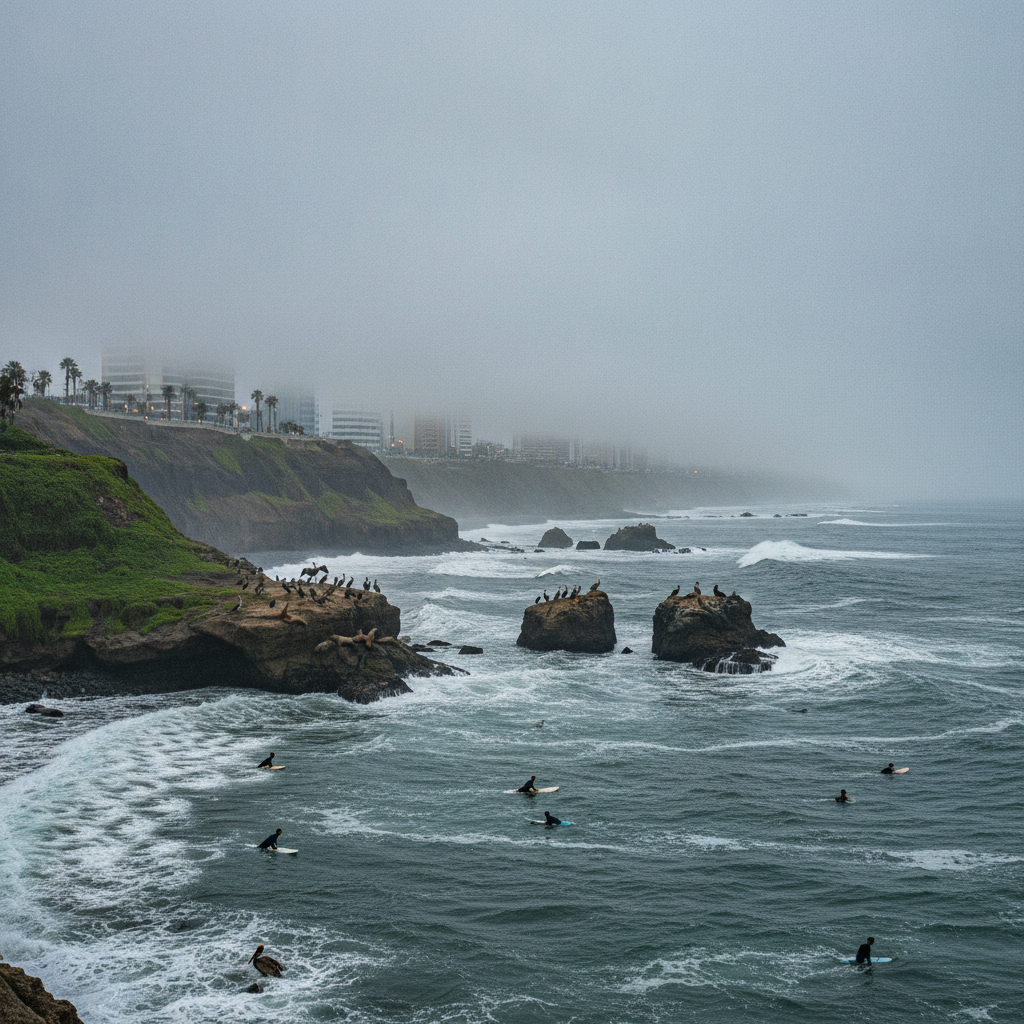
Lima's 72 km of Pacific coastline is a surfing paradise — the cold Humboldt Current generates powerful consistent waves; the coast also has sea lion colonies, pelicans, and the extraordinary biodiversity of the Humboldt ecosystem
- 1
Humboldt Current
The Humboldt Current – the cold upwelling from Antarctica that flows north along South America's Pacific coast – is the engine of Lima's marine ecosystem; the cold, nutrient-rich waters support huge fish populations, seabirds (including Humboldt penguins on nearby islands), sea lions and dolphins
- 2
Lima Surf Culture
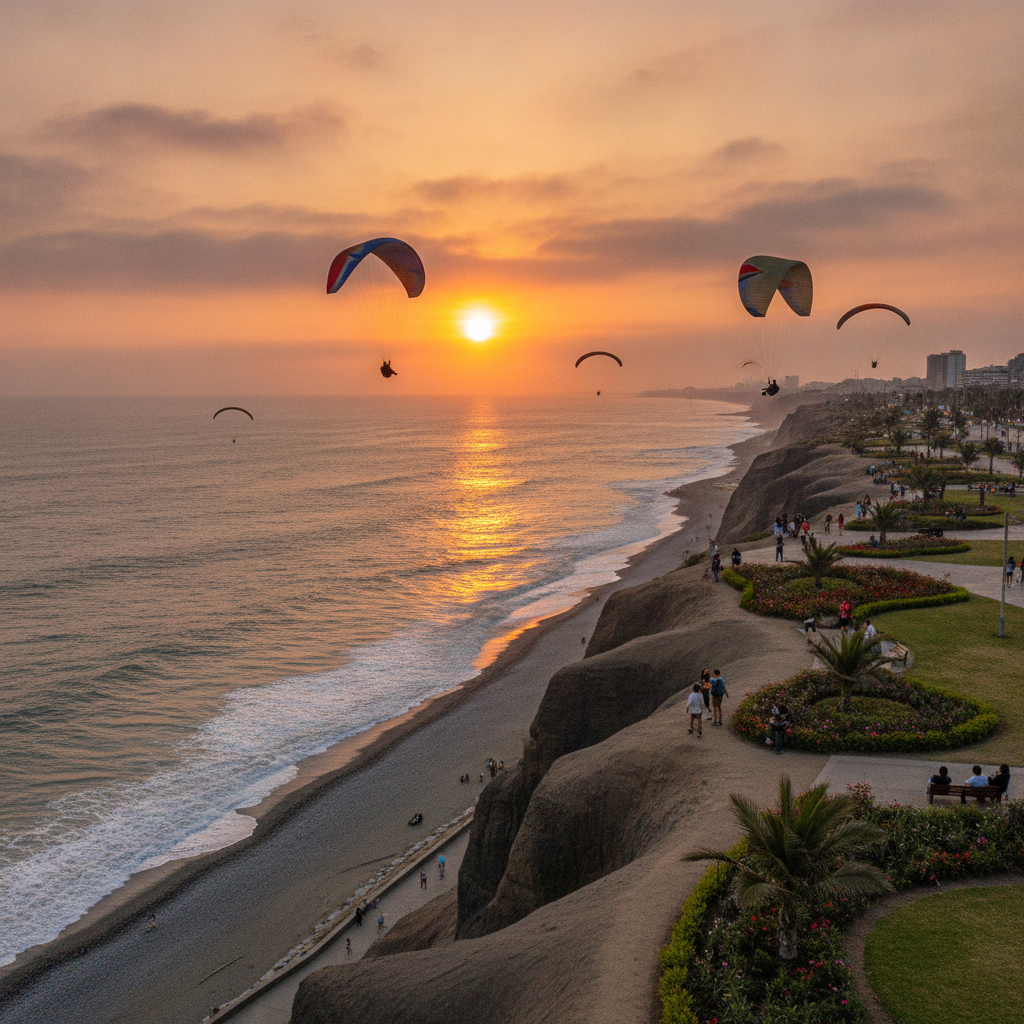
Lima has a serious surfing culture — the waves generated by the Humboldt Current at breaks like La Herradura, Makaha and La Isla are reliable and powerful; Lima has produced several world-class surfers; the cliff of Miraflores is one of the few places on earth where you can see quality surfing from the city center
- 3
Isla Palomino sea lion
Isla Palomino - a rocky island 10 km outside Lima - has a sea lion colony of about 8,000 animals; boat tours allow visitors to swim with the sea lions; the cold Humboldt water (14-17°C) requires a wetsuit but the experience of swimming with sea lions is extraordinary
- 4
Chorrillos Fishing District
Chorrillos — the fishing neighborhood south of Miraflores — maintains Lima's traditional fishing identity; Chorrillos Pier has sea lions resting on the rocks below; the fish market at dawn, the pelicans diving for the morning catch and the fishermen's boats returning from overnight trips create the most authentic Pacific coast experience in Lima
- 5
Callao and the port
Callao — Lima's port city — handles most of Peru's exports and imports; the Real Felipe fortress (the largest colonial fortress in South America), the Chucuito sea lion colony and the contemporary art scene of the Monumental Callao art district make Callao a complement to Lima's tourist quarter
- 6
Garúa — Fog of Lima
Lima is one of the great paradoxes of the world — a desert city on the Pacific coast with practically no rain but with fog (garúa) for 8 months of the year; the fog, caused by temperature inversion over the cold Humboldt, creates Lima's distinctive gray light; the summer months (December-March) bring sun and warmth; the rest of the year the city lives under gray skies
Walk this route with audio
Stories play automatically as you reach each stop — no tapping needed.
More in Lima
Lima's Coastal Walk: From Barranco to Miraflores
Barranco, Peñas & Lima's Bohemian Colonial District
Museo Larco: Peru's Greatest Pre-Columbian Collection
Machu Picchu, Cusco & Peru's Inca Heritage
San Isidro, the Olive Grove & Lima's Financial District