Miraflores, the Malecón & Lima's Pacific Clifftop
Lima (the capital of Peru — population approximately 10.9 million in the city and 11.5 million in the Lima metropolitan area, the largest city in Peru and the 5th largest city in South America): Miraflores (the most affluent and most visited district of Lima — the district of the Malecón (the clifftop promenade running along the 70-metre (230-foot) cliffs above the Pacific Ocean), the Larcomar (the clifftop shopping centre cut into the cliffs), and the best restaurants in Lima) is the gateway to Lima's extraordinary culinary scene and Pacific coast setting.
- 1
The Malecón de Miraflores — Lima's Pacific Promenade
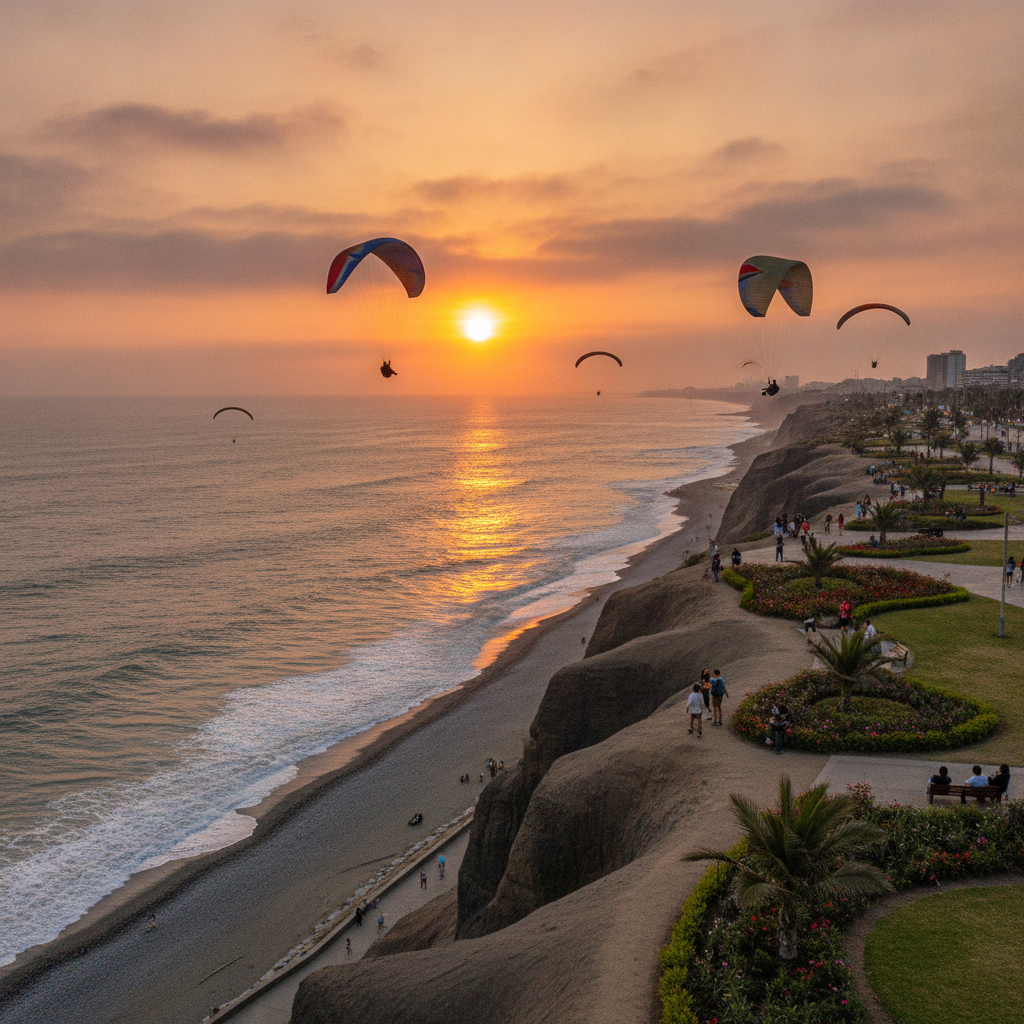
The Malecón de Miraflores (the series of clifftop parks and promenades that run along the edge of the Costa Verde cliffs in the Miraflores district of Lima — the 'Malecón' (the seafront promenade) that is the most popular outdoor public space in Lima): the clifftop parks (the series of small parks along the Malecón — the Parque Raimondi, the Parque Domodossola, the Parque María Reiche, and the Parque del Amor ('Park of Love' — the park at the corner of Avenida Diagonal and the Malecón, famous for the mosaic sculpture 'El Beso' ('The Kiss') by the Peruvian artist Victor Delfín, a ceramic tile mosaic sculpture in the style of Antoni Gaudí's Park Güell in Barcelona)): the Costa Verde (the 'Green Coast' — the stretch of Pacific Ocean coastline below the Miraflores cliffs, named for the vegetation that grows on the cliff faces — the beaches and surfing spots of the Costa Verde (the La Pampilla beach, the Makaha beach, and the Barranquito surfing spot), accessible by the winding road (the Circuito de Playas) that descends from the top of the cliffs to the beach level): the paragliding (the paragliding culture of the Miraflores Malecón — the paragliders who launch from the clifftop parks and ride the thermal updrafts off the Costa Verde cliffs, providing the most dramatic view of the Lima coastline (the view from the paraglider of the cliffs, the Pacific Ocean, and the Lima skyline to the east) — the paragliding experience that is the most exhilarating activity available to visitors in Lima).
- 2
Larcomar — Lima's Clifftop Shopping Centre
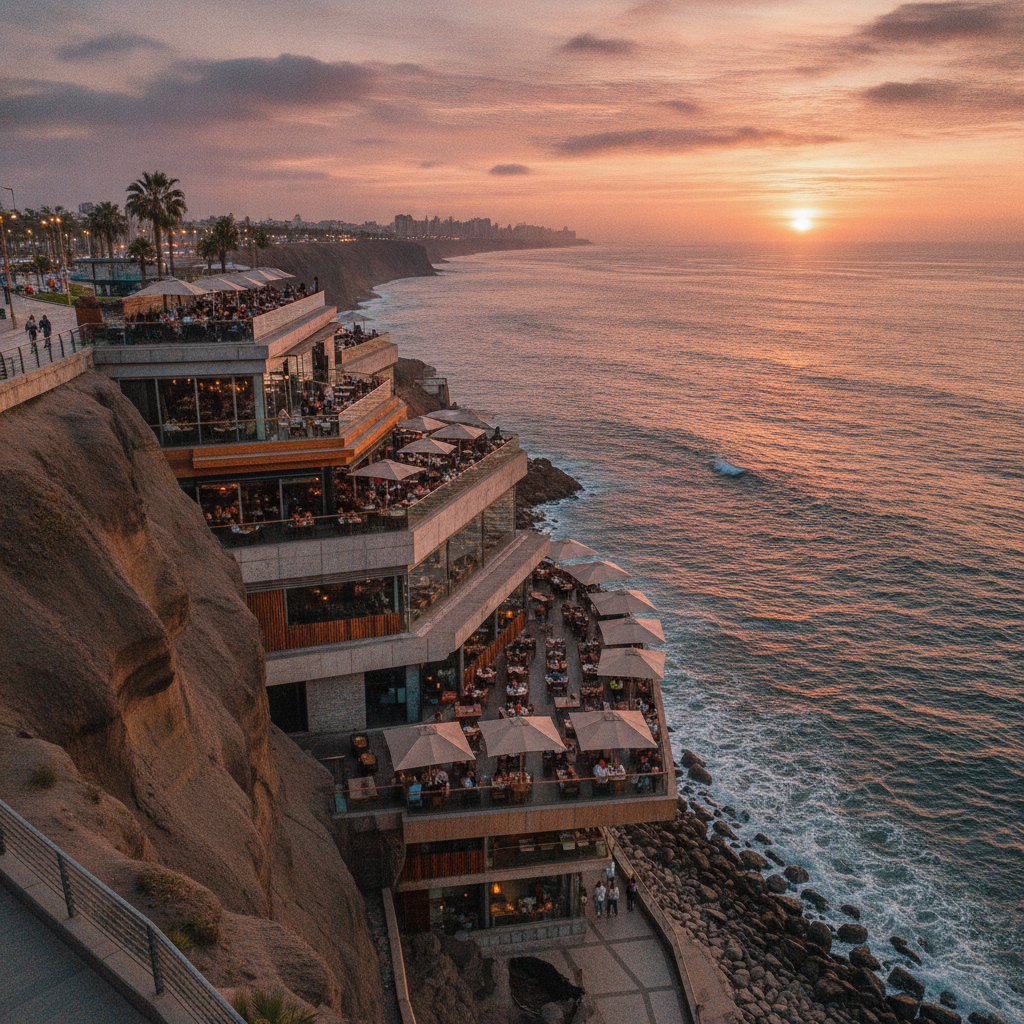
The Larcomar (Malecón de la Reserva 610, Miraflores — the shopping centre built into the cliffs of the Costa Verde, the most architecturally distinctive shopping centre in South America): the Larcomar design (the shopping centre constructed in 1997 by excavating into the Miraflores cliffs — the shopping centre that descends in terraced levels down the cliff face, with the Pacific Ocean view from every level): the Larcomar experience (the shopping centre that houses the restaurants with Pacific Ocean views (the sushi restaurants, the cevicherías, and the international restaurants that line the oceanfront terraces of Larcomar), the cinema multiplex, the bowling alley, and the shops that serve the affluent residents of Miraflores and the tourists of the district): the Parque Salazar (the clifftop park immediately above the Larcomar, with the view over the Larcomar terraces to the Pacific Ocean below — the park that is the primary sunset-watching spot for the residents of Miraflores).
- 3
Miraflores's Parks & Residential Character
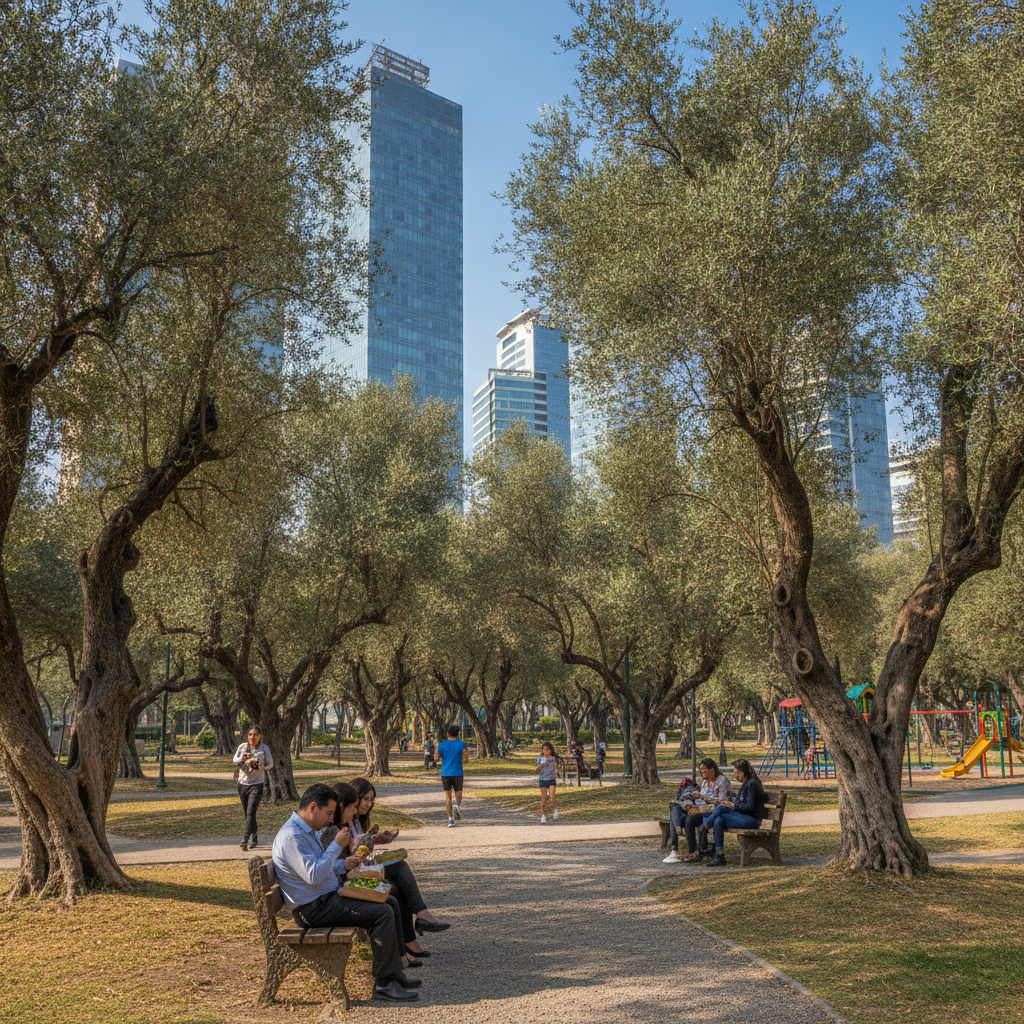
Miraflores (the district that is the most affluent and most liveable neighbourhood in Lima — the district of tree-lined residential streets, the parques de los barrios (the neighbourhood squares), the coffee shops, the restaurants, the boutiques, and the international businesses that make Miraflores the primary address for Lima's professional class and for foreign residents): the Parque Kennedy (the central park of Miraflores — the park at the corner of Avenida José Larco and Avenida Diagonal, the park named for President John F. Kennedy (who visited Lima in 1961) and known for the community of approximately 150 cats who live in the park (the 'Parque de los Gatos' — the 'Park of the Cats')): the Avenida José Larco (the main commercial street of Miraflores, running south from Parque Kennedy to the Malecón — the street lined with the international fast-food restaurants, the pharmacies, the exchange houses, and the hotels that serve the tourist population of Miraflores): the Óvalo Gutiérrez (the traffic circle at the intersection of Avenida José Pardo and Avenida Comandante Espinar — the de facto centre of the Miraflores restaurant and nightlife scene, with the bars, restaurants, and nightclubs that surround the traffic circle).
- 4
Barranco — Lima's Bohemian Neighbourhood
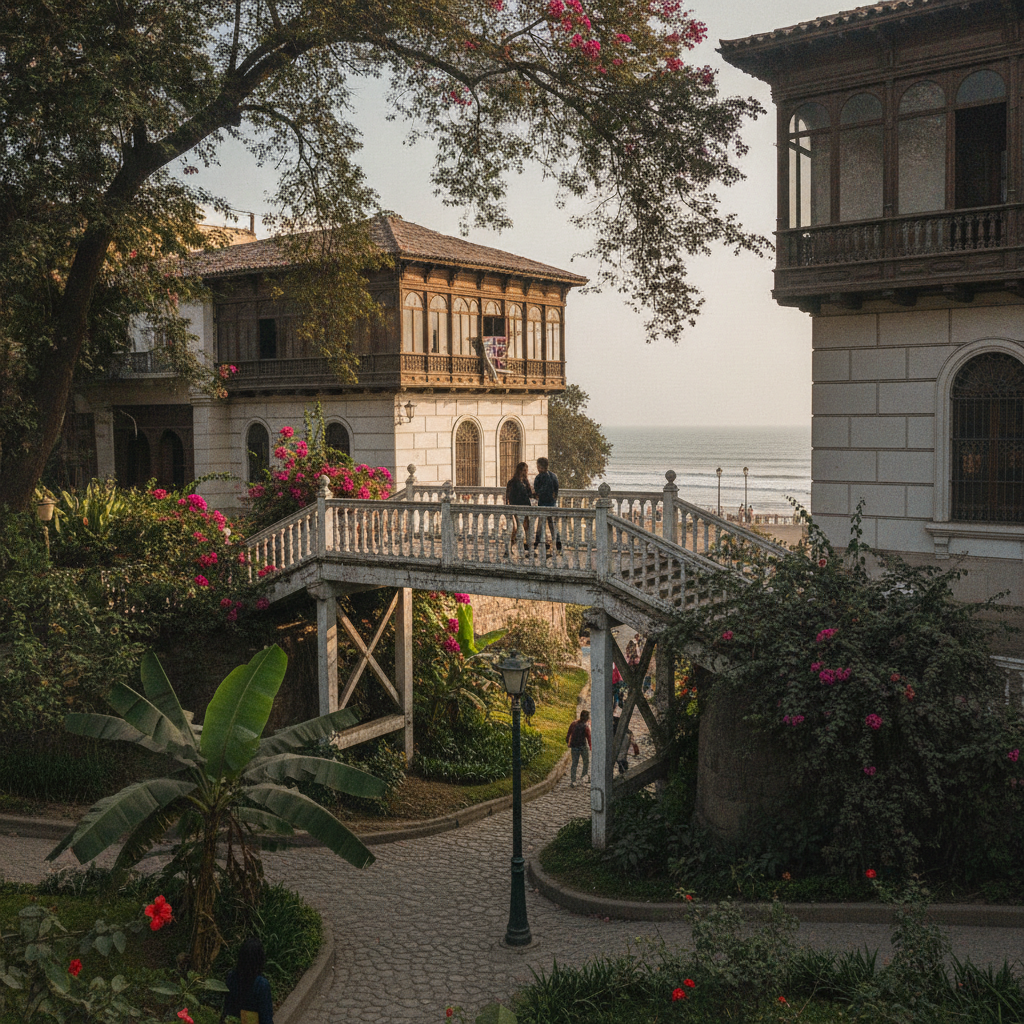
Barranco (the district immediately south of Miraflores along the Costa Verde cliffs — the most bohemian and most artistically vibrant district in Lima, the neighbourhood of the art galleries, the peñas (the traditional live music venues), the craft beer bars, the independent restaurants, and the colonial and republican-era architecture that makes Barranco the most beautiful neighbourhood in Lima): the Barranco character (the neighbourhood that was the most fashionable summer resort for the Lima elite in the late 19th and early 20th centuries (the beach town where the Lima aristocracy built their summer houses in the eclectic architectural styles of the Victorian and Edwardian periods), that declined in the mid-20th century, and that was revitalized as an arts and culture district from the 1980s onward): the Puente de los Suspiros (the 'Bridge of Sighs' — the wooden bridge at the top of the Bajada de Baños (the staircase path that descends from the centre of Barranco to the Costa Verde beach below), the bridge that is the most photographed location in Barranco and the most romantic spot in Lima (the tradition that if you cross the bridge while holding your breath and making a wish, the wish will be granted)): the Barranco art galleries (the Casa Óscar Ríos, the Galería Lucía de la Puente, and the dozens of independent art spaces that have made Barranco the centre of the contemporary art scene in Lima).
- 5
Lima's Pre-Columbian Heritage — Huacas in the City
Lima's pre-Columbian heritage (the extraordinary concentration of pre-Inca and Inca archaeological sites within the urban area of Lima — the huacas (the 'sacred places' — the word 'huaca' (from Quechua 'waka') referring to any sacred object or place in Andean cosmology, commonly used to refer to the pre-Columbian adobe pyramid temples of the Lima culture and other coastal Peruvian cultures)): the Huaca Pucllana (Calle General Borgoño s/n, Miraflores — the adobe pyramid of the Lima culture, built between approximately 400 CE and 700 CE, located in the middle of the Miraflores residential district — one of the most surreal archaeological sites in the world, a 22-metre (72-foot) tall adobe pyramid surrounded by the apartment buildings and restaurants of modern Miraflores): the Huaca Pucllana restaurant (the restaurant at the base of the Huaca Pucllana — the most atmospheric restaurant in Lima, where diners eat Peruvian cuisine at tables set in the garden at the foot of the illuminated pre-Inca pyramid): the Huaca Huallamarca (Avenida Nicolás de Piérola 201, San Isidro — another adobe pyramid of the Lima culture, in the San Isidro financial district): the Pachacámac (the major pre-Inca and Inca ceremonial centre 31 km (19 miles) south of Lima, at the mouth of the Lurín Valley — the most important pilgrimage site on the Pacific coast of South America for over 1,000 years before the Spanish conquest).
- 6
Circuito Mágico del Agua & Lima's Public Spaces
The Circuito Mágico del Agua (the 'Magical Water Circuit' — the fountain park in the Parque de la Reserva, off the Avenida Arequipa in the Jesús María district of Lima — the Guinness World Record holder for the largest fountain complex in the world, with 13 fountains in a 7-hectare (17-acre) park): the fountain circuit (the 13 fountains of the Circuito Mágico del Agua, lit up each evening from 7 PM to 10:30 PM: the Fuente de la Fantasía (the 'Fantasy Fountain' — the largest fountain, 120 metres (394 feet) long and 70 metres (230 feet) wide, with the water shooting to heights of 80 metres (262 feet)), the Túnel Mágico (the 'Magic Tunnel' — the water curtain tunnel through which visitors walk without getting wet, an optical illusion created by the precisely timed water jets), and the 11 other fountains with LED light shows, water curtain projections, and laser shows): the Parque de la Reserva (the historic park in which the Circuito Mágico del Agua is located — the park built in 1929 by the architect Manuel Piqueras Cotolí for the centennial of the Battle of Ayacucho (the decisive battle of the Wars of Peruvian Independence, fought December 9, 1824 at the Battle of Ayacucho)).
Walk this route with audio
Stories play automatically as you reach each stop — no tapping needed.
More in lima
Lima's Coastal Walk: From Barranco to Miraflores
Barranco, Peñas & Lima's Bohemian Colonial District
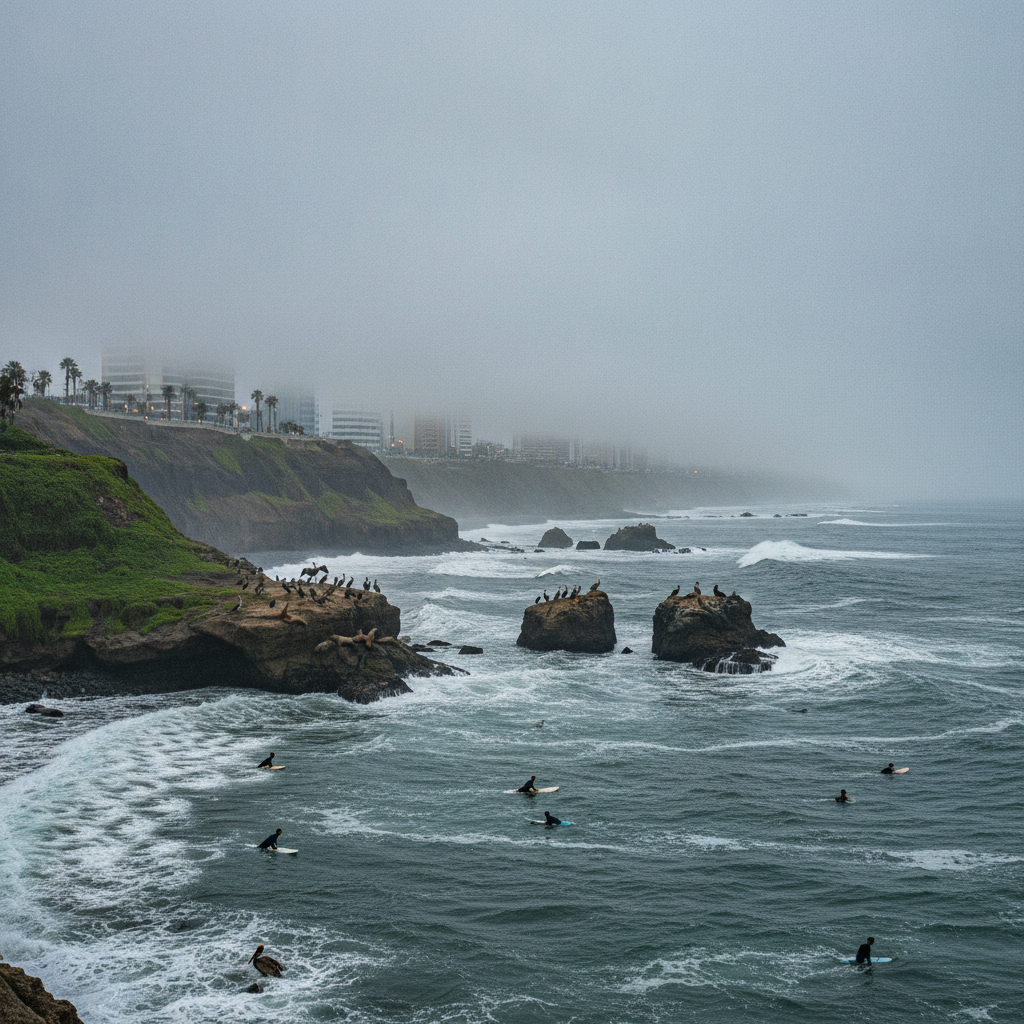
Lima's Pacific Coast: Surfing and Sea Lions
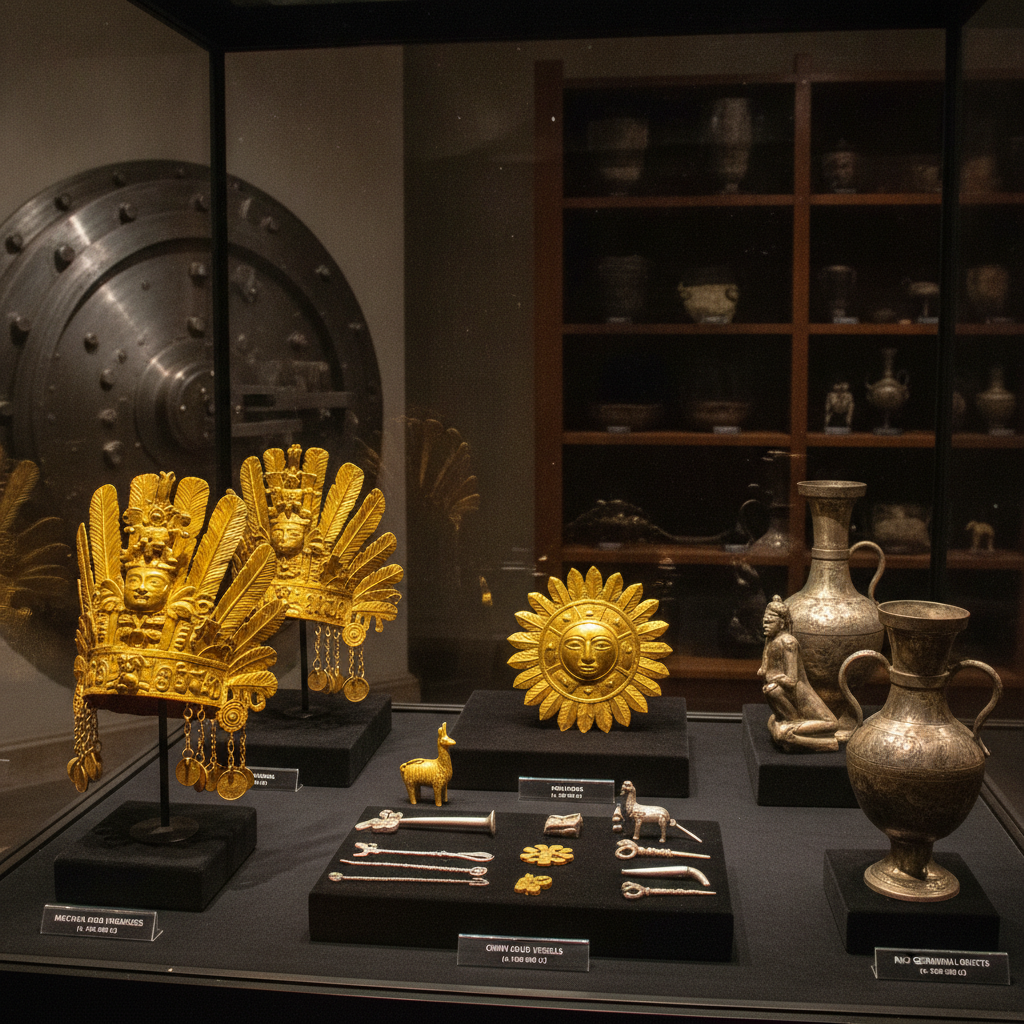
Museo Larco: Peru's Greatest Pre-Columbian Collection
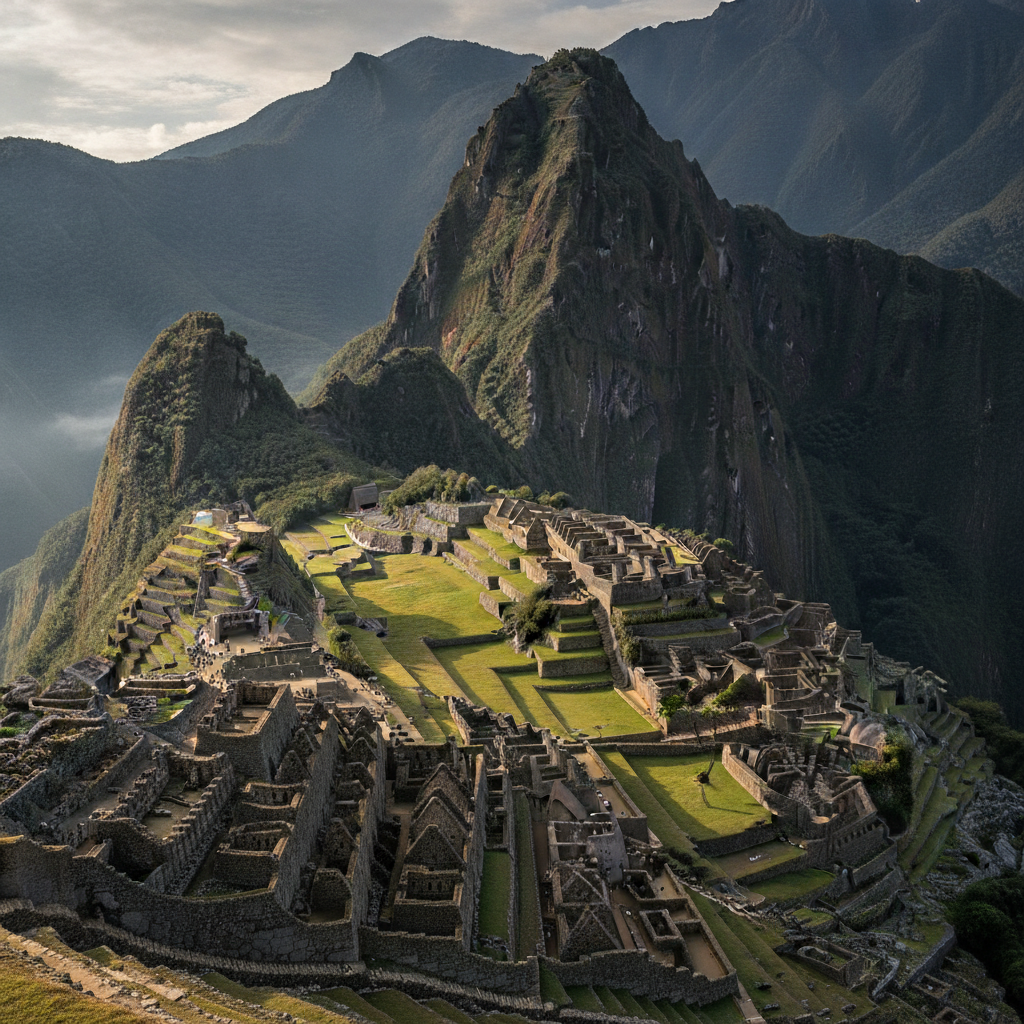
Machu Picchu, Cusco & Peru's Inca Heritage