Johannesburg Legacy: Wits University, Museum Africa, Rosebank, Kruger National Park, Drakensberg, and the Complete Reference
Johannesburg final routes: Wits University Nobel laureates, Museum Africa and the Market Theatre, Rosebank Arts Market, the Joburg creative economy, Kruger National Park day trips, the uKhahlamba-Drakensberg UNESCO park and San rock art, and the six-route complete South Africa planning legacy.
- 1
University of the Witwatersrand - South Africa Most Significant Research University
The University of the Witwatersrand (Wits University): the most prestigious research university in South Africa and one of the most significant in Africa. Founded in 1922. Nobel laureates from Wits: Aaron Klug (Chemistry 1982), Nelson Mandela (Peace 1993), Nadine Gordimer (Literature 1991), and Sydney Brenner (Medicine 2002). The Wits Evolutionary Studies Institute (the primary research center for hominid fossils from the Cradle of Humankind): Lee Berger (the Wits paleoanthropologist who discovered Australopithecus sediba (2008) and Homo naledi (2013)). Wits was one of the few South African universities to accept students of all races during apartheid and the Wits Students Representative Council was among the most active anti-apartheid student organizations.
- 2
Museum Africa and the Newtown Cultural Precinct
Museum Africa: the largest museum in Johannesburg dedicated to South African history and culture, located in the former Newtown market building (1913) in the Newtown Cultural Precinct. The collections include ethnographic material from across South Africa, historical photographs of Johannesburg, apartheid-era documents, and exhibitions on San rock art. The Market Theatre (in Newtown): the most historically significant theater in South Africa (opened 1976): the Market Theatre mounted productions challenging apartheid throughout the 1970s-1990s, one of the primary cultural resistance institutions. The Origins Centre (at Wits University): museum dedicated to the origins of art and modern human behavior, with a collection focused on San (Bushmen) rock art, the most significant rock art tradition in Africa.
- 3
Rosebank Arts Market and the Joburg Creative Economy
The Rosebank Arts and Crafts Market (the Rooftop Market at Rosebank Mall): held every Sunday, the most popular weekend market in Johannesburg. The market sells South African handicrafts, jewelry, artwork, vintage clothing, and street food. Rosebank: the upscale commercial and residential neighborhood between Sandton and the CBD. The Joburg creative economy: fashion design (the SA Fashion Week is held in Joburg), advertising (Joburg is the primary African hub for international advertising agencies), film and TV production (the primary center for South African TV and film), and the tech sector (the Silicon Wits area around the Wits campus).
- 4
Kruger National Park - The Flagship South African Wildlife Reserve from Joburg
Kruger National Park: the flagship South African national park and one of the most famous game reserves in the world, approximately 500 km northeast of Johannesburg (approximately 5-6 hours by road, or 1 hour by flight to Hoedspruit or Kruger Mpumalanga International Airport). The park covers approximately 19,500 square kilometers. The Big Five are all easily seen. The self-drive safari experience (the network of paved roads allows game viewing in a rental vehicle, one of the best wildlife experiences in Africa for independent travelers). The Blyde River Canyon (approximately 370 km northeast of Joburg: one of the largest canyon systems in the world and the largest green canyon on earth).
- 5
The Drakensberg Mountains - San Rock Art and the Royal Natal National Park
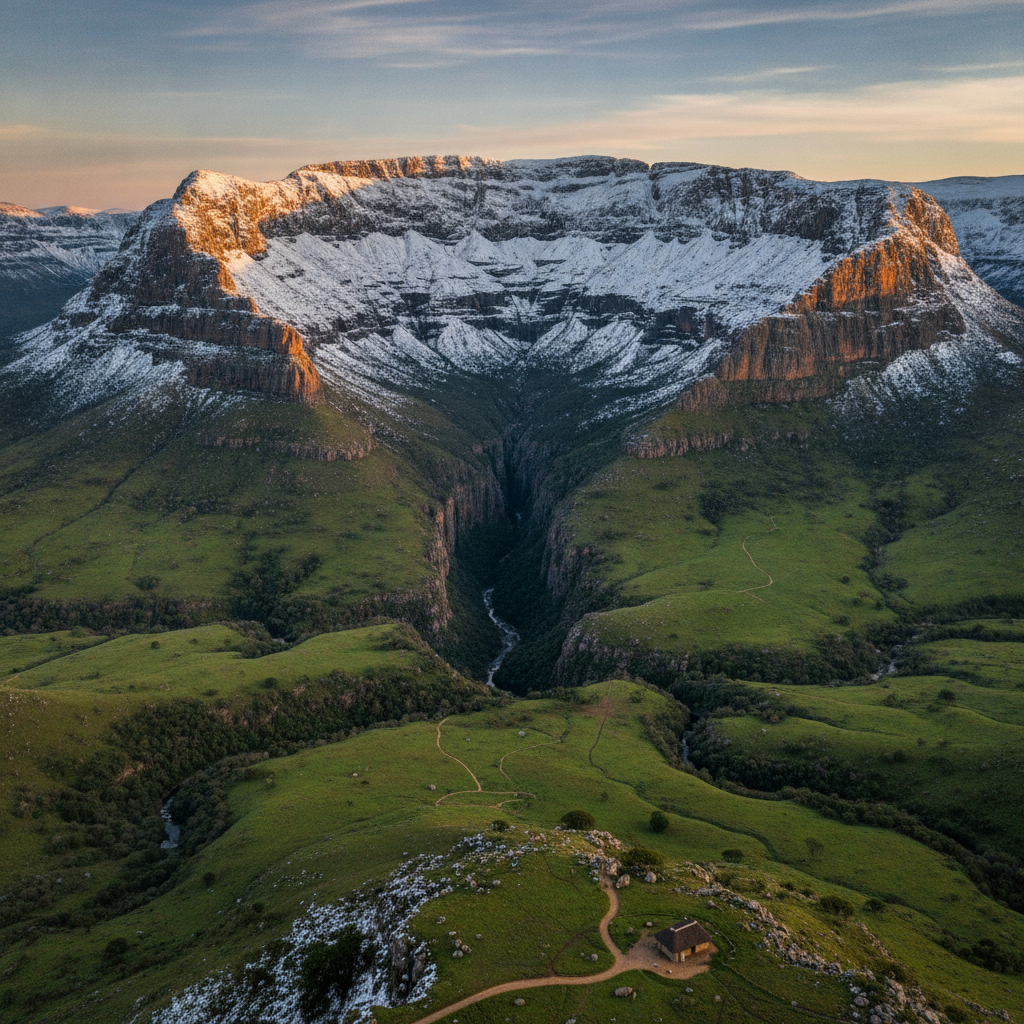
The uKhahlamba-Drakensberg Park (UNESCO World Heritage Site): approximately 300 km southeast of Johannesburg, the highest mountain range in South Africa (Thabana Ntlenyana at 3,482m). The San rock art: the most significant concentration of San rock art in the world, approximately 600 sites and 35,000 individual paintings in the Drakensberg park. The Drakensberg hiking (the Royal Natal National Park: the Amphitheatre (the massive basalt cliff face forming the head of the Tugela River): one of the most dramatic geological formations in South Africa). The KwaZulu-Natal midlands (the rolling green hills between Joburg and the Drakensberg: the Midlands Meander arts and crafts route).
- 6
Johannesburg Six-Route Ultimate Legacy - The Complete South Africa Planning Reference
Johannesburg six routes ultimate complete summary. Route 1: City of Gold (1886 gold rush), Apartheid Museum, Soweto (1976 uprising, Hector Pieterson Museum, Vilakazi Street), Nelson Mandela legacy, Maboneng arts precinct, practical guide (Gautrain, Uber, climate). Route 2: Witwatersrand gold mines, the Cradle of Humankind UNESCO (Mrs Ples, Little Foot, Sterkfontein), Pretoria Union Buildings and Voortrekker Monument, migrant labor system. Route 3: Sandton (richest square mile in Africa, JSE, 5-star hotels), the South African braai, Parkhurst and Melville neighborhoods, Pilanesberg Big Five day trip, Soweto contemporary culture, Joburg inequality and Rainbow Nation. Route 4: Constitution Hill and the Constitutional Court, amapiano (the global music movement from Joburg townships), South African jazz (Ibrahim, Masekela, Sophiatown), Cape Malay cuisine, Bunny Chow, inequality story. Route 5: Wits University Nobel laureates, Museum Africa in Newtown, Market Theatre heritage, Rosebank Arts Market, Kruger National Park, the Drakensberg rock art. Route 6 (this route): final legacy. South Africa final: population approximately 60 million, 11 official languages, GDP approximately USD 400 billion (second-largest in Africa), OR Tambo International Airport (JNB) is the busiest in Africa. Best time to visit Joburg: May-September (dry, warm days, cold nights, clear skies). Johannesburg is the essential starting point for any serious South Africa itinerary.
Walk this route with audio
Stories play automatically as you reach each stop — no tapping needed.
More in johannesburg
Johannesburg Lifestyle: Sandton, the South African Braai, Parkhurst, Pilanesberg Safari, and Joburg vs Cape Town
Johannesburg: The 1886 Gold Rush, the Witwatersrand Mines, and the Cradle of Humankind
Johannesburg Democracy and Culture: Constitution Hill, Amapiano, South African Jazz, Cape Malay Food, and Inequality
Johannesburg: City of Gold, the Apartheid Museum, Soweto, Nelson Mandela, and the Art Scene