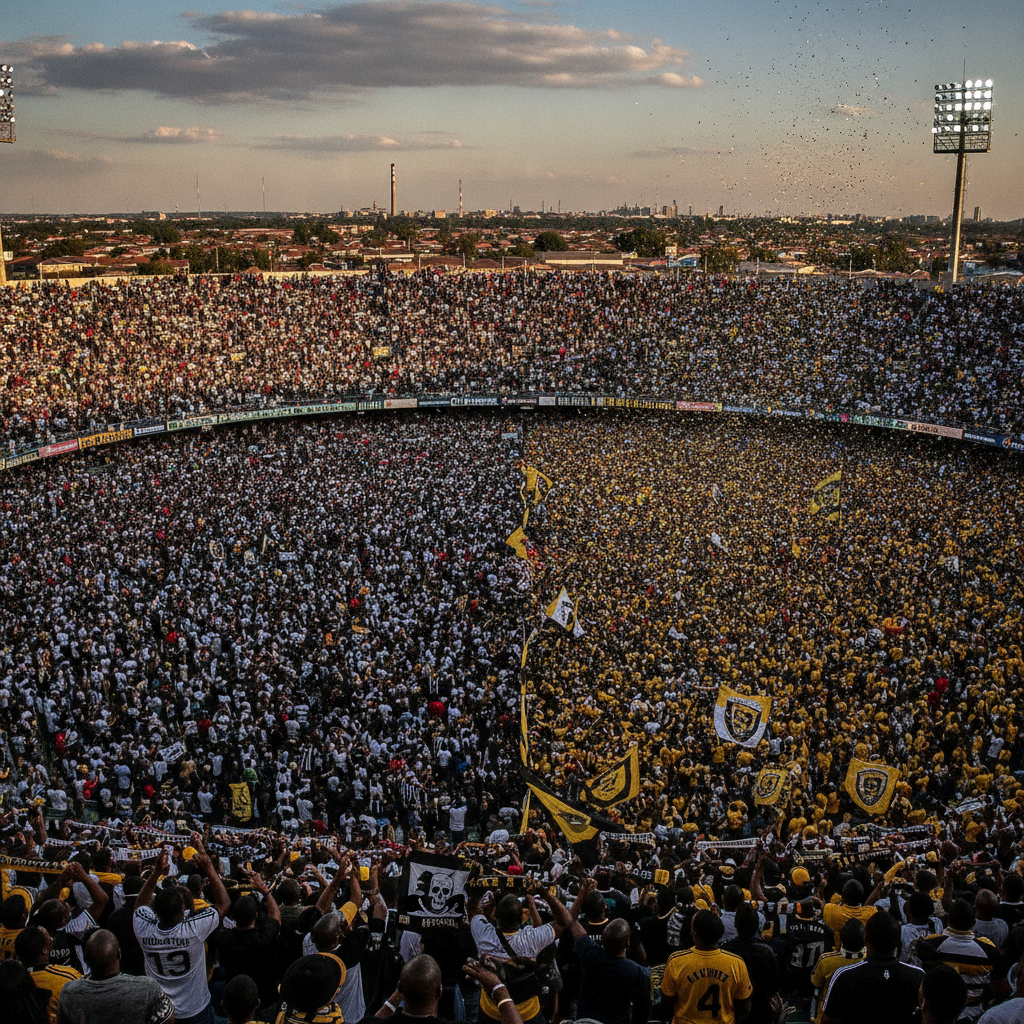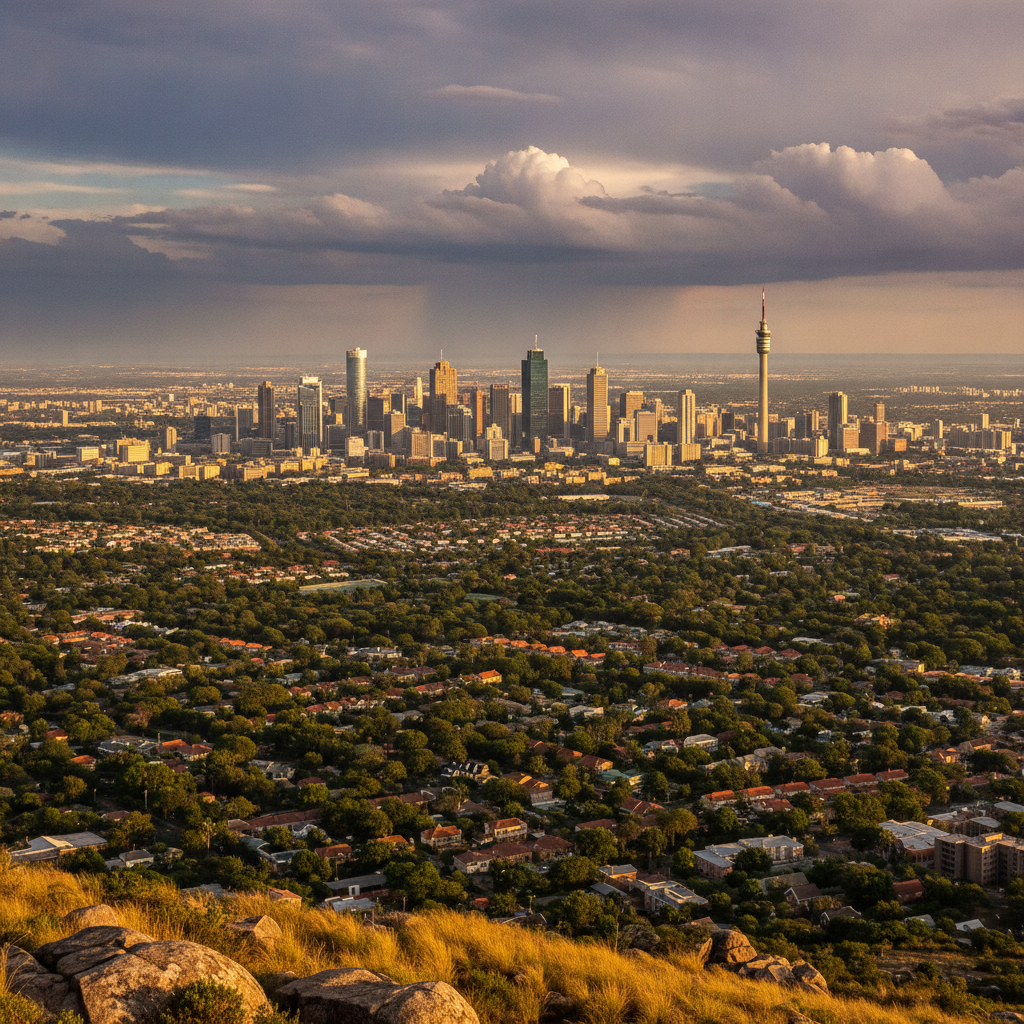
Johannesburg: City of Gold, the Apartheid Museum, Soweto, Nelson Mandela, and the Art Scene
Johannesburg city guide: the City of Gold founded 1886, the Apartheid Museum (the most important museum in South Africa), Soweto and the 1976 uprising, Nelson Mandela life and legacy, the Johannesburg contemporary art scene and Maboneng, and the complete visitor practical reference.
- 1
Johannesburg - The City of Gold, the Largest City in South Africa
Johannesburg (Joburg, Jozi, the City of Gold, eGoli in Zulu): the largest city in South Africa, the economic capital of the continent, and one of the most complex and fascinating cities in Africa. Founded in 1886 following the discovery of gold on the Witwatersrand, Johannesburg grew from nothing to a major city in less than a decade. Population approximately 6 million in the metro area (Greater Johannesburg or the Gauteng city region is home to approximately 15-16 million people making it the largest urban agglomeration in Africa south of the equator). The geography: Johannesburg is located on the Highveld plateau at approximately 1,750 meters altitude: the city is characterized by its spreading suburban landscape, its economic vitality, and its complex racial and social history as the primary site of apartheid-era urban segregation. The city identity (Johannesburg is simultaneously one of the most economically powerful and one of the most unequal cities in the world: the inequality (Johannesburg has one of the highest Gini coefficients of any major city in the world): the energy (Joburg is relentlessly entrepreneurial, creative, and forward-looking: the creative industries, the art galleries, the restaurant scene, the music scene, and the fashion industry make Johannesburg the cultural capital of sub-Saharan Africa).
- 2
Apartheid Museum - The Most Important Museum in South Africa
The Apartheid Museum: the most important museum in South Africa and one of the most powerful museum experiences in the world. The museum (the Apartheid Museum: opened in 2001: located in Ormonde, south of the Johannesburg CBD: the museum documents the history of apartheid (the systematic racial segregation and discrimination enforced by the South African government from 1948 to 1994)). The apartheid system (apartheid (Afrikaans for separateness): the system of racial classification and separation enforced by the National Party government from 1948 (when the National Party came to power) until 1994 (the first democratic elections): the key elements of apartheid (the Population Registration Act (1950): the classification of all South Africans into racial groups (White, Coloured, Indian, and Black): the Group Areas Act (1950): the forced removal of non-white residents from areas designated for white settlement: the pass laws: the requirement that Black South Africans carry an internal passport (the pass or dompas) to control their movement and residence): the Bantustans (the nominally autonomous homelands created by the apartheid government to denationalize Black South Africans)). The museum entrance (each visitor is randomly assigned a race classification (White or Non-White) at the museum entrance and enters through a separate door: the experience immediately illustrates the dehumanizing nature of racial classification).
- 3
Soweto - The Township That Changed History
Soweto (South Western Townships): the sprawling township complex southwest of Johannesburg, the most famous township in South Africa and the symbolic home of the anti-apartheid struggle. The history (Soweto was established by the Johannesburg City Council in the 1930s-1950s to house the Black workforce of Johannesburg: the apartheid-era forced removals expanded Soweto dramatically: by the 1970s Soweto had a population of approximately 1 million people in conditions of extreme poverty and overcrowding). The Soweto Uprising (the Soweto Uprising of 16 June 1976: the student uprising against the apartheid government policy of teaching in Afrikaans (the language of the white minority government) rather than in English or African languages: the uprising began at the Morris Isaacson High School and the Orlando West High School: the students marched in protest: the police opened fire on the marching students, killing an estimated 176-700 students: the image of Hector Pieterson (the 12-year-old shot and killed in the uprising, photographed by Sam Nzima being carried by a student while his sister ran alongside) became the most iconic image of the anti-apartheid struggle). The Hector Pieterson Museum (the museum in Soweto commemorating the Soweto Uprising). The Vilakazi Street (the only street in the world to have been home to two Nobel Peace Prize laureates: Nelson Mandela (born 1918, Nobel Prize 1993) and Archbishop Desmond Tutu (1931-2021, Nobel Prize 1984) both lived on Vilakazi Street in Orlando West, Soweto).
- 4
Nelson Mandela - The Life and Legacy of South Africa Greatest Son
Nelson Rolihlahla Mandela (1918-2013): the most significant African political figure of the 20th century, the first democratically elected President of South Africa (1994-1999), and the global symbol of the struggle against racial injustice. Mandela biography: born in Mvezo in the Transkei (Eastern Cape) in 1918: of the Xhosa Thembu royal lineage: educated at Fort Hare University (the primary university for Black South Africans during the colonial era): moved to Johannesburg (1941): law practice in Johannesburg with Oliver Tambo: joined the African National Congress (ANC) in 1942: founded the ANC Youth League in 1944 with Oliver Tambo and Walter Sisulu: formed Umkhonto we Sizwe (the armed wing of the ANC) in 1961. The imprisonment: Mandela was arrested in 1962 and sentenced to life imprisonment at the Rivonia Trial in 1964: he was imprisoned on Robben Island (near Cape Town) from 1964 to 1982, then at Pollsmoor Prison, then at Victor Verster Prison: 27 years in total. The release (Mandela was released unconditionally on 11 February 1990 by President F.W. de Klerk: his release was broadcast live to approximately 1 billion television viewers worldwide). The Nobel Peace Prize (Nelson Mandela and F.W. de Klerk jointly received the Nobel Peace Prize in 1993). The Mandela House (the Nelson Mandela National Museum: the house at 8115 Vilakazi Street, Orlando West, Soweto where Mandela lived from 1946 until his imprisonment in 1962 and briefly after his release in 1990: now a museum).
- 5
Johannesburg Art Scene - Maboneng, Galleries, and the Creative Economy
The Johannesburg contemporary art scene: the most significant in sub-Saharan Africa. The Maboneng Precinct (the Maboneng arts district in the Johannesburg CBD (the name Maboneng means place of light in Sotho): the development of the Maboneng Precinct transformed a formerly derelict area of the CBD into the primary arts, creative industries, and urban lifestyle district of Johannesburg: the arts galleries, the coffee shops, the artisan markets (the Arts on Main market on weekends), the Bioscope cinema, and the creative studios of Maboneng). The Johannesburg Art Gallery (JAG): the public art museum in Joubert Park (CBD): the collection includes historical European art, South African art from the colonial era to the present, and a significant collection of African art: the JAG is the largest art museum in sub-Saharan Africa by collection size). The Norval Foundation (the private contemporary art museum in Constantia, Cape Town, but with significant Joburg connections). The Joburg art galleries (the Everard Read Gallery, the Goodman Gallery, the blank_projects, and the multiple commercial galleries in Rosebank and the Waterfall area). The South African art market (Johannesburg is the primary market for South African and African contemporary art: the Strauss and Co auction house (the primary South African art auction house) and the Bonhams South Africa operation both conduct major auctions in Johannesburg).
- 6
Johannesburg Practical Guide - Safety, Transport, Neighborhoods, and the Joburg Reference
The Johannesburg practical guide for visitors. The neighborhoods: Sandton (the upscale commercial and shopping district north of the CBD: the Sandton City mall, the Nelson Mandela Square, the primary 5-star hotels), the CBD and Maboneng (the arts district), Rosebank (the upscale retail and restaurant area between the CBD and Sandton), Melville (the bohemian neighborhood with restaurants and bars), Parkhurst (the upscale neighborhood with pavement cafes). The safety (Johannesburg safety: the city has a significant crime problem including robbery, carjacking, and mugging in some areas: the upscale northern suburbs (Sandton, Rosebank, Parkhurst, Melville) are significantly safer than the CBD: general precautions (do not walk in areas you do not know: use Uber rather than street taxis: do not display valuables: research your specific areas before visiting)). Transport (the Gautrain: the rapid rail service connecting the Johannesburg CBD (Park Station), Sandton, Rosebank, and O.R. Tambo International Airport (the 15-minute Gautrain from the airport to Sandton station is the most convenient airport transfer): the Rea Vaya BRT Bus: the Uber app (the most practical transport for visitors)). The climate (Joburg climate: warm and sunny for most of the year: summer (November-February) is hot with afternoon thunderstorms: winter (May-August) is dry and cold (frost possible at night, warm daytime): the dry season (winter) is the most comfortable visiting period).
Walk this route with audio
Stories play automatically as you reach each stop — no tapping needed.
More in johannesburg
Johannesburg Lifestyle: Sandton, the South African Braai, Parkhurst, Pilanesberg Safari, and Joburg vs Cape Town
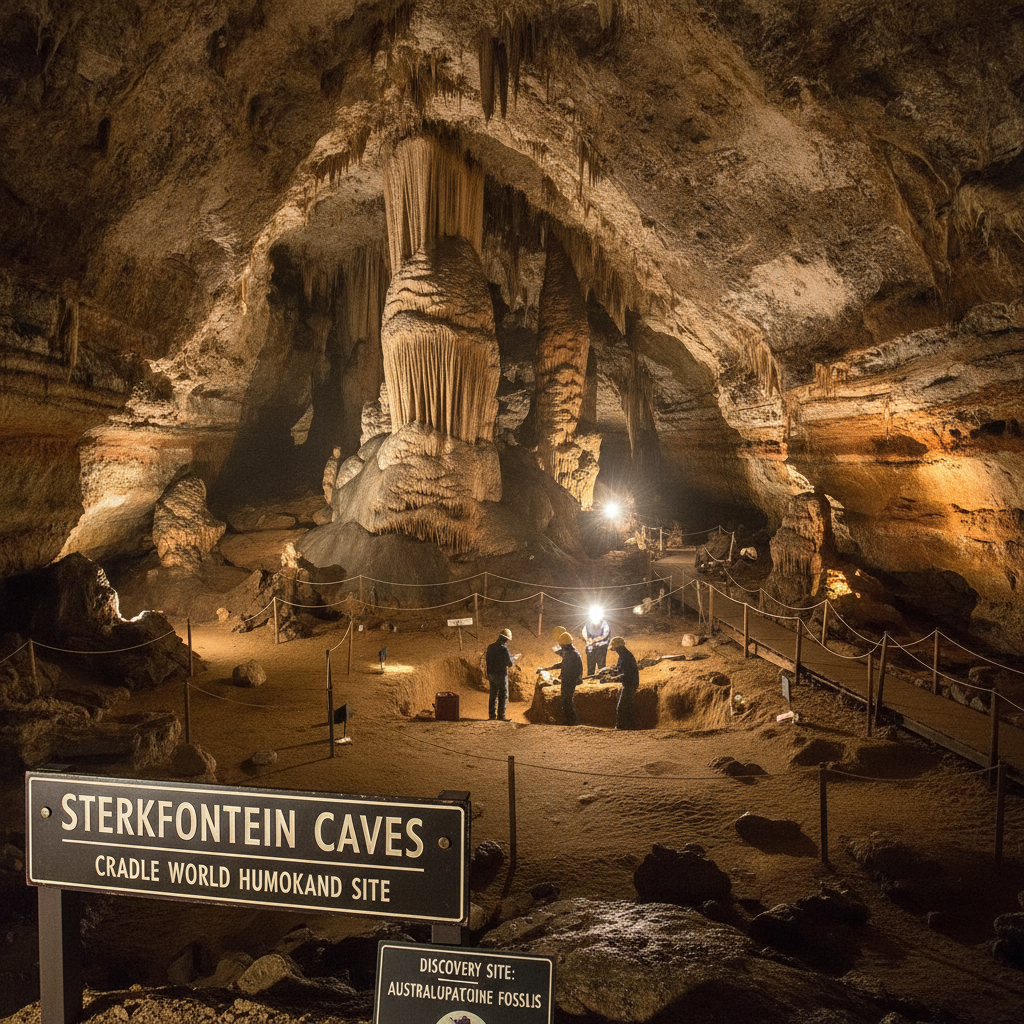
Johannesburg: The 1886 Gold Rush, the Witwatersrand Mines, and the Cradle of Humankind
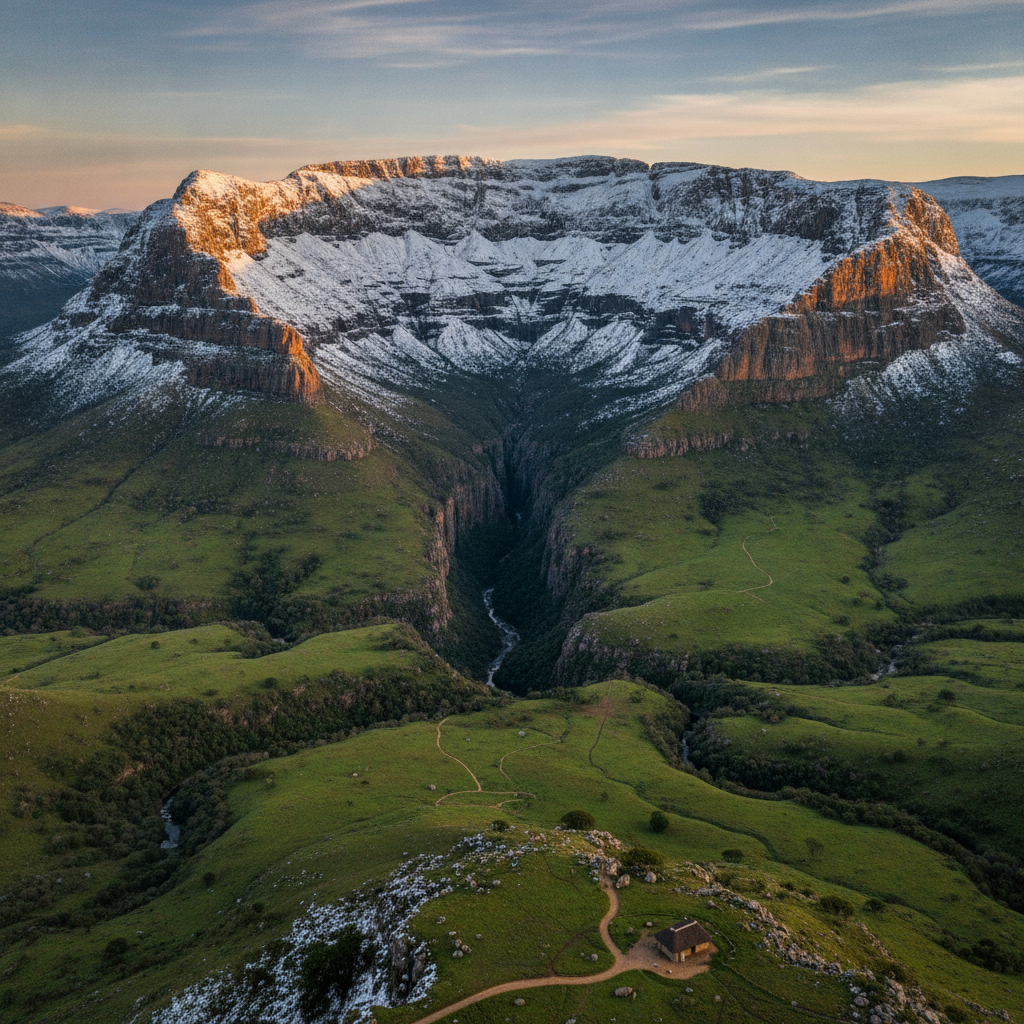
Johannesburg Legacy: Wits University, Museum Africa, Rosebank, Kruger National Park, Drakensberg, and the Complete Reference
Johannesburg Democracy and Culture: Constitution Hill, Amapiano, South African Jazz, Cape Malay Food, and Inequality