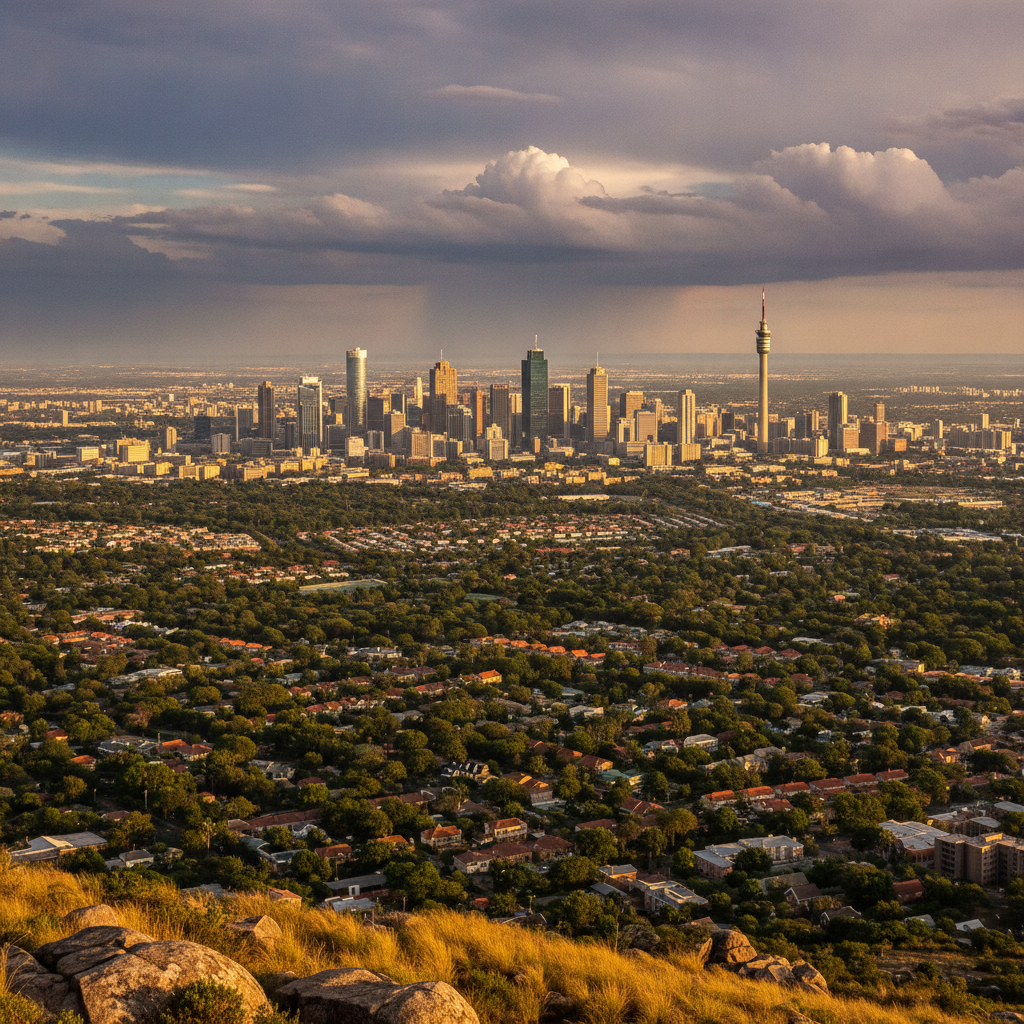
Johannesburg Final Legacy: Gordimer Literature, Street Art, Kwaito Music, Football, and the Complete South Africa Reference
Johannesburg closing routes: Nadine Gordimer and South African literature, the street art of Maboneng and Braamfontein, kwaito music and the post-apartheid sound, the Joburg Zoo and day life, the Soweto Derby and the 2010 FIFA World Cup, and the six-route ultimate Johannesburg final legacy.
- 1
Nadine Gordimer and South African Literature - The Nobel Prize and the Joburg Writers
South African literature: one of the most significant bodies of English-language literature in Africa. Nadine Gordimer (1923-2014): born in Springs near Johannesburg: the Nobel Prize in Literature (1991): her novels explored the moral and psychological consequences of apartheid (July People (1981), Burger Daughter (1979), The Conservationist (1974)): she was a committed anti-apartheid activist and a member of the African National Congress. J.M. Coetzee (born 1940 in Cape Town): the South African novelist who won the Nobel Prize in Literature (2003): Disgrace (1999) and Waiting for the Barbarians (1980) are his most celebrated novels: Coetzee emigrated to Australia in 2002. Zakes Mda (born 1948): the Lesotho-born South African novelist (Ways of Dying, The Heart of Redness). The Drum Magazine writers (Can Themba, Es Kia Mphahlele, Nat Nakasa): the Black writers of the Sophiatown era who wrote for the Drum Magazine in the 1950s, producing some of the most significant journalism and short fiction in South African literary history.
- 2
Johannesburg Street Art and the Walls of Maboneng
The Johannesburg street art scene: the most significant in South Africa and one of the most significant in Africa. The walls of Maboneng (the Maboneng Arts on Main precinct): large-scale murals by South African and international artists have transformed the walls of the Joburg CBD fringe into an outdoor gallery. The Braamfontein street art (the Juta Street area of Braamfontein: the primary concentration of street art in Johannesburg: the walls are repainted with new murals annually). The Yeoville area (the former multiracial middle-class neighborhood east of the CBD: now a dense, economically mixed area with significant West African and Central African immigrant communities: the Yeoville street market and the diverse community make it one of the most cosmopolitan areas in Joburg). The Joburg murals by the artist Does (the Rotterdam-based muralist who has created some of the most celebrated large-scale street art works in Johannesburg).
- 3
Kwaito and the Sound of Post-Apartheid South Africa
Kwaito: the South African township music genre of the 1990s-2000s, the dominant popular music of post-apartheid South Africa. Kwaito (the word comes from the Afrikaans word kwaai, meaning angry or cool): emerged from the Soweto and Alexandra townships in approximately 1990-1994: the music blends house music, bubblegum, and African rhythms with South African township slang (isicamtho): the tempo is significantly slower than house music (approximately 110-120 BPM), giving it a distinctive laid-back feel. Primary kwaito artists: TKZee (one of the most commercially successful kwaito groups: their song Shibobo (1997) was the official song of the Bafana Bafana (South Africa national football team) at the 1998 FIFA World Cup), Mandoza, Arthur Mafokate, Brenda Fassie (the Queen of African Pop: one of the greatest pop performers in South African history). Kwaito was the soundtrack of the transition from apartheid to democracy and captured the spirit of post-apartheid youth liberation.
- 4
The Johannesburg Zoo and Joburg Day Life
The Johannesburg Zoo: the largest zoo in South Africa, located in the Parkview neighborhood north of the CBD. The zoo houses approximately 320 animal species including the only polar bears in Africa (a curiosity that reflects the zoo colonial-era acquisition policies). The zoo is set in a large, well-maintained garden that makes it a pleasant recreational space. The Joburg Botanical Garden (the Johannesburg Botanical Garden in Emmarentia: the primary public garden in Johannesburg: the rose garden and the herb garden are the most significant sections: the Emmarentia Dam adjacent to the botanical garden). The Zoo Lake (the public park around the Zoo Lake in Parkview: one of the most pleasant public open spaces in Johannesburg: the Sunday art market at Zoo Lake).
- 5
Football in Johannesburg - The Soweto Derby and Bafana Bafana
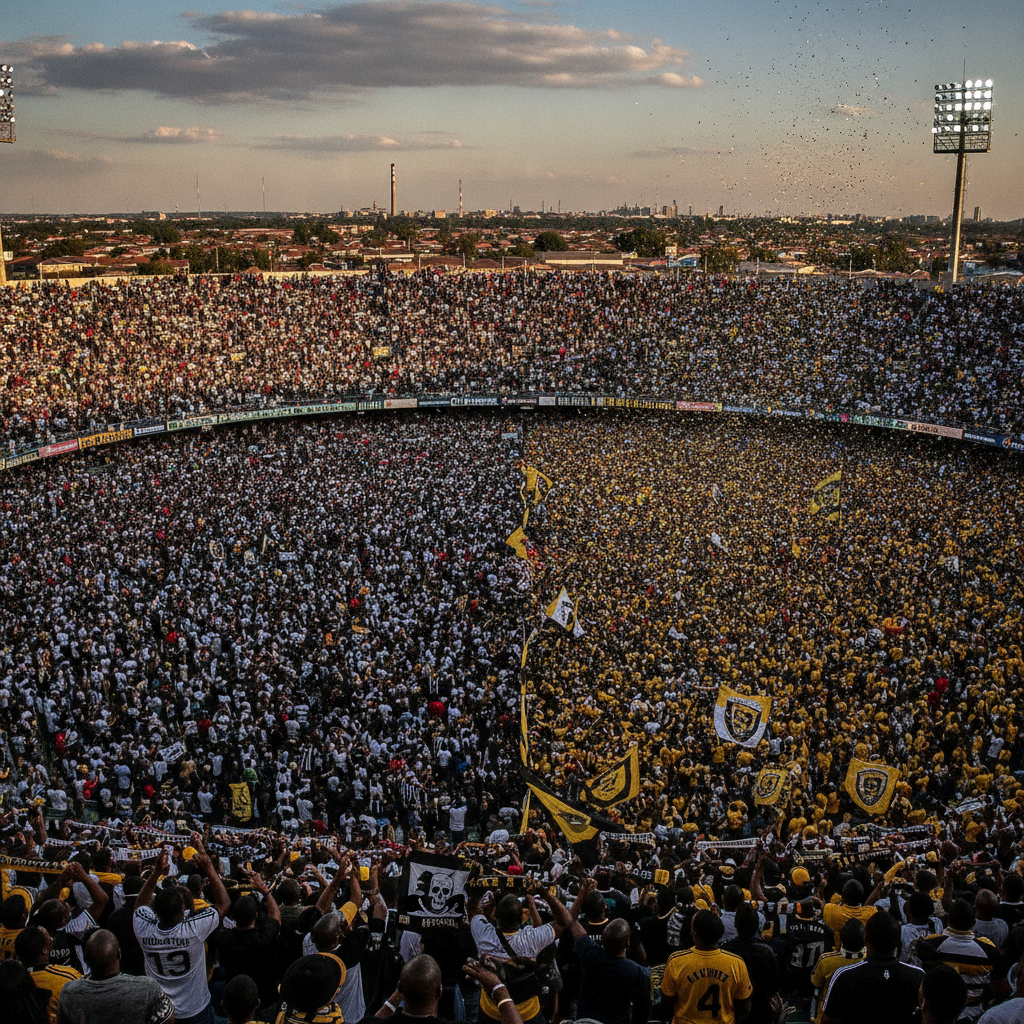
South African football and the Soweto Derby. The Soweto Derby (Orlando Pirates vs Kaizer Chiefs): the most passionate football derby in South Africa, played at the FNB Stadium (Soccer City) or the Orlando Stadium in Soweto: the rivalry between the two Soweto clubs (both founded in the 1940s) is the defining sporting contest of South African football. The 2010 FIFA World Cup (Johannesburg was the primary host city of the 2010 FIFA World Cup (the first World Cup held in Africa): the FNB Stadium (Soccer City) was the primary venue (capacity 94,700): the opening match and the final were played at Soccer City). The Vuvuzela (the plastic horn that became the sonic symbol of the 2010 World Cup: South African fans brought the vuvuzela to international attention at the 2010 World Cup where its distinctive sound became the soundtrack of the tournament). Bafana Bafana (the South Africa national team: won the Africa Cup of Nations in 1996 (as host) and reached the quarter-finals of the 1998 FIFA World Cup).
- 6
Johannesburg Six-Route Ultimate Complete Legacy - The Final Reference
Johannesburg six routes ultimate final reference. Route 1: City of Gold, Apartheid Museum, Soweto, Mandela, Maboneng, practical guide. Route 2: Witwatersrand gold mining, Cradle of Humankind UNESCO, Pretoria, migrant labor system. Route 3: Sandton, South African braai, Parkhurst and Melville, Pilanesberg Big Five, Soweto contemporary, Joburg inequality and Rainbow Nation. Route 4: Constitution Hill, amapiano global music, South African jazz (Ibrahim, Masekela, Sophiatown), Cape Malay and Bunny Chow, the inequality story. Route 5: Wits University Nobel laureates, Museum Africa and Market Theatre, Rosebank Arts Market, Kruger National Park, Drakensberg San rock art. Route 6 (this route): Nadine Gordimer and South African literature, street art of Maboneng, kwaito music, the Joburg Zoo, Soweto Derby football, and the final legacy. Johannesburg final statement: the most complex, contradictory, and ultimately fascinating city in Africa. It is the city where apartheid was most systematically enforced and where the democratic transition has been most profoundly transformative; where the world most significant human origins fossil site and the most economically powerful African city occupy the same plateau; where amapiano emerged from the townships and conquered the world. Come to understand Africa; come to understand yourself.
Walk this route with audio
Stories play automatically as you reach each stop — no tapping needed.
More in johannesburg
Johannesburg Lifestyle: Sandton, the South African Braai, Parkhurst, Pilanesberg Safari, and Joburg vs Cape Town
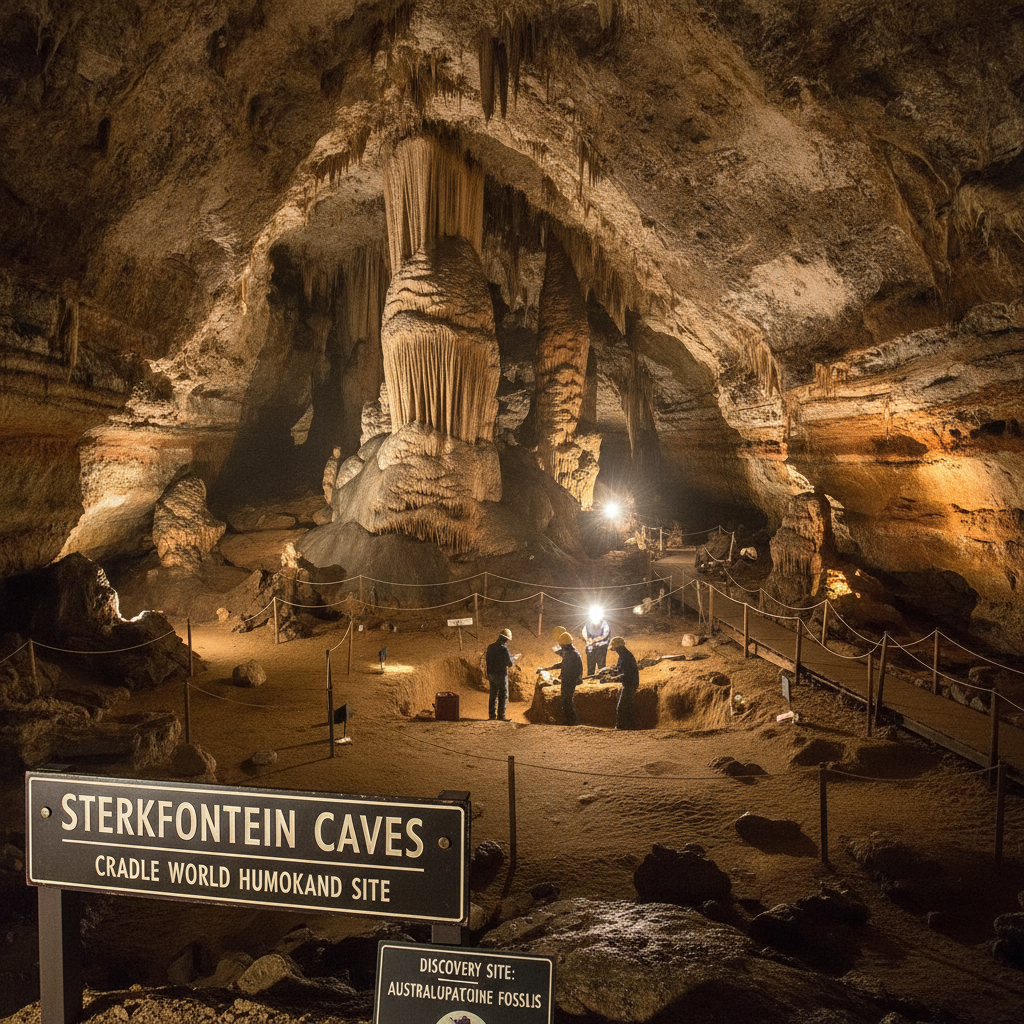
Johannesburg: The 1886 Gold Rush, the Witwatersrand Mines, and the Cradle of Humankind
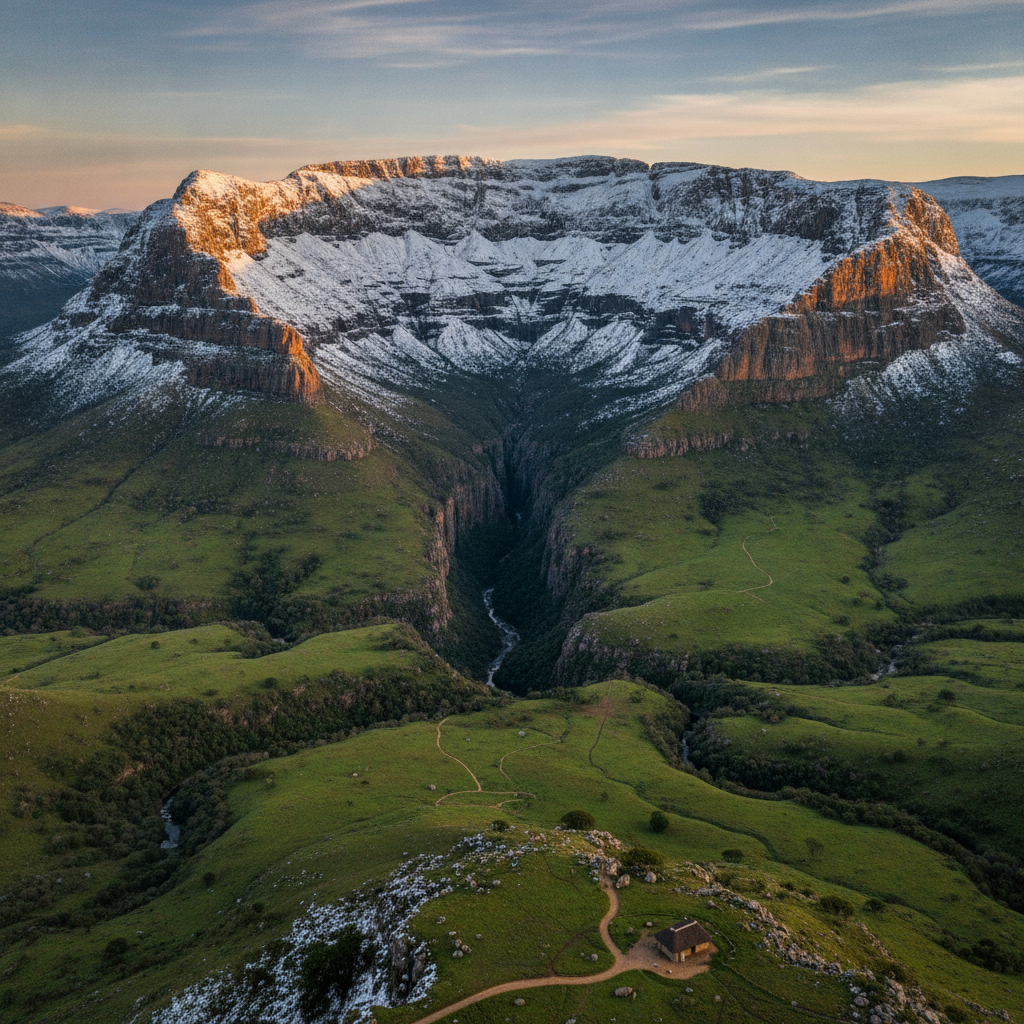
Johannesburg Legacy: Wits University, Museum Africa, Rosebank, Kruger National Park, Drakensberg, and the Complete Reference
Johannesburg Democracy and Culture: Constitution Hill, Amapiano, South African Jazz, Cape Malay Food, and Inequality