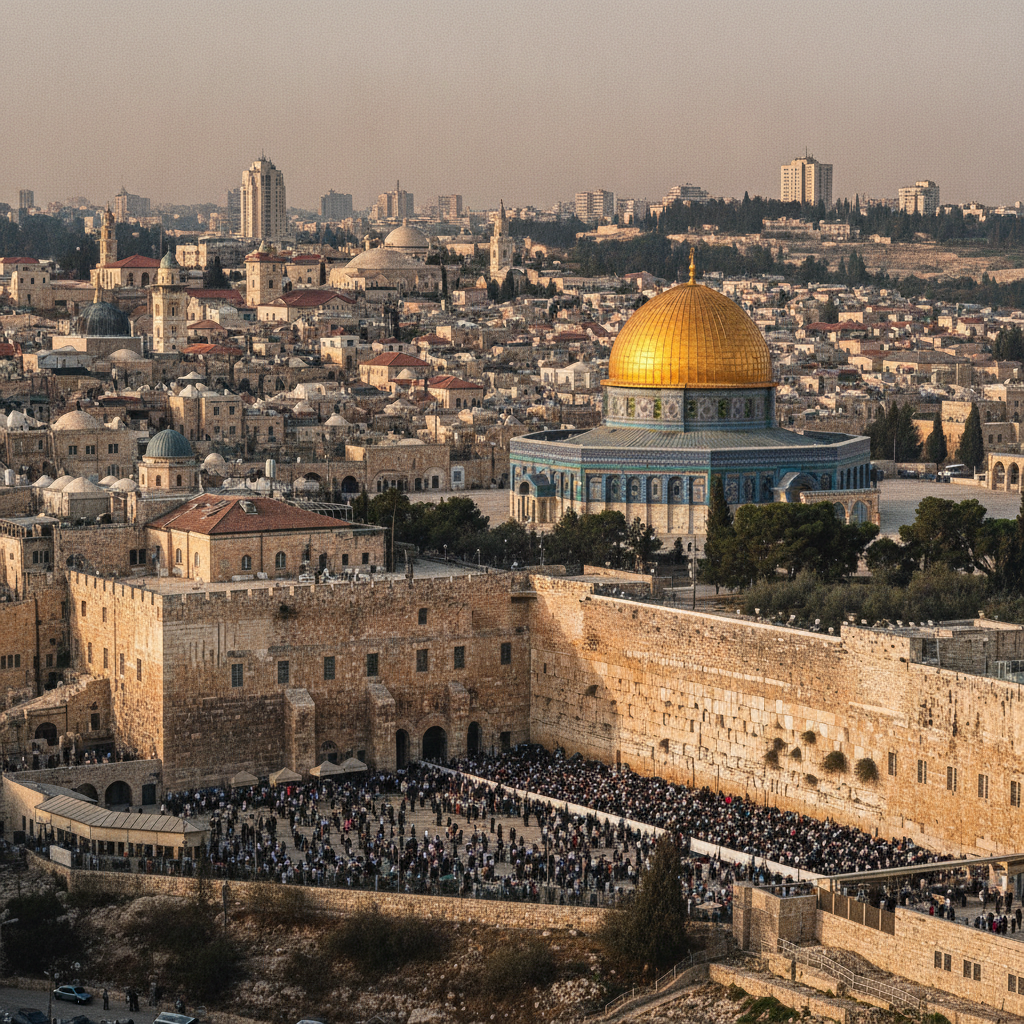
Jerusalem Practical: The Security Considerations, the Old City Accommodation, the Crossing Options, the Optimal Timing, and the Jerusalem Visitor Framework
The Jerusalem practical route covers the security considerations as the most safety-conscious single Middle East visitor briefing, the Old City accommodation, the border crossing options, the optimal spring and autumn timing, and the Jerusalem visitor framework.
- 1
Jerusalem Security: The Most Manageable Middle East City
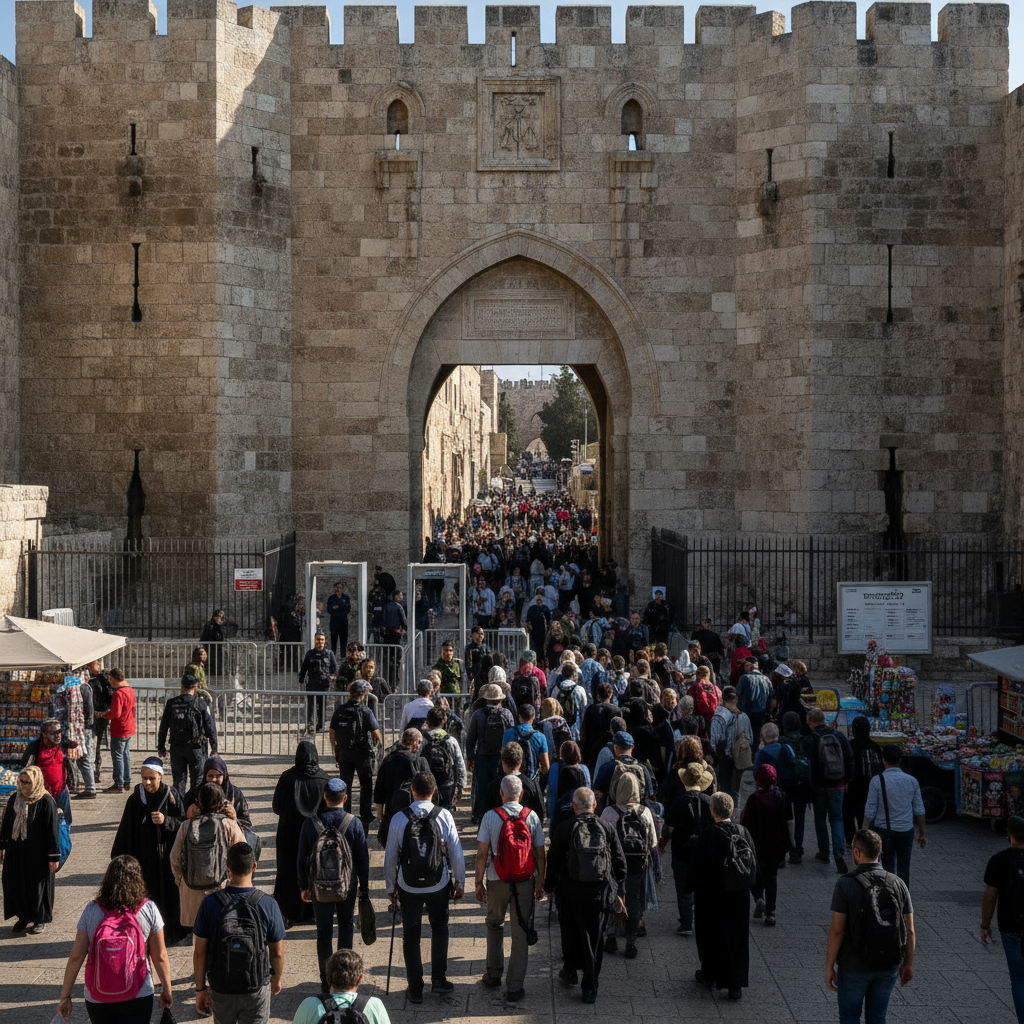
Jerusalem security (the most comprehensively managed single Middle East city security system with the most visible single Israeli police and border police presence in the most sensitively monitored single public space, the most thoroughly screened single Temple Mount entry point, and the most internationally experienced single Israeli tourism security apparatus) is the most practically safe single Middle East city for the international tourist in the most statistically low-crime single Arab-Israeli mixed urban environment. The visitor who follows the most basic single common-sense precautions navigates Jerusalem without incident.
- 2
Crossing to Jerusalem: From Jordan and Egypt
The crossing to Jerusalem from Amman (the King Hussein/Allenby Bridge, the most historically significant single Jordan-Palestine crossing, 60 kilometers from Amman, the most practically complex single crossing requiring the most specifically managed single Palestinian crossing permit system for the non-Israeli visitor) or from Egypt (the Taba crossing to Eilat and then the bus to Jerusalem) is the most logistically requiring single Jerusalem arrival for the most independently organized single Middle East circuit traveler.
- 3
Old City Accommodation: The Most Atmospheric Stay
The Jerusalem Old City accommodation (the most atmospherically unique single sleeping experience in the most historically layered single city, ranging from the most budget-friendly single guesthouse in the Christian Quarter to the most luxuriously restored single heritage mansion at the American Colony Hotel in East Jerusalem), is the most universally recommended single Jerusalem lodging choice for the visitor who wants the most directly immersive single Old City walking experience from the most convenient single base.
- 4
Optimal Timing: March-May and September-November
The optimal Jerusalem visit timing is March-May (the most pleasantly spring-temperature single Jerusalem climate at 15-22 degrees, the most colorfully wildflower-adjacent single Judean Hills landscape, and the most festively religious single Easter and Passover pilgrimage season at the most crowded single Jerusalem peak period) and September-November (the most comfortably dry single Jerusalem autumn at 20-28 degrees with the most clearly lit single golden Jerusalem limestone in the most photographically ideal single afternoon light).
- 5
Yom Kippur and Ramadan: The Calendar Considerations
The Jerusalem calendar considerations (the most significantly impactful single Jewish holiday of Yom Kippur when the most completely car-free single Israeli city creates the most unusually peaceful single Jerusalem atmosphere, and the most dramatically atmospheric single Ramadan evening Iftar in the Muslim Quarter when the most elaborately arranged single communal breaking-fast table creates the most welcoming single Old City social experience) are the most practically important single Jerusalem timing factors for the culturally sensitive visitor.
- 6
Jerusalem as the Hub: The Holy Land Circuit
The Jerusalem hub strategy for the Holy Land circuit (using Jerusalem as the base for the most geographically ambitious single day trip circuit including Bethlehem 10 km south, Jericho 35 km east, Masada and the Dead Sea 70 km southeast, and the Sea of Galilee 140 km north) creates the most content-rich single Holy Land 7-day itinerary from the most historically significant single base city in the most theologically loaded single region on earth.
Walk this route with audio
Stories play automatically as you reach each stop — no tapping needed.
More in Jerusalem
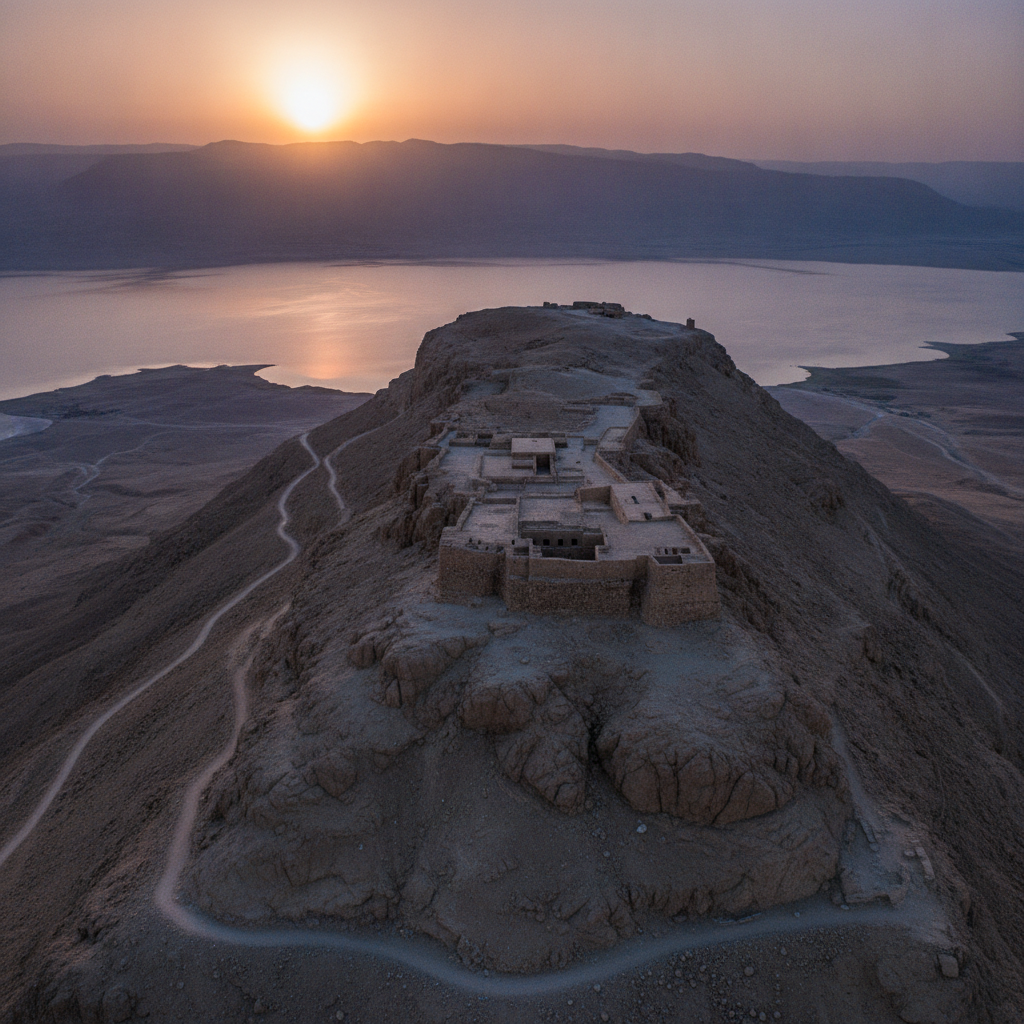
Jerusalem Day Trips: Masada's Siege, the Dead Sea's Salt Flats & Bethlehem's Nativity
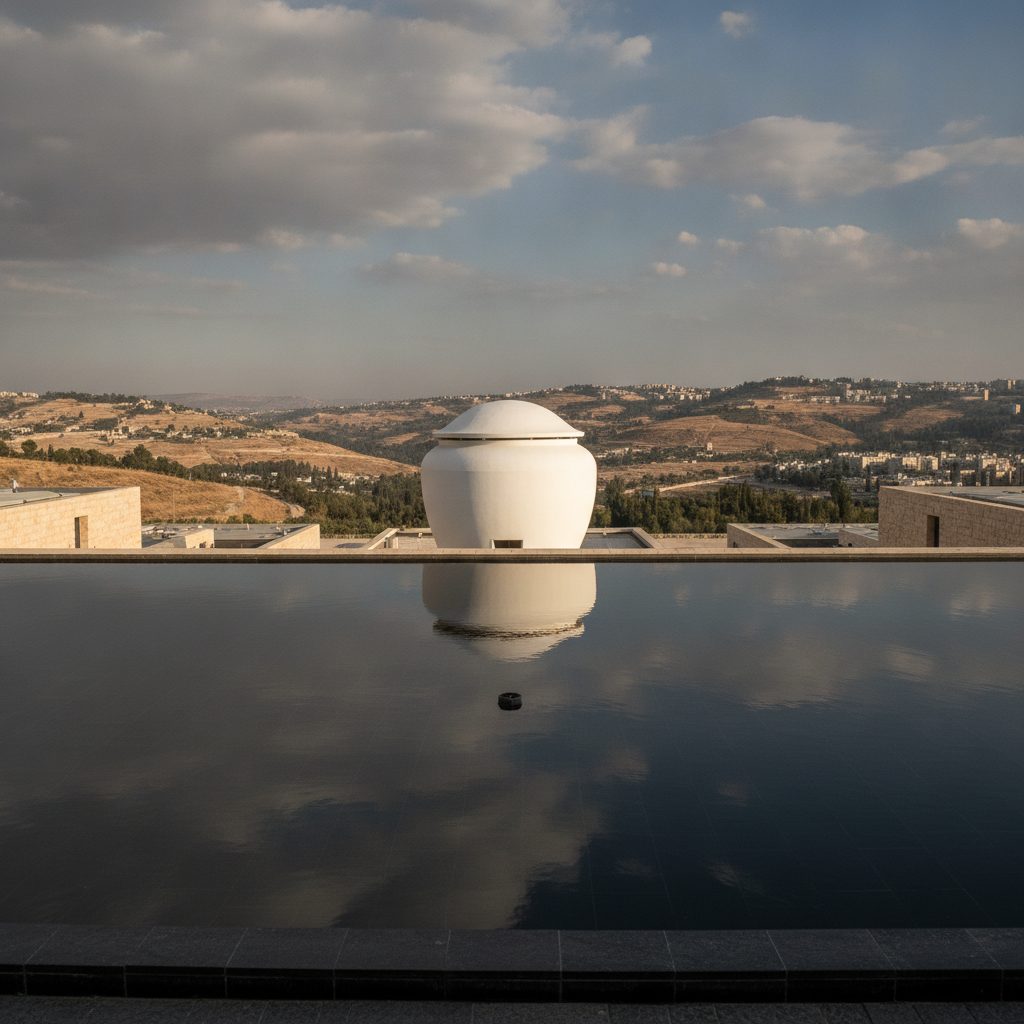
Jerusalem Beyond the Old City: Yad Vashem, Dead Sea Scrolls & the Living Shuk
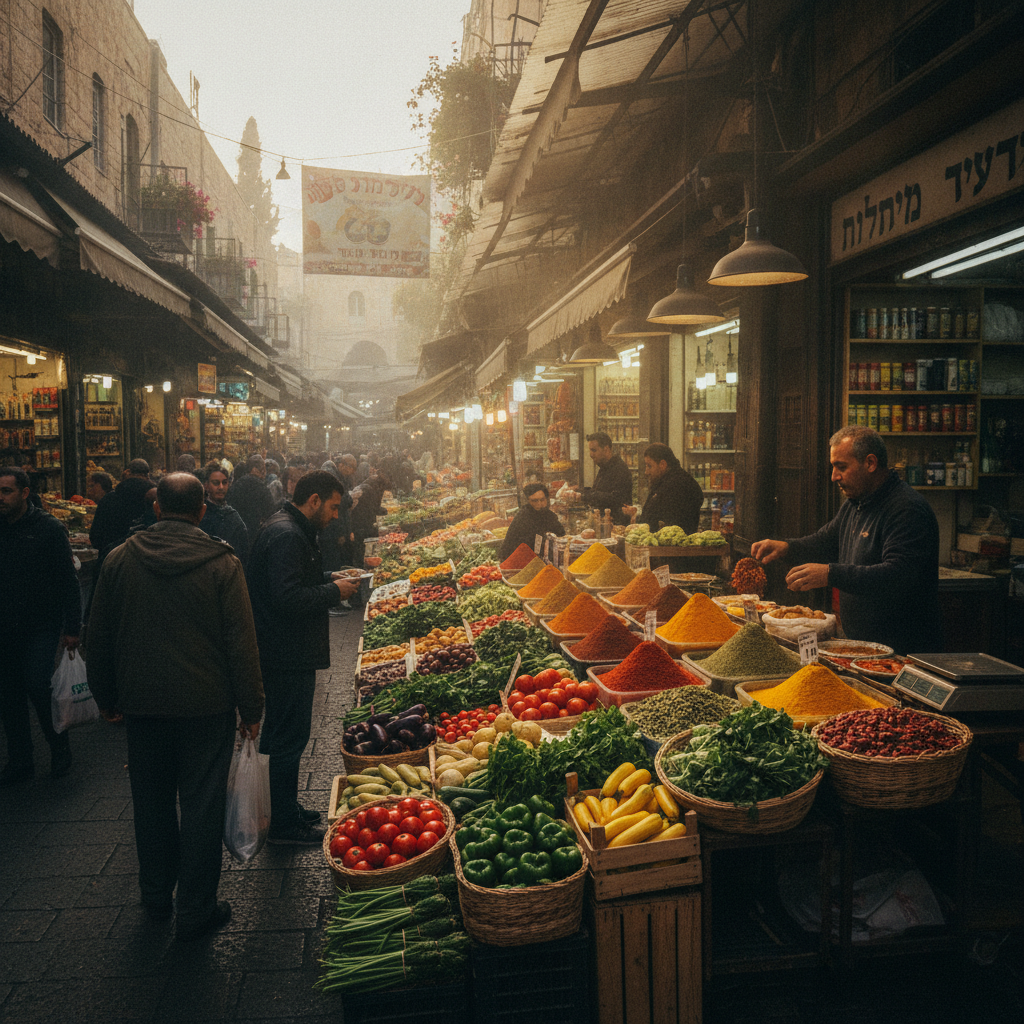
Jerusalem Food: The Mahane Yehuda Market, the Israeli Street Food, the Hummus Tradition, and the Most Culinarily Dynamic Single Israeli City
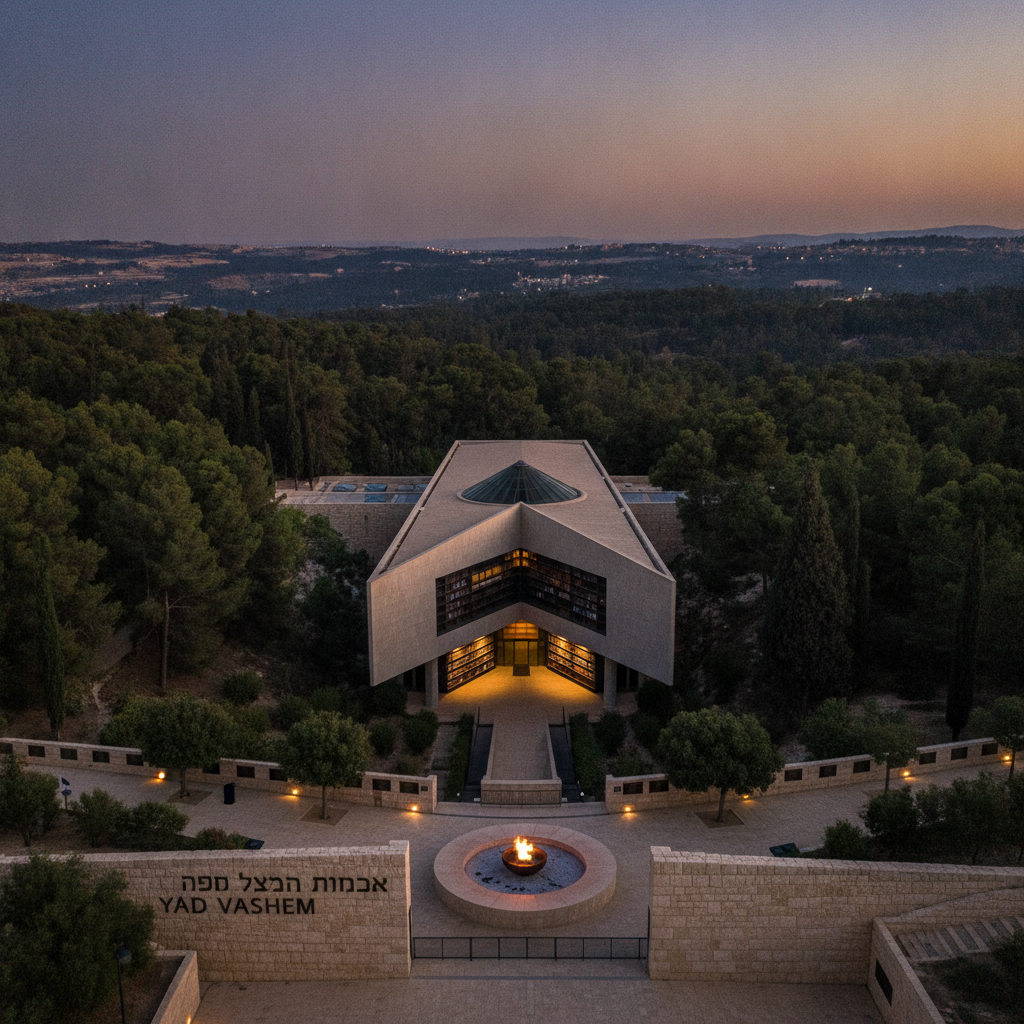
Jerusalem Memory: Yad Vashem Holocaust Museum, the Israel Museum Dead Sea Scrolls, Mount Herzl, and the Most Historically Layered Single City Memory
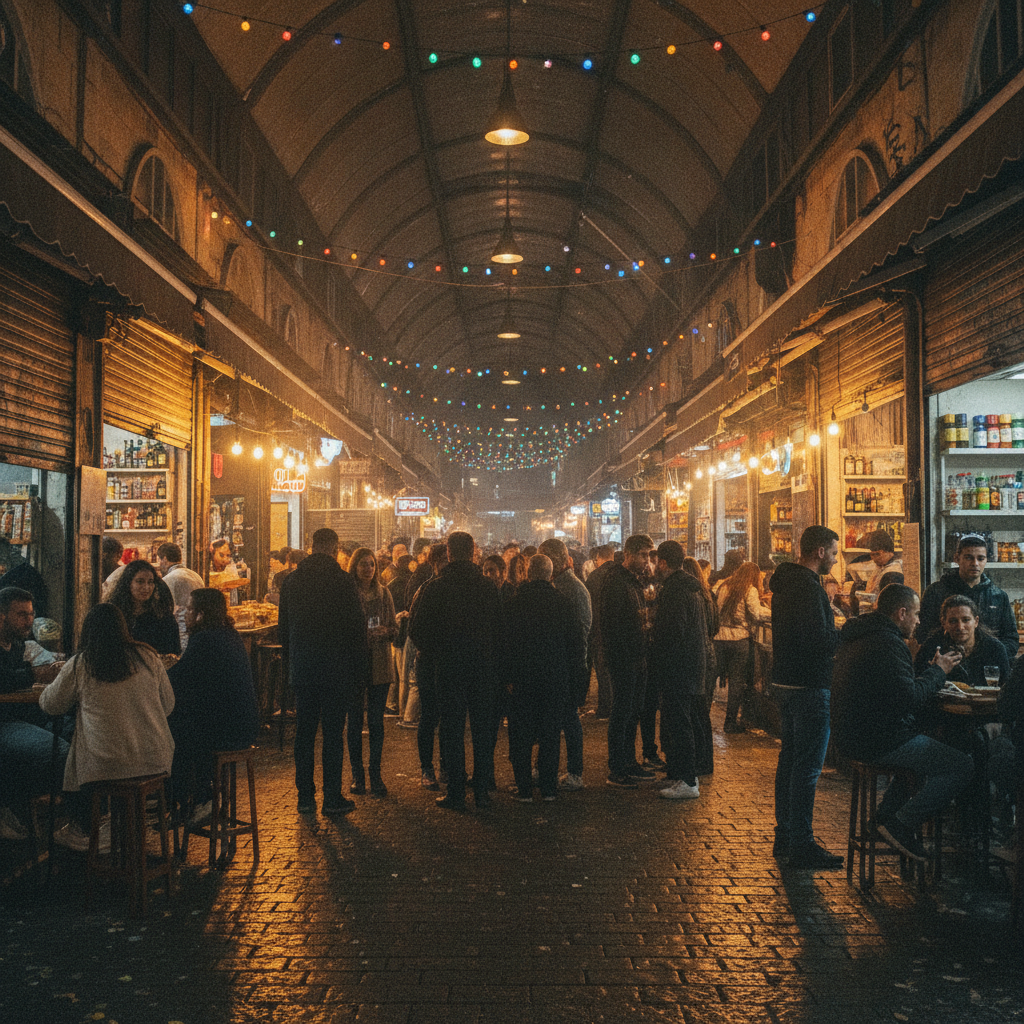
Jerusalem's Communities: Hummus Wars, Ethiopian Monks & Ultra-Orthodox Mea Shearim