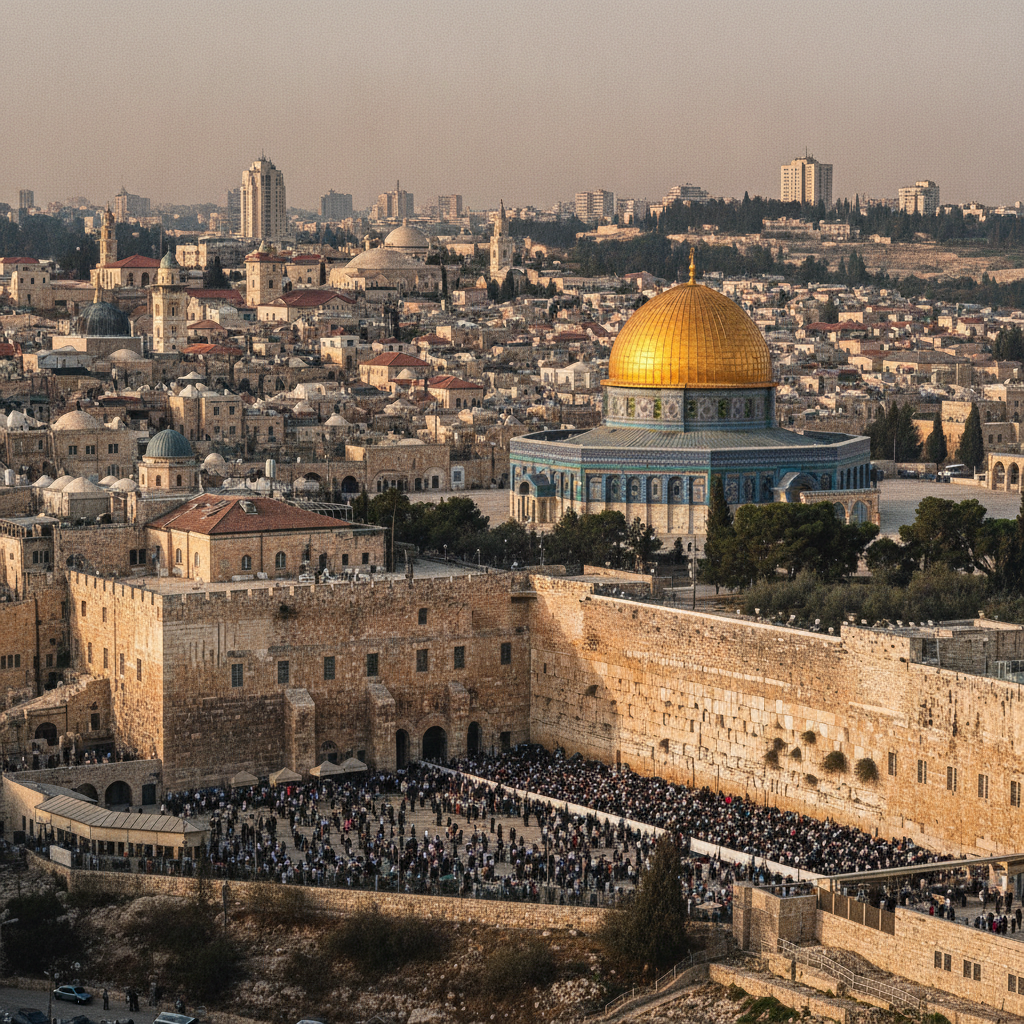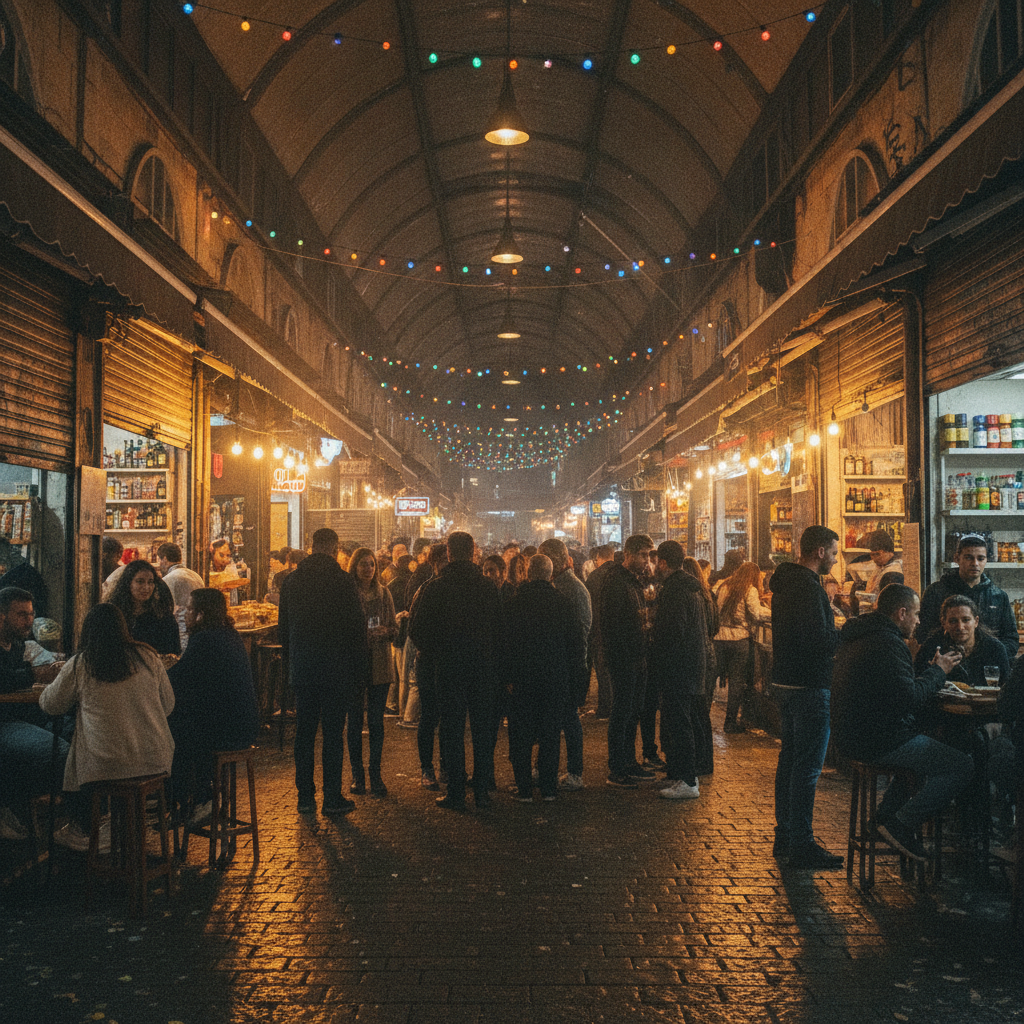
Jerusalem's Communities: Hummus Wars, Ethiopian Monks & Ultra-Orthodox Mea Shearim
Discover Jerusalem's extraordinary human diversity—Abu Shukri's definitive Old City hummus served on the Via Dolorosa at 7 am, Ethiopian monks living in circular huts on the Holy Sepulchre roof, the Armenian Cathedral holding the tomb of St James the Apostle, Mea Shearim's Yiddish-speaking community in 18th-century dress, and navigating Shabbat, Ramadan, and Easter simultaneously.
- 1
Jerusalem's Food Scene – Hummus, Knafeh & Modern Israeli
Jerusalem's food culture is one of the most complex and diverse in the world—the intersection of Sephardic Jewish, Ashkenazi, Arab Palestinian, Yemeni, Ethiopian, and Armenian culinary traditions. Abu Shukri on the Via Dolorosa serves the definitive hummus of the Old City (open mornings only); the Muslim Quarter's Ja'far Sweets produces the finest knafeh in Jerusalem. Modern Israeli cuisine—with its Ottolenghi-style deployment of Middle Eastern ingredients—has made Jerusalem a pilgrimage destination for food lovers.
- 2
Ethiopian Quarter & the Coptic Rooftop
The Ethiopian community has maintained a presence in Jerusalem since medieval times; the Ethiopian monks' compound on the roof of the Church of the Holy Sepulchre—reached via a separate entrance through the Coptic section—is a remarkable and little-visited urban village of circular huts above the Christian Quarter. The Ethiopian church of Deir es-Sultan contains 12th-century Coptic murals and is regularly used for liturgy. The community lives in a legal dispute with the Coptic church over ownership of the rooftop.
- 3
Armenian Quarter – Christianity's Oldest Diaspora
The Armenian Quarter—the smallest of the four Old City quarters—is home to the Armenian Apostolic community that has maintained a continuous presence in Jerusalem since at least the 4th century. The Armenian Cathedral of St James (12th century) contains the tomb of St James the Apostle (the head of James the Great is believed buried here) and extraordinary 17th-century tilework from Kütahya. The Armenian Museum documents the 1915 genocide and the community's subsequent history in Jerusalem.
- 4
Mea Shearim – Ultra-Orthodox Jerusalem
Mea Shearim (literally 'one hundred gates'), built in 1874 as Jerusalem's second neighbourhood outside the Old City walls, is one of the world's oldest and most intact ultra-Orthodox Jewish communities. The neighbourhood operates essentially as a separate society—Yiddish is the primary language; men wear 18th-century Eastern European dress; women are required to dress modestly. The neighbourhood's hand-painted signs requesting modest dress from visitors are a famous Jerusalem sight; entering requires genuine respect for community standards.
- 5
The Jewish Quarter – Reconstruction After 1967
The Jewish Quarter of the Old City was destroyed by Jordanian forces in the 1948 Arab-Israeli War and remained under Jordanian control until 1967. After Israeli capture of the Old City in June 1967, the Jewish Quarter was systematically reconstructed—its synagogues (including the four Sephardic synagogues, dating to the 17th century) restored and new residential and commercial buildings built. The Cardo—a Roman colonnaded street of the 6th century AD—was excavated and partially restored as an open archaeological site.
- 6
Jerusalem's Sacred Calendar – Shabbat, Ramadan & Easter
Jerusalem's weekly and annual rhythm is defined by its three religious calendars simultaneously. Friday is the Muslim holy day (quieter in the Muslim Quarter on Friday mornings for prayer); Saturday is Jewish Shabbat (the entire Jewish west side of the city shuts down at sundown Friday—no buses, closed restaurants, very quiet streets). Easter, Passover, and Eid al-Adha frequently overlap—the most intense convergence of pilgrimage traffic the city experiences. Visiting during any major religious festival is extraordinary and challenging simultaneously.
Walk this route with audio
Stories play automatically as you reach each stop — no tapping needed.
More in Jerusalem
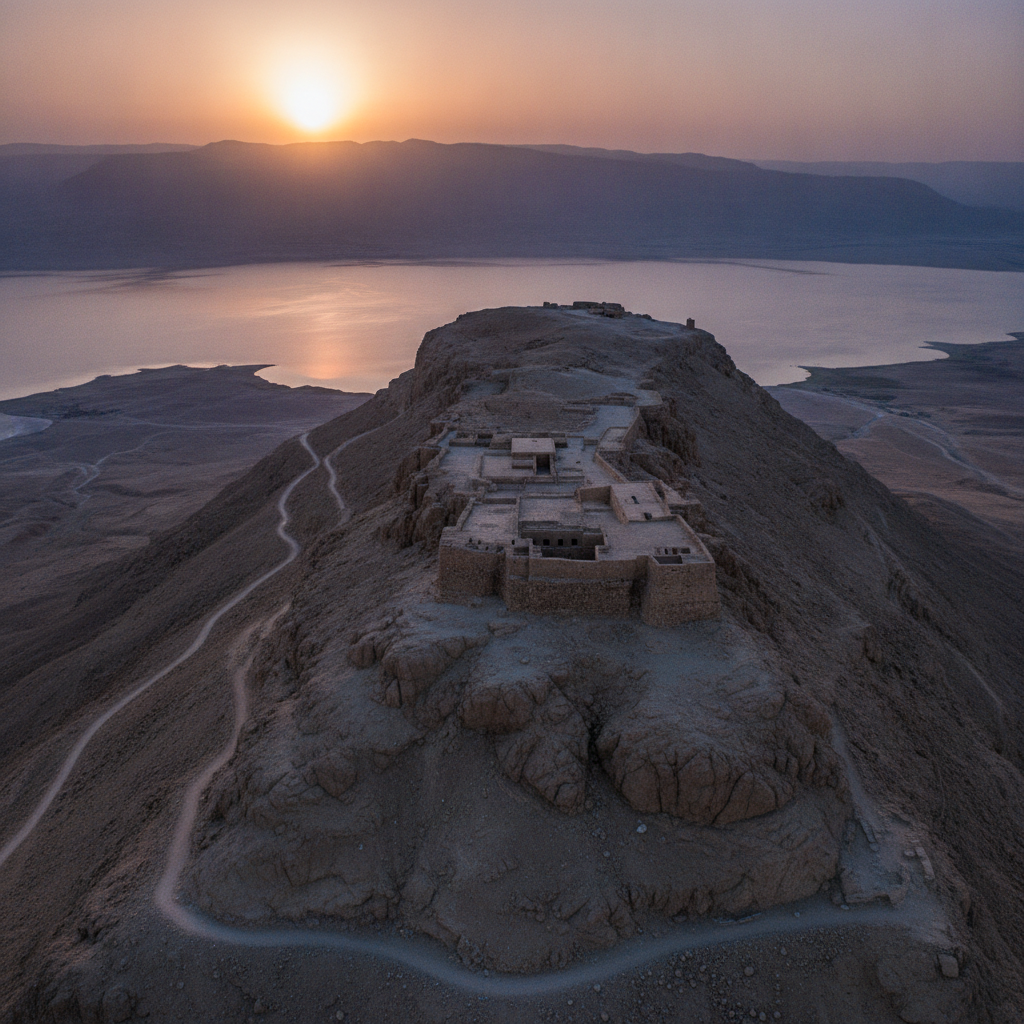
Jerusalem Day Trips: Masada's Siege, the Dead Sea's Salt Flats & Bethlehem's Nativity
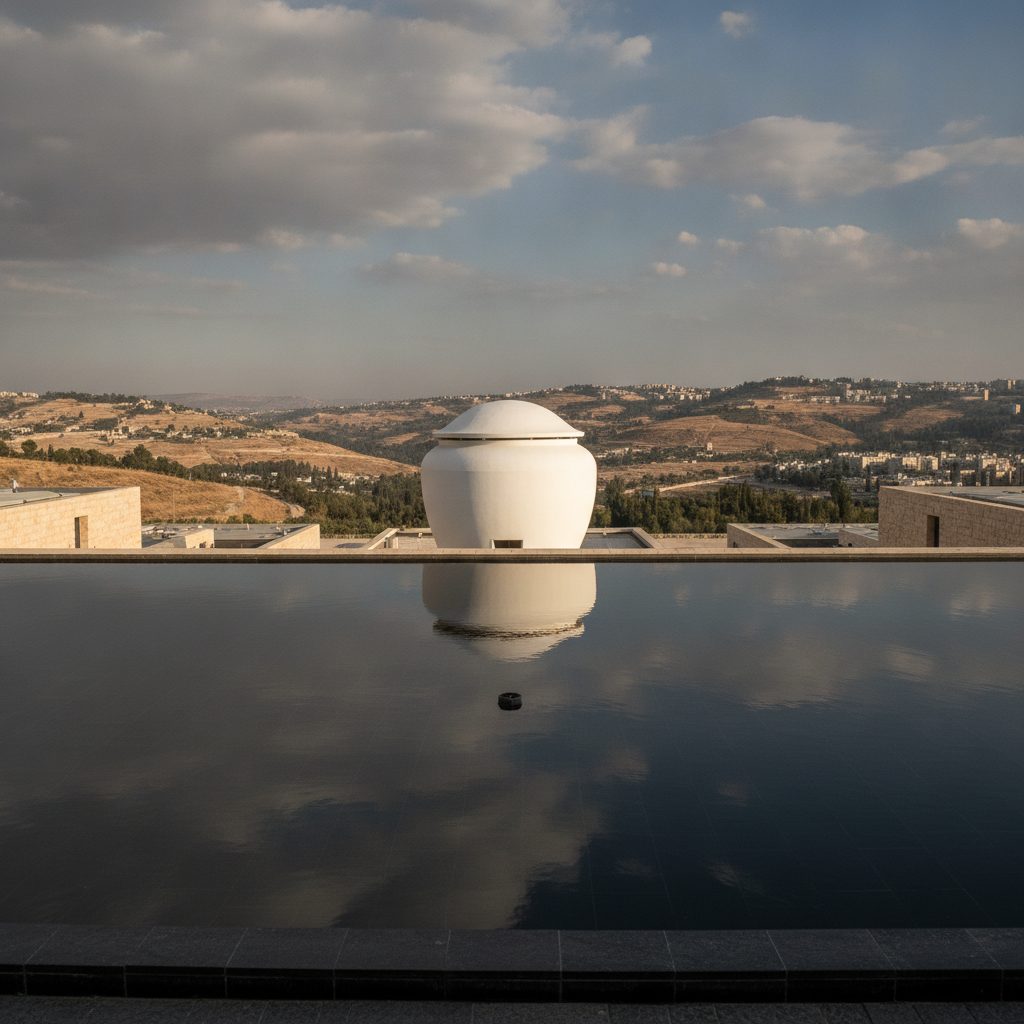
Jerusalem Beyond the Old City: Yad Vashem, Dead Sea Scrolls & the Living Shuk
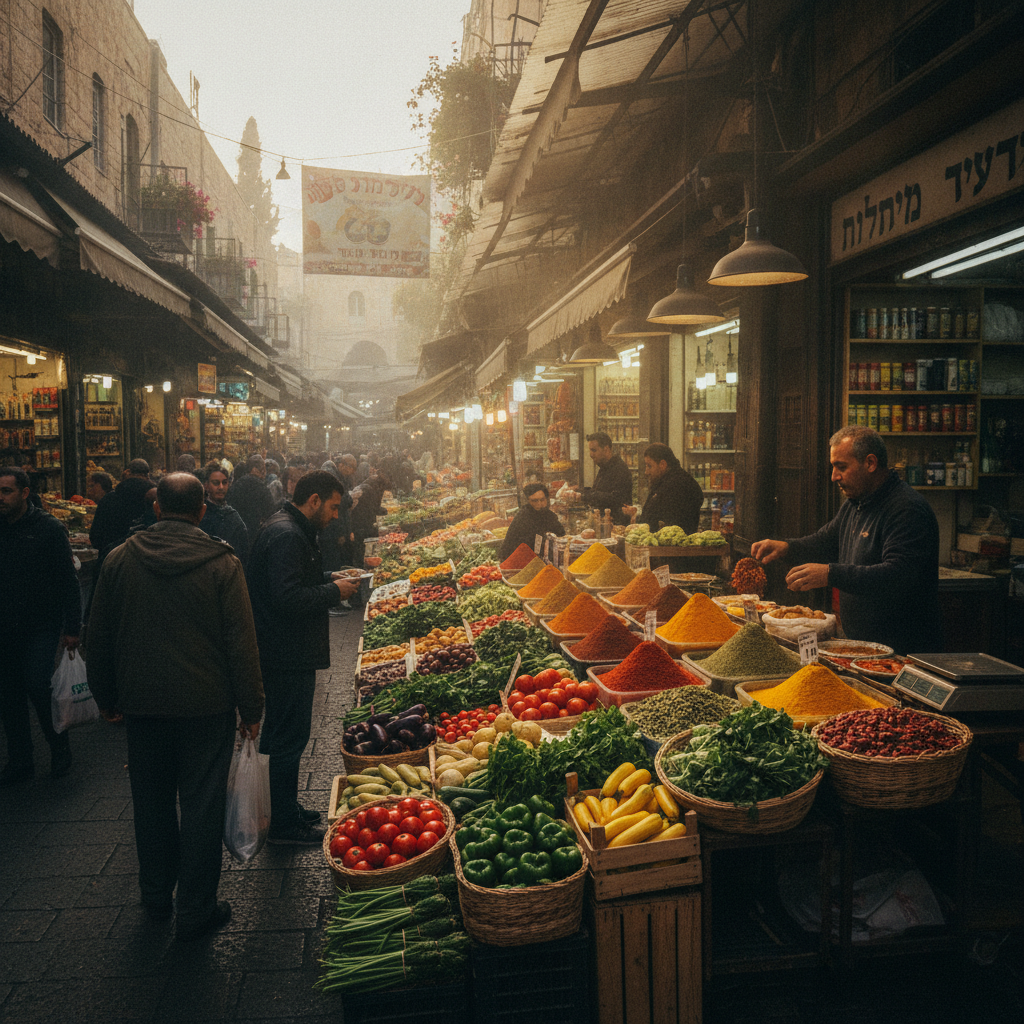
Jerusalem Food: The Mahane Yehuda Market, the Israeli Street Food, the Hummus Tradition, and the Most Culinarily Dynamic Single Israeli City
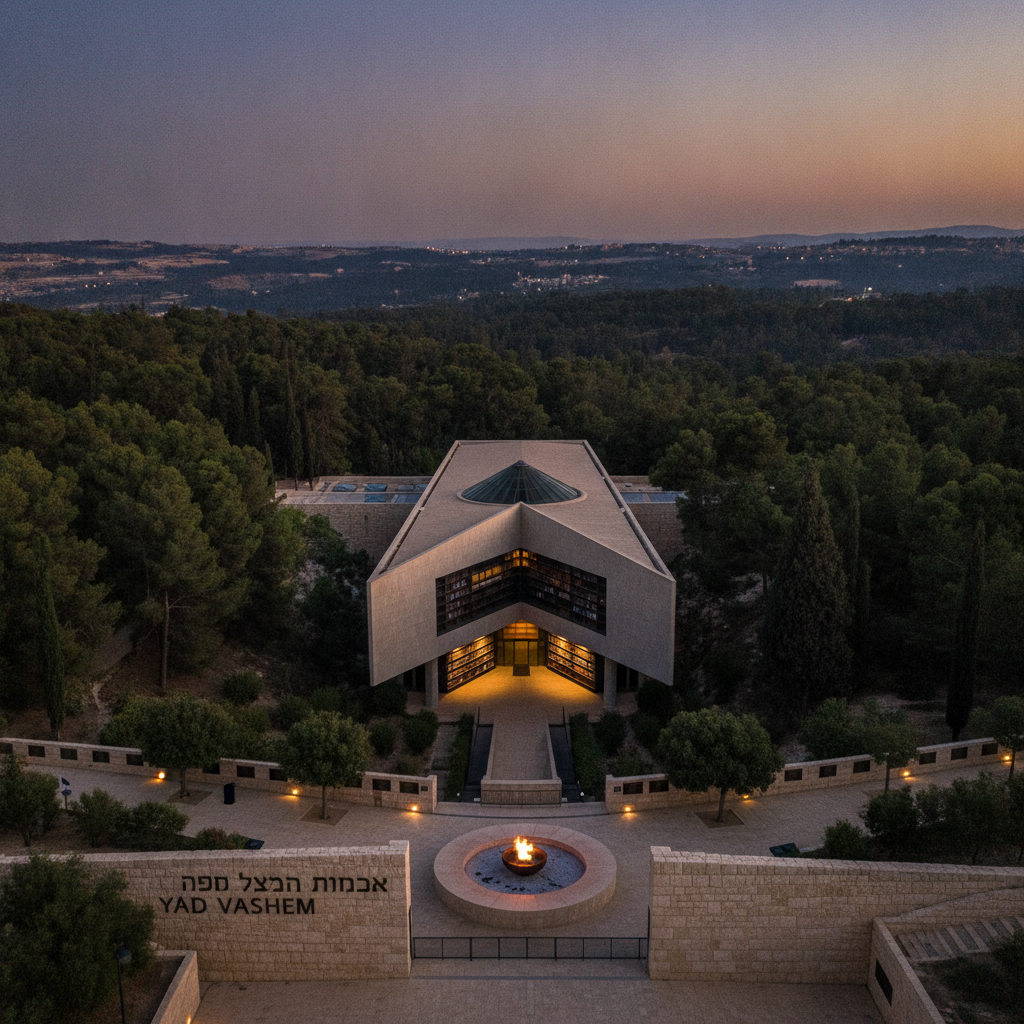
Jerusalem Memory: Yad Vashem Holocaust Museum, the Israel Museum Dead Sea Scrolls, Mount Herzl, and the Most Historically Layered Single City Memory
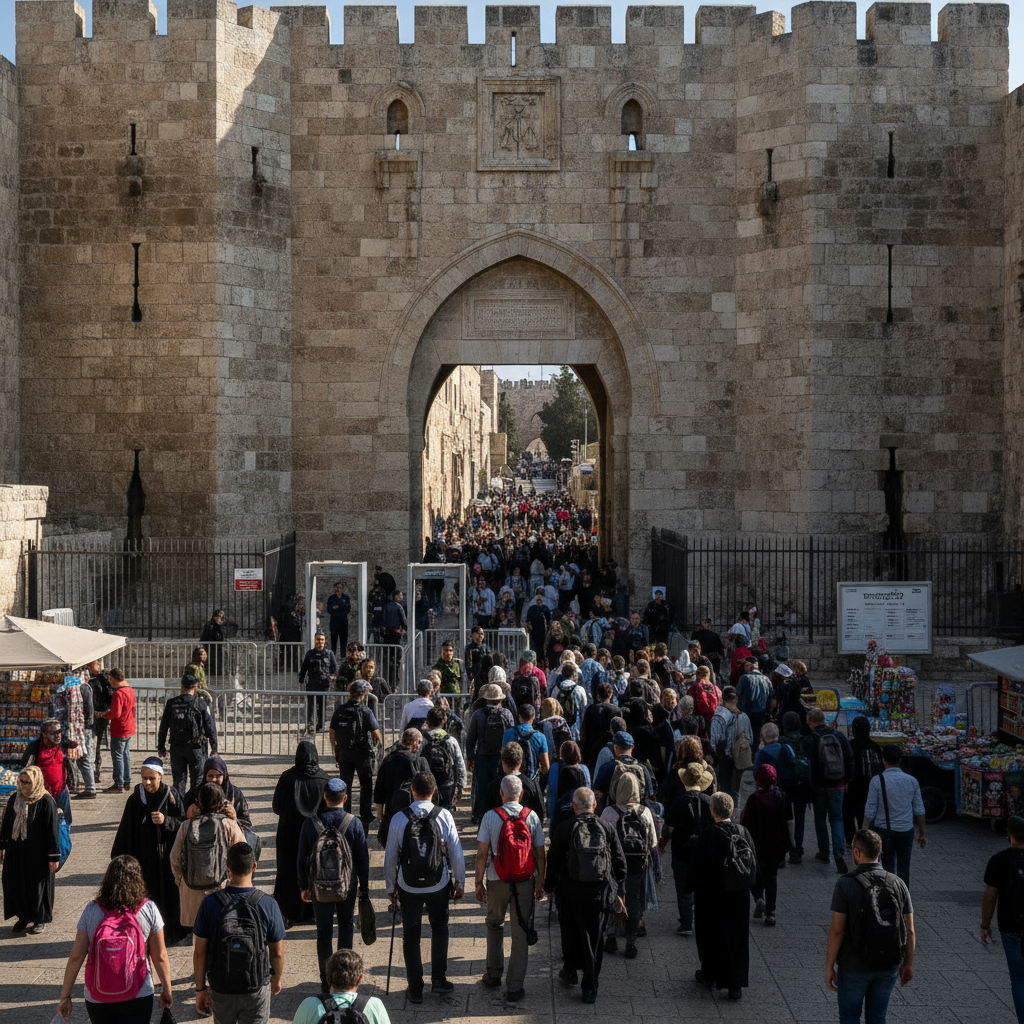
Jerusalem Practical: The Security Considerations, the Old City Accommodation, the Crossing Options, the Optimal Timing, and the Jerusalem Visitor Framework