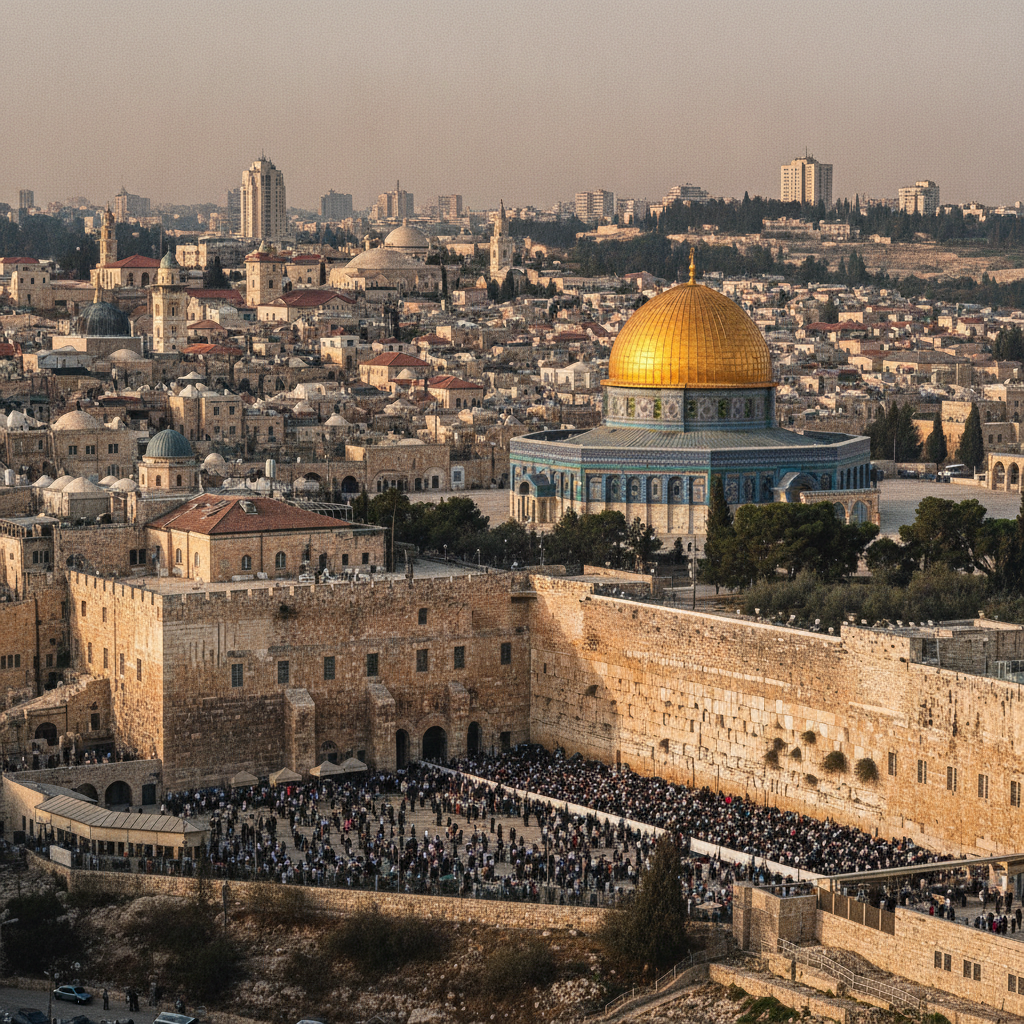
Jerusalem Day Trips: Masada's Siege, the Dead Sea's Salt Flats & Bethlehem's Nativity
Combine Jerusalem with the region's essential day trips—floating in the Dead Sea at 430 metres below sea level (the world's lowest point, shrinking by 1 metre/year), the Masada fortress where 960 Sicarii chose death over Roman capture in 73 AD, the Church of the Nativity in Bethlehem (one of the world's oldest operating churches), and the 11,000-year-old city of Jericho.
- 1
Dead Sea – The World's Lowest Point
The Dead Sea (430 metres below sea level—the lowest point on earth's surface) is 30 km east of Jerusalem, reachable in 40 minutes by car or 1 hour by bus. The hypersaline water (34% salinity, 10x saltier than the ocean) makes swimming impossible—the body floats effortlessly. The Ein Gedi beach (Israel side) and the resort beaches of Ein Bokek are the main access points. The Dead Sea is shrinking at an alarming rate—it has lost a third of its surface area since 1960 due to water diversion from the Jordan River.
- 2
Masada – Herod's Fortress & the Siege of 73 AD
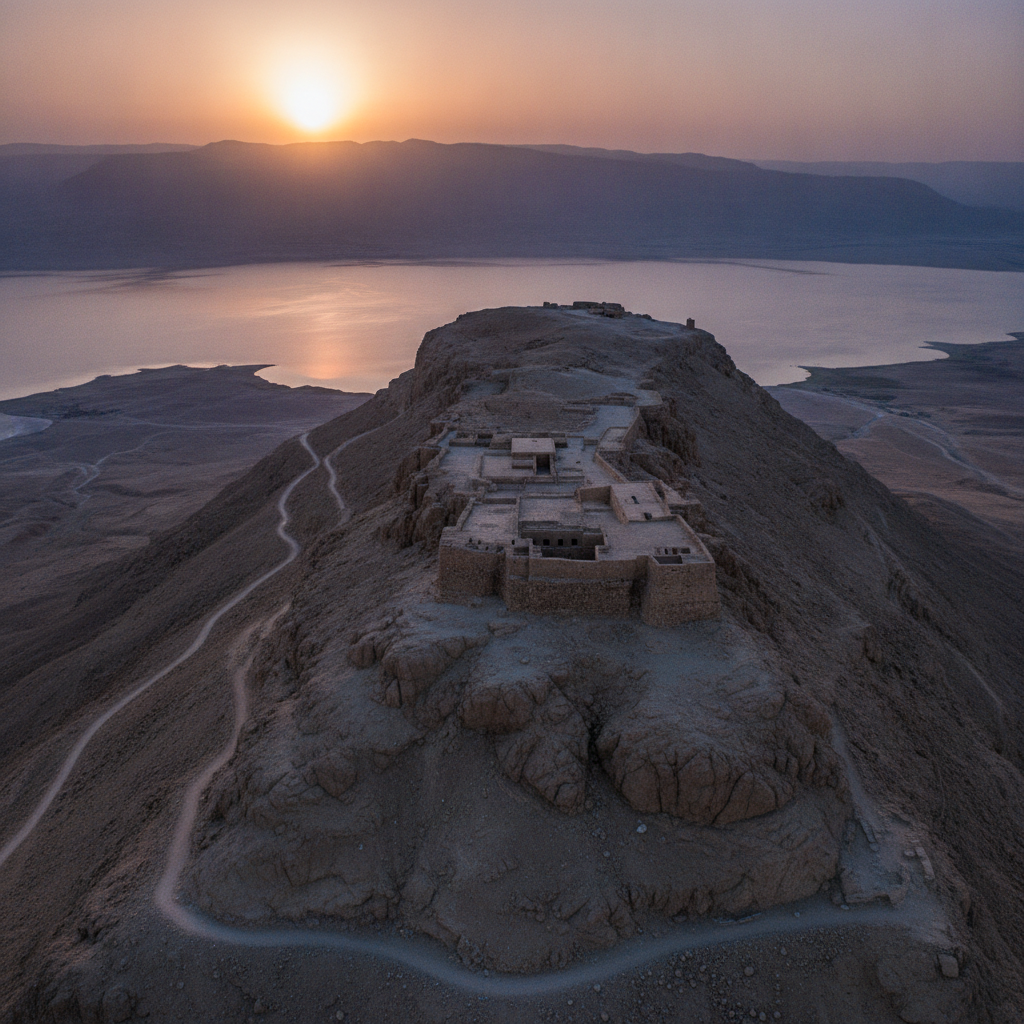
Masada—Herod the Great's mountaintop fortress complex (37–31 BC) above the Dead Sea—was the site of the last Jewish resistance to the Roman siege after the fall of Jerusalem in 70 AD. According to Josephus, 960 Jewish Sicarii chose mass suicide over Roman capture in 73 AD ('Masada shall not fall again' became an Israeli national motto). The site (UNESCO World Heritage 2001) is accessible by cable car or the Snake Path (45-minute sunrise hike). The view of the Dead Sea from the summit is extraordinary.
- 3
Bethlehem – The Church of the Nativity
Bethlehem, 10 km south of Jerusalem in the Palestinian West Bank, contains the Church of the Nativity (built 565 AD by Emperor Justinian over the cave traditionally identified as Christ's birthplace)—one of the oldest continuously operating Christian churches in the world and a UNESCO World Heritage Site. The church is administered by Greek Orthodox, Armenian, and Roman Catholic communities. Access from Jerusalem requires passing through Israeli checkpoints; transport by shared taxi (sherut) or tour bus is practical.
- 4
Qumran & the Dead Sea Scrolls in Context
Qumran—the 1st-century BC Essene community site on the Dead Sea shore where 981 scrolls were discovered in 11 caves between 1947 and 1956—provides essential context for understanding the Dead Sea Scrolls. The site's visitor centre explains the Essene community's separatist practice, the circumstances of the scrolls' concealment from the Romans, and the 60-year process of scroll analysis. Cave 4 (where 90% of all scrolls were found) is visible from the archaeological site.
- 5
Jericho – The World's Oldest City
Jericho (in the Palestinian West Bank, 30 km from Jerusalem) claims to be the world's oldest continuously inhabited city—human settlement dates to at least 9000 BC, making it 11,000 years old. The Tel Jericho archaeological mound (Tel es-Sultan) contains 23 successive settlement layers. The cable car to the Monastery of the Temptation (where Jesus is believed to have been tempted) ascends the cliffs above the city. Access requires crossing Israeli checkpoints; most Jerusalem tour operators run Jericho day trips.
- 6
Day Trip to Tel Aviv & the Mediterranean Coast
Tel Aviv is just 60 km from Jerusalem—45 minutes by train or 1 hour by bus. The contrast could not be more stark: Jerusalem's stone, solemnity, and ancient complexity versus Tel Aviv's beach culture, nightlife, modern architecture, and secular energy. Combining Jerusalem (days 1–2) with Tel Aviv (day 3) is the classic Israel itinerary. The train from Jerusalem (Yitzhak Navon station) to Tel Aviv (Savidor Centre) is direct, comfortable, and runs frequently throughout the day.
Walk this route with audio
Stories play automatically as you reach each stop — no tapping needed.
More in Jerusalem
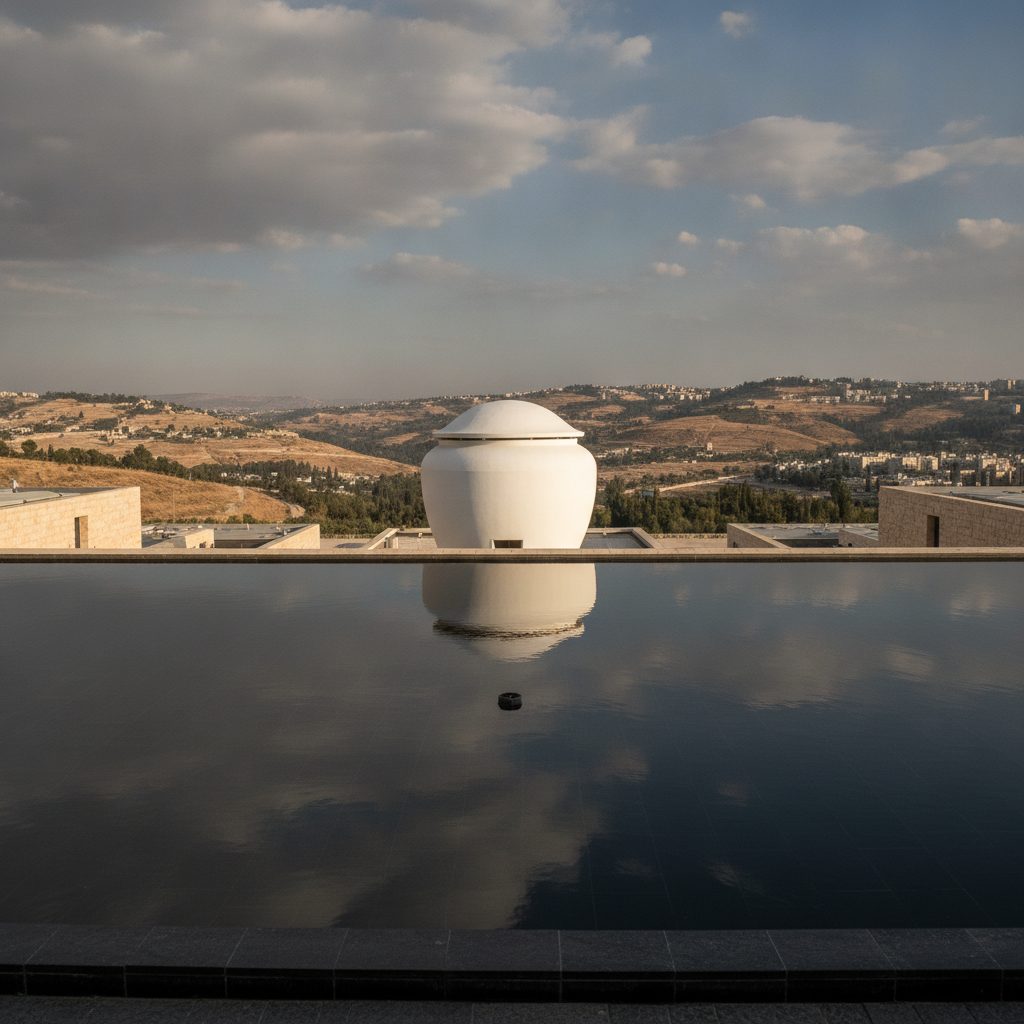
Jerusalem Beyond the Old City: Yad Vashem, Dead Sea Scrolls & the Living Shuk
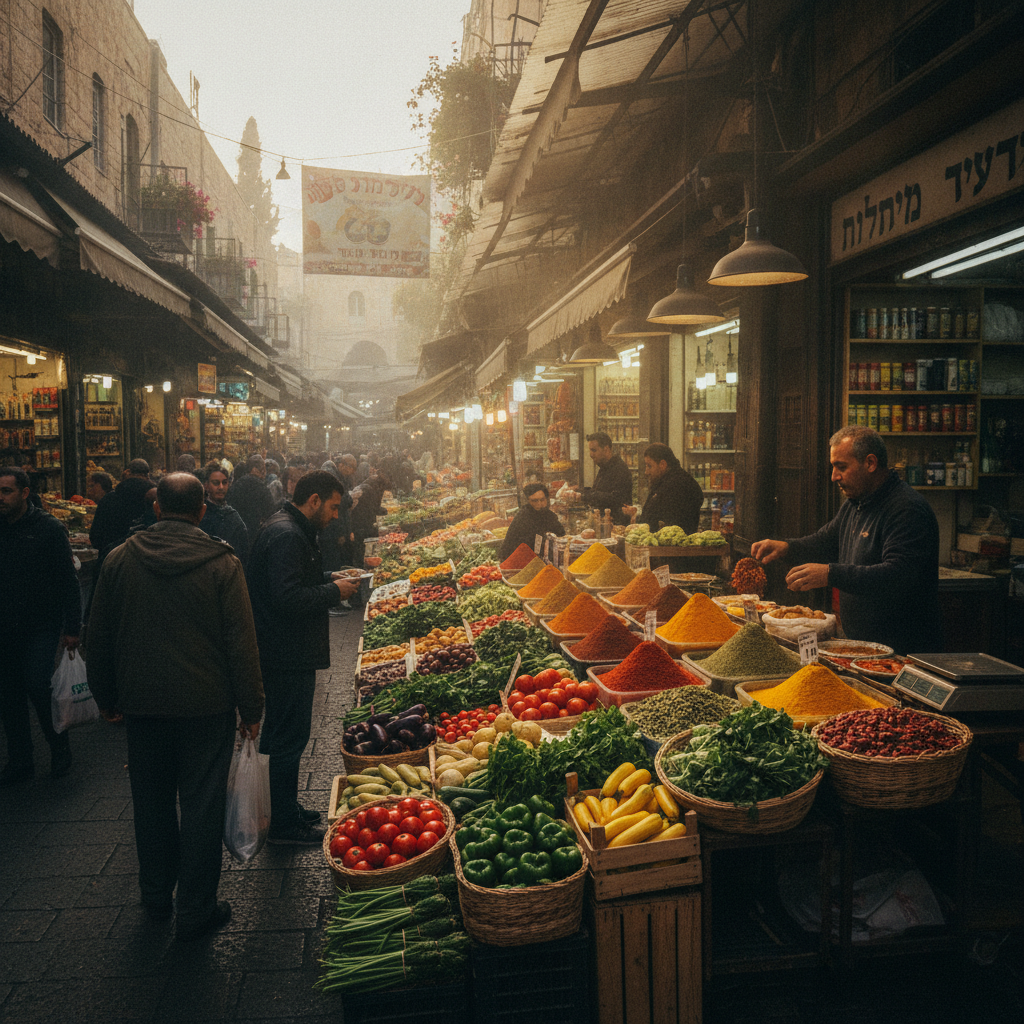
Jerusalem Food: The Mahane Yehuda Market, the Israeli Street Food, the Hummus Tradition, and the Most Culinarily Dynamic Single Israeli City
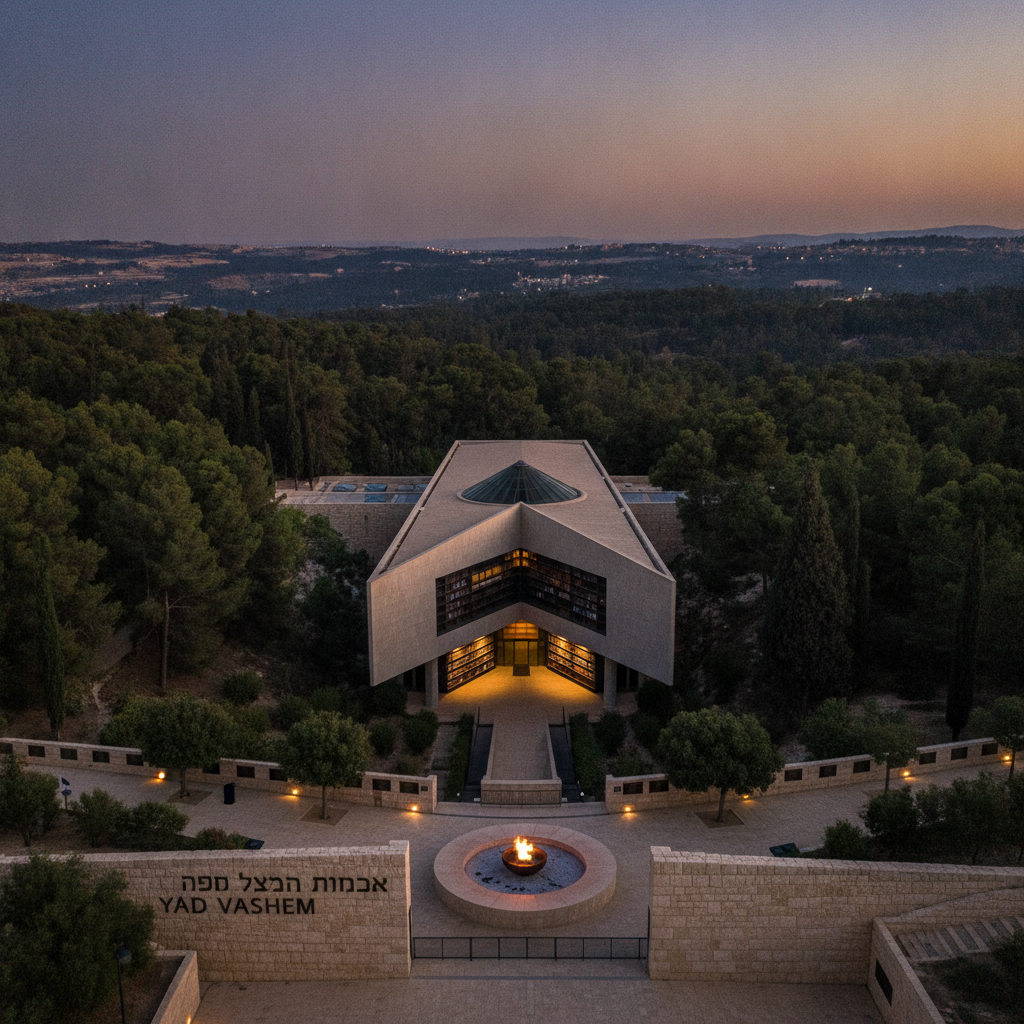
Jerusalem Memory: Yad Vashem Holocaust Museum, the Israel Museum Dead Sea Scrolls, Mount Herzl, and the Most Historically Layered Single City Memory
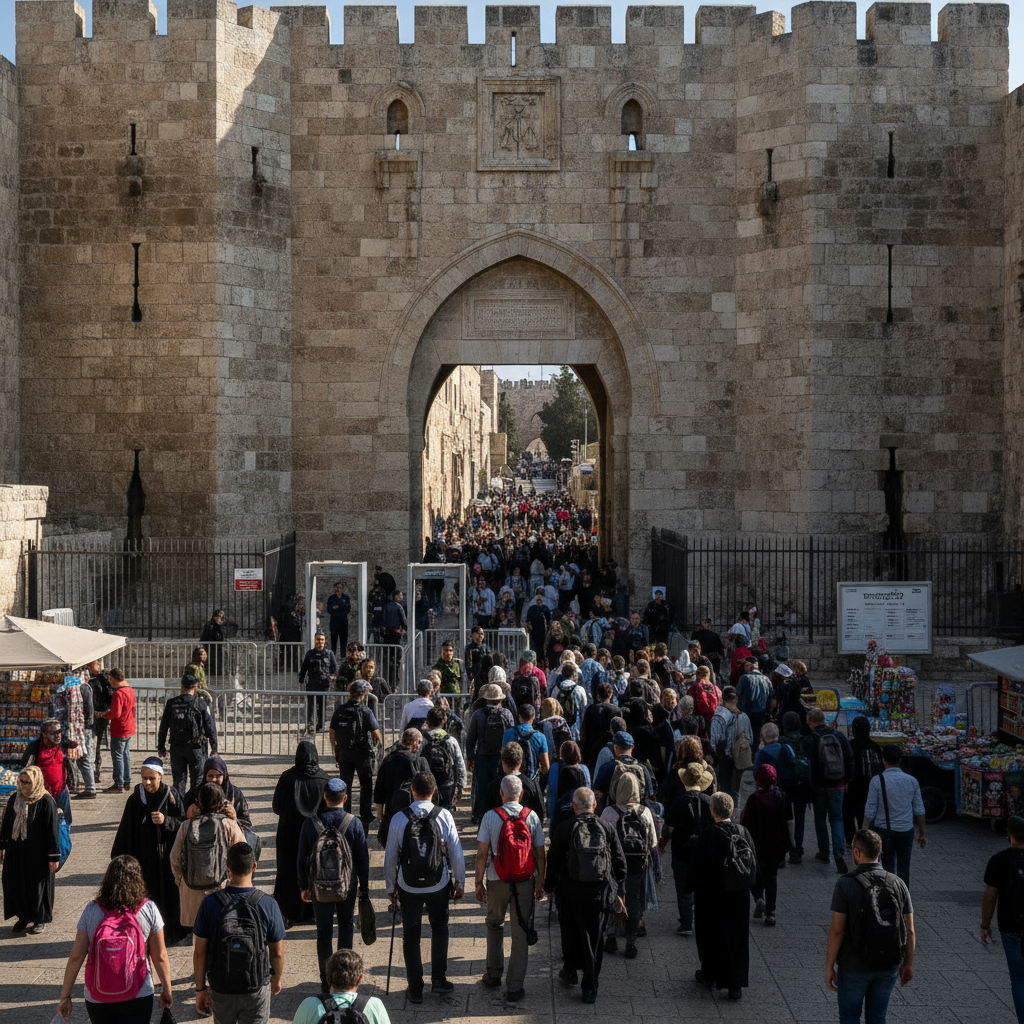
Jerusalem Practical: The Security Considerations, the Old City Accommodation, the Crossing Options, the Optimal Timing, and the Jerusalem Visitor Framework
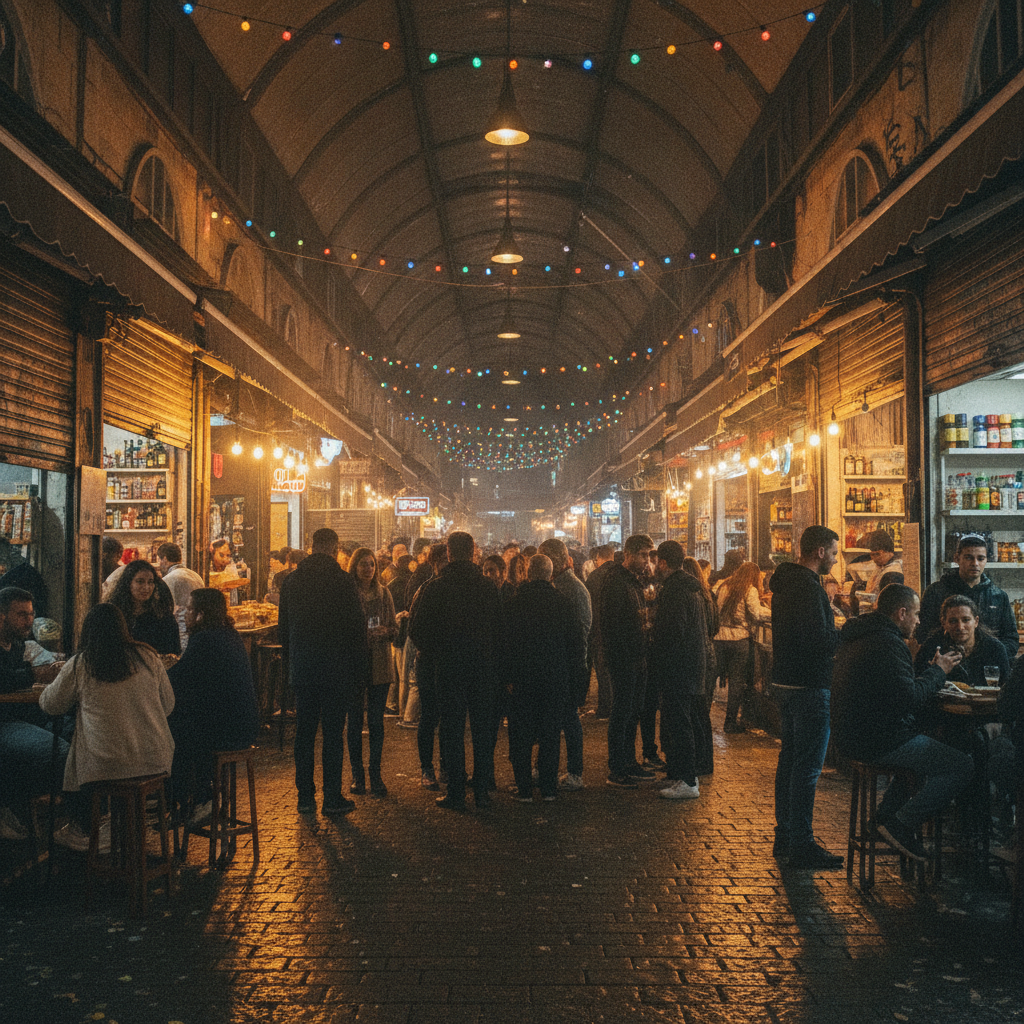
Jerusalem's Communities: Hummus Wars, Ethiopian Monks & Ultra-Orthodox Mea Shearim