Ipoh Kellie's Castle & Colonial Mystery Walk
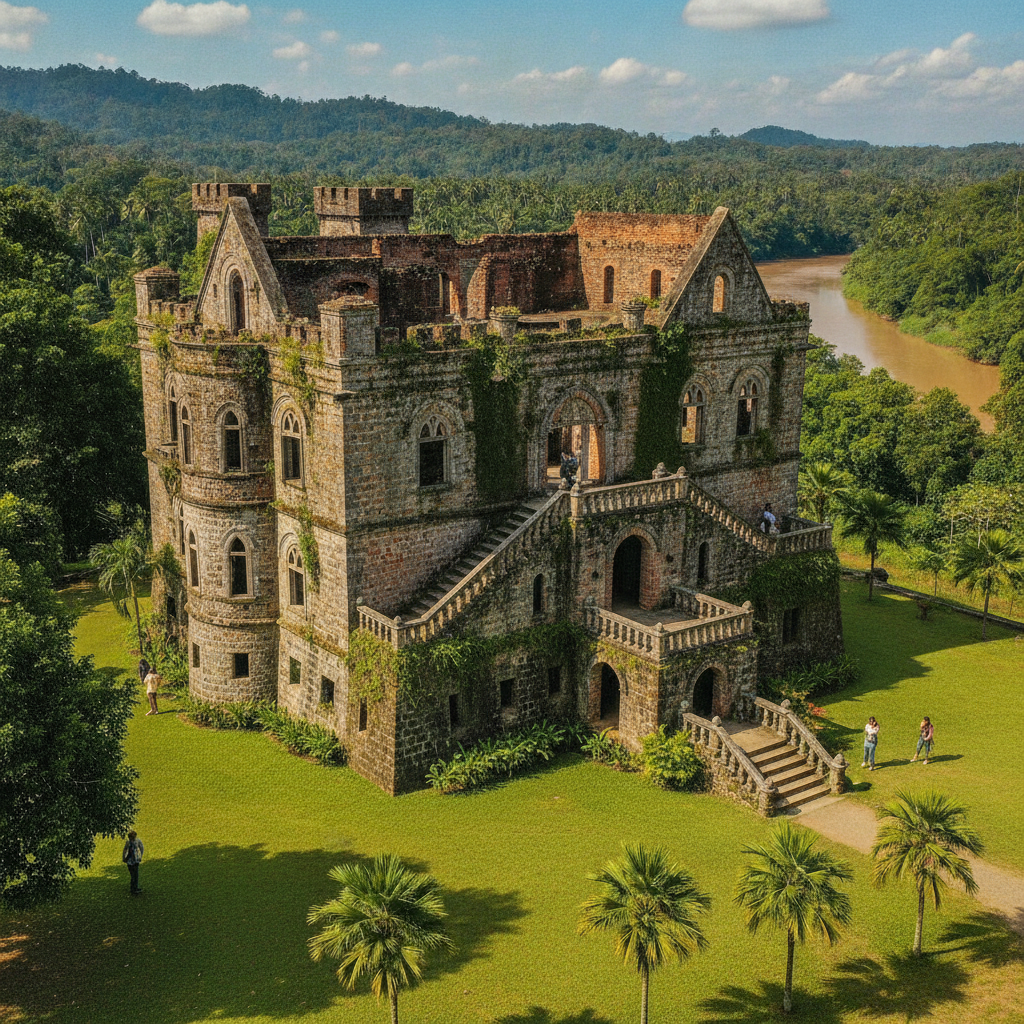
Visit Kellie's Castle — the unfinished Scottish mansion built by the rubber planter William Kellie Smith near Batu Gajah south of Ipoh is the most romantically mysterious colonial ruin in Malaysia, abandoned mid-construction after the death of its builder in 1926 and surrounded by legends of ghosts, hidden tunnels, and the eccentric ambitions of its Scottish patron.
- 1
Kellie's Castle Ruins
Kellie's Castle near Batu Gajah is the most atmospheric colonial ruin in Malaysia — the red brick and plaster mansion begun by William Kellie Smith in 1915, incorporating Moorish arches, a rooftop tennis court, a lift shaft (the first planned private lift in Malaysia), and an underground tunnel allegedly connecting the house to the nearby Hindu temple, was abandoned unfinished at the death of its Scottish builder in 1926 and has been deteriorating in the surrounding rubber estate ever since. The unfinished towers, the empty doorways, and the absence of roof over parts of the structure create a ruined castle aesthetic that is genuinely rare in tropical Southeast Asia, where the climate typically destroys abandoned buildings more rapidly.
- 2
William Kellie Smith Story
William Kellie Smith (1870-1926) was a Scottish rubber planter who came to Malaya in 1890 and built a prosperous rubber estate in Perak — his ambition to build a mansion appropriate to his success led to the construction of what became known as Kellie's Castle, a project that consumed enormous resources and was still unfinished at his death from pneumonia in Lisbon while travelling to bring his family from Scotland to Malaya. Smith's death ended the construction, his family sold the estate, and the unfinished mansion was never completed, creating the romantic ruin that contemporary visitors encounter in the rubber estate near Batu Gajah.
- 3
Hindu Temple on the Estate
The Sri Maha Mariamman Hindu temple on the Kellie's Castle estate was built by William Kellie Smith for the Tamil Indian workers who had come from South India as indentured labourers to work on his rubber estate — the temple, unusual for its location within a European-owned plantation estate, reflects the pragmatic tolerance of the Kellie Smith's labour management approach. The temple's statue gallery includes a figure said to be the image of William Kellie Smith himself, incorporated into the Hindu iconographic programme by the workers who wished to honour their employer, creating one of the most unusual cross-cultural religious images in Malaysian colonial history.
- 4
Rubber Plantation Heritage
The rubber plantations around Ipoh and Batu Gajah represent the second great colonial economic boom of the Kinta Valley after tin — the introduction of the Hevea brasiliensis rubber tree from Brazil (via Kew Gardens and the experimental plantations in Singapore) in the 1890s transformed the Perak landscape as the global demand for natural rubber, driven first by the bicycle and then by the automobile industry, made rubber planting as profitable as tin mining. The rubber estates established by British planters like Kellie Smith in the early 20th century remain in production today, though the original colonial bungalows and estate infrastructure are increasingly rare.
- 5
Batu Gajah Town Heritage
Batu Gajah (Elephant Rock) was the administrative centre of the Kinta Valley during the colonial period — the town near Kellie's Castle retains its colonial-era administrative buildings, the court house, and the District Office that managed the tin mining and rubber planting economy of the surrounding area. The town's colonial heritage is less developed for tourism than Ipoh's old town but preserves the administrative architecture of the British colonial district administration in a small town setting that is increasingly rare in a Malaysia where most such buildings have been demolished for development.
- 6
Ipoh Natural Heritage
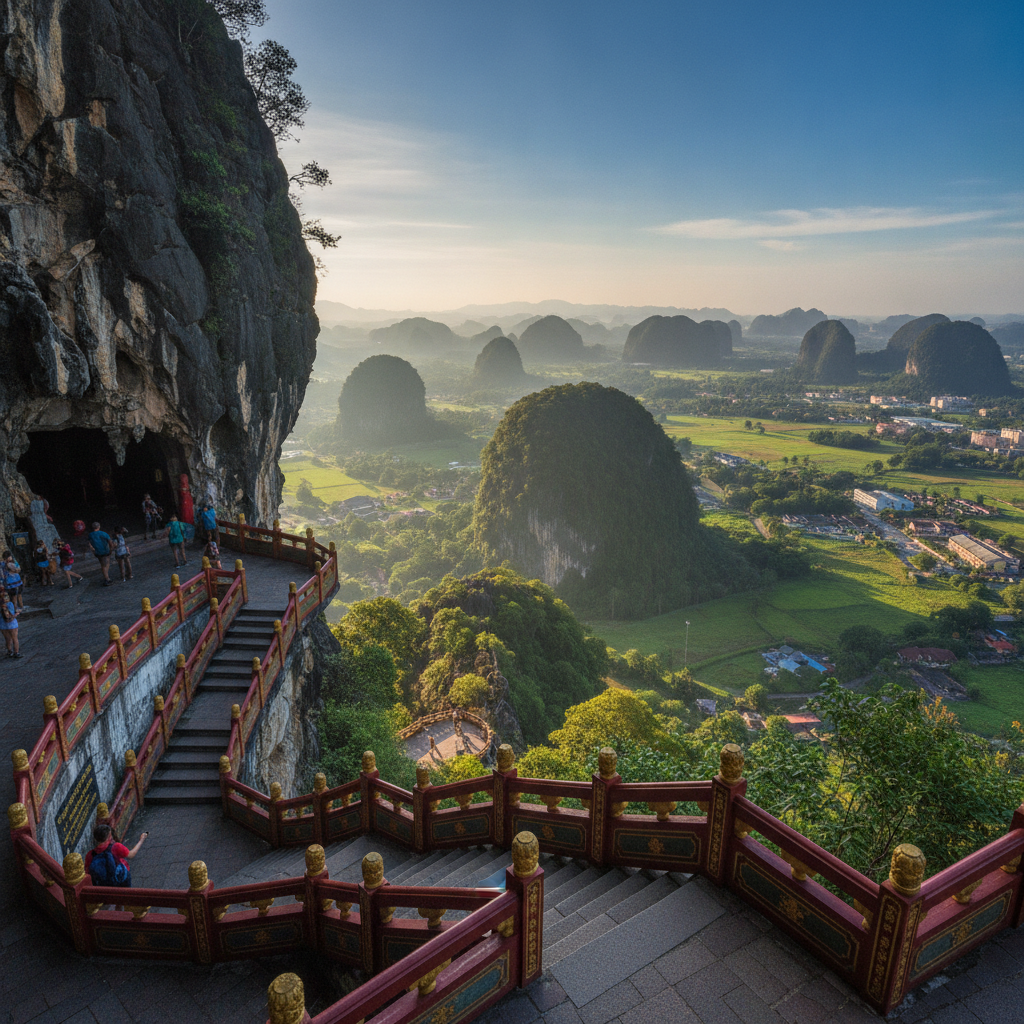
The Kinta Valley around Ipoh is one of the most biologically interesting landscapes in Peninsular Malaysia despite its intensive industrial history — the limestone karst hills that were never mined (their rock was too hard for the tin-bearing gravel to be extracted economically) have been protected as forest reserves and support a distinctive limestone flora with endemic species found nowhere else. The former tin mining ponds have become important wetland habitats, and the Kledang Hills to the west of the valley are a forest reserve protecting the primary and secondary forest ecosystem of the Bintang Range. The Ipoh Bird Race is an annual competitive birdwatching event whose bird list reflects the extraordinary diversity of the limestone hill and wetland ecosystem.
Walk this route with audio
Stories play automatically as you reach each stop — no tapping needed.