Ipoh Hakka Chinese Heritage Walk
Discover Ipoh's Hakka Chinese cultural heritage — the Hakka people from Guangdong province who dominated the tin mining industry in the Kinta Valley created the cultural institutions, cuisine, and community organisations that define contemporary Ipoh's Chinese character, making the city the most distinctively Hakka-influenced Chinese Malaysian community in the country.
- 1
Hakka Mining Community History
The Hakka Chinese who came to the Kinta Valley from the Guangdong and Fujian provinces of southern China from the 1850s onwards were the dominant labour force and the most successful entrepreneurial community in the tin mining economy — the Hakka dialect group's historical experience as migrants within China (the Hakka, meaning 'guest people', were a group who had migrated from northern China to the south over many centuries, developing a culture adapted to minority status and economic marginalisation) equipped them culturally for the migrant mining life of the Kinta Valley. The wealthiest Hakka tin mining towkays built the mansions and clan houses of Ipoh's old town, and their descendants continue to dominate several sectors of the Perak economy.
- 2
Hakka Food Traditions
Hakka Chinese food traditions are visible in the specific dishes of Ipoh's Chinese community — the yong tau foo (stuffed tofu and vegetables in a light clear broth) that is the most distinctively Hakka dish in the Malaysian Chinese food culture, the poon choi (big bowl feast) served at community celebrations, and the dried and preserved foods (preserved mustard greens, dried tofu, salted fish) that reflect the Hakka tradition of preserving food for travel and storage. The Ipoh yong tau foo is considered the finest version in Malaysia, with the tofu and fish paste stuffed vegetables served in the clear chicken broth that is the standard Ipoh version distinct from the curry sauce version served in Kuala Lumpur.
- 3
Yap Ah Loy Legacy in Kinta
The Hakka community's leadership in the Larut Wars and the subsequent political struggles for control of the Perak tin mines set the context for the British intervention that led to the establishment of colonial administration — the Ghee Hin (Cantonese) vs. Hai San (Hakka) rivalry in the control of the Perak tin mining areas was one of the key factors in the inter-ethnic and inter-factional conflict that the British used as justification for the Pangkor Treaty and the Residential system. The Hakka community's eventual accommodation with the British colonial administration provided the stable political environment in which the Kinta Valley tin mining industry expanded to global significance.
- 4
Clan Temples Kinta Valley
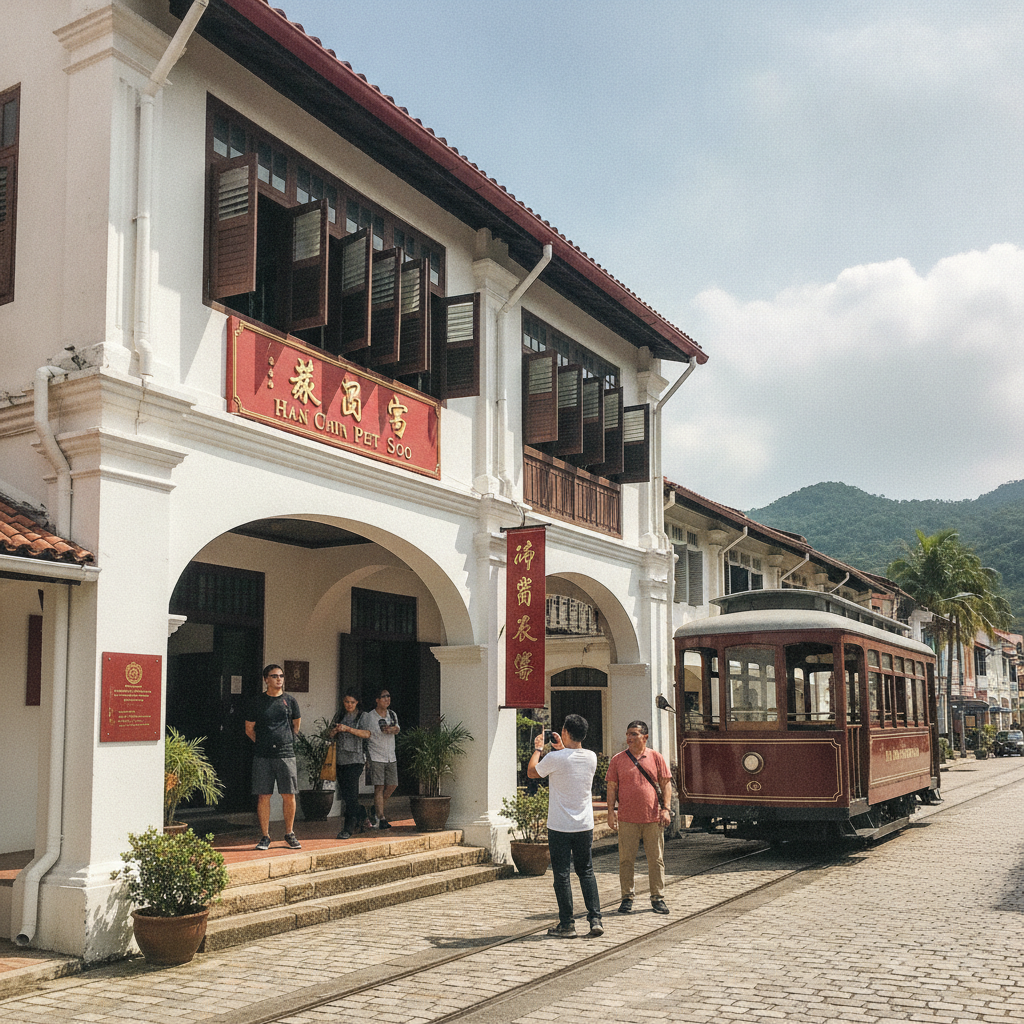
The clan temples and kongsi halls of Ipoh's Hakka community represent the most substantial surviving physical heritage of the tin mining era — the clan temples dedicated to the patron saints and ancestral figures of the Hakka community (including the Ching San Yen temple and the various kongsi halls of the major Hakka clan associations) served as the community meeting places, dispute resolution centres, and charitable organisations that managed the social life of the mining community. The temple festivals and clan association activities that continue in the contemporary Ipoh Hakka community maintain cultural connections to the mining era traditions that are increasingly rare in modernised Malaysian Chinese communities.
- 5
Ipoh Hokkien and Cantonese Quarters
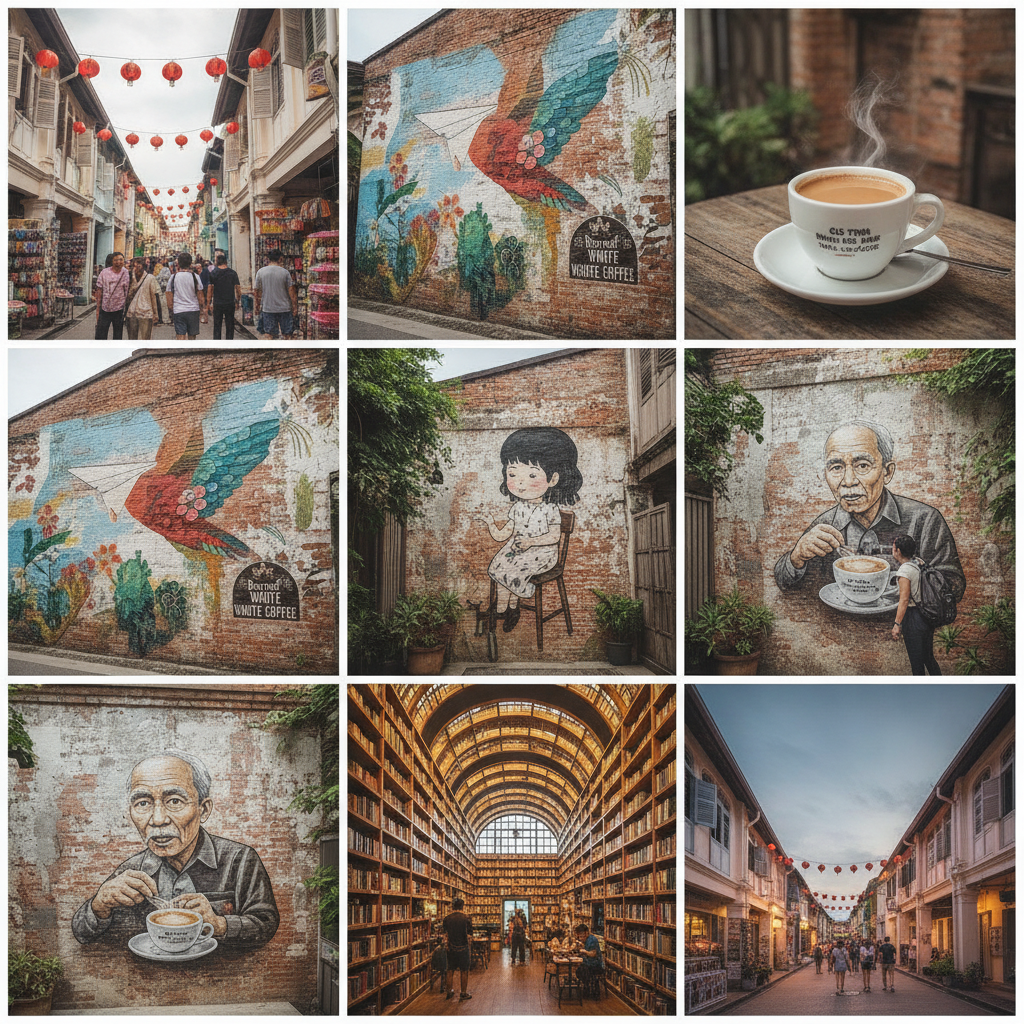
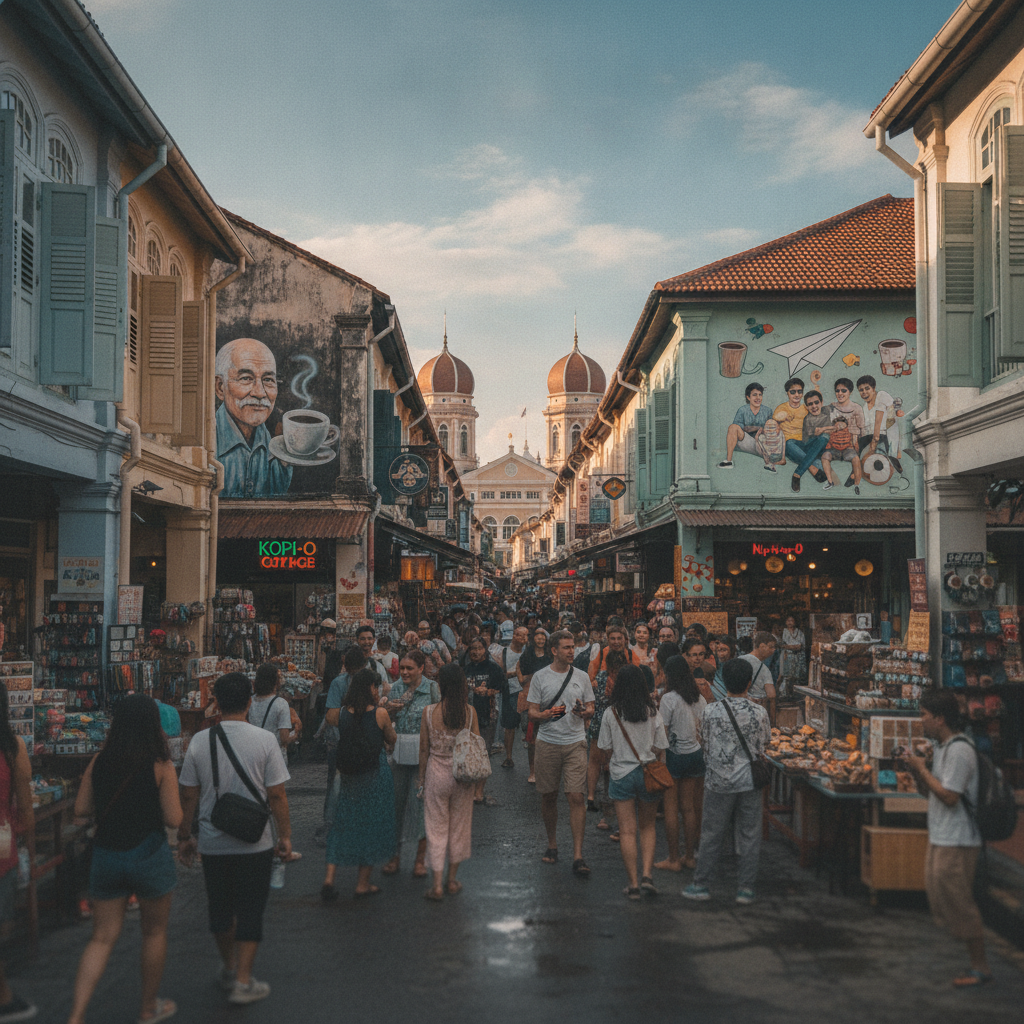
While the Hakka community dominated the Ipoh tin mining industry, the Cantonese and Hokkien communities established distinct commercial and residential quarters in the old town — the dialect-group segmentation of the colonial Chinese community, where each group occupied specific economic roles (Cantonese in skilled trades and entertainment, Hokkien in commercial trade, Hailanese in coffee shops and hotels), created the neighbourhood differentiation that is still partially visible in the spatial organisation of the old town. The kopitiam culture, dominated by the Hailanese coffee shop tradition, provides the most accessible entry point into understanding the dialect-group specialisation that structured Chinese Malaysian commercial culture.
- 6
Contemporary Ipoh Chinese Culture
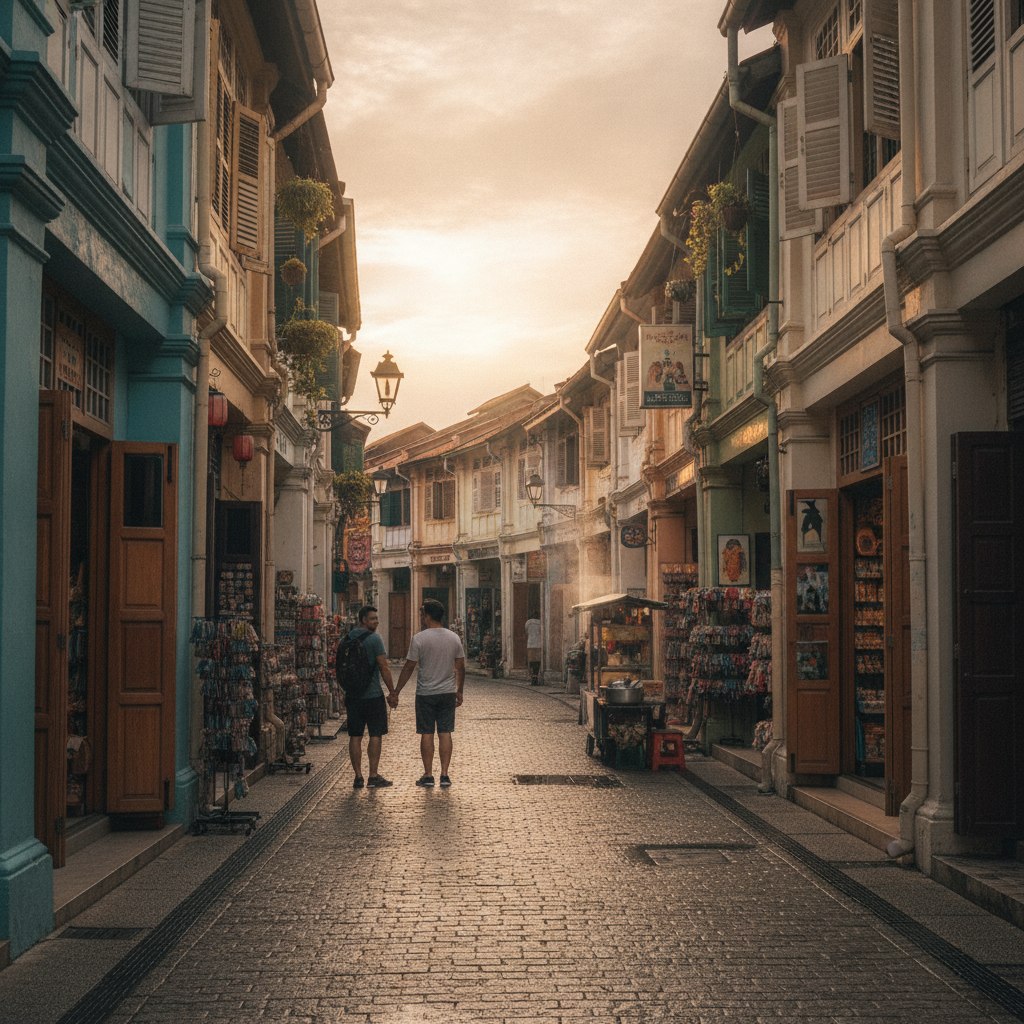
Contemporary Ipoh's Chinese community maintains a distinctive culture that combines the heritage of the tin mining era with a strong food identity and a growing heritage tourism economy — the young Ipoh entrepreneurs who have returned to the city from Kuala Lumpur to open artisanal coffee shops, heritage hotels, and specialty food stalls in the old town represent a cultural revival that builds on the old town's heritage while adapting it for contemporary tastes. The Ipoh creative economy has emerged as a model for smaller Malaysian cities seeking to leverage their heritage for economic development without the overdevelopment that has affected Penang's Georgetown.
Walk this route with audio
Stories play automatically as you reach each stop — no tapping needed.