Ipoh Food Heritage & Dim Sum Walk
Eat through Ipoh — consistently ranked as one of Malaysia's best food cities, Ipoh's reputation rests on its white coffee, its dim sum breakfast culture, the bean sprouts grown in the city's spring water, the pomelo fruit from the surrounding orchards, and the specific combination of Hakka Chinese, Cantonese, and Malay food traditions that makes the city's food culture distinctive.
- 1
Foh San Dim Sum Restaurant
Foh San (Phoenix Mountain) in Ipoh's new town is the most famous dim sum restaurant in Malaysia outside Kuala Lumpur — the weekend breakfast crowds at Foh San, where the restaurant opens at 6am and queues begin before the doors open, demonstrate the centrality of yum cha (dim sum breakfast) to Ipoh Chinese culture. The trolleys of har gow (prawn dumplings), siu mai (pork dumplings), char siu bao (barbecued pork buns), and the more unusual Ipoh-specific dim sum items (including the Ipoh har gao that is considered to have a superior prawn flavour due to the freshwater springs) circulate through the dining room in the traditional trolley service format that is now rare in Malaysian restaurants.
- 2
Ipoh Bean Sprout Chicken
Ipoh bean sprout chicken (nga choy kai) is the dish that food enthusiasts specifically travel to Ipoh to eat — the combination of the Ipoh-specific bean sprouts grown in the city's limestone spring water (which produces unusually fat, crunchy sprouts without the fibrous tails of standard beansprouts) with poached chicken served with a dipping sauce of ginger, sesame, and soy is the dish that best represents Ipoh's claim to culinary distinction. The bean sprout chicken is available at numerous stalls and restaurants in the city, but the most celebrated versions at the old town shops on Jalan Yau Tet Shin maintain the original preparation method.
- 3
Ipoh White Coffee Kopitiam
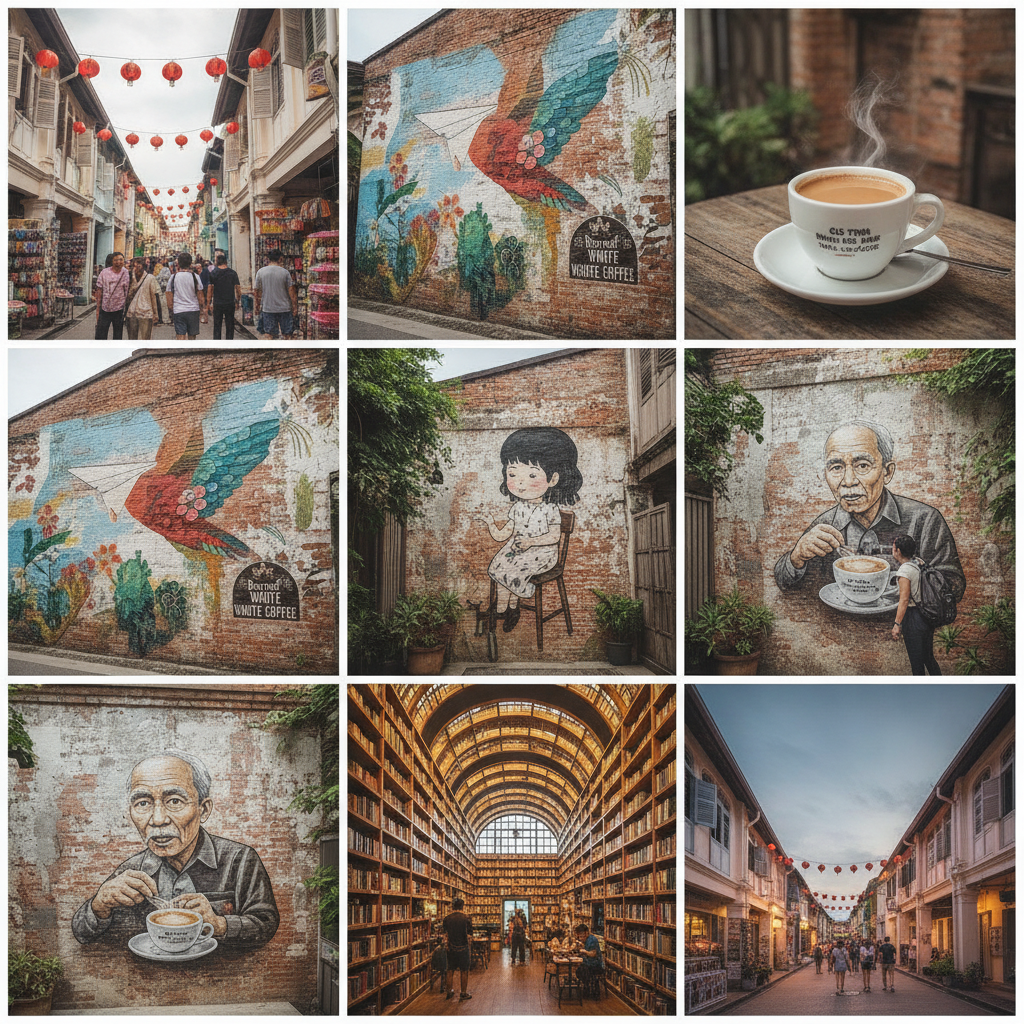
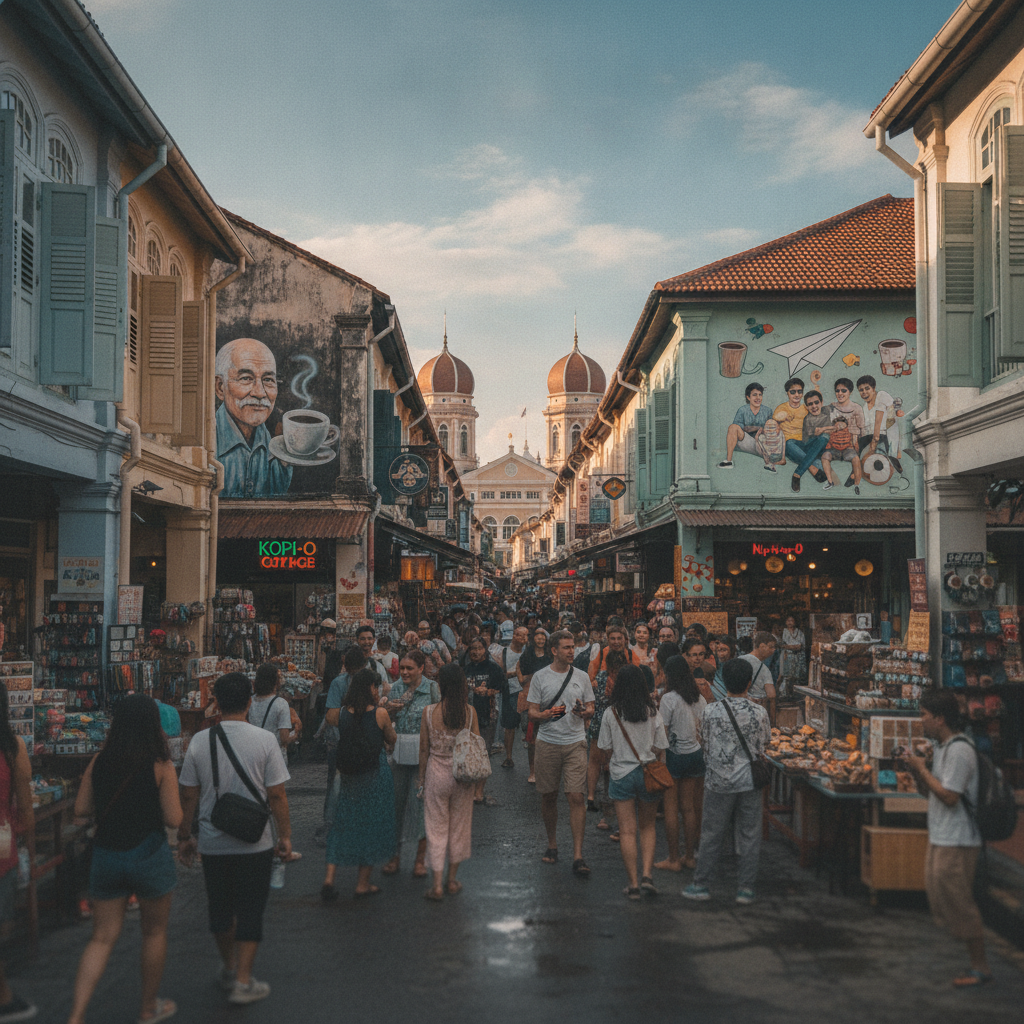
The white coffee culture of Ipoh is inseparable from the kopitiam (traditional coffee shop) tradition — the Hailanese coffee shop owners who came to Ipoh during the tin mining boom and established the coffee roasting and preparation tradition that became Ipoh white coffee served their coffee in marble-top table kopitiam with ceiling fans and the informal sociability of the traditional Chinese coffee shop. The original white coffee kopitiams of Sin Yoon Loong (on Jalan Bandar Timah) and Nam Heong (in the old town) maintain the traditional format and recipe that the commercial instant version sold throughout Malaysia approximates but cannot duplicate.
- 4
Ipoh Pomelo Orchards
Ipoh is surrounded by pomelo orchards producing the fruit that is the city's most celebrated agricultural product — the Tambun pomelo (Citrus maxima var. Tambun) grown in the limestone-rich soils of the Tambun area southeast of the city produces fruit of unusual size, sweetness, and the thick white pith that the best pomelo varieties require. The Ipoh pomelo is consumed fresh (the firm, sweet flesh separated from the pith in segments), used in Nyonya cooking (in rojak and salads), and sold at the fruit stalls of the city's markets as the definitive Ipoh souvenir food.
- 5
Old Town Curry Mee
Ipoh curry mee (curry noodles) is a specific and celebrated version of this Malaysian noodle soup — the Ipoh version served with yellow noodles and bee hoon (rice vermicelli) in a coconut milk and curry leaf broth, topped with prawns, cockles, bean curd puffs, and pig's blood (optional), represents the specific adaptation of the curry noodle tradition in the Ipoh Chinese community. The old town curry mee stalls that have been serving the same recipe for generations are identified by food writers and local residents as irreplaceable, and the best versions are famous enough to attract specific pilgrimages from food tourists.
- 6
Ipoh Taugeh Ayam Stalls
The taugeh ayam (bean sprout chicken) stall culture of Ipoh old town is one of the most specialised single-dish restaurant traditions in Malaysian food culture — the stalls that have served only this single dish for 50 or more years demonstrate the Ipoh culinary philosophy of perfecting a single preparation rather than diversifying. The queueing culture at the best-known taugeh ayam stalls, where the tables turn over three times in a morning service and visitors from Kuala Lumpur specifically drive 200km for a bowl, represents the most extreme expression of the food pilgrimage tradition in Malaysian food tourism.
Walk this route with audio
Stories play automatically as you reach each stop — no tapping needed.