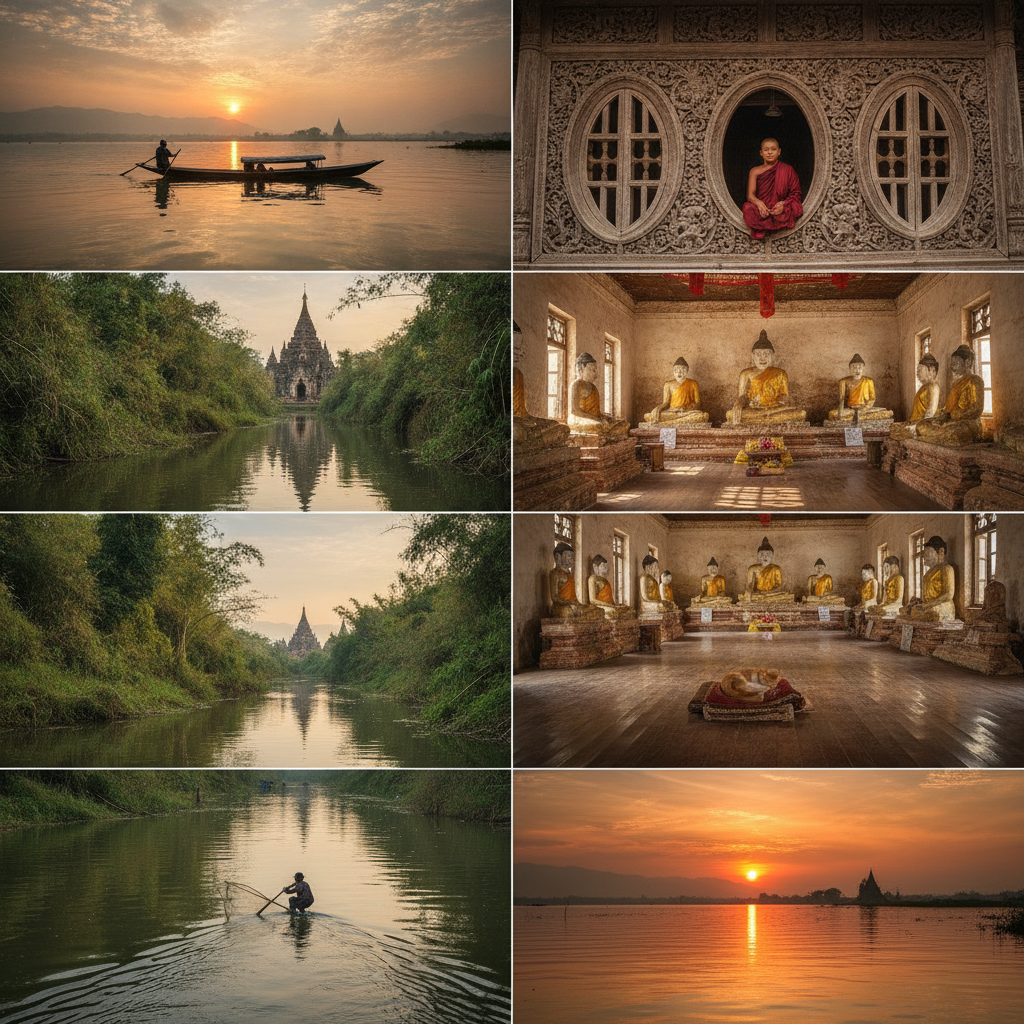
Inle Lake Monastery & Temple Walk
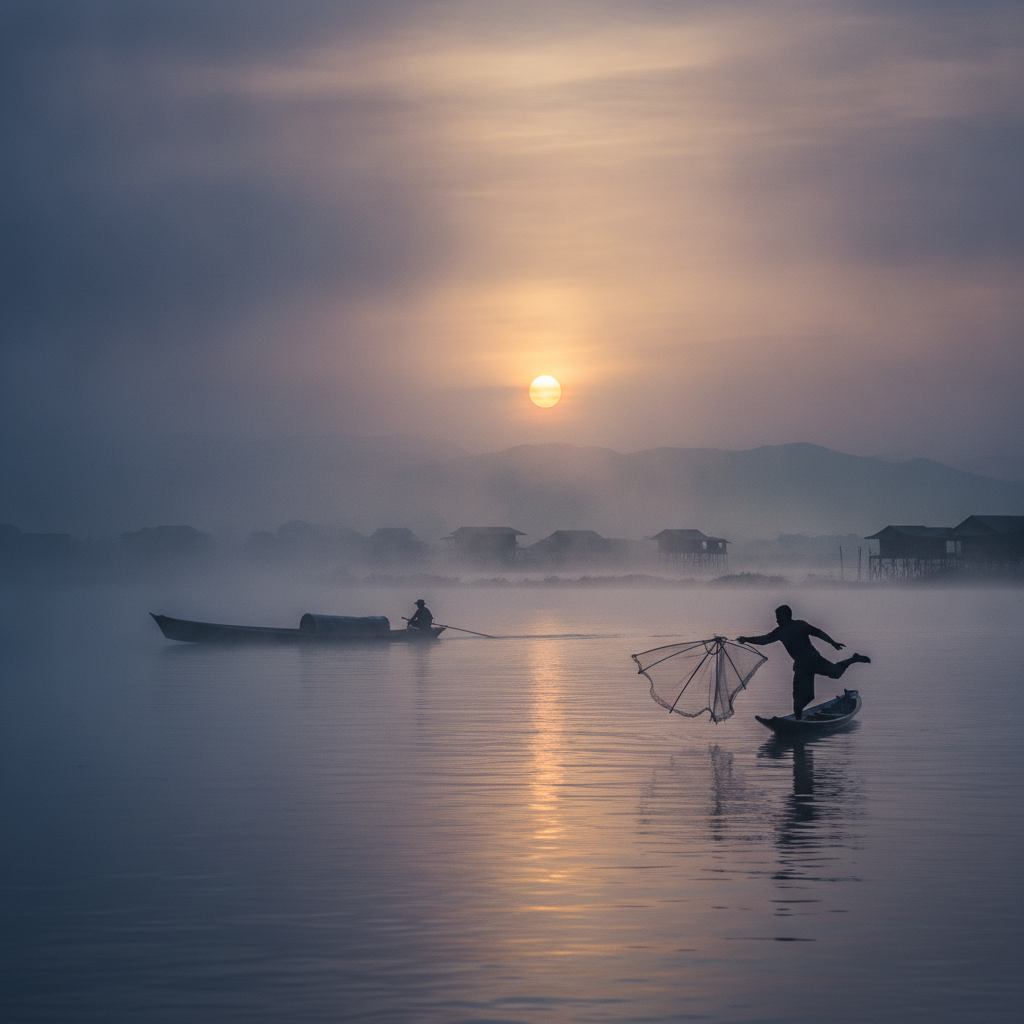
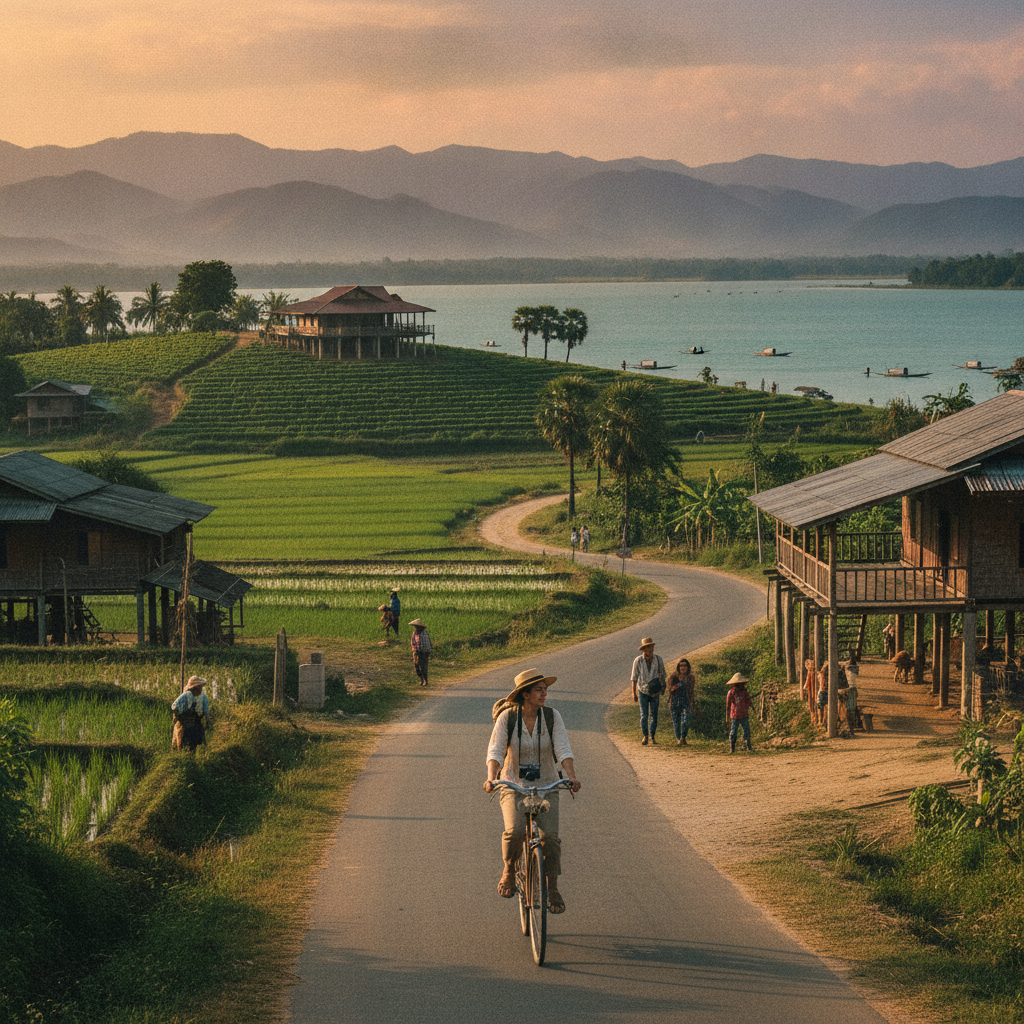
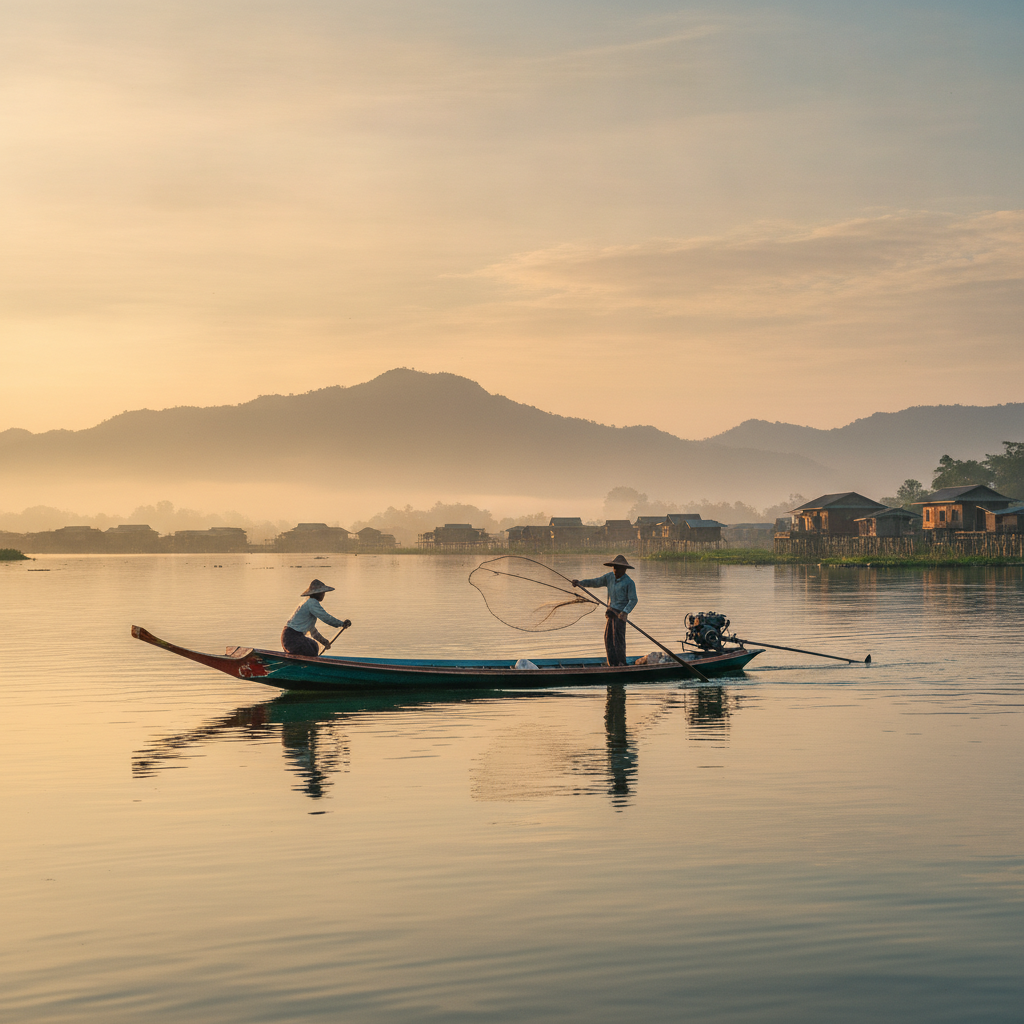
Discover the monasteries of Inle Lake — the lake and its surrounding communities have accumulated an extraordinary collection of Buddhist monasteries, both the ancient stilted wood structures on the lake surface and the hilltop pagodas above the water, reflecting the deep Buddhist devotion of the Intha and Shan communities.
- 1
Shwe Yaunghwe Kyaung
Shwe Yaunghwe Kyaung (the monastery at the entrance to Nyaungshwe, the most architecturally notable monastery accessible at the lake gateway, famous for its distinctive oval windows — the series of oval-shaped windows in the main prayer hall that are the most photographically distinctive architectural feature of any building in the Inle Lake area) is the most visited single building in Nyaungshwe — the oval windows (through which the monks and the monastery's interior are visible from the courtyard, the framing of the monastic figures within the oval apertures creating the most immediately recognisable image of the Inle Lake religious architecture) were an architectural innovation of unknown origin that has become the most replicated single decorative element in the Nyaungshwe area's newer religious constructions. The monastery's active monastic community (the monks visible through the windows in the morning at prayer and study) is the most directly observable religious community accessible at the Inle Lake town.
- 2
Alodawpyei Monastery Lake
The Alodawpyei floating monastery complex (accessible by boat from the main lake circuit, the compound of interconnected stilted religious buildings including the main prayer hall, the monks' residence, and the novitiate school built on the lake surface) is the most atmospherically located religious community accessible during the Inle Lake boat tour — the monastery's position on the open lake (surrounded by the floating gardens, with the mountain backdrop of the Shan Hills visible in all directions) creates the most dramatically situated single Buddhist community accessible in Myanmar. The monastery's residents (the monks and novice monks whose orange robes provide the most vivid colour contrast with the grey-green lake surface visible from the approaching boat) and the community's daily routine (the prayers, the study, and the alms collection that continues uninterrupted despite the tourist boat traffic) is the most directly observable expression of the lake monastic tradition.
- 3
Hpaung Daw U Festival Barge
The Hpaung Daw U (Phaung Daw Oo) royal barge (the replica of the traditional royal barge used to transport the five sacred Buddha images around the lake during the annual Hpaung Daw U Festival) is displayed permanently at the pagoda compound when not in ceremonial use — the golden karaweik (the mythical bird-shaped barge, with the two carved bird-heads at the prow and the glittering golden superstructure) is the most elaborate single ceremonial object accessible at Inle Lake. The festival itself (the most important annual religious event at Inle Lake, held during the September-October full moons when the five images are carried on the barge around the lake for two weeks, with the leg-rowing regatta (the most competitive and most celebrated sporting event of the Myanmar Shan State cultural calendar) held during the festival) is the most completely immersive cultural event accessible at the lake for visitors arriving during the festival period.
- 4
Thaung Tho Tribal Monastery
The Thaung Tho tribal marketplace (held on the specific days in the five-day rotating market cycle when the market is located at the Thaung Tho monastery compound on the southern lake) is the most completely multicultural single market event accessible at Inle Lake — the Thaung Tho market (which draws a larger and more ethnically diverse range of highland communities than the other rotating market locations) is known for the attendance of the Pa-O, Danu, Taung-yo, Kayah, and Shan communities in their respective traditional dress, creating the most visually diverse ethnic gathering accessible at any market in Myanmar. The monastery compound's role as the market venue (the temporary stalls set up in the monastery courtyard and the surrounding grounds, with the religious complex providing the community focal point for the commercial gathering) is the most direct expression of the monastery's social function in the Inle Lake area communities.
- 5
Shan Buddhist Monastery Life
The Shan Buddhist monastery tradition (distinct from the Burmese Theravada tradition in its incorporation of Mahayana elements, its distinctive architectural style, and its closer integration with the Shan royal court tradition) is most directly accessible at the older monasteries in the villages surrounding the Inle Lake where the traditional Shan Buddhist practice is maintained by the established monastic communities — the Shan monastery's architectural characteristics (the multi-tiered roof with the distinctive upswept eaves and the gilded pyatthat (royal pavilion-style tower) rising above the main prayer hall) and the community's distinctive festival traditions (the Shan New Year celebrations, the Shan water festival that precedes the Burmese Thingyan by several days) make the Shan Buddhist tradition the most culturally distinctive religious practice accessible in the Inle Lake area.
- 6
Ancient Stupas Hilltop
The hilltop stupas visible above the Inle Lake basin (the ancient Shan-style pagodas on the ridgelines surrounding the lake, accessible by the forest paths from the lakeside villages and providing the panoramic views of the lake below) are the most elevated sacred sites accessible from the Inle Lake base — the hilltop pagodas (the tiered Shan stupa forms, their white-washed surfaces visible from the lake below against the green hillside backdrop) represent the Shan Buddhist tradition of siting the most sacred religious structures on the most commanding topographic position. The views from the hilltop pagoda terraces (the full breadth of the Inle Lake visible below, the floating gardens and the stilted village clusters visible from above, and the mountain ranges of the Shan Plateau extending to the horizon) provide the most completely geographical perspective on the Inle Lake landscape accessible without helicopter access.
Walk this route with audio
Stories play automatically as you reach each stop — no tapping needed.