Helsinki Day Trips & Connections — Porvoo Old Town, the Tallinn Ferry & the Finnish Archipelago
Helsinki's position at the heart of the Baltic connects it uniquely: the 2-hour ferry to Tallinn makes the Estonian capital a practical day trip, the 50km to the Porvoo medieval old town is a 1-hour bus ride, and the Finnish archipelago extends directly from the South Harbour.
- 1
Porvoo — the Red Warehouses and the Medieval Old Town
Porvoo (Borgå in Swedish, the second-oldest city in Finland, 50km east of Helsinki, the bus from the Helsinki Kamppi terminal in 1 hour at €9 return — the Porvoo Bus departing 3-4 times daily, the most popular day trip from Helsinki for Finnish domestic tourists): the old town (the Vanha Porvoo, the area north of the Porvoo River with the cobblestoned medieval street grid and the coloured wooden houses, the most authentically preserved small historic town in Finland — the 18th-century wooden buildings in the ocher, yellow, and red paint schemes of the Swedish period, the streets Välikatu, Jokikatu, and Kirkkotori the most photogenic, the Cathedral on the hill visible above the rooftops from the river bank), the red warehouses (the Porvoo River waterfront with the distinctive red-painted wooden warehouses — the colour of the iron-oxide paint used for waterproofing since the 18th century, the warehouses originally storing the goods landed at the Porvoo port on the river, the buildings now housing the restaurants, cafes, and artisan shops on the ground floor with the original warehouse structure above, the image of the red warehouses in the river reflection the most reproduced Finnish townscape photograph after the Rauma old town), the Brunberg chocolate shop (Kuningattarenkatu 13, the family chocolate maker since 1871, the most famous Finnish chocolate brand not called Fazer, the Brunberg strawberry chocolates the most purchased Porvoo souvenir, the shop with the production visible through the window, open Monday-Friday 9am-6pm, Saturday 9am-5pm) and the Porvoo Cathedral (the stone cathedral of the 15th century, the most important medieval church in southern Finland, the cathedral the site of the 1809 Diet of Porvoo where Tsar Alexander I confirmed the rights of the Grand Duchy of Finland, free, open May-September Monday-Saturday 10am-6pm, Sunday 2pm-5pm).
- 2
The Tallinn Ferry — the World's Busiest Short Sea Route
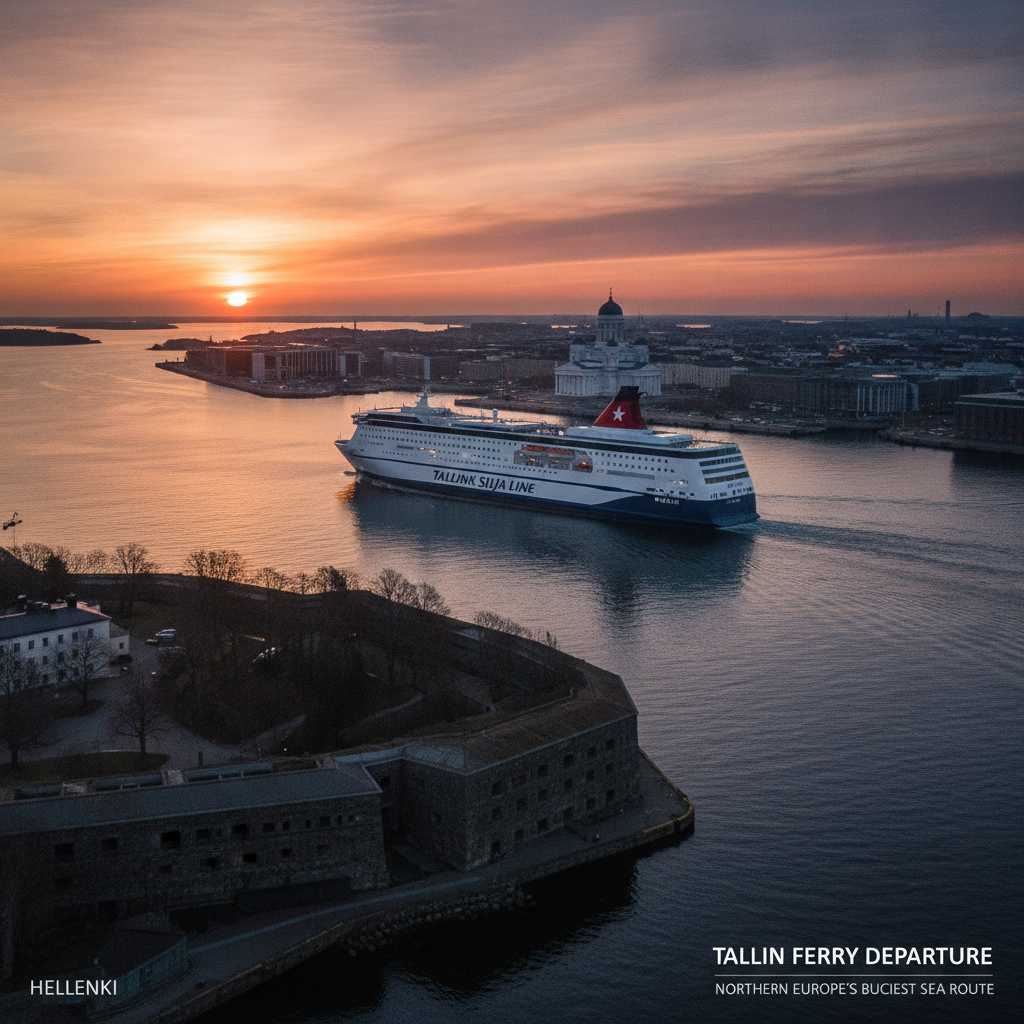
The Helsinki-Tallinn ferry (the most used international sea crossing in the world by frequency — 9 million passengers per year on the 85km crossing, the 2-2.5 hour sailing operated by Tallink Silja and Viking Line with 8-12 sailings daily in each direction, the ferry a practical day trip from Helsinki or a 2-night Tallinn excursion): Tallink Silja (the Estonian company, the megaferries Baltic Princess, Star, and Silja Europa carrying 2,500+ passengers, the onboard facilities including the restaurants, the duty-free shops, the bars and the entertainment — the crossing becoming a destination in itself particularly for the Finnish passengers purchasing the duty-free alcohol — the day crossing at €30-50 return from Helsinki booked 2 weeks in advance, the overnight crossing with a cabin at €70-120 per person), Viking Line (the Finnish company, the vessels Viking XPRS and Viking Grace — the Grace powered by LNG natural gas, the most environmentally advanced large ferry in service at its 2013 launch — at comparable prices to Tallink), the ferry terminals (the Helsinki South Harbour terminal at Olympialaituri, 1km from the Cathedral, walkable in 15 minutes or by tram 4 in 5 minutes, the Tallinn Old City Harbour terminal 1km from the Tallinn Old Town, walkable in 15 minutes along the waterfront — the two most conveniently located city-centre ferry terminals in Northern Europe) and the one-day Tallinn itinerary (the 8am departure from Helsinki arriving Tallinn 10am, the 6 hours in Tallinn: Senate Square and the Old Town in the morning, lunch at the Rataskaevu restaurant, the afternoon in Kadriorg Park and the KUMU museum, the 6pm return ferry arriving Helsinki 8pm — the most complete one-day European capital visit available by ferry).
- 3
The Helsinki Archipelago — 10,000 Islands
The Helsinki archipelago (the 10,000+ islands and skerries of the outer Helsinki coastline, the landscape of the Finnish archipelago — the smooth granite skerry rocks worn by the last Ice Age glacier, the dark pine forest reaching to the water's edge, the red summer cottages on the island shores — the landscape the correct setting for the Finnish concept of mökki, the summer cottage life that defines the Finnish summer experience for 2 million Finns who leave the cities for their island and lake cottages from Midsummer to late August): the accessible outer islands (the island of Vallisaari — the former Russian and Finnish military island, declared a national park 2016, the ferry from the Market Square May-September at €16 return, the island with the derelict military buildings in the forest, the nature reserve with the nesting ospreys and the orchid meadows, the most atmospheric island within the Helsinki harbour — and the island of Pihlajasaari — the leisure island 3km from the city centre, the ferry from the Merisatama pier in Eira in 5 minutes at €6 return, the sandy beach and the naturist beach, the kiosk selling ice cream and coffee, the most popular Helsinki summer swimming destination for city residents), the archipelago boat tour (the 2-hour Royal Line boat tour from the Market Square at 10am and 2pm daily June-August, €28 adults, the narrated tour passing Suomenlinna and the outer archipelago islands, the best single introduction to the archipelago landscape) and the mökki experience (the cottages rentable through the Visit Finland cottage rental platform at mökit.fi, the summer cottage in the Helsinki archipelago at €500-1,500 per week for a 4-person cabin, the correct way to experience the Finnish summer outside the city hotel).
- 4
Finnish Lapland — the Northern Lights and Reindeer
Finnish Lapland (the northernmost region of Finland, 800-1,200km north of Helsinki, the landscape of the subarctic tundra, the ancient fells — the rounded Arctic mountains — the reindeer herds, and in winter the most reliable Northern Lights viewing in Europe): access from Helsinki (the Finavia flights from Helsinki-Vantaa Airport to Rovaniemi — the gateway city of Finnish Lapland, home of the official Santa Claus Village — in 1.5 hours at €80-180 return booked in advance, the overnight train the VR sleeping car service from Helsinki Central Station to Rovaniemi in 12 hours at €60-130 per person in a shared couchette, the most scenic approach in the daylight hours of spring and autumn), the Northern Lights (aurora borealis, the electromagnetic phenomenon caused by solar particles interacting with the Earth's atmosphere, visible as the green and occasionally red and violet curtains of moving light in the night sky, the season September-March when the nights are dark enough for visibility, the best viewing in cloudless conditions away from artificial light, the Saariselkä, Levi, and Ylläs ski and activity resorts the most visited aurora viewing destinations, the Finnish Meteorological Institute app 'My Aurora Forecast' the best predictor for the Helsinki and Lapland aurora viewing conditions), Santa Claus Village (Napapiiri, at the Arctic Circle at Rovaniemi, the official home of Santa Claus — the branded experience created for the international tourism market including the reindeer safaris, the husky sleds, the snowmobile tours, the aurora viewing cabins with the glass ceiling, the packages from €200-500 per person per day in December-January the peak season) and the midnight sun (in Finnish Lapland from late May to late July, the sun does not set — the midsummer sun at Inari 300km above the Arctic Circle remains visible for 70+ consecutive days, the midnight sun hike the most elemental Finnish experience of the summer season).
- 5
Midsummer in Finland — Juhannus and the Finnish Summer
Juhannus (Finnish Midsummer, celebrated on the Friday and Saturday closest to June 24, the most important holiday in the Finnish calendar after Christmas — the celebration of the summer solstice, the light, and the countryside, the holiday when 80 percent of Helsinki's population leaves the city for their summer cottages and the city empties to an unusual degree): the traditional celebration (the bonfires on the lakeshore or the sea coast at midsummer — the kokko, the midsummer bonfire, traditionally built on the lakeshore, the fire lit at dusk on Midsummer Eve Friday when the sun barely sets in southern Finland, the bonfire the gathering point for the community or the family group, the sausages grilled on the fire, the sauna in the lake-shore smoke sauna, the swimming in the lake at midnight in the perpetual twilight — the most Finnish of all experiences and the most difficult to access for visitors without a Finnish contact), Helsinki in Midsummer (the city largely empty from Thursday to Monday, the few visitors who remain having the Senate Square and the Market Square almost to themselves, the Suomenlinna fortress islands spectacularly uncrowded, the Helsinki clubs and bars open but relatively quiet, the unique atmosphere of a European capital operating at 10 percent capacity — the opposite of the peak tourist season), and the visitor options (the Visit Helsinki Midsummer Event at the Seurasaari Open-Air Museum, Seurasaarentie, the traditional midsummer celebration organized for visitors at the outdoor museum on the island 4km west of the city centre, accessible by bus 24, the bonfire lighting ceremony Friday evening at 9pm, free entry, the most accessible authentic Midsummer celebration for visitors to Helsinki without a cottage invitation).
- 6
The Three Baltic Capitals Circuit — Helsinki, Tallinn, Riga, Vilnius
The Baltic capitals circuit (the standard multi-city Baltic itinerary combining Helsinki with the three Baltic state capitals — Tallinn, Riga, and Vilnius — in a single 7-10 day trip, the most efficient format for visitors wanting the full range of the Baltic region): the standard routing (the majority of visitors fly into Helsinki, take the Tallinn ferry on day 2, travel by Lux Express bus Tallinn-Riga on day 4, travel Riga-Vilnius by bus or train on day 6 or 7, and fly home from Vilnius — the south-to-north reverse works equally well, flying into Vilnius and out of Helsinki, the ferry the natural transport highlight of the circuit), time allocation (Helsinki 2 nights the minimum for the Cathedral, the Suomenlinna fortress, and the sauna — the city merits 3 nights for the full museum circuit and the day trip to Porvoo; Tallinn 2 nights for the complete Old Town including Kadriorg and the KGB floor of Hotel Viru; Riga 2 nights for the Old Town, the Art Nouveau district, and the Central Market; Vilnius 2-3 nights for the Old Town, the Paneriai Holocaust Memorial, the KGB Museum, and the day trip to Trakai), the practical transport (the Lux Express luxury bus covering Tallinn-Riga in 4.5 hours at €15-25, Riga-Vilnius in 4.5 hours at €15-20, the bus the cheapest and most comfortable inter-Baltic transport for the visitor without a rental car, the WiFi on board reliable, the seats the most spacious of any European budget long-distance bus, tickets at luxexpress.eu) and the cumulative theme (the four cities the most historically layered in the eastern Baltic — the Hanseatic trade, the Swedish and Russian Imperial rule, the Soviet occupation, and the restored independence all visible in the same week in the streets and the museums of each capital).
Walk this route with audio
Stories play automatically as you reach each stop — no tapping needed.
More in helsinki
Helsinki Museums & Finnish History — the National Museum, Ateneum & the Finnish Cultural Identity
Helsinki Design & Architecture — Alvar Aalto, Finnish Modernism & the Design Capital of Scandinavia
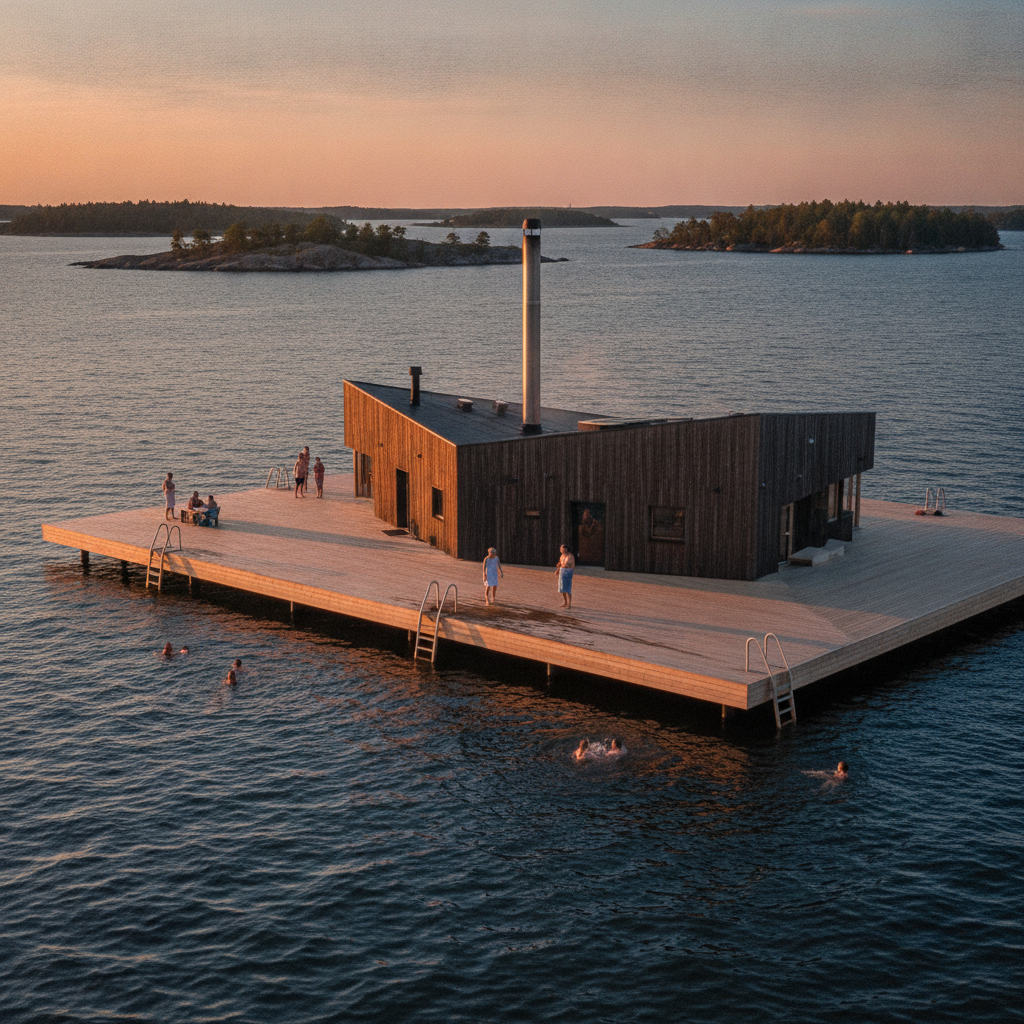
Helsinki Sauna Culture & Nordic Nature — Public Saunas, Island Life & the Finnish Outdoor Tradition
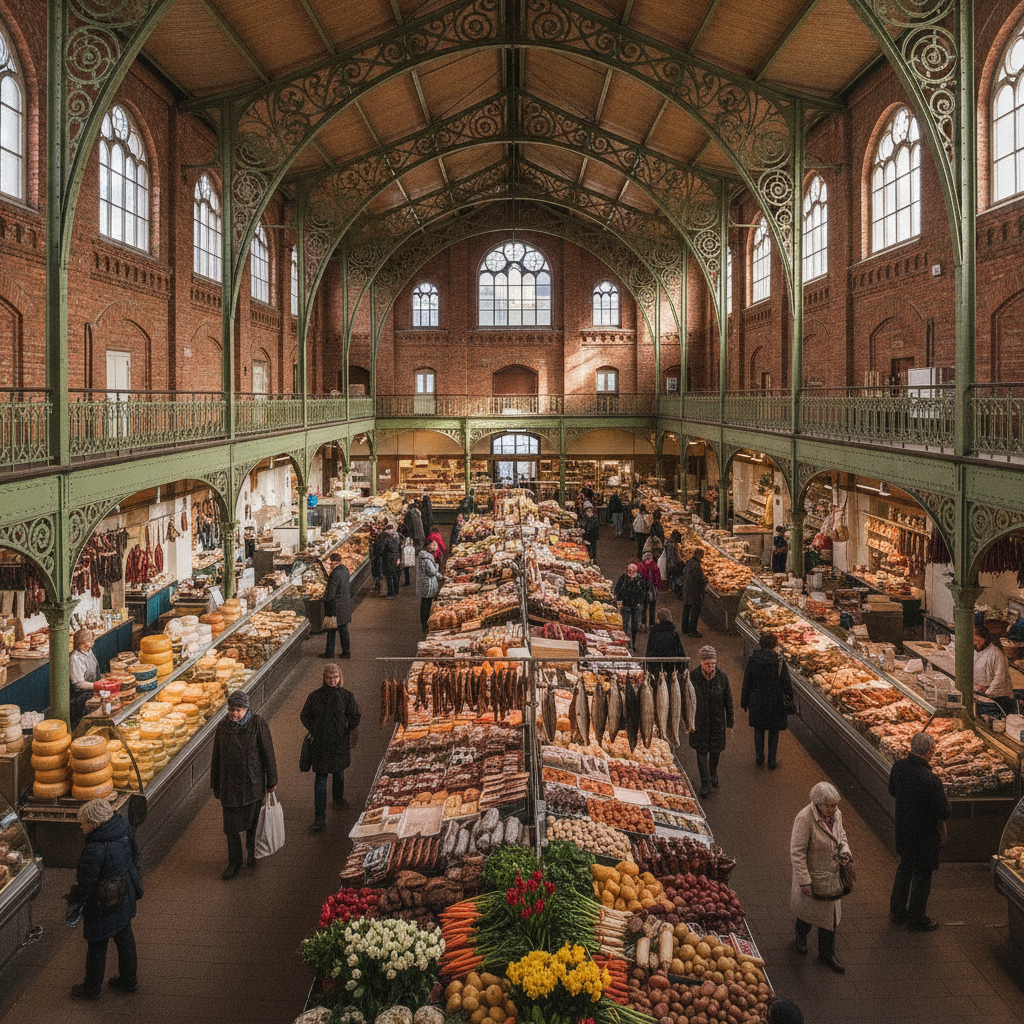
Helsinki Food & Markets — Nordic Cuisine, Hakaniemi Market Hall & the Finnish Culinary Tradition