Helsinki Food & Markets — Nordic Cuisine, Hakaniemi Market Hall & the Finnish Culinary Tradition
Finnish food is undergoing a renaissance — the New Nordic movement arriving in Helsinki 5 years after Copenhagen, the traditional ingredients of the Finnish forest and sea (cloudberries, chanterelles, pike-perch, reindeer, rye) reinterpreted in the contemporary restaurant kitchens that have placed Helsinki in the European fine-dining conversation.
- 1
The Hakaniemi Market Hall — Authentic Helsinki Food
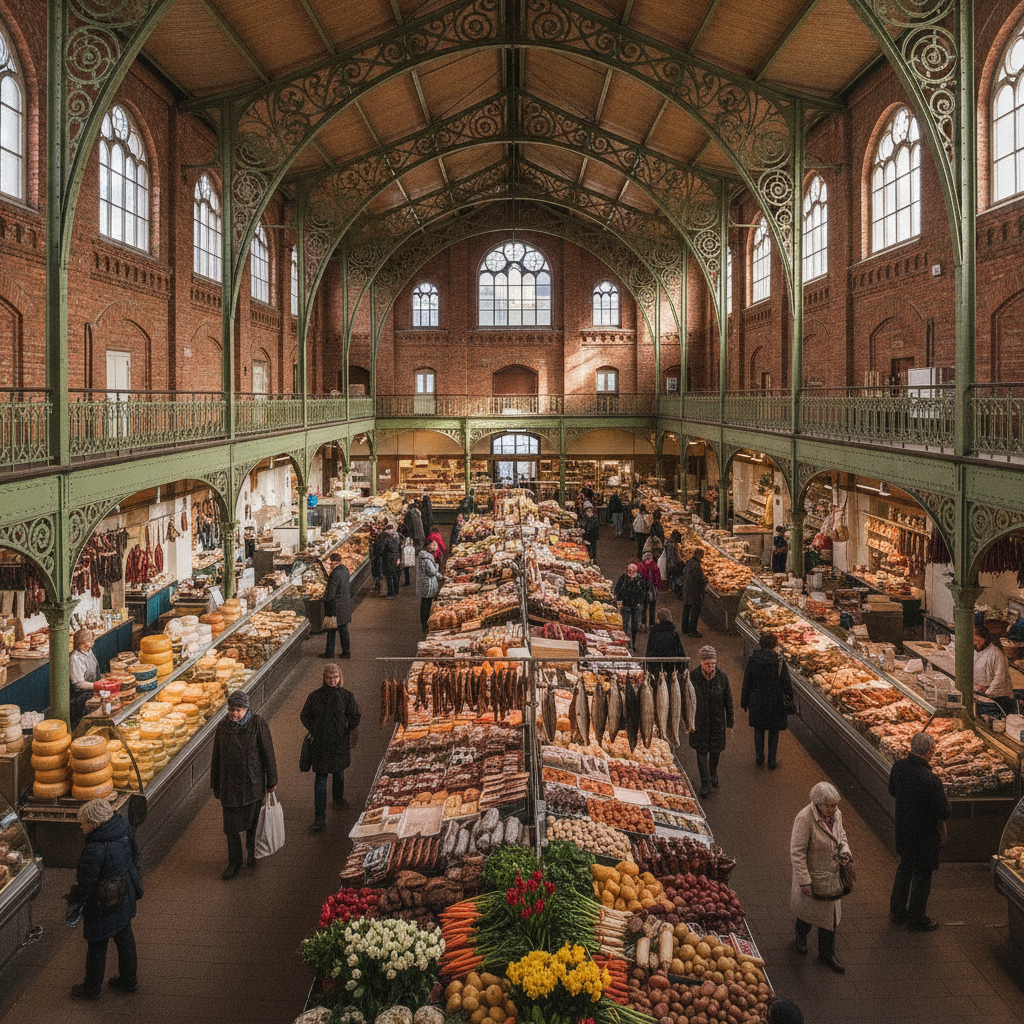
Hakaniemi Market Hall (Hakaniemen kauppahalli, Hakaniementori 1, the 1914 Jugendstil covered market in the Kallio district accessible by tram 6 or 9 from the city centre in 10 minutes, the most authentic food market in Helsinki — the market used by the Helsinki residents rather than primarily by tourists, the 2-storey red brick building with the arched windows and the iron interior structure, the stalls on the ground floor selling the Finnish artisan food, open Tuesday-Friday 8am-5pm, Saturday 8am-4pm): the essential stalls (the Finnish rye bread — the hapanleipä and the ruisleipä in the round and the rectangular forms, the bread baked daily by the Finnish artisan bakeries represented at the market — the Finnish farmer cheeses at the dairy stalls, the semi-hard and soft cheeses of the Finnish dairy cooperatives, the leipäjuusto — the squeaky cheese — grilled and served with cloudberry jam the traditional Finnish cheese preparation — the smoked and fresh fish at the fish stall, the Baltic herring and the pike-perch the Finnish freshwater specialties — and the reindeer products from Lapland: the smoked reindeer meat — poronliha — the dried reindeer jerky, the reindeer sausages, and the reindeer tongue, the full range of the Finnish Arctic meat tradition at the northernmost stalls of the market), the market upper floor (the gallery of small restaurants serving the Finnish market lunch — the fishcakes, the meatballs in cream sauce, the pea soup with the rye bread — the market lunch the most correct and most affordable traditional Finnish meal in Helsinki at €10-14 per portion).
- 2
The Baltic Herring Market — the October Tradition
The Helsinki Baltic Herring Market (Silakkamarkkinat, the annual outdoor fish market held on the Market Square in early October since 1743 — the longest continuously held specialized food market in Finland, the market held 4-7 days in the first week of October from 8am-6pm daily, the Finnish fishing fleet bringing the fresh and preserved Baltic herring from the archipelago boats moored at the Market Square pier): the market products (the Baltic herring — Clupea harengus membras, the subspecies of the Atlantic herring found in the Baltic Sea, smaller and with a less oily flesh than the Atlantic herring, the fish the most abundant protein source in the Finnish diet for 500 years — displayed in the barrels and the trays of the fishing boat stalls in every preserved form: the marinated herring in the mustard sauce, the dill sauce, the garlic oil, the tomato sauce; the smoked herring; the pickled herring; and the fresh herring for frying at home), the market competition (the annual contest for the best marinated herring of the year, the competing boats from the different archipelago communities, the most competitive the producers from Kotka, Loviisa, and the Turku archipelago, the winning boat commanding a 50 percent premium in price for the rest of the market week), and the market atmosphere (the Market Square in October with the autumn colour on the trees of the Esplanadi, the ferry traffic of the South Harbour in the background, the Finnish families shopping for the herring barrel that will last through the winter — the most seasonally Finnish of any Helsinki event, the last connection to the pre-industrial Finnish food economy operating in the contemporary city centre).
- 3
Helsinki Restaurants — the New Nordic Finnish Kitchen
Helsinki's contemporary restaurant scene (the New Nordic movement in Helsinki arriving 2012-2015 after the Copenhagen and Stockholm examples, the movement applying the Noma principle of strict local and seasonal sourcing to the Finnish forest and sea ingredients, the resulting cuisine the most distinctive culinary identity Finland has had since the pre-industrial period): the top tier (the Ora at Huvilakatu 28 in Kaivopuisto — the most internationally recognized Helsinki fine-dining restaurant, the seasonal tasting menu at €95 focusing on the Finnish wild plants, the game, the fish of the Finnish coast and the lake system — the Grön at Albertinkatu 36 in Punavuori, the New Nordic vegetable-focused restaurant, the tasting menu of the Finnish land and forest at €85 — and the Palace at Eteläranta 10, the rooftop restaurant of the 1952 Olympics Palace building overlooking the South Harbour, the updated Finnish grand cuisine at €120-160 tasting menu), the mid-range Finnish kitchen (the Ravintola Savoy at Eteläesplanadi 14, the Aalto-designed 1937 restaurant, the traditional Finnish main courses at €30-45 — the mustard herring, the pike-perch in dill butter, the reindeer in lingonberry sauce — the most historically significant restaurant address in Helsinki; and the Ravintola Kuurna at Meritullinkatu 6 in Kallio, the most consistently recommended neighbourhood restaurant, the Finnish-influenced seasonal menu at €25-35 per main) and the Finnish bakeries (the bread culture at the Roberts Coffee and the Fazer cafe chain for the everyday rye bread purchase, and the artisan bakeries: the Savio bakery at Kasarmikatu 26, the sourdough rye and the Finnish pulla cardamom buns, the most correct breakfast bakery in central Helsinki).
- 4
Finnish Coffee Culture — the World's Highest Per-Capita Consumption
Finnish coffee culture (Finland the highest per-capita coffee consumer in the world — the average Finn drinking 4.5 cups per day, the equivalent of 12kg of coffee per person per year, the consumption driven by the climate and the culture of the talkoot — the communal work tradition where coffee is served at every break — and the tradition of the pikkujoulut — the Christmas party season where coffee is the standard non-alcoholic drink): the Finnish coffee tradition (the light roast the Finnish preference — the Finnish palate preferring the bright and acidic lighter roasts over the dark Italian or French roast, the tradition established by the need to stretch the expensive imported coffee beans with the light roast maximizing the cup yield, the Finnish filter coffee the national drink, the automatic drip filter coffee machine in every Finnish home and workplace), the Helsinki specialty coffee scene (the third-wave specialty coffee arrived in Helsinki 2010, the Helsinki coffee bars among the most technically accomplished in Scandinavia: Johan & Nyström at Korkeavuorenkatu 3, the Swedish-Finnish specialty roaster with the most consistent quality in Helsinki; Slurp at Fredrikinkatu 24, the coffee bar with the most extensive selection of single-origin filter coffees; and the Kaffa Roastery at Pursimiehenkatu 29 in Punavuori, the Finnish independent roastery producing the most internationally awarded Finnish specialty coffee, the espresso bar and the roastery visible from the street) and the coffee with pulla (the Finnish tradition of the coffee break — kahvitauko — always accompanied by the pulla: the cardamom-spiced sweet bun braided or twisted into the various regional shapes, the pulla the most universally Finnish baked good, the best pulla in Helsinki at the R-kioski convenience stores for the mass market version and at the artisan bakery Savio or the Cafe Engel on Senate Square for the quality artisan version at €2-4 per bun).
- 5
Helsinki in 48 Hours — the Complete Weekend Itinerary
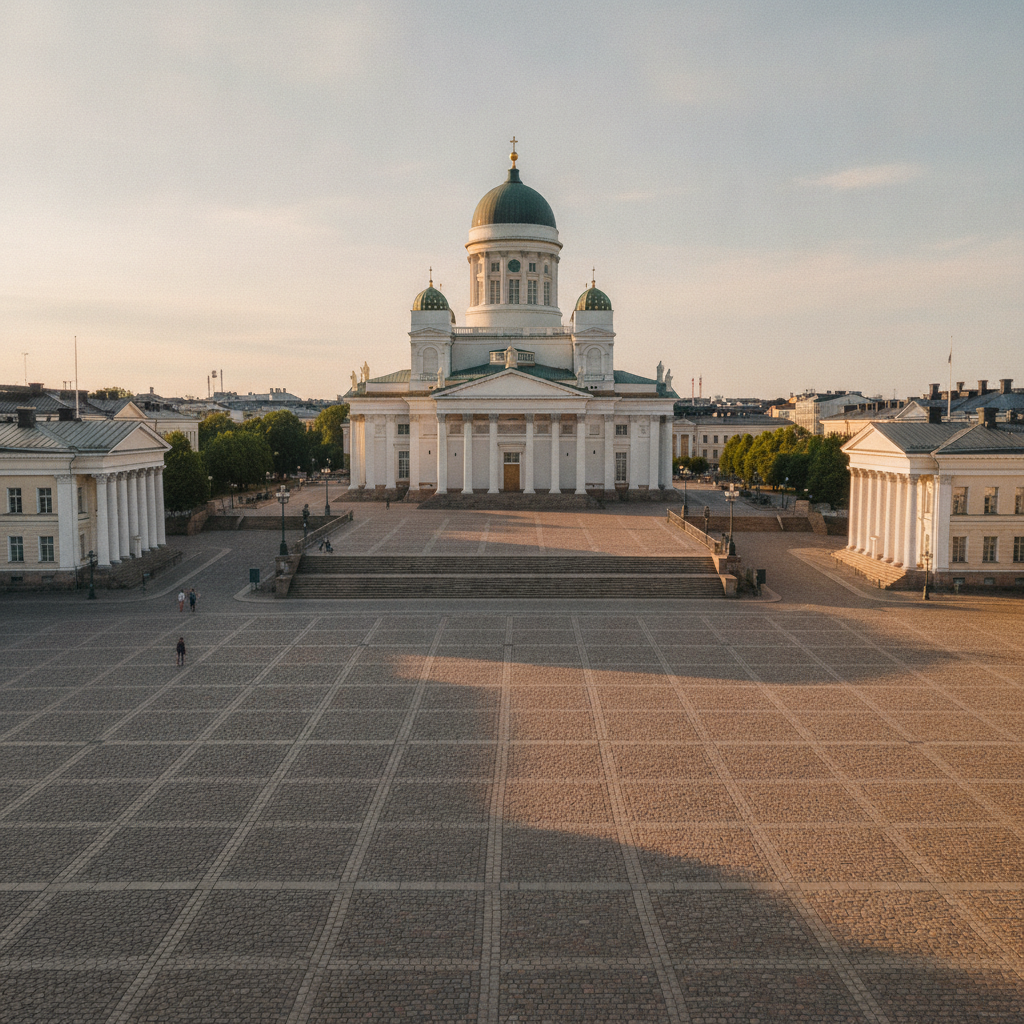
Helsinki 48-hour framework: Day 1 — the city centre and the sea (morning: Senate Square and the Cathedral at 9am — the steps view south to the harbour; the Market Square and the Market breakfast of Finnish salmon soup 10-11am; the ferry to Suomenlinna 11:15am — 3 hours on the fortress island including the Museum and the King's Gate, lunch at the Suomenlinna brewery café, the 2:30pm ferry back; afternoon: the Esplanadi promenade and the Design District walk 3-5pm, the Artek shop at Esplanadi 18, the Design Museum at Korkeavuorenkatu 23; evening: the Löyly public sauna at 7pm — book online — dinner at the Löyly restaurant or the Tin Can Café nearby); Day 2 — museums and neighbourhoods (morning: the Finnish National Museum 10am-12pm — the complete Finnish history in 2 hours; the Temppeliaukio Rock Church 12:30pm; the Oodi Central Library at 1:30pm and the rooftop terrace view; tram to Kallio 2:30pm — the Hakaniemi Market Hall, the neighbourhood walk on Vaasankatu, coffee at the Café Tin; evening: the Ateneum art museum Thursday evening until 8pm, or the Finnish National Opera at 7pm pre-booked at opera.fi — tickets €10-60). Practical: the Helsinki Card €49/24 hours covers all public transport and most museum entries; the tram 6 connects the Centre to Hakaniemi; the market ferry to Suomenlinna on the HSL day ticket; the Löyly sauna 30-minute walk from the city centre or bus 14 in 10 minutes.
- 6
Finnish Sweets and the Fazer Chocolate Tradition
Finnish confectionery culture (the Finnish sweet tooth the most pronounced in Scandinavia, Finland the highest per-capita candy consumer in Europe, the traditional Finnish candy shop — the karkkikauppa — a cultural institution parallel to the bakery in other European countries): Fazer (the Finnish confectionery company since 1891, the blue Fazer bar — the milk chocolate with the smooth Fazer blend developed in 1922, the shade of blue on the wrapper the most recognized colour in Finnish consumer culture, the Fazer chocolate available at every Finnish supermarket and kiosk and at the Fazer flagship café at Kluuvikatu 3, the café open since 1891, the most historically significant confectionery café in Finland, the hot chocolate and the fresh Fazer pastries the correct order, open Monday-Friday 7:30am-9pm, Saturday 9am-8pm), the Finnish liquorice (the salmiakki — the ammonium chloride liquorice, the most characteristically Finnish sweet — the intensely salty and sharp flavour unlike any liquorice available outside Scandinavia, the salmiakki available in the bars, the pastilles, and the Panda salmiakki drops at every Finnish kiosk, the flavour the most immediately polarizing Finnish food experience for non-Scandinavian visitors, the salmiakki ice cream at the Fazer café the most common introduction to the flavour for the first-time visitor), the Finnish pulla (the cardamom sweet bun, the most universally Finnish baked good — the braided loaf or the individual twisted bun, the bread flavoured with the ground cardamom at a concentration higher than any other Scandinavian tradition, the pulla the correct purchase at the morning market or the bakery before the day's sightseeing begins, €1.50-3 per bun at the market or the artisan bakeries of central Helsinki).
Walk this route with audio
Stories play automatically as you reach each stop — no tapping needed.
More in helsinki
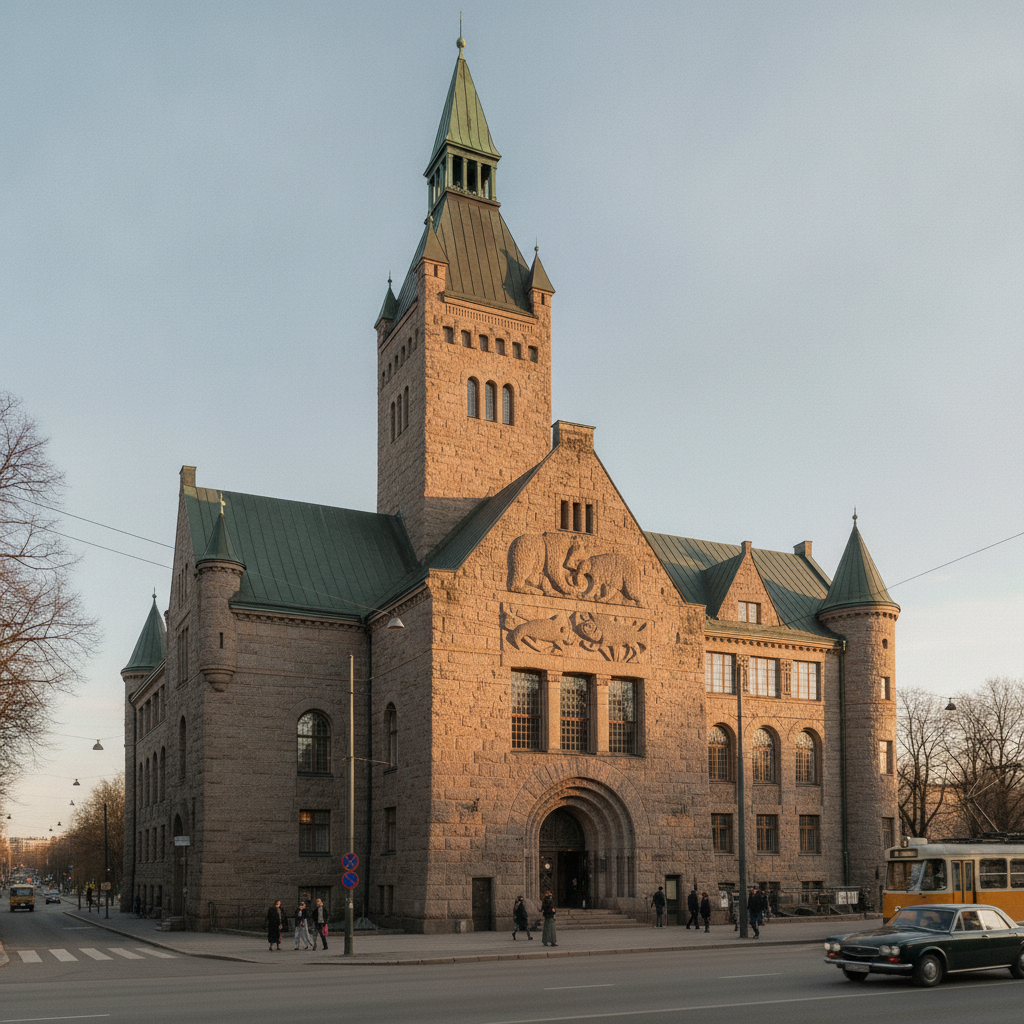
Helsinki Museums & Finnish History — the National Museum, Ateneum & the Finnish Cultural Identity
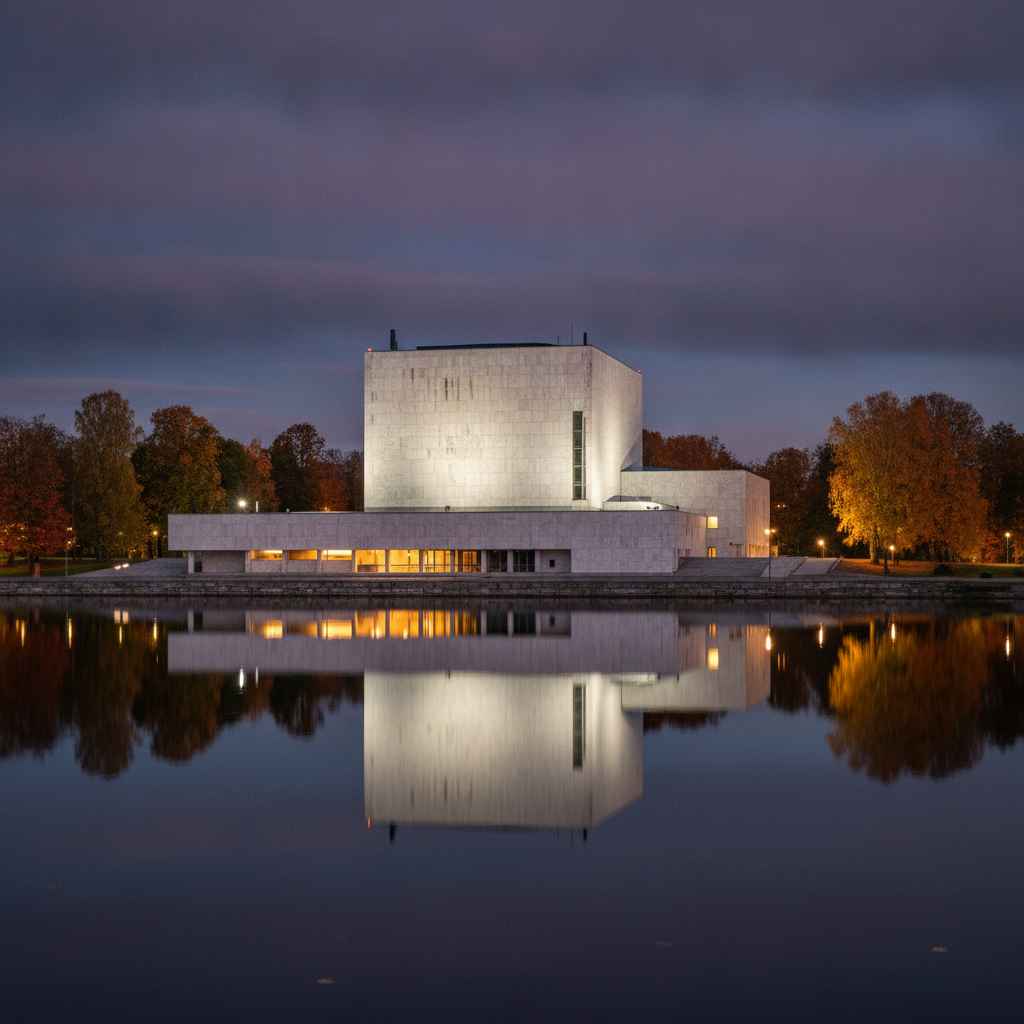
Helsinki Design & Architecture — Alvar Aalto, Finnish Modernism & the Design Capital of Scandinavia
Helsinki Day Trips & Connections — Porvoo Old Town, the Tallinn Ferry & the Finnish Archipelago
Helsinki Sauna Culture & Nordic Nature — Public Saunas, Island Life & the Finnish Outdoor Tradition