Helsinki Design & Architecture — Alvar Aalto, Finnish Modernism & the Design Capital of Scandinavia
Helsinki is the design capital of Scandinavia — the home of Alvar Aalto, the city that produced Marimekko, Iittala, Fiskars, and Nokia, the European Capital of Design 2012, and the city with the highest concentration of Design Week events per capita in the Nordic countries.
- 1
Alvar Aalto's Helsinki — the Key Buildings
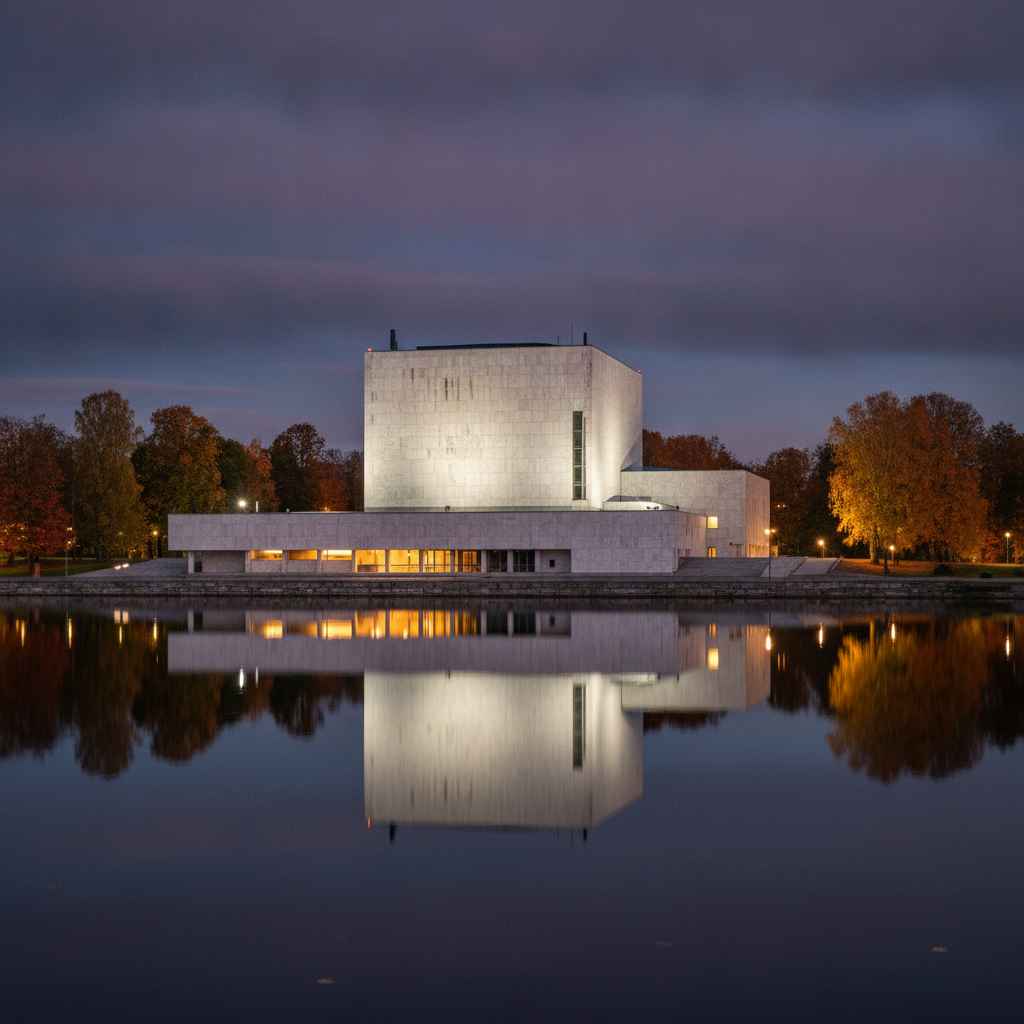
Alvar Aalto (1898-1976, the most internationally recognized Finnish architect and designer, the creator of a specifically Finnish modernism combining the functional rationalism of European modernism with the Finnish traditions of wood, brick, and the natural landscape — Aalto's buildings in Finland and internationally the most studied Finnish cultural export, the Aalto furniture and objects as ubiquitous in design hotels globally as the Barcelona Chair or the Tulip Chair) in Helsinki: the Finlandia Hall (Mannerheimintie 13e, the concert and congress hall built 1971-1975, the white Carrara marble exterior — the marble warping in the Finnish freeze-thaw cycle, a well-known irony of Aalto's material choice — the interior the most complete surviving example of Aalto's spatial sequencing in a public building, the guided tours daily at 1pm at €15 adults), the Academic Bookstore (Keskuskatu 1, the bookshop of 1969, the skylit interior with the Aalto-designed chandeliers — the triangular brass elements — the most accessible Aalto interior in Helsinki at zero cost, open during bookshop hours 9am-9pm Monday-Friday), and the National Pensions Institute (Nordenskiöldinkatu 12, the 1954 building in the red brick, the most important Aalto civic building in Helsinki, visible from the street but interior access only on the annual open doors weekend in September).
- 2
The Artek Shop and Finnish Design Shopping
Artek (Esplanadi 18, the design shop and showroom of the company founded by Alvar Aalto and Aino Aalto in 1935, the complete collection of Aalto-designed furniture, lighting, and objects in the original production quality — the iconic Stool 60, the Aalto vase, the Paimio Chair, the A110 Pendant Lamp — alongside the contemporary furniture of the international designers Artek currently represents, the shop the single most important design retail address in Finland, open Monday-Friday 10am-7pm, Saturday 10am-5pm): the Stool 60 (the 3-legged bent birch plywood stool designed 1933, the most widely reproduced piece of furniture in Finland — 90 years of continuous production, the stool available at Artek at €270 for the original production, the price the marker of the genuine article versus the reproductions available at €30-50 elsewhere), the Aalto vase (the free-form glass vase designed 1936 for the Savoy restaurant, produced by Iittala, the name from the savoy cabbage shape, the vase in clear, amber, and green glass at €59-119 at the Iittala shop and at Artek, the most purchased single Finnish design object by international visitors), and the Design District shopping (the 200+ shops and studios within the 25-block Design District, the map available at the Design Museum and at the tourist offices, the Marimekko outlet at Pohjoisesplanadi 33 — the bright fabric prints that define the Finnish graphic identity since 1951 — and the Finland Design Shop at Esplanadi 13 — the widest stock of Finnish design under one roof).
- 3
The Design Museum and Finnish Industrial Design History
The Design Museum (Designmuseo, Korkeavuorenkatu 23, the national museum of Finnish design, €12 adults, Tuesday-Sunday 11am-6pm, the permanent collection in the mid-19th century building housing the 75,000-object collection spanning Finnish applied arts, graphic design, industrial design, and fashion from 1870 to the present): the permanent collection highlights (the Finnish handcraft tradition — the ryijy rugs, the birchwood objects, the Sámi handicraft — the Art Nouveau period of the Finnish National Romantic design movement 1895-1920, the international breakthrough of Finnish design at the Milan Triennale 1951 where Finland won the Grand Prix for the Tapio Wirkkala glassware and the Kaj Franck Arabia ceramics, the complete collection of Iittala glass from the first production 1881 to the present, the Fiskars scissors from 1649 — the oldest continuously produced Finnish product, the Nokia mobile phones from the DX 200 switch of 1982 to the Nokia 3310 the most widely produced mobile phone in history — 126 million units, the Finnish interior design of the Postwar period — the Artek furniture and the Marimekko fabrics in the domestic context, the most complete narrative of Finnish design internationally available), the temporary exhibitions (the Design Museum the principal venue for the Helsinki Design Week in September, the major Finnish and international design exhibitions 4-6 per year) and the museum location (the building the former Finnish girls' school of 1894 in the Historicist style, the Design District immediately surrounding the museum the correct shopping destination after the museum visit).
- 4
Kamppi Chapel and the Helsinki Contemporary Architecture
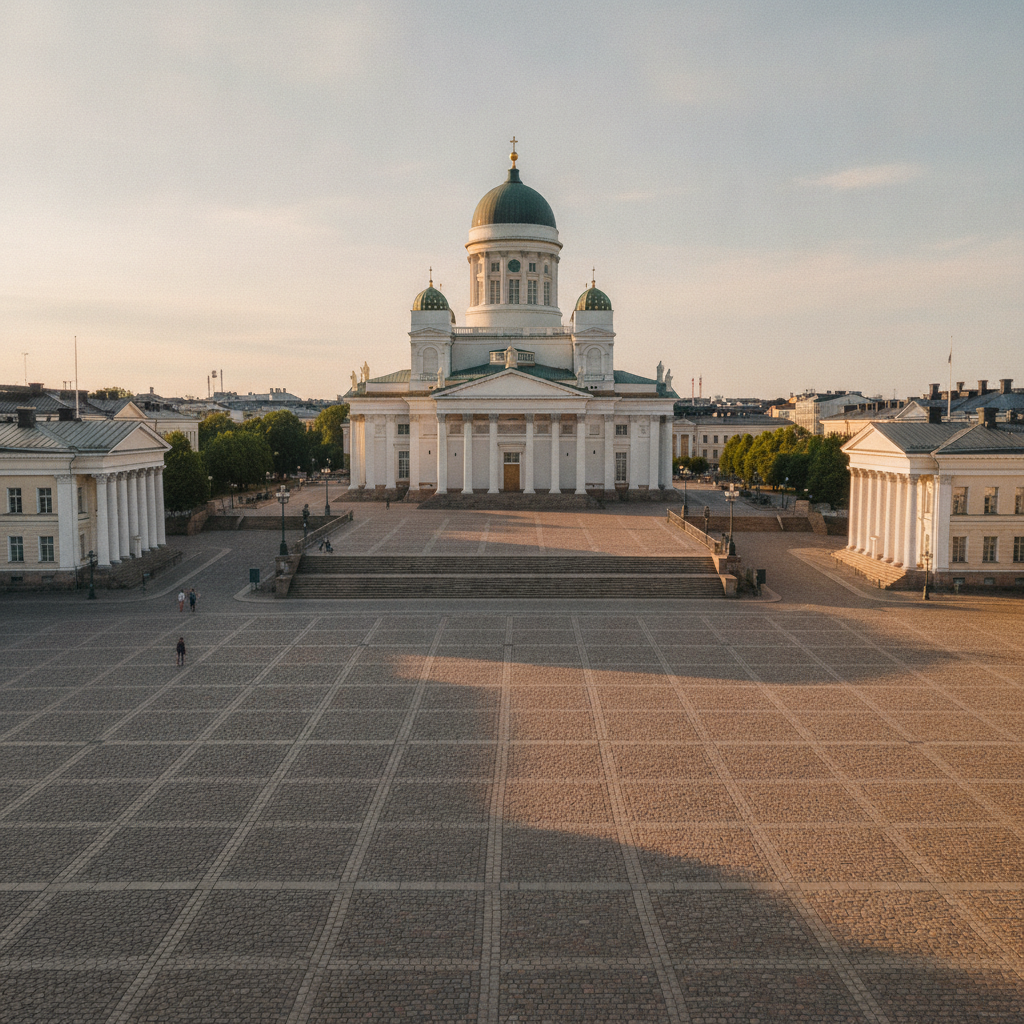
Kamppi Chapel (the Chapel of Silence, Narinkka 1, Kamppi Square, the ecumenical chapel built 2012 by the architects K2S — Kimmo Lintula, Niko Sirola, and Mikko Summanen — the most internationally awarded Finnish building of the 21st century, the exterior a freestanding oval form clad in smooth spruce wood planks, the building rising from the pedestrian square of the Kamppi shopping centre as a completely isolated island of quiet in the most commercially active square in Helsinki, free, open Monday-Friday 7am-8pm, Saturday-Sunday 10am-6pm, silence required inside, no photography inside): the interior (the curved wooden ceiling the continuation of the exterior spruce cladding, the indirect light entering from the clerestory slot between the ceiling and the wall, the seating for 40 people in the spruce pews, the altar a single candle, the chapel used for quiet reflection without any denominational affiliation or formal services, the acoustic silence of the interior — the street noise of Kamppi entirely absent in the wooden shell — the most unusual sensory experience available in central Helsinki), and the contemporary Finnish architecture context (the Helsinki cityscape the most densely layered collection of Finnish architectural styles — the Engel neoclassicism of Senate Square, the National Romantic granite of the National Museum and the railway station, the 1930s-50s Functionalism of the Töölö district, the Aalto buildings of the 1950s-70s, and the contemporary architecture of the 2000s-2020s — the Oodi Central Library at Töölönlahtikatu 4 of 2018 the most visited new building, the free public library and coworking space open Monday-Friday 8am-10pm, the rooftop terrace the best view of Töölönlahti bay).
- 5
Helsinki Food — Rye Bread, Baltic Herring and the Restaurant Scene
Helsinki food culture (the Nordic food movement arriving in Helsinki 5-7 years after Copenhagen and Stockholm, the Helsinki restaurant scene now ranked among the top 20 European cities for cuisine, the combination of the Finnish forest and lake ingredients — the pike-perch, the chanterelles, the lingonberries, the cloudberries, the rye — with the Scandinavian technique and the Finnish directness of flavour): the Baltic herring market (the traditional Silakkamarkkinat herring market held in the Market Square in October, the Finnish fishing fleet selling the marinated, smoked, and pickled Baltic herring at the market boats, the most traditionally Finnish food event in the Helsinki annual calendar, the marinated herring in the mustard, the garlic, and the dill sauces the correct purchase), the Hakaniemi Market Hall (Hakaniementori 1, the 1914 covered market hall in Hakaniemi, accessible by tram 6 in 10 minutes from the city centre, the most authentic food market in Helsinki — the Finnish farmer food, the wild mushrooms and the berries, the reindeer products from Lapland, the traditional baking, open Tuesday-Friday 8am-5pm, Saturday 8am-4pm) and the Helsinki restaurant scene (the Ora at Huvilakatu 28 in the Kaivopuisto district — the New Nordic Finnish tasting menu at €95 per person, the most internationally recognized Finnish fine-dining; the Ravintola Savoy at Eteläesplanadi 14 — the Aalto-designed 1937 classic, the traditional Finnish cuisine in the original Aalto interior; and the Tori at Pursimiehenkatu 21 — the correct mid-range contemporary Finnish restaurant for the visitor wanting the Finnish kitchen at €25-35 per main).
- 6
Helsinki Day Trips — Porvoo and the Archipelago
Helsinki day trips: Porvoo (the second-oldest city in Finland, 50km east of Helsinki, bus from the Helsinki Kamppi bus terminal in 1 hour at €9 return, the medieval wooden old town of Porvoo the most photographed townscape in Finland — the red warehouse buildings along the Porvoo River the canonical image — the cobblestoned streets of the Vanha Porvoo lined with the 18th-century wooden houses, the Porvoo Cathedral on the hill the most important Lutheran medieval church in Finland, the old town free to walk, the Brunberg chocolate shop at Kuningattarenkatu 13 the most famous chocolate shop in Finland since 1871, the Porvoo old town the most authentic small historic town in southern Finland) and the Finnish Archipelago (the 10,000+ islands of the Helsinki archipelago, the HSL day ticket covering the scheduled ferry services to the near islands, the islands of Vallisaari — the former military island with the nature reserve and the guided tours of the former fortification, ferry from the Market Square May-October — and Pihlajasaari — the leisure island with the sandy beach and the naturist beach, the most popular summer swimming destination for Helsinkians, ferry from Merisatama pier in the Eira district in 5 minutes at €5 return). The Helsinki Archipelago boat tour (the summer archipelago tours from the Market Square departing at 10am and 2pm daily June-August, the 2-hour narrated tour at €28 adults the most efficient introduction to the archipelago landscape, the granite skerries and the red cottages of the Finnish summer visible at close range from the boat).
Walk this route with audio
Stories play automatically as you reach each stop — no tapping needed.
More in helsinki
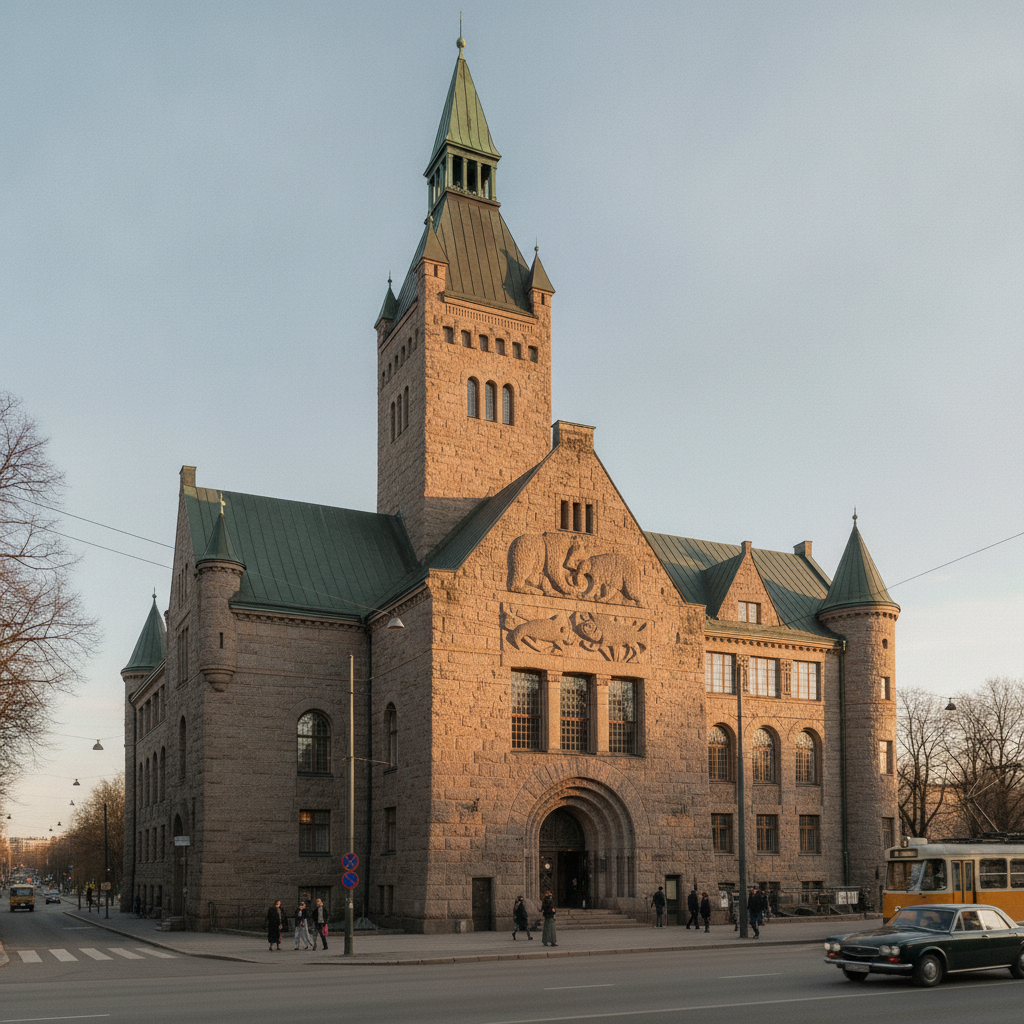
Helsinki Museums & Finnish History — the National Museum, Ateneum & the Finnish Cultural Identity
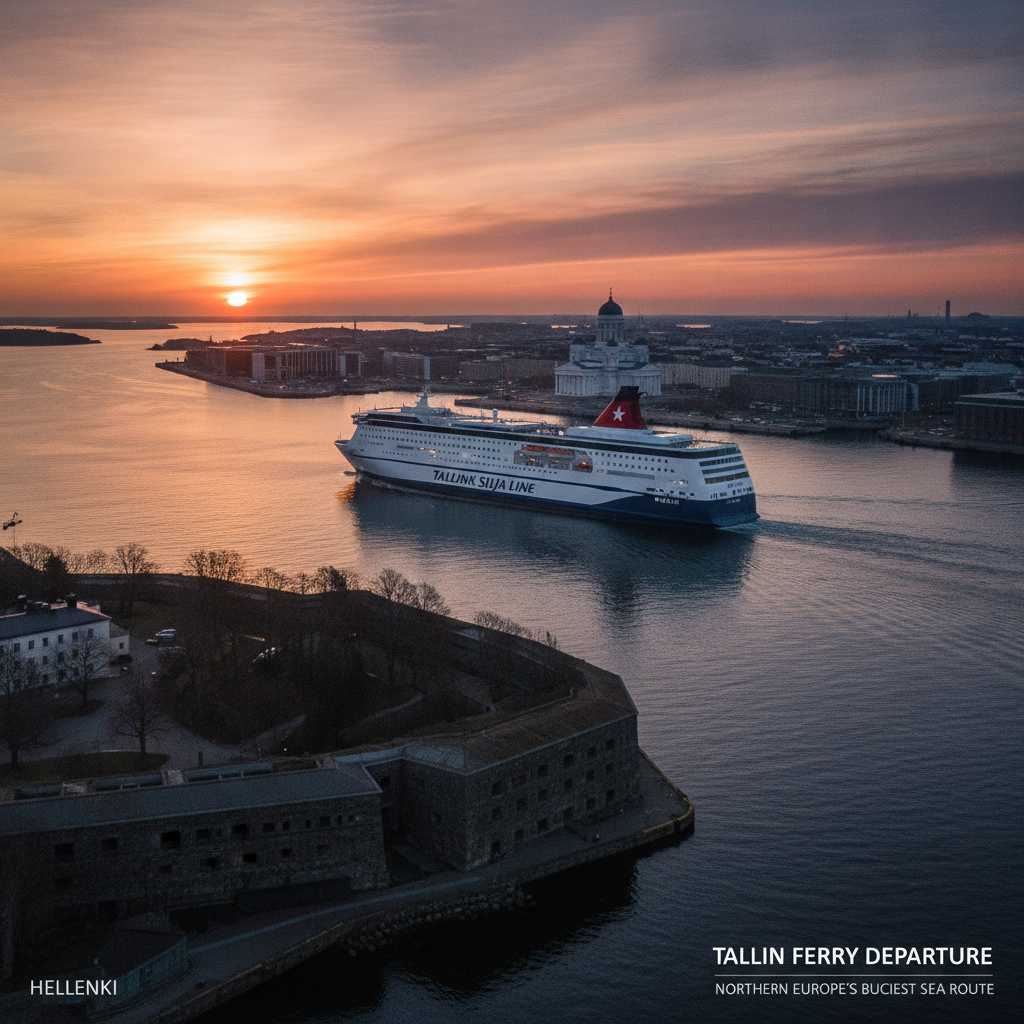
Helsinki Day Trips & Connections — Porvoo Old Town, the Tallinn Ferry & the Finnish Archipelago
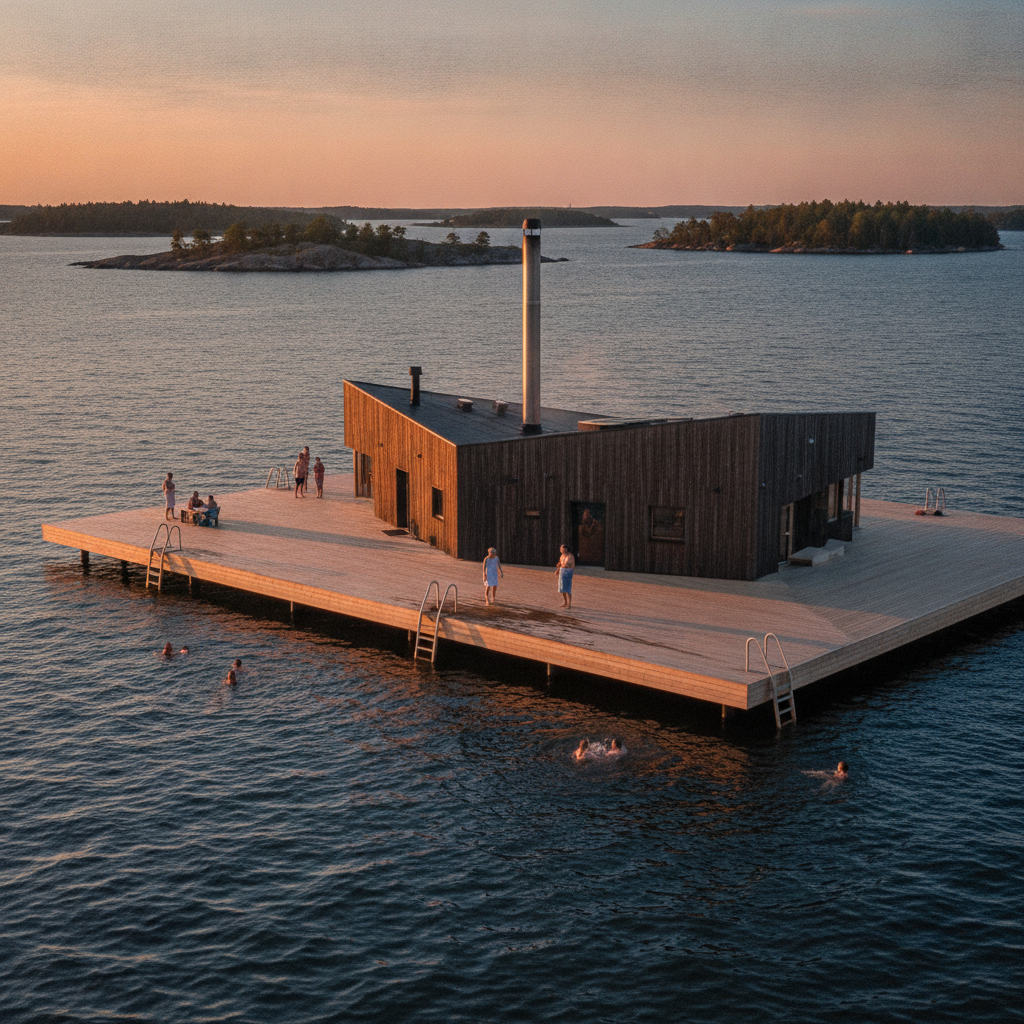
Helsinki Sauna Culture & Nordic Nature — Public Saunas, Island Life & the Finnish Outdoor Tradition
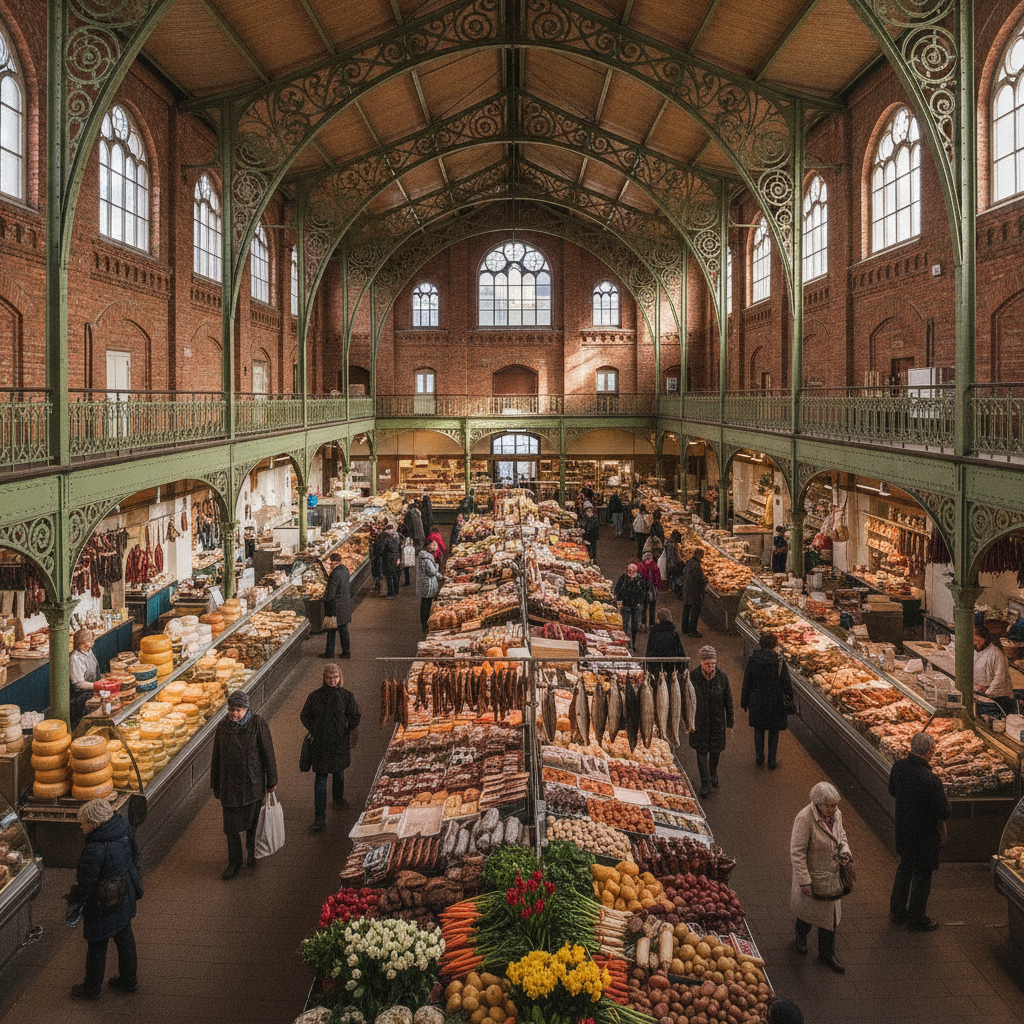
Helsinki Food & Markets — Nordic Cuisine, Hakaniemi Market Hall & the Finnish Culinary Tradition