Hamburg — Rathaus, Gängeviertel, Cycling, Neighbourhoods, Food & the Events Calendar
Hamburg's civic heart at the Rathaus, the Kontorhausviertel UNESCO buildings, the Alster cycling circuit, and the most important events in the Hamburg calendar complete the city portrait.
- 1
Hamburg Rathaus and the Kontorhausviertel
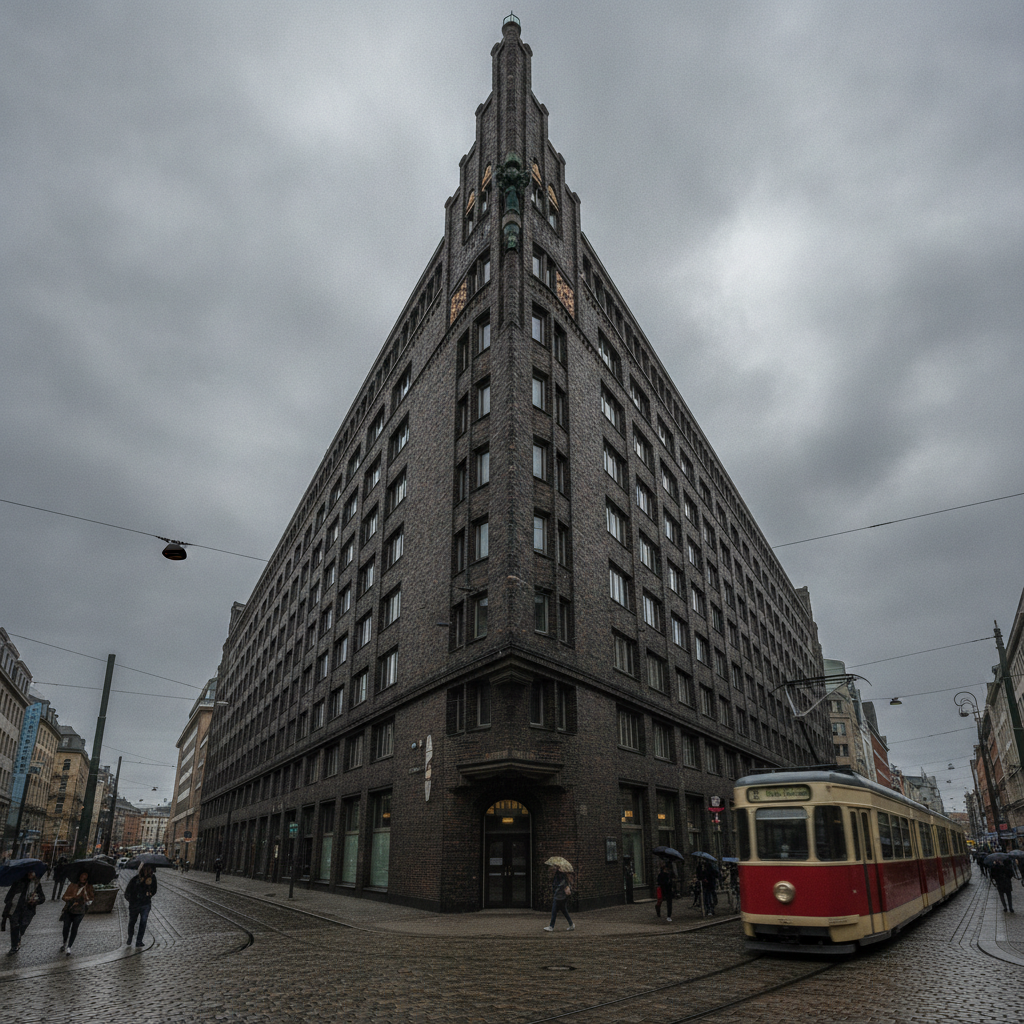
Hamburg Rathaus (the 1897 neo-Renaissance town hall with the 112m tower — the most architecturally imposing city hall in Germany at Rathausmarkt, the seat of the Hamburg Senate and the Bürgerschaft): the state rooms (the guided 45-minute tour at €4 adults Monday-Friday hourly 10am-3pm, the Emperor's Hall and the Great Hall the most grandly decorated civic rooms in Hamburg, the oil portraits of Hamburg Bürgermeister from 1528 the most complete single civic portraiture sequence in Germany), the Rathausmarkt (the most formally beautiful public square in Hamburg — the venue for the Christmas market in December and the Christopher Street Day rally in July, the square framed by the Alsterfleet canal and the Jungfernstieg promenade) and the Kontorhausviertel (the UNESCO World Heritage ensemble of 1920s-1930s brick expressionist office buildings east of the Rathaus: the Chilehaus of 1924 — the most iconic single expressionist office building in Germany, the ship-prow facade the most photographed commercial building in Hamburg, the Sprinkenhof and the Messberg buildings completing the ensemble, the most concentrated collection of German brick expressionism in any single urban block, accessible from the street at no cost).
- 2
The Gängeviertel — Hamburg's Artists' Collective
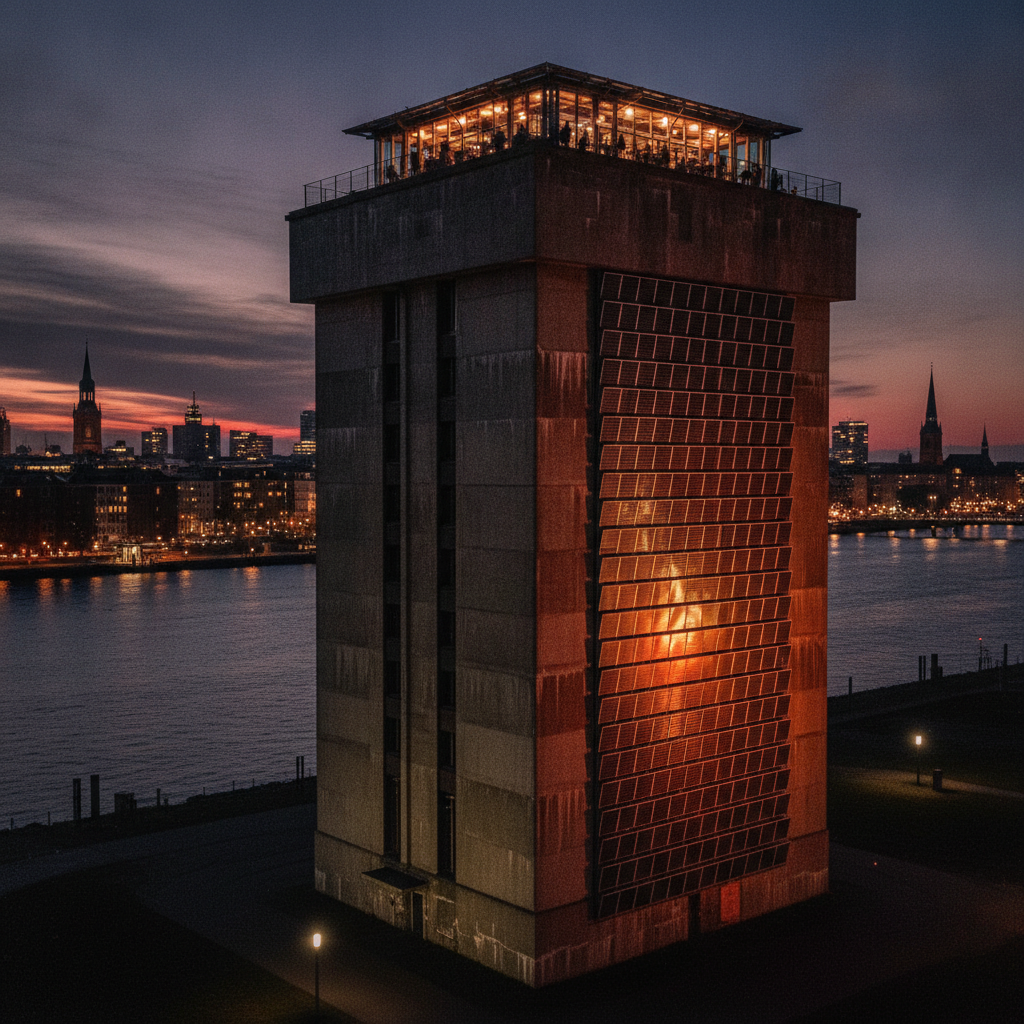
Gängeviertel (the network of 12 historic buildings at Valentinskamp 28-36 squatted in September 2009 by 200 artists as a protest against luxury property conversion — the most successfully community-retained urban squat in Germany, the buildings returned to community use by the Hamburg Senate in 2010): the open courtyard (the Gängeviertel courtyard with the galleries, the workshops, and the event space — the most accessible free contemporary art venue in Hamburg, open daily from 10am, the guided tours on the first Sunday of each month, the most direct experience of the Hamburg alternative arts scene without any admission cost), the Schanzenviertel murals (the political murals on the Schulterblatt and the Bartelsstrasse walls — the most densely muralled 500m street section in Hamburg, documenting the neighbourhood's political history from the 1980s autonomous movement to the contemporary migration solidarity campaigns), the Rote Flora (the Rote Flora at Schulterblatt 71 — the occupied former theatre squatted since 1989, the red facade with the 'Rote Flora Bleibt' banner the most politically symbolically loaded single building in Hamburg), the Flohschanze flea market (the Saturday flea market on the Schulterblatt square 9am-4pm — the most visited Saturday flea market in Hamburg with the vintage clothing, the second-hand vinyl records, and the 1970s furniture) and the Wilhelmsburg art (the IBA Hamburg 2013 urban art installations on the Wilhelmsburg island — the Energiebunker at Am Inselpark 83, the 1943 flak tower converted to a renewable energy plant and a public rooftop café with the panoramic Elbe view, €5, the most historically layered single rooftop café in Hamburg).
- 3
Hamburg Cycling — the Alster Circuit and the Elbe Path
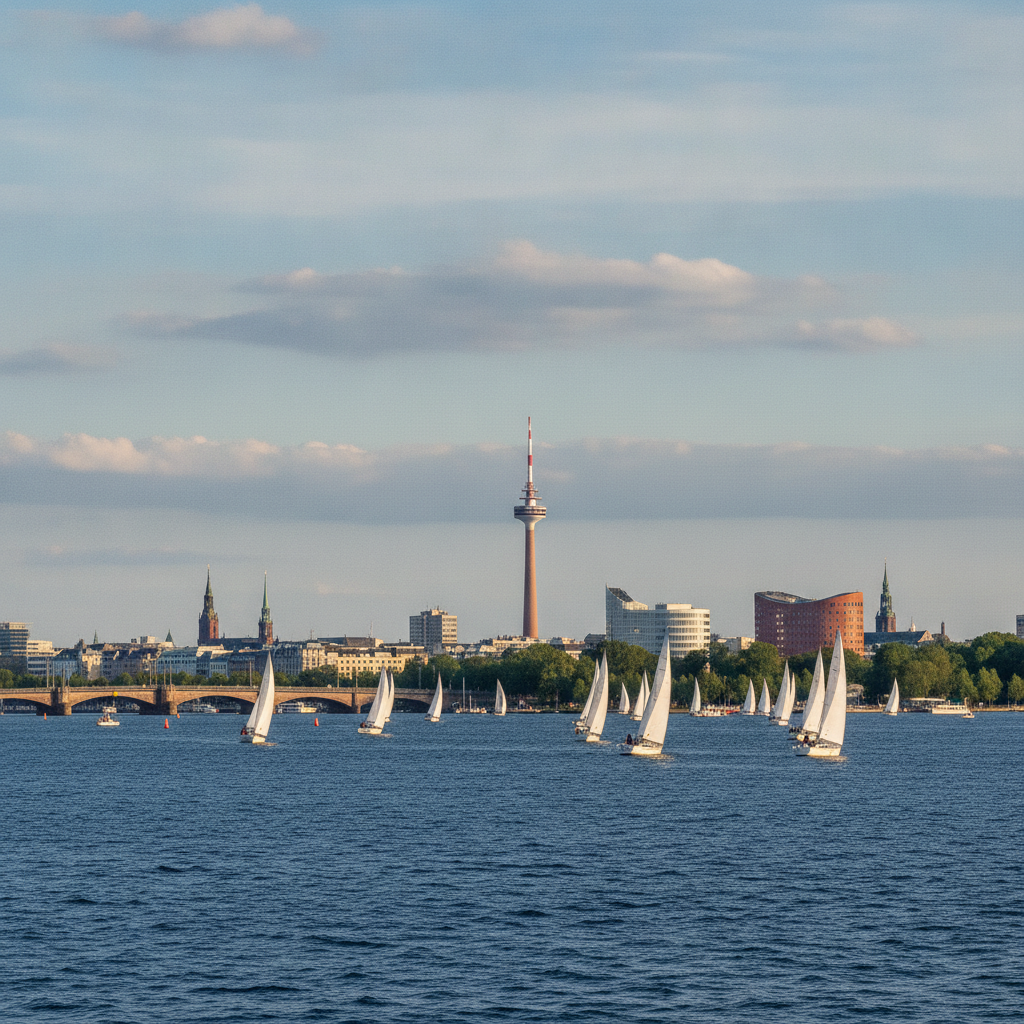
Hamburg cycling (the most cycling-friendly large city in northern Germany with the Velorouten network — the Alster circuit, the Elbe cycling path, and the StadtRAD bike-share the 3 essential cycling infrastructures): the Alster circuit (the 7.5km cycling and walking path around the Aussenalster lake — the most visited single urban cycling route in Hamburg, passing the Alster sailing clubs, the villa gardens of the Rotherbaum and the Uhlenhorst, and the public lidos, the path at 90% separated from motor traffic, the bicycle rental at the StadtRAD docking stations at €1 per 30 minutes, the first 30 minutes free with the MVGmeinRad app registration), the Elbe cycling path (the Elbe Radweg — the 145km cycling path along the south Elbe bank westward to the North Sea, the section from the Baumwall to the Övelgönne Museum Harbour 5km the most scenically complete within the Hamburg city limits, the section from Blankenese to Wedel 15km the most naturally attractive beyond the port infrastructure), the Stadtpark (the Hamburg Stadtpark in Winterhude — the 148-hectare park the most classically landscaped urban park in Hamburg with the 1914 water tower and the open-air summer concerts the most popular free entertainment venue in Hamburg), the Övelgönne Elbe swimming (the Elbbadestelle at the Övelgönne beach — the tidal Elbe swimming the most exhilarating urban river swimming in Germany for the experienced swimmer, the current 3-4 km/h requiring entry at the upstream edge and exit at the downstream steps, the water quality check at the Hamburg Umweltbehörde website essential before swimming) and the Alsterpark (the Alsterpark at the north shore of the Aussenalster — the 24-hectare formal park with the waterfront lawn the most fashionable summer afternoon destination in the Hamburg residential north, the Alsterpark the most relaxed swimming and picnic location on the entire Alster lake system, free, accessible by S-Bahn S1 to the Dammtor station then 15 minutes on foot).
- 4
Hamburg's Diverse Neighbourhoods — St. Georg, Altona and Eppendorf
Hamburg neighbourhood diversity (the key Hamburg neighbourhoods beyond the Altstadt and the Schanzenviertel — the most distinctive residential districts for the visitor seeking the authentic Hamburg daily life): St. Georg (the St. Georg neighbourhood east of the Hauptbahnhof — the most openly LGBTQ+-identified district in Hamburg with the rainbow flags on the Lange Reihe, the most ethnically diverse neighbourhood in central Hamburg with the Turkish, the Arabic, and the South Asian communities, the Christopher Street Day Parade in Hamburg the largest pride event in northern Germany with 250,000 participants in late July), the Lange Reihe (the Lange Reihe in St. Georg — the primary LGBTQ+-identified commercial street in Hamburg with the café-bars, the bookshops, and the community restaurants, the Tom's Bar and the Prinz-Friedrich the most long-established venues, the street the most social and the most relaxed LGBTQ+ outdoor dining area in Hamburg), Altona (the Altona neighbourhood west of St. Pauli — the former independent city incorporated into Hamburg in 1938, the Altona Rathaus the most grandly neo-Baroque suburban town hall in Hamburg, the Fischmarkt the most visited Sunday morning event in all Hamburg, the Ottensen neighbourhood within Altona the most authentically residential village commercial street at the Ottenser Hauptstrasse), Eppendorf (the Eppendorf neighbourhood north of the Schanzenviertel — the most affluent residential district in Hamburg, the Eppendorfer Landstrasse the most complete village-scale boutique shopping street in Hamburg with the independent food shops, the design boutiques, and the local cafés, the Eppendorf weekly market the most quality-focused neighbourhood food market in Hamburg, the Alster lake accessible 10 minutes on foot from the Eppendorf centre) and the Barmbek (the Barmbek neighbourhood northeast of the centre — the most working-class historically grounded residential district in Hamburg, the Museum der Arbeit at Wiesendamm 3 the most directly working-class focused museum in Hamburg in the former copper smelter building with the original factory interiors preserved at 1:1 scale, CHF 9 adults, Tuesday-Sunday 10am-5pm, the most architecturally intact industrial interior in Hamburg).
- 5
Hamburg's Coffee Heritage and Food Markets
Hamburg food culture (Hamburg historically the most important European coffee trading port — the Speicherstadt the largest coffee storage facility in the world in the 19th century, the city the incubator for the specialty coffee movement in Germany): the specialty coffee (the Hamburg specialty coffee scene the most developed third-wave coffee culture in Germany after Berlin — the Elbgold at Lagerstrasse 34c the most critically reviewed Hamburg roaster, the Speicherstadt Kaffeerösterei at Block P Speicherstadt the most historically appropriate roaster location in the former coffee warehouse district, the Café Paris at Rathausstrasse 4 the most historically atmospheric traditional coffee house in Hamburg), the Isemarkt (the Isemarkt at the Isestrasse under the U3 elevated railway — the most atmospherically unique food market in Germany, Tuesday and Friday 8:30am-2pm, the Demeter organic produce the most visited stall type, the most specifically Hamburg regular food market experience for the visitor staying in the Eppendorf or the Schanzenviertel area), the Altes Land (the Altes Land fruit-growing region on the south Elbe bank 20km west — the largest contiguous fruit-growing area in northern Europe at 14,000 hectares, the apple and cherry orchards the most visited day trip in the blossom season (late April-early May) and the harvest season (August-September), the HADAG Altes Land ferry from Landungsbrücken Pier 3 the most atmospheric transport in summer), the Hamburg fish restaurants (the Fischereihafen Restaurant at Grosse Elbstrasse 143 the most long-established fine-dining fish restaurant on the Elbe waterfront — the Elbe view from the terrace table the most dramatically harbour-facing dining position in Hamburg, the smoked eel and the grilled plaice the most ordered dishes, the €45-65 per person average spend the most transparent Hamburg luxury food benchmark) and the Portugiesenviertel food (the Ditmar-Koel-Strasse Portuguese restaurants — the Carinhoso at Ditmar-Koel-Strasse 14 the most historically established Portuguese restaurant in Hamburg, the bacalhau à Brás and the grilled sardines the most specifically Portuguese menu items, the Fado music evenings at the Carinhoso the most emotionally specific cultural experience of the Hamburg international food scene).
- 6
Hamburg Seasons — When to Visit and the Annual Events
Hamburg seasonal guide (Hamburg the most weather-varied city in northern Germany — the maritime climate with the Atlantic weather patterns creating frequent rain and the brightest summer days in equal measure, the events calendar structured around the outdoor summer season and the indoor winter culture): the Hafengeburtstag (the Hamburg Port Birthday festival in May — the annual 3-day celebration of the 1189 customs privileges granted by Barbarossa, the harbour parade of historic ships the most attended single outdoor event in Hamburg at 1.5 million visitors, free to watch from the Landungsbrücken promenade), the Alstervergnügen (the Alstervergnügen on the Binnenalster in August — the 3-day waterfront festival the most attended single free event in Hamburg at 1 million visitors, the water stage, the food stalls on the Jungfernstieg, and the illuminated fountain shows the most specifically Hamburg summer celebration), the Reeperbahn Festival (in September — the most important urban music discovery festival in Germany with 900 concerts in 100 venues over 4 days on the Reeperbahn, the 4-day pass at €100 the best value music access in northern Germany), the Hamburger DOM (the 3 annual funfairs at the Heiligengeistfeld — spring (March-April), summer (July-August), and winter (November-December), each for 4 weeks, the most attended funfair series in Hamburg at 10 million visitors annually, free entry with individual ride pricing), the Weihnachtsmarkt (the Christmas market on the Rathausmarkt — the most architecturally framed Christmas market in northern Germany with the Rathaus neo-Renaissance facade as the backdrop, the Glühwein in the ceramic cup at €4-5, open late November to December 23) and the summer climate (May-August the recommended visiting season: the average July high of 22 degrees, the longest daylight at 17 hours in June, the Alster sailing season and the outdoor fish market both at their busiest, the beer garden season from May to September the most Hamburg-characteristic outdoor experience, the umbrella essential at all seasons for the Atlantic showers).
Walk this route with audio
Stories play automatically as you reach each stop — no tapping needed.
More in hamburg
Hamburg — Kunsthalle, Parks, Elbchaussee, Beatles & St. Nikolai
Hamburg — Hanse Heritage, Wilhelmsburg, Literary Culture, North Sea & the Practical Guide
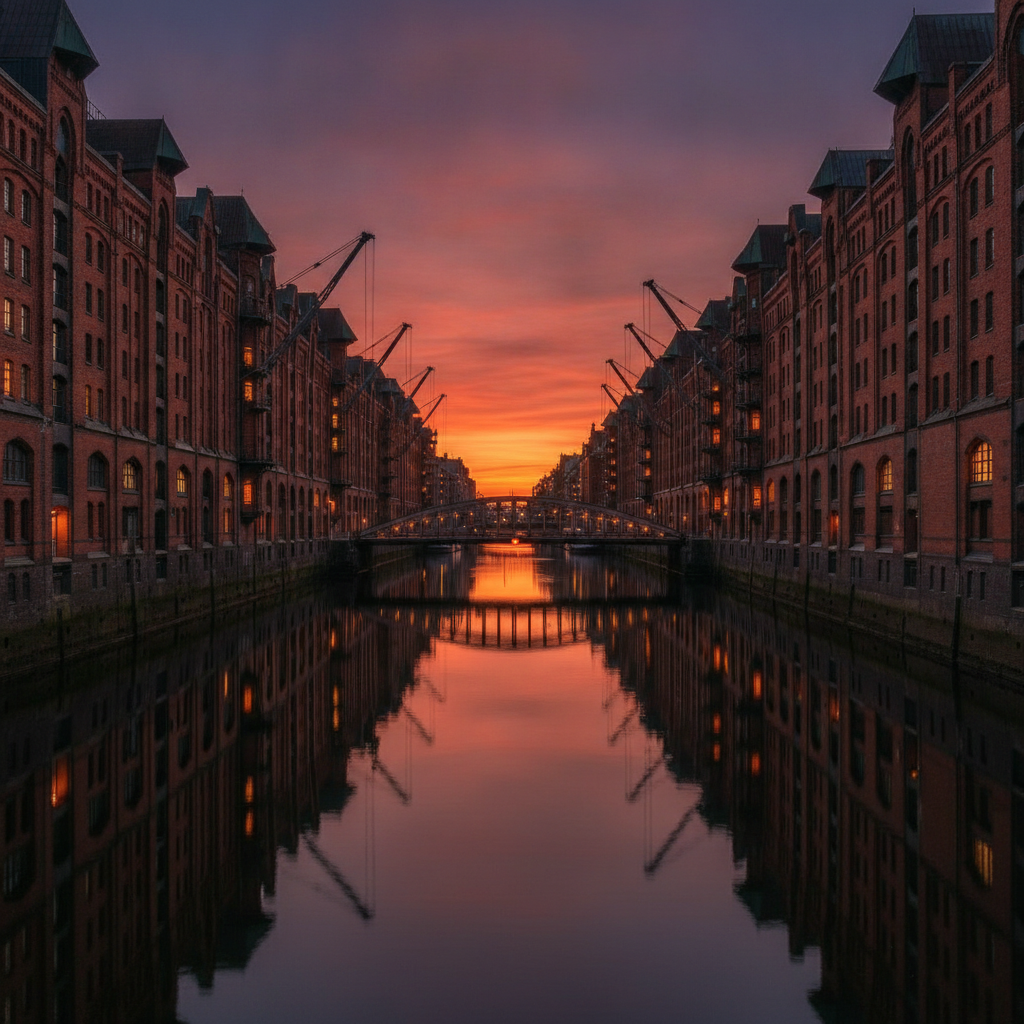
Hamburg — Speicherstadt, Elbphilharmonie, Reeperbahn, Alster & the Port
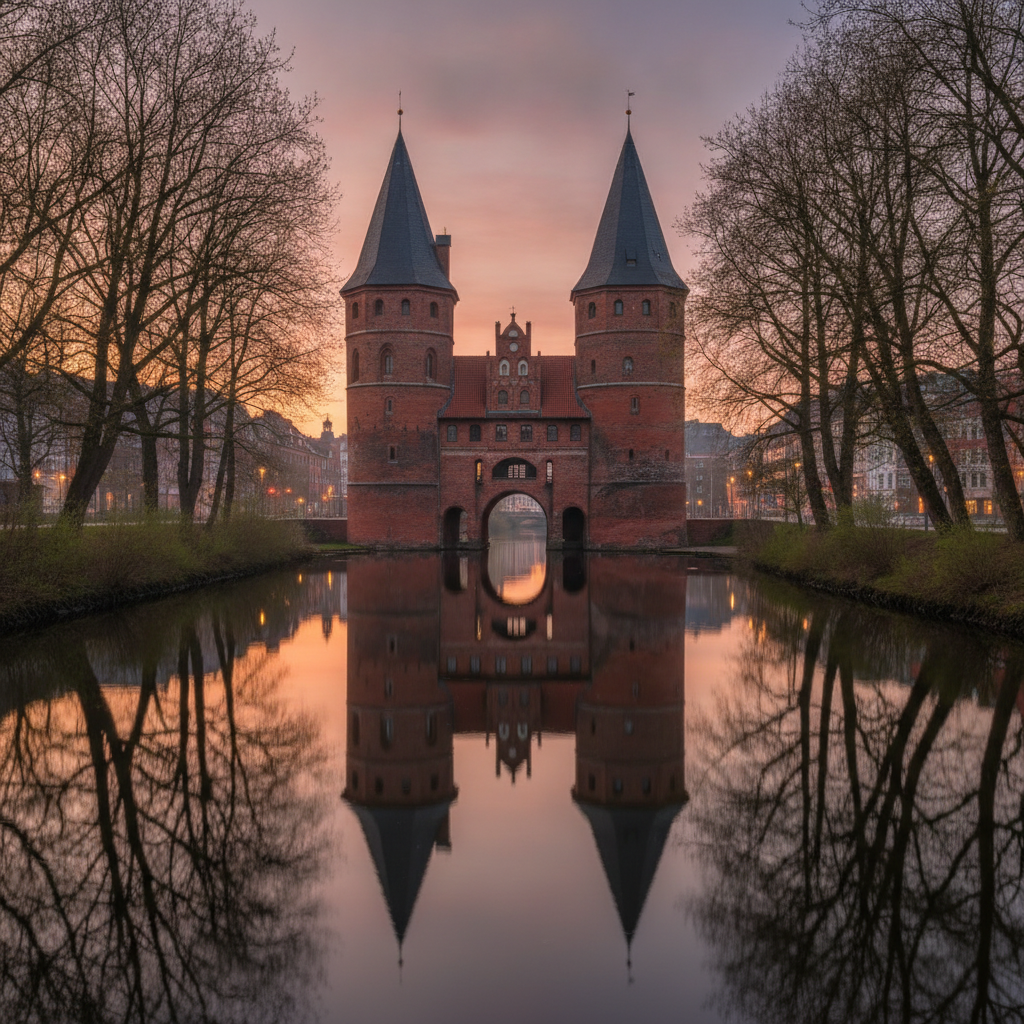
Hamburg — Schanzenviertel, Lübeck, Working Port, Events & the Historic Altstadt