Malecón 2000: Guayaquil's Great Waterfront Renewal
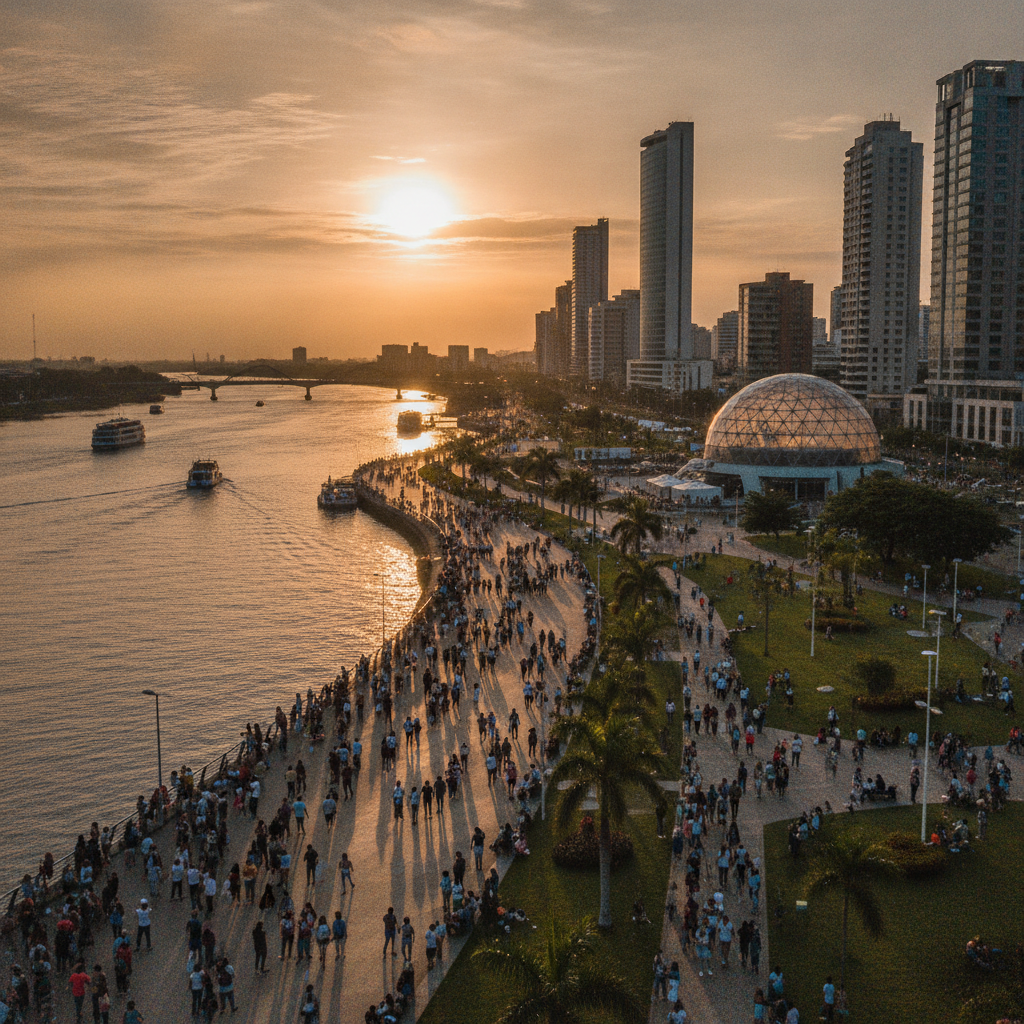
The Malecón 2000 — a 2.5 km riverfront park built on the Guayas River bank — transformed Guayaquil from a neglected port into South America's most ambitious urban renewal story; the park is now the city's social heart
- 1
Guayas River Setting
Guayaquil is located on the west bank of the Guayas River — at 5 km wide one of South America's great rivers; the daily tidal fluctuations of the river, the river traffic and the mangrove islands visible from the Malecón define the city's character as a river port
- 2
Malecón renovation history
Malecón 2000 opened in October 2000 on what had been an abandoned port area; the 2.5 km riverside park with gardens, museums, restaurants and public spaces replaced abandoned warehouses; the project is cited as Latin America's most successful waterfront urban renewal
- 3
IMAX and the science museum
Malecón 2000 hosts the IMAX cinema and the Guayaquil Science Museum - the waterfront IMAX dome is one of Guayaquil's most recognized architectural landmarks; the science museum has exhibits on Ecuador's biodiversity and the Galápagos
- 4
The Rotunda Monument
The Rotunda – the neoclassical monument in the center of the Malecón commemorating the 1822 meeting between Simón Bolívar and José de San Martín – marks the place where the two liberators met to decide the fate of South American independence
- 5
River Market and Craft Stalls
The north end of the Malecón has craft stalls selling Ecuadorian crafts - Panama hats (actually Ecuadorian), tagua nuts and Andean textiles; the stalls, food vendors, and families using the park represent Guayaquil's vibrant popular culture
- 6
Guaya sunset
The Malecón's sunset over the Guayas River - the river turning gold and the mangrove islands silhouetted against the orange sky - is Guayaquil's most spectacular daily moment; the city gathers by the river for the cooler evening air and the sunset
Walk this route with audio
Stories play automatically as you reach each stop — no tapping needed.
More in Guayaquil
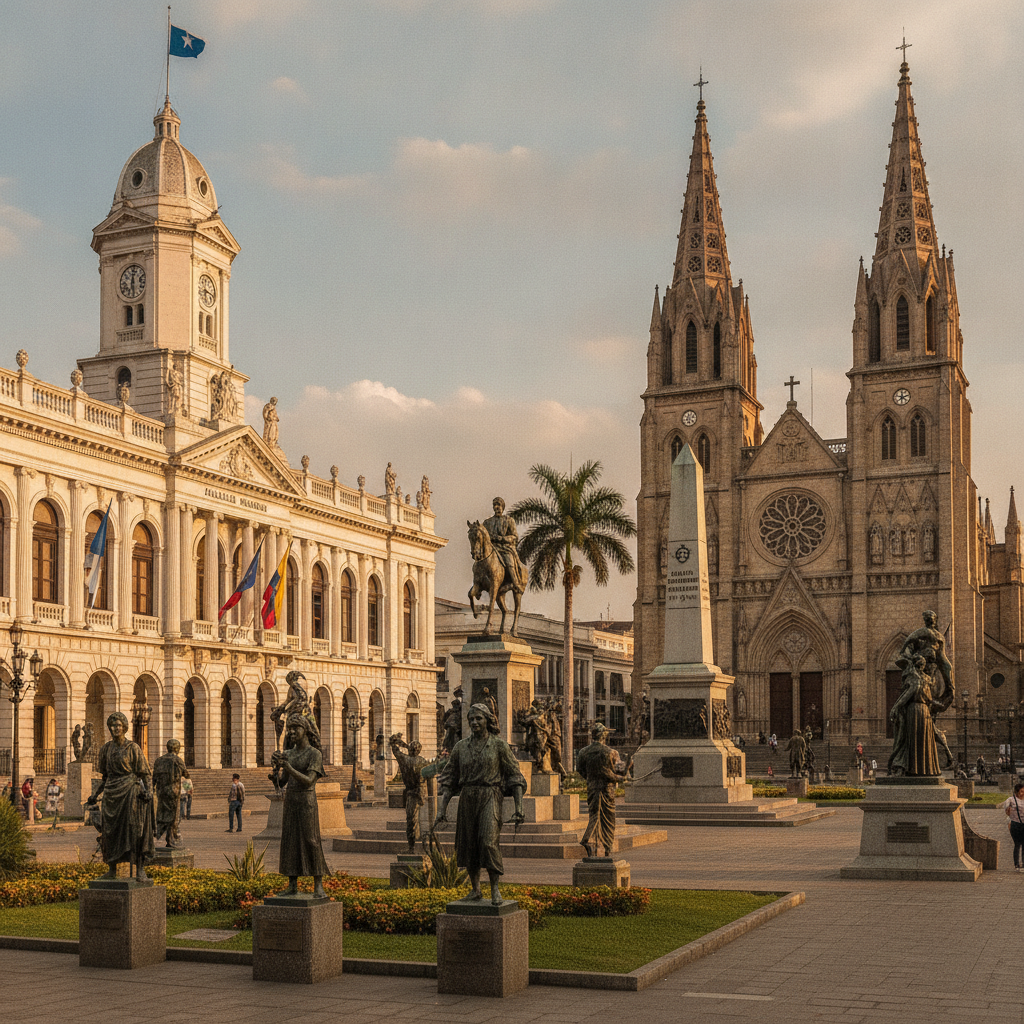
Guayaquil and Independence: The Liberators' Meeting Point
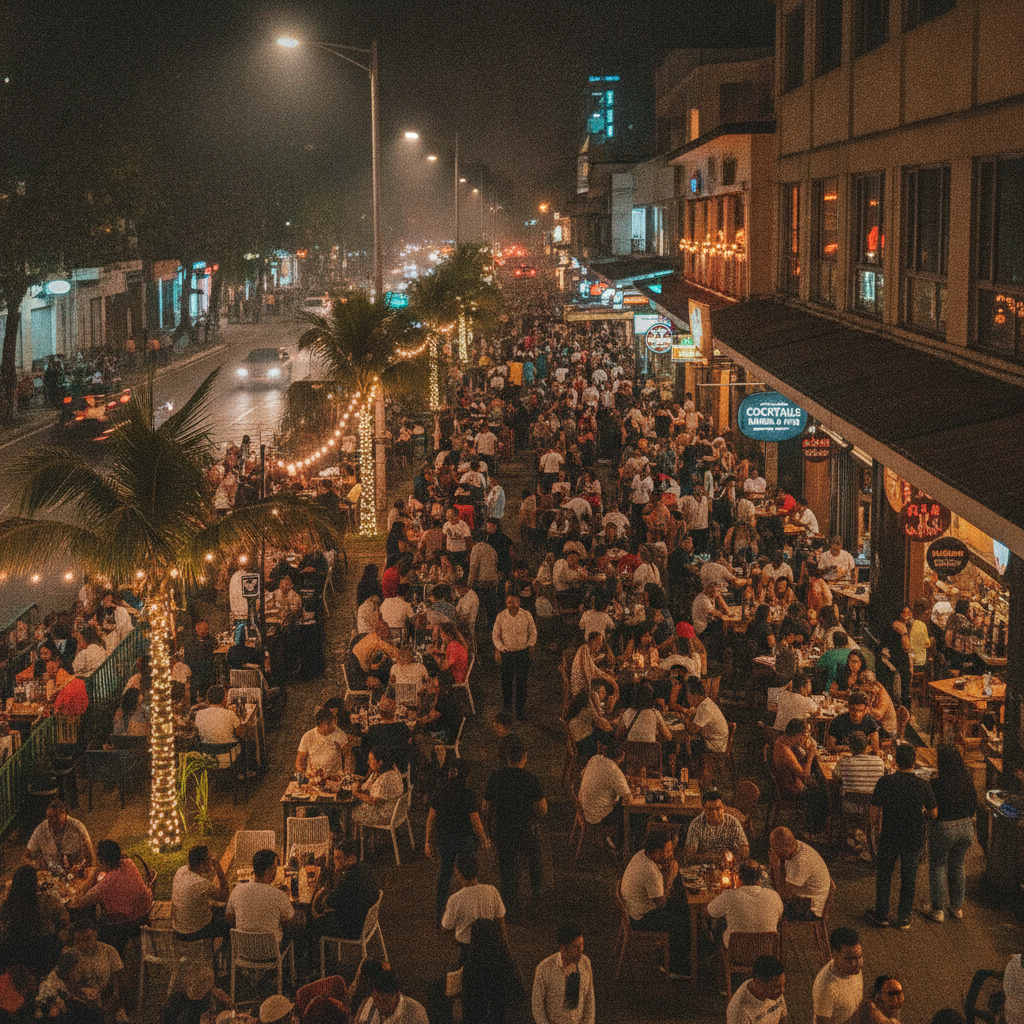
Guayaquil After Dark: Urdesa, Samborondón & Port City Energy
Guayaquil: Gateway to the Galápagos Islands
Guayaquil Mangroves: The Forest at the City's Edge
Las Peñas: Guayaquil's Bohemian Hilltop Heritage