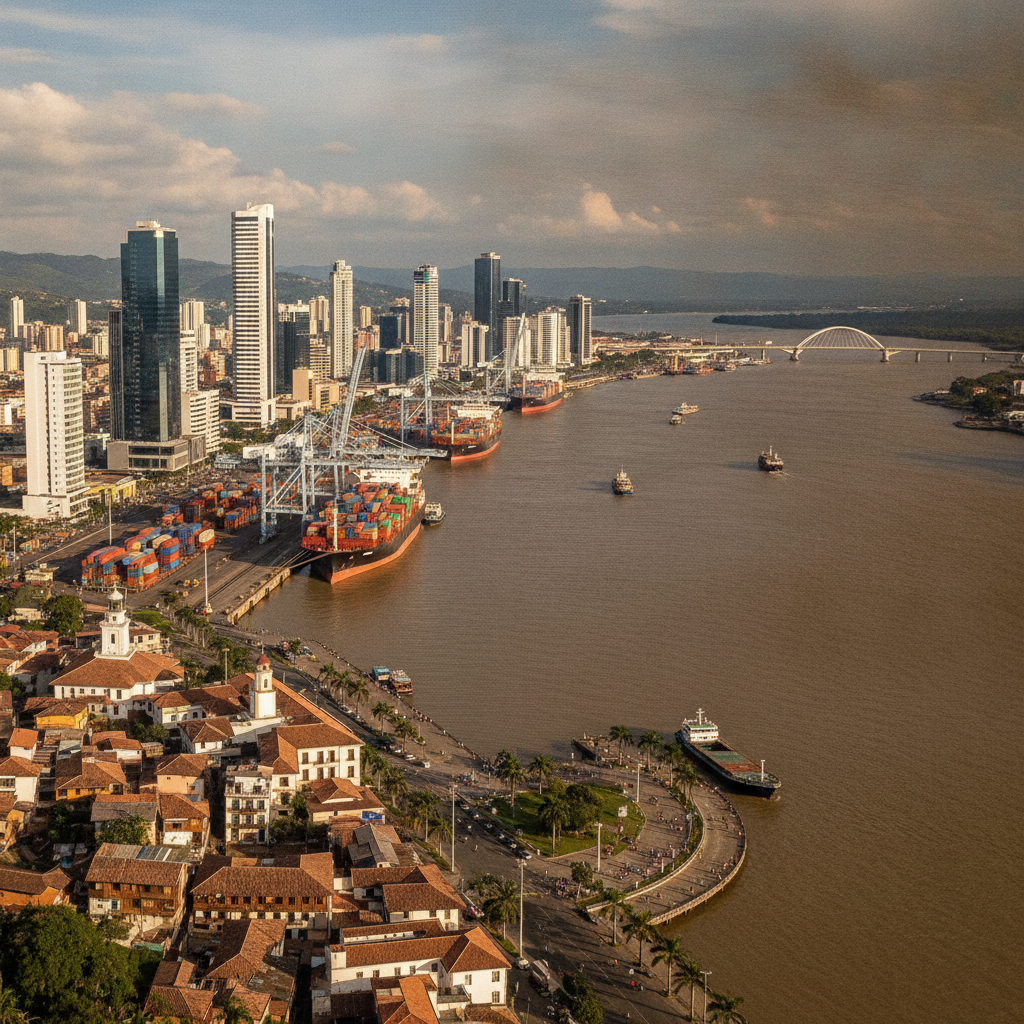
Las Peñas: Guayaquil's Bohemian Hilltop Heritage
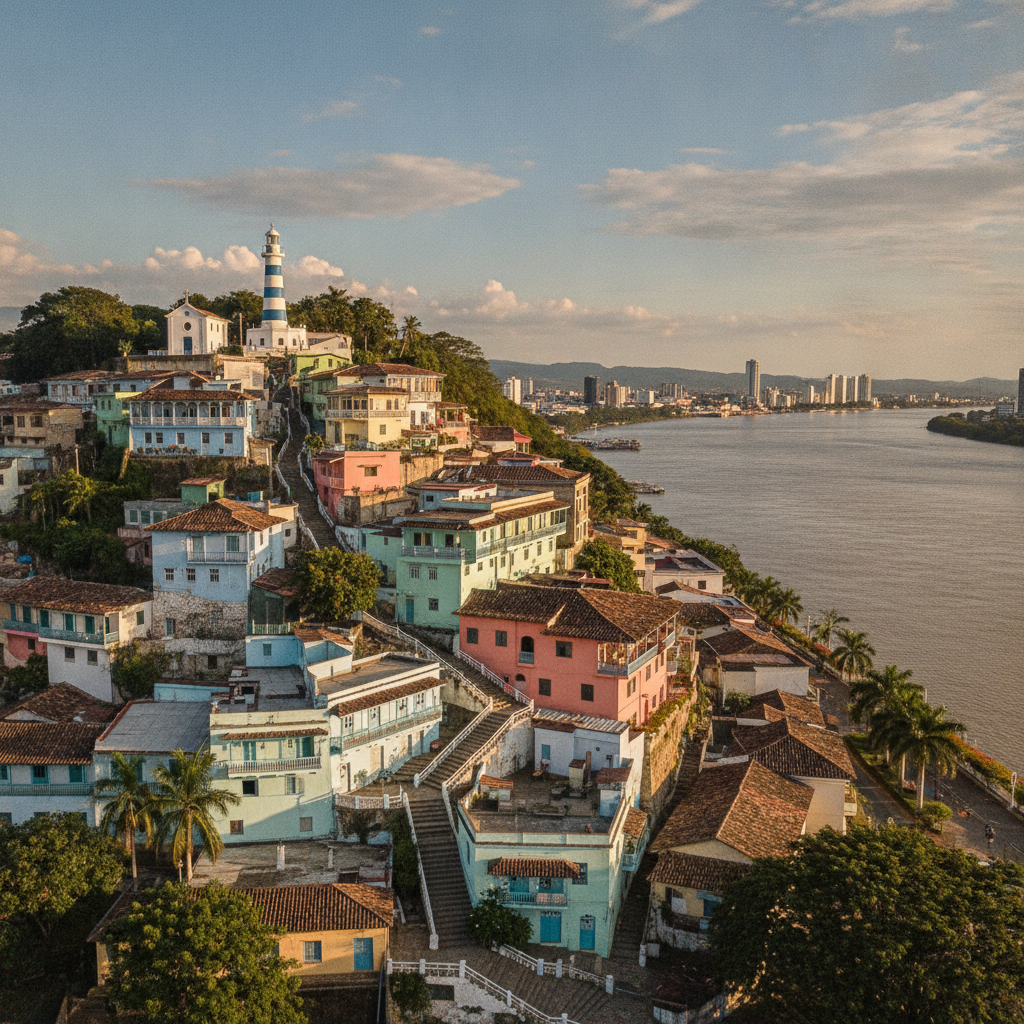
Las Peñas — Guayaquil's oldest neighbourhood, climbing Cerro Santa Ana — has colourful wooden colonial houses, art galleries, and cafes on its famous 444-step staircase; it is the most atmospheric corner of Ecuador's largest city
- 1
444 steps of Cerro Santa Ana
The 444-step staircase that climbs Cerro Santa Ana through the Las Peñas neighborhood — with numbered steps, colored houses at each landing, and small plazas with restaurants — is Guayaquil's most famous urban walk; the top has a replica of the lighthouse and a panoramic view of the river
- 2
Colonial wooden architecture
Las Peñas preserves the colonial wooden architecture typical of Guaya's coast – the painted facades, carved wooden balconies and street-level commercial spaces of the 19th- and early 20th-century houses are the most complete example of Guayaquil's combustion architecture
- 3
Art galleries and bohemian scene
Las Peñas has developed an art gallery and café culture — the restored colonial houses now house studios, galleries and restaurants; the district's mix of authentic residents, artists and tourists creates a genuinely bohemian atmosphere
- 4
Guayaquil founding website
Las Peñas is the site of Guayaquil's foundation – the original Spanish settlement in 1538 was established at the foot of Cerro Santa Ana before being moved several times; the history of the district begins the history of the city
- 5
Lighthouse and river view
The fake lighthouse at the top of Cerro Santa Ana offers the best panoramic view of Guayaquil - the Guayas River, the bridges, the city skyline and the mangrove islands are all visible; the view at sunset is outstanding
- 6
Neighborhood Taxes
Las Peñas is known for its neighborhood treasures — dozens of community cats live among the staircase's potted plants and restaurant terraces; the cats have become part of the neighborhood's identity and are the subject of local photography and social media
Walk this route with audio
Stories play automatically as you reach each stop — no tapping needed.
More in Guayaquil
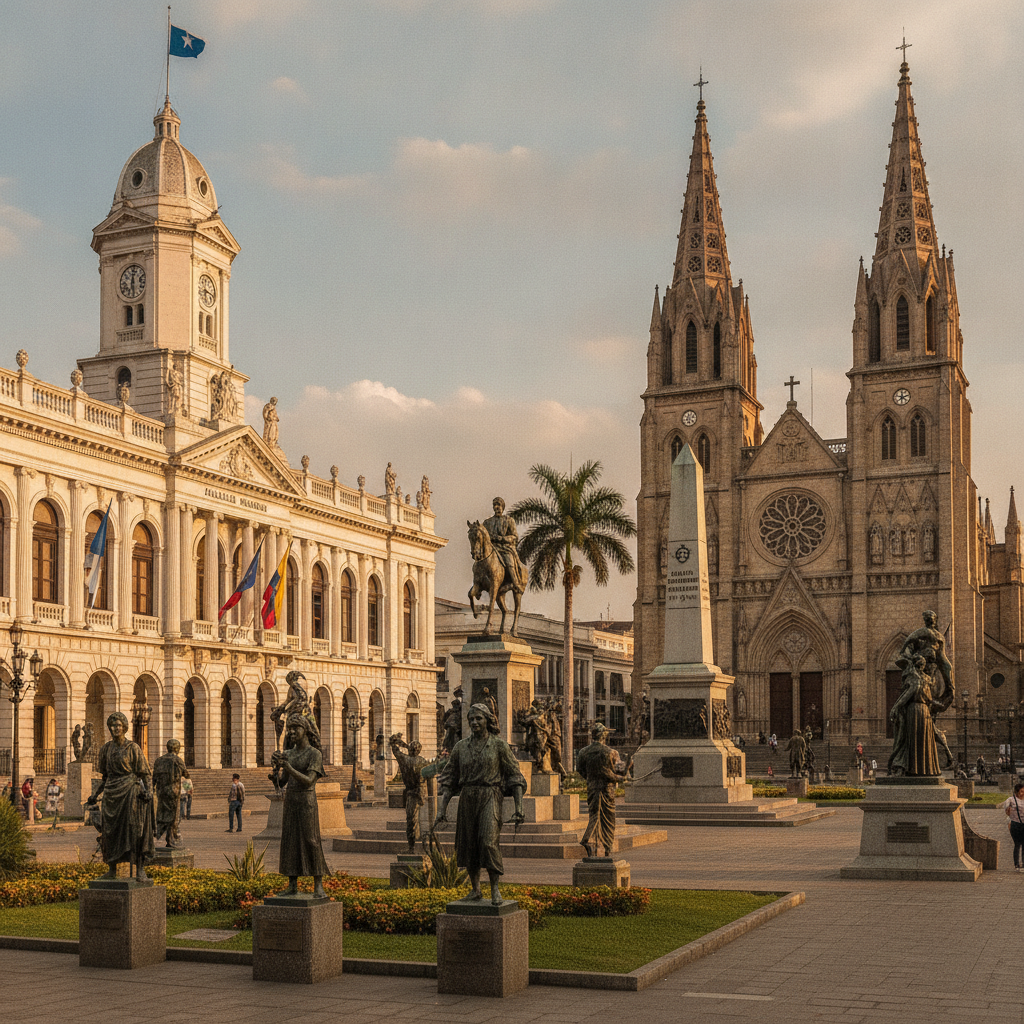
Guayaquil and Independence: The Liberators' Meeting Point
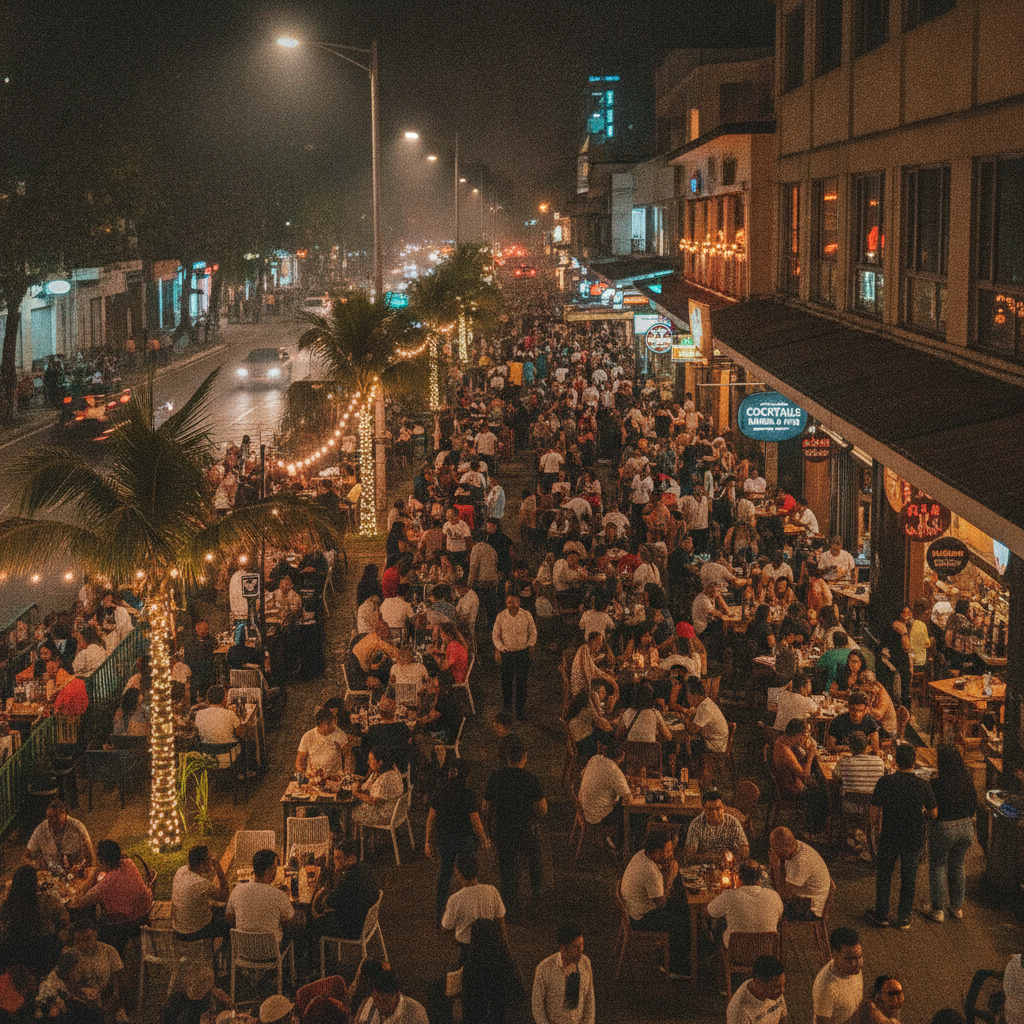
Guayaquil After Dark: Urdesa, Samborondón & Port City Energy
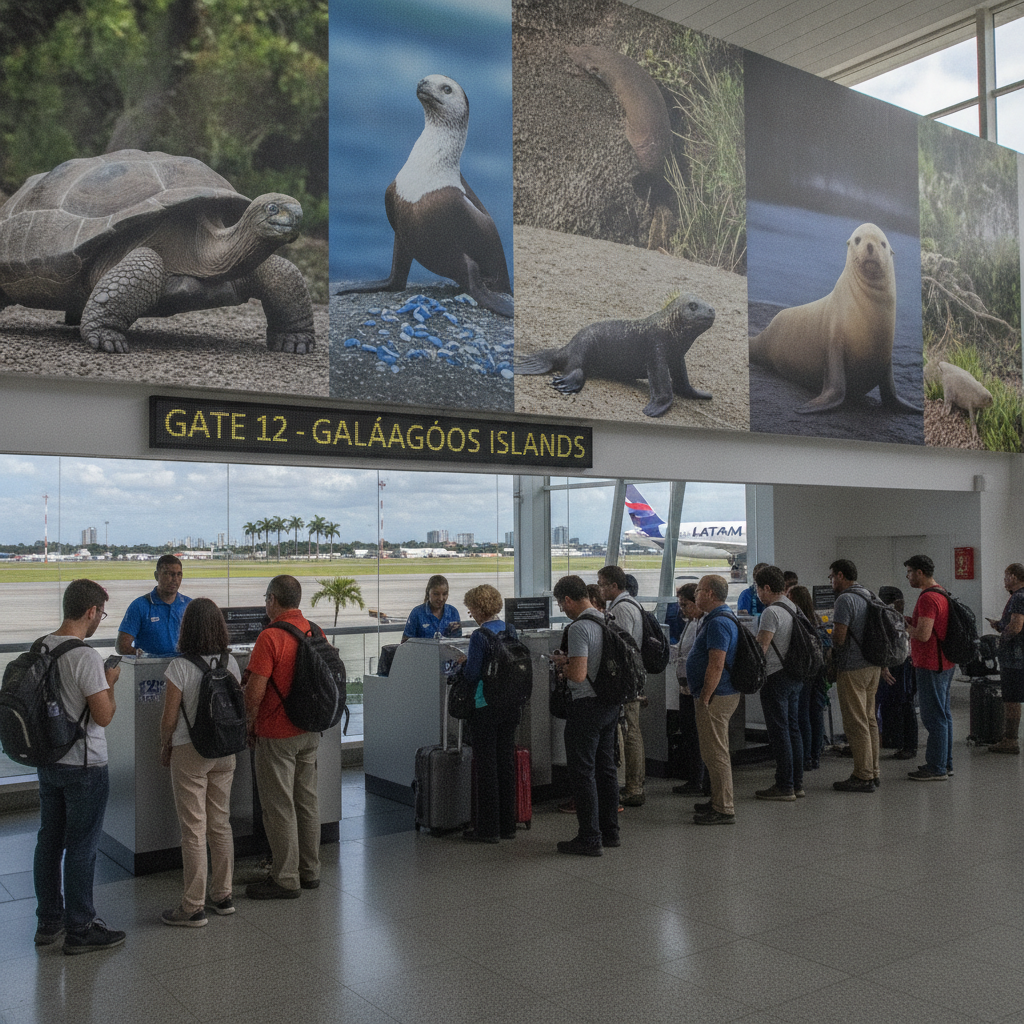
Guayaquil: Gateway to the Galápagos Islands
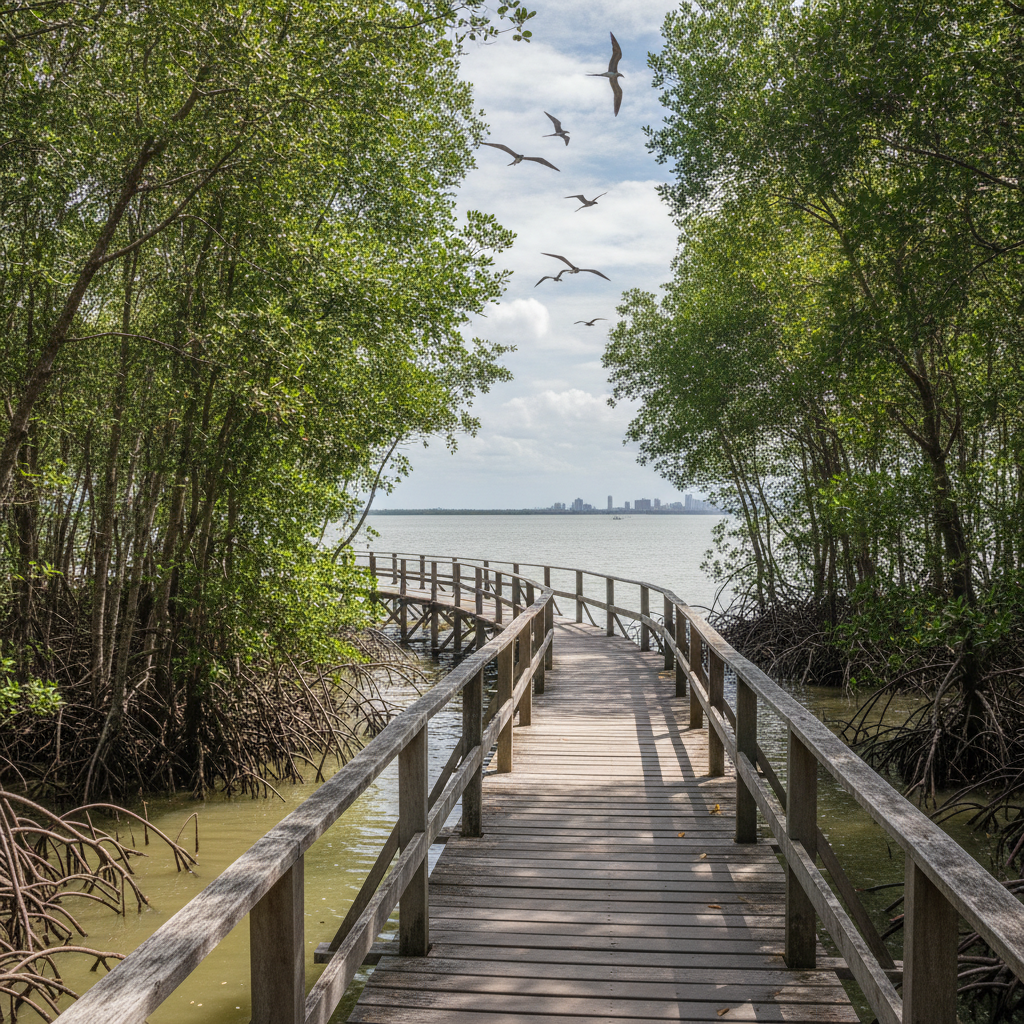
Guayaquil Mangroves: The Forest at the City's Edge
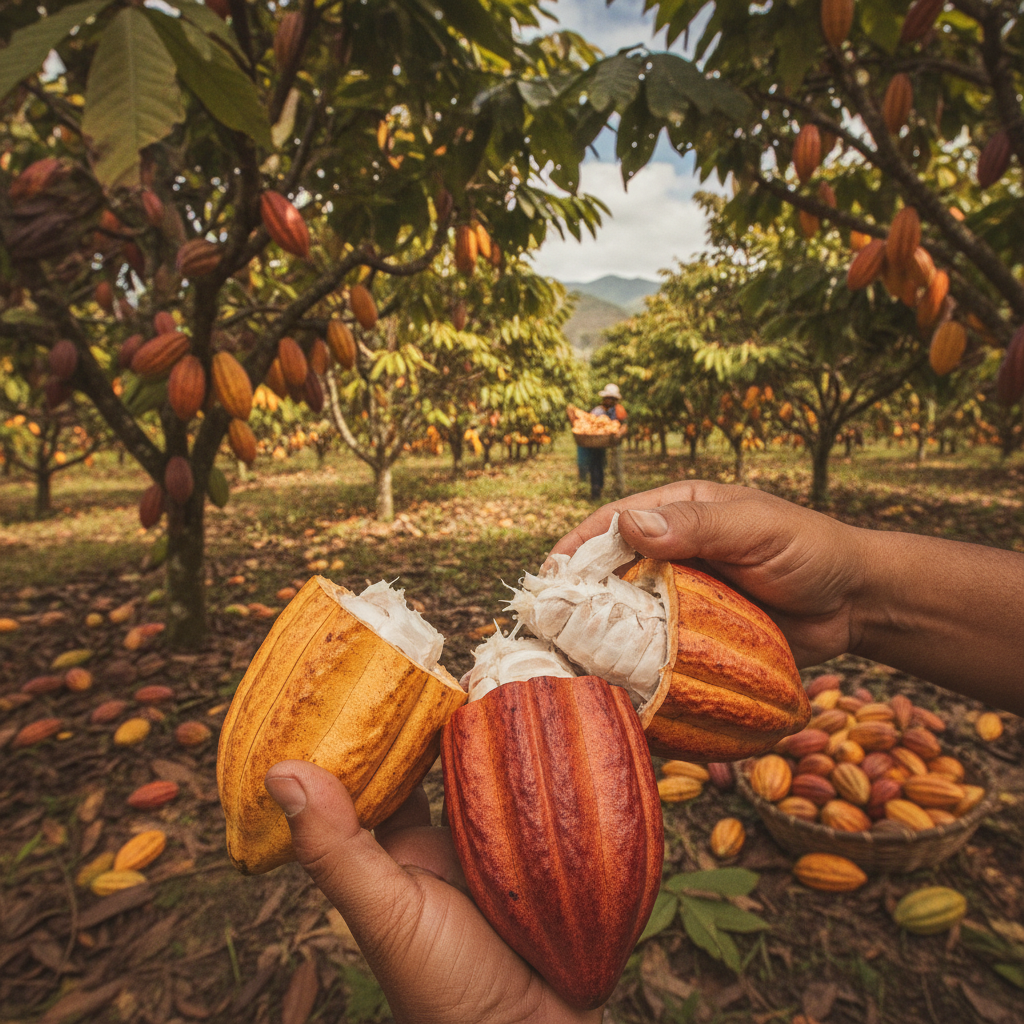
Guayaquil: Gateway to Ecuador's Fine-Flavour Cacao