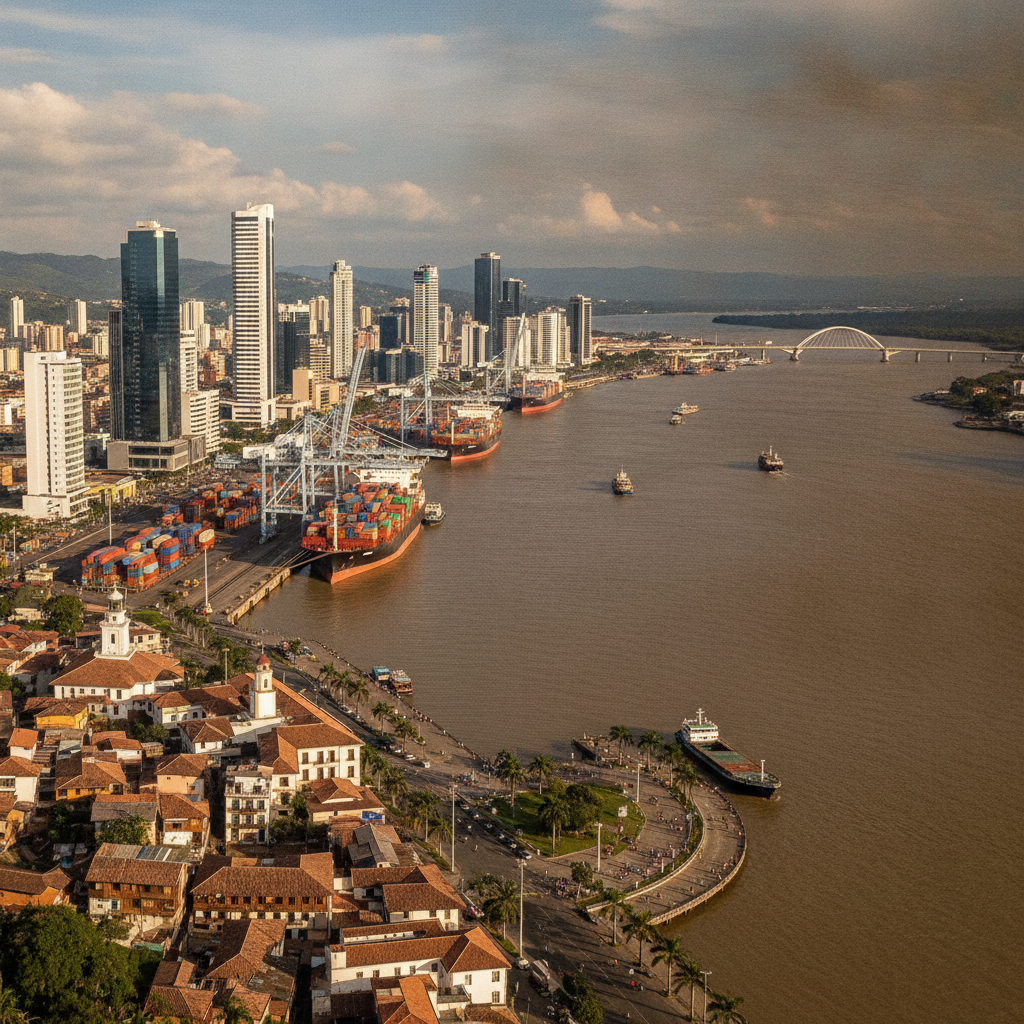
Guayaquil Mangroves: The Forest at the City's Edge
The mangrove reserves surrounding Guayaquil — the Manglares El Salado and the Guayas estuary — protect one of the world's largest mangrove systems accessible from a major city; the biodiversity, the fishing communities, and the ecological services of the mangroves are extraordinary
- 1
Manglare's El Salado Reserve
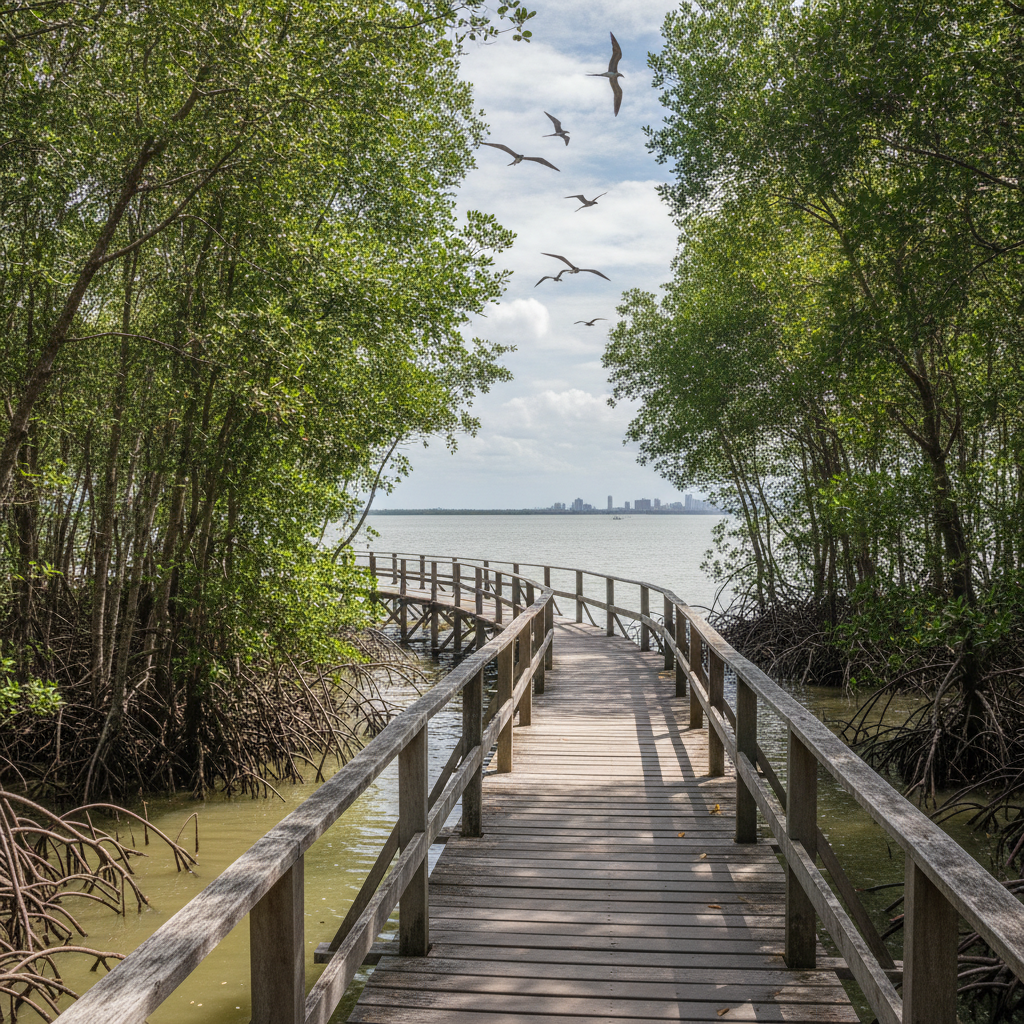
Manglare's El Salado - a mangrove reserve 10 minutes from downtown Guayaquil - has a boardwalk through the mangrove roots; the frigatebirds that nest in the mangrove canopies, the blue herons that fish in the canals and the abundant invertebrate life of the root systems are available to city visitors
- 2
Mangrove Ecological Services
Guaya's mangroves provide storm protection, water filtration, carbon sequestration and fish greenhouse habitat for the entire coastal ecosystem; the city's protection from storm surges and the productivity of the Guayas fisheries both depend on intact mangrove systems
- 3
Frigatebird colony
The magnificent frigate bird - with its distinctive red throat pouch (inflated during courtship) - breeds in large colonies in the Guayaquil mangrove forest; the breeding colony at El Salado is one of the most accessible frigatebird colonies in the Pacific
- 4
Traditional fishing communities
The artisanal fishing communities of the Guaya estuary – with traditional net fishing and oyster harvesting from dugout canoes – have been displaced by shrimp aquaculture; the remaining traditional fishers maintain knowledge of estuarine ecology essential to conservation management
- 5
Mangrove Restoration
Ecuador lost significant mangrove area to shrimp farming in the 1980s and 1990s; the El Salado reserve is the result of conservation efforts that stopped some of the destruction; community-based mangrove restoration program near Guayaquil creates new forest on previously cleared mudflats
- 6
Isla Santay Ecological Reserve
Isla Santay—a 2,000-hectare mangrove island accessible by footbridge from the Malecón—is Guayaquil's largest urban ecological reserve; the island has a boardwalk, enclosures for native animals and the traditional fishing community of Eco-Aldea; it is notable for its wild character in an urban setting
Walk this route with audio
Stories play automatically as you reach each stop — no tapping needed.
More in Guayaquil
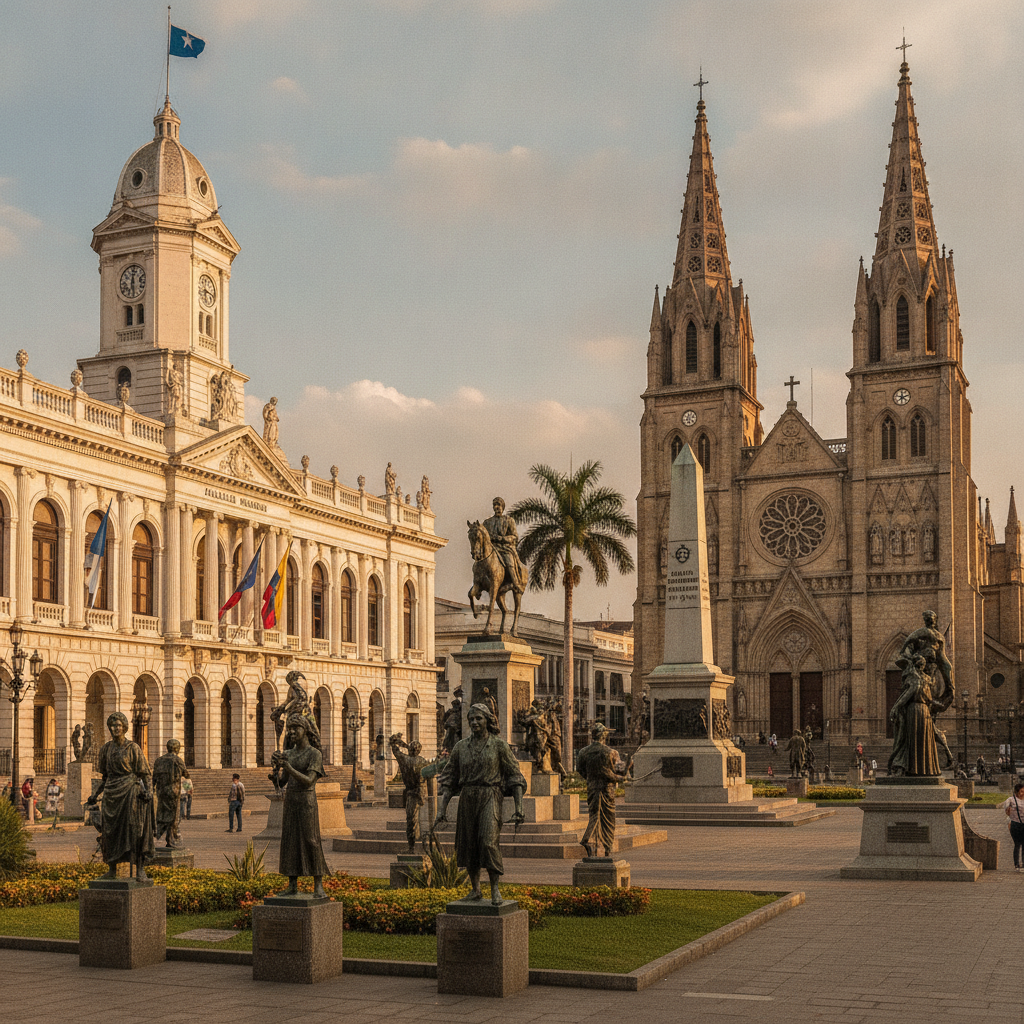
Guayaquil and Independence: The Liberators' Meeting Point
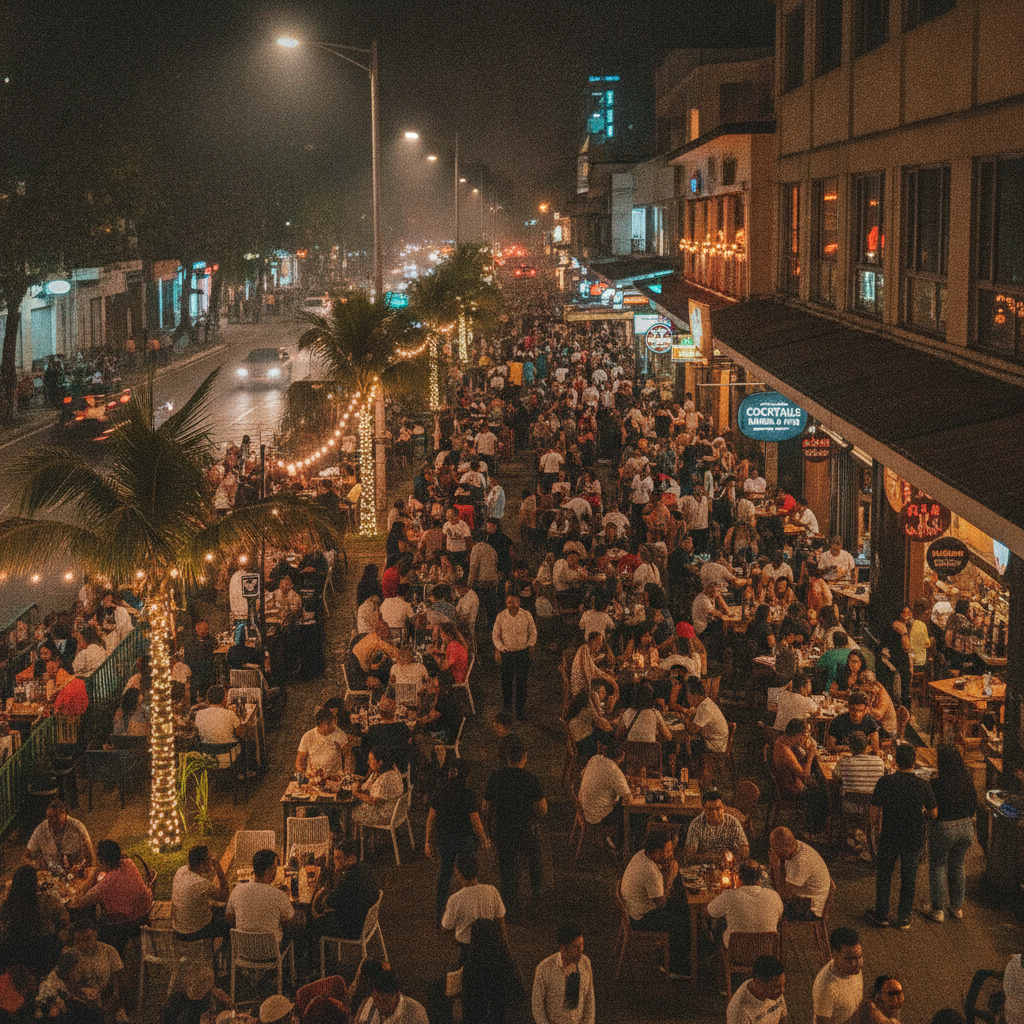
Guayaquil After Dark: Urdesa, Samborondón & Port City Energy
Guayaquil: Gateway to the Galápagos Islands
Las Peñas: Guayaquil's Bohemian Hilltop Heritage
Guayaquil: Gateway to Ecuador's Fine-Flavour Cacao