Don Khon Island Heritage & Falls Walk
Walk Don Khon — the larger and quieter of the two main tourist islands in Si Phan Don, Don Khon has the French colonial railway station, the Khon Falls (the largest waterfall by volume in Southeast Asia), and the most authentic village community accessible in the Four Thousand Islands.
- 1
Don Khon Village Center
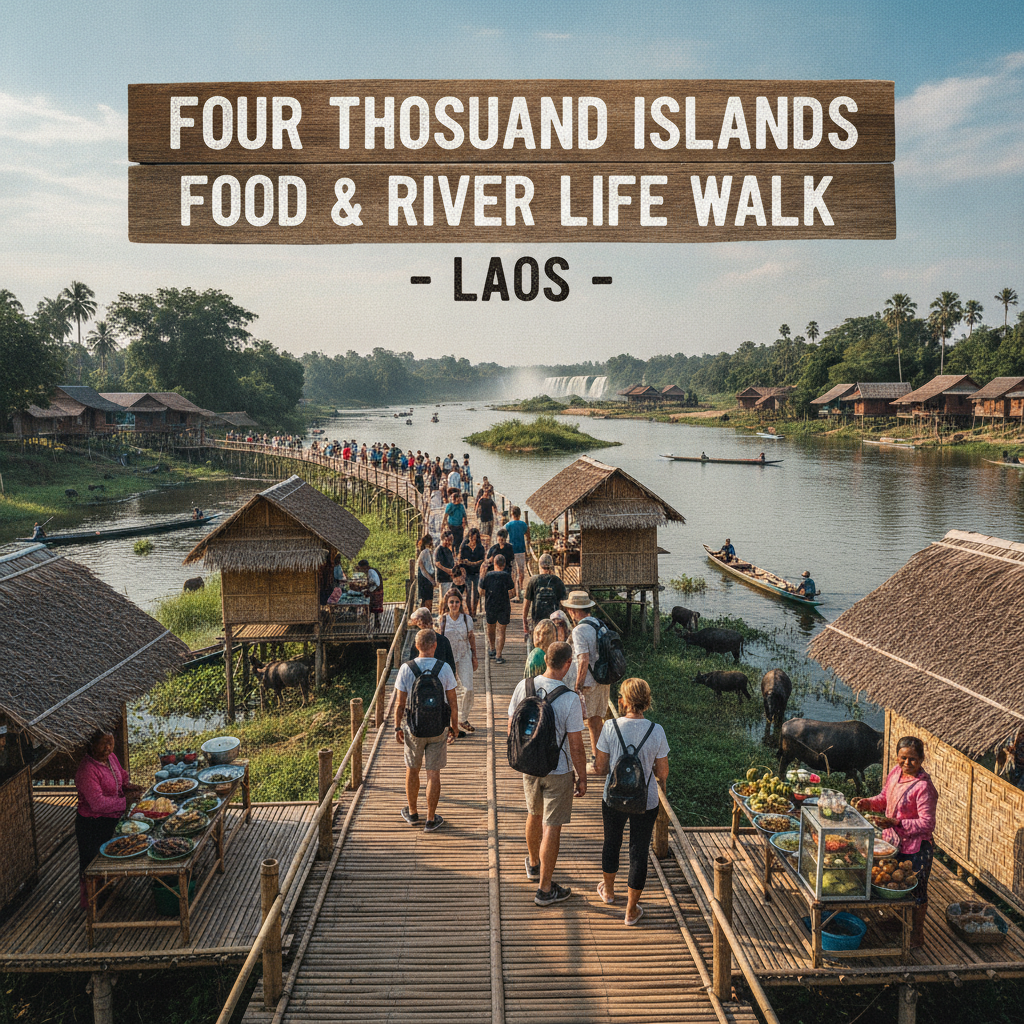
The village centre of Don Khon (the main settlement on the island, centred around the Buddhist temple compound and the market area that has served the island community since before the colonial railway made Don Khon significant for French Indochina commerce) provides the most complete encounter with the traditional island community life accessible in Si Phan Don — the village's morning market (the fresh produce from the island's agricultural areas and the fish from the overnight river catches displayed on the market stalls), the temple's daily activities (the monks moving through the village on their morning alms collection), and the traditional wooden houses with their gardens and the free-ranging animals create the most authentic village environment accessible on the main tourist islands.
- 2
Colonial Railway Station Ruins
The French colonial railway station building on Don Khon (the more complete of the two railway infrastructure sites on the islands — the station building itself survives in a ruined but recognisable form, with the platform edge, the waiting room walls, and the loading dock for the riverboat cargo still visible) is the most architecturally significant single colonial building accessible in the Four Thousand Islands — the station's history (the terminus of the 7km narrow-gauge railway that bypassed the Khon Falls, connecting the Don Det pier on the northern bank to the Don Khon pier on the southern bank, allowing the Mekong steamboats to transfer cargo around the falls) makes it the physical anchor for understanding the entire French colonial commercial ambition in southern Laos.
- 3
Li Phi Falls Don Khon
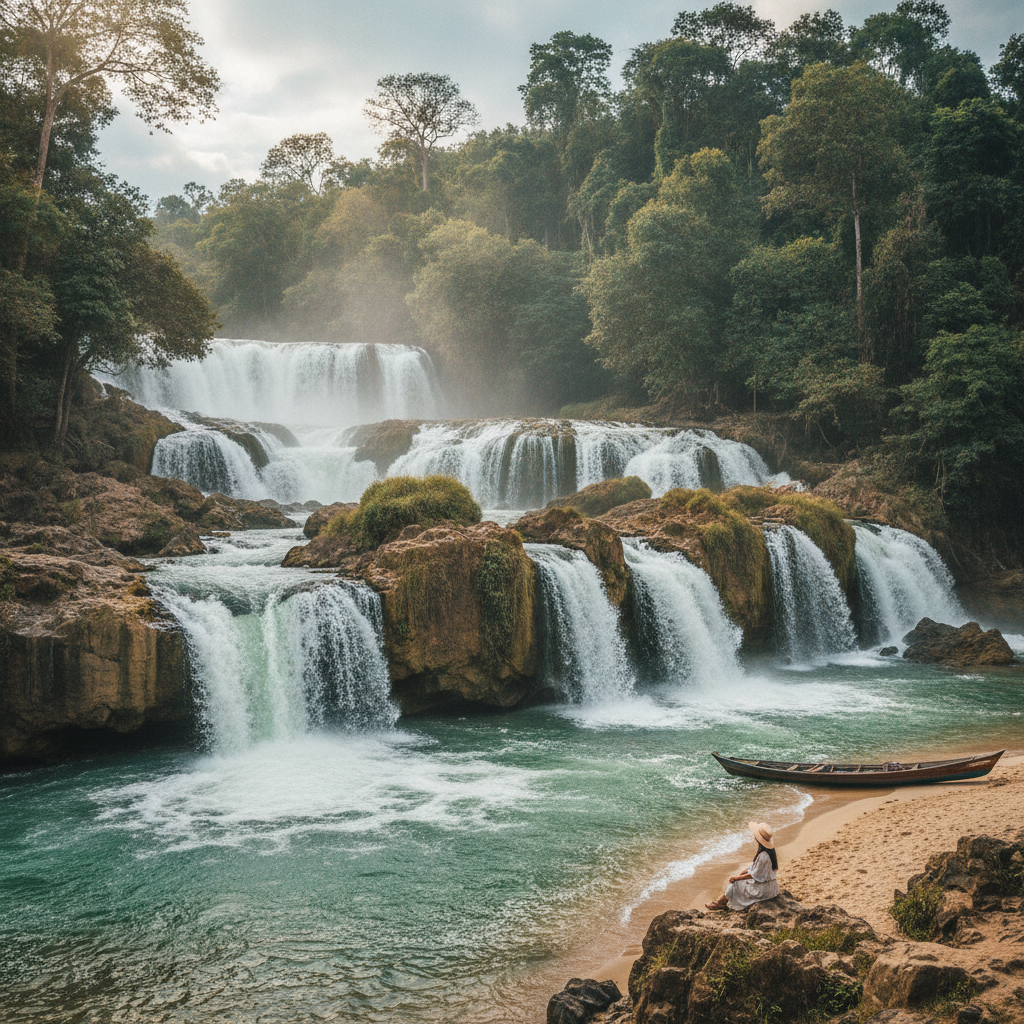
Li Phi Falls (Somphamit Falls) on the western side of Don Khon (the waterfall on the main western channel of the Mekong at this point, different from the larger Khon Phapheng Falls on the eastern bank) is the most accessible waterfall viewpoint from the Don Khon guesthouses — the falls (a turbulent rapid rather than a smooth cascade, the white water visible through the spray above the channel between the islands) is most dramatic in the wet season (July-October) when the full Mekong flow is running through the western channels. The Li Phi Falls viewpoint (the wooden observation platforms built at the river's edge overlooking the cascade) provides the most close-up encounter with the Mekong's hydraulic force accessible without entering the water.
- 4
Don Khon Eastern Shore Walk
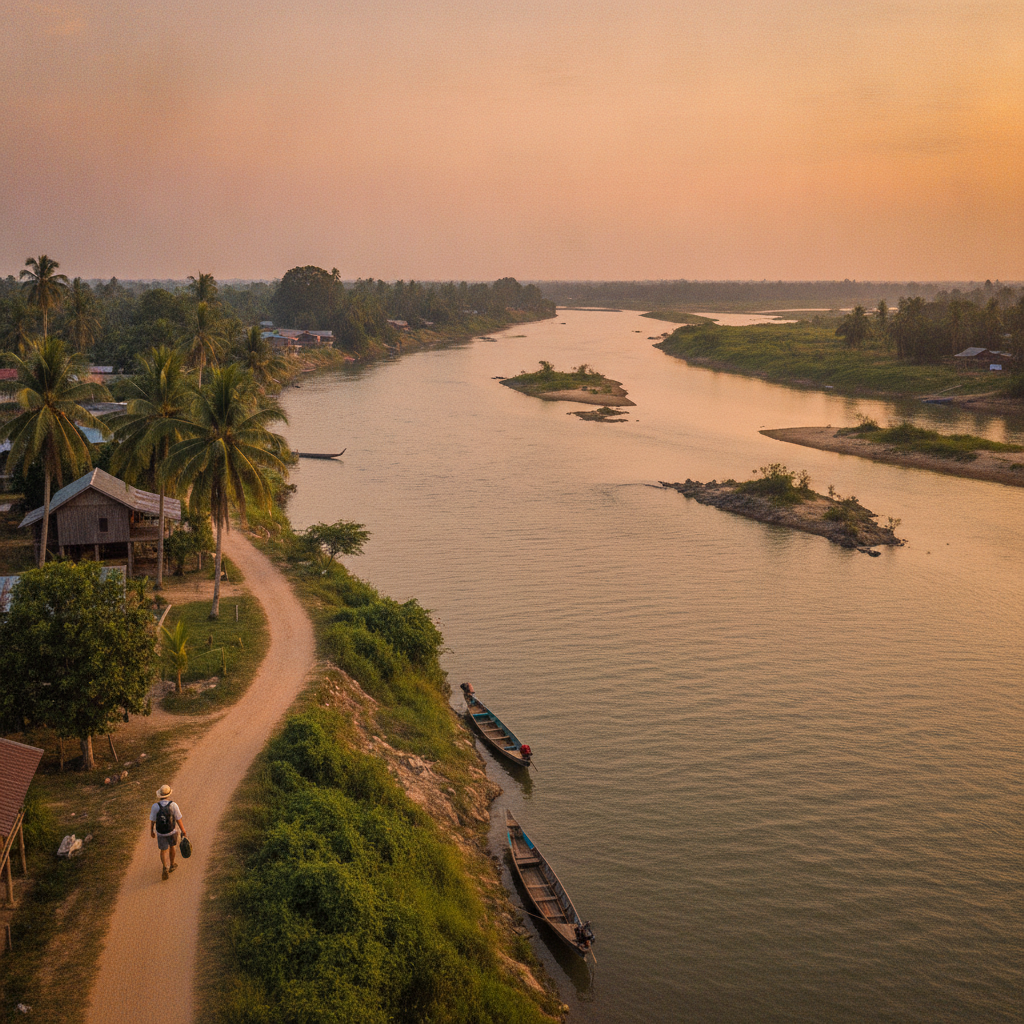
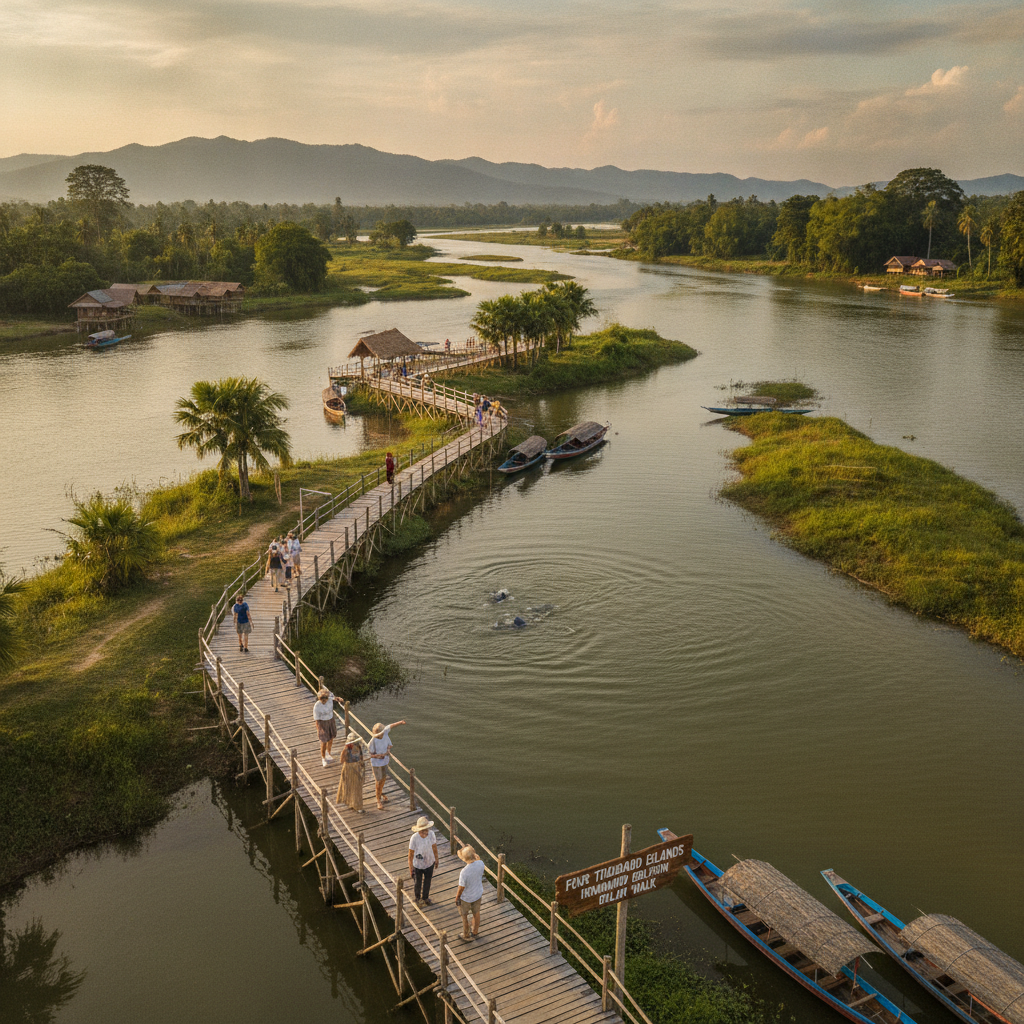
The walking path along Don Khon's eastern shore (the dirt track through the village compounds and the agricultural areas on the river bank, connecting the bamboo bridge from Don Det to the southern tip of the island) passes through the most varied landscape accessible on the two main tourist islands — the path alternates between the open river bank (the Mekong visible through the riverside vegetation), the village compounds (the traditional wooden houses, the agricultural gardens, and the community fish drying operations visible at the houses closest to the river), and the shaded track through the mature trees that shade the path between the village sections. The eastern shore walk takes approximately 1.5 hours at a comfortable pace and provides the most complete single-journey survey of the Don Khon island character.
- 5
Mekong Fishing Community
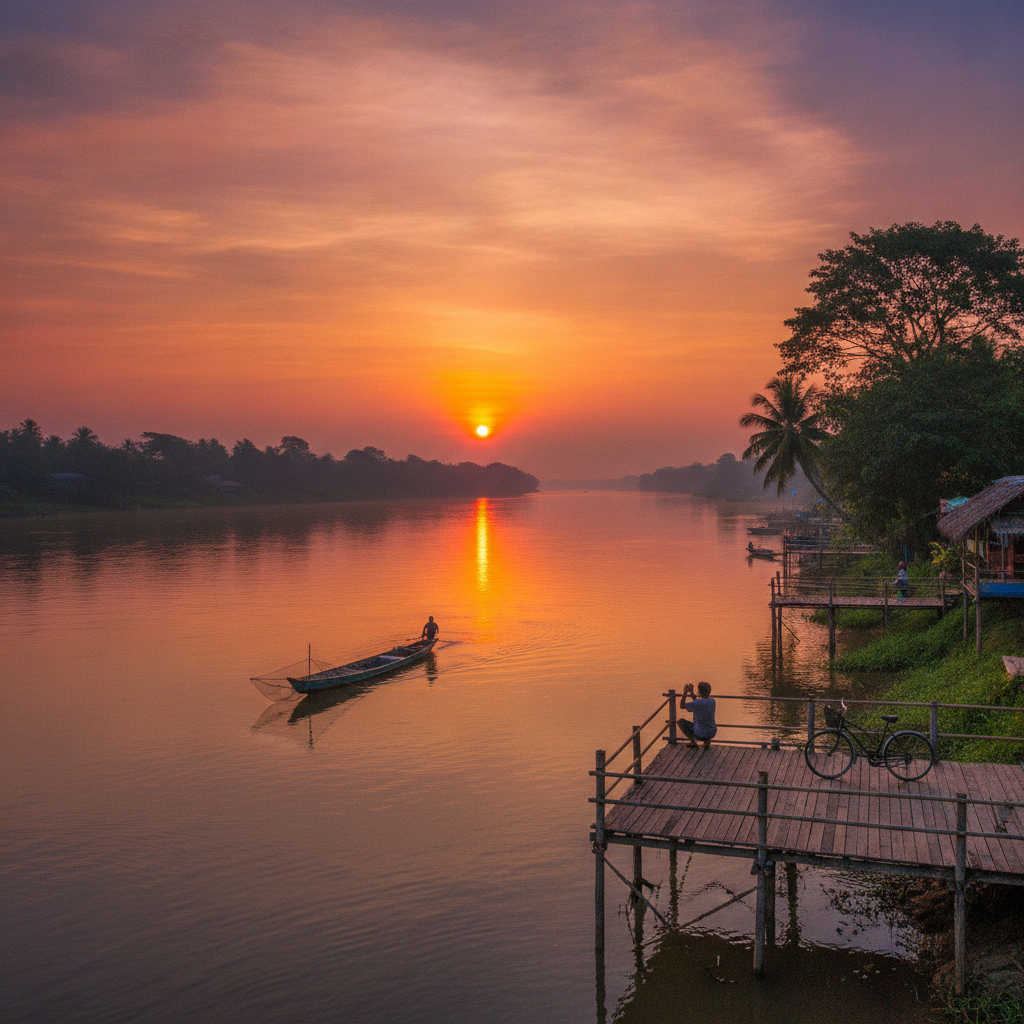
The fishing community on Don Khon (the families who maintain the traditional Mekong river fishing using the large trap basket systems (the dok mai, the basket trap anchored in the river current to intercept the downstream-migrating fish), the cast nets visible from the riverside path, and the fish drying operations on the platforms and racks beside the houses) represents the most directly observable traditional Mekong fishing culture accessible in the Si Phan Don area — the fish species caught in the Don Khon area (the giant Mekong catfish, the giant barb, the various river perch species, and the smaller fish used for the fermented padaek paste production) are the same species that have defined the food culture of the Mekong communities for thousands of years.
- 6
Don Khon Temple Grounds
The Buddhist temple on Don Khon (the active monastery that serves as the spiritual and social centre of the island community) is the most significant non-tourist institution accessible on the islands — the temple's daily activity (the morning prayers, the monks' teaching sessions with the island children, and the festival celebrations that mark the Lao Buddhist calendar) is the most consistently observable expression of the non-tourist community life on the islands. The temple's historical connection to the pre-colonial island community (the monastery's records, if available, document the village life before the French railway changed the island's commercial significance) provides the deepest available historical continuity between the current island community and the traditional Mekong fishing and rice-farming society that established itself on the Mekong islands long before the tourist economy arrived.
Walk this route with audio
Stories play automatically as you reach each stop — no tapping needed.