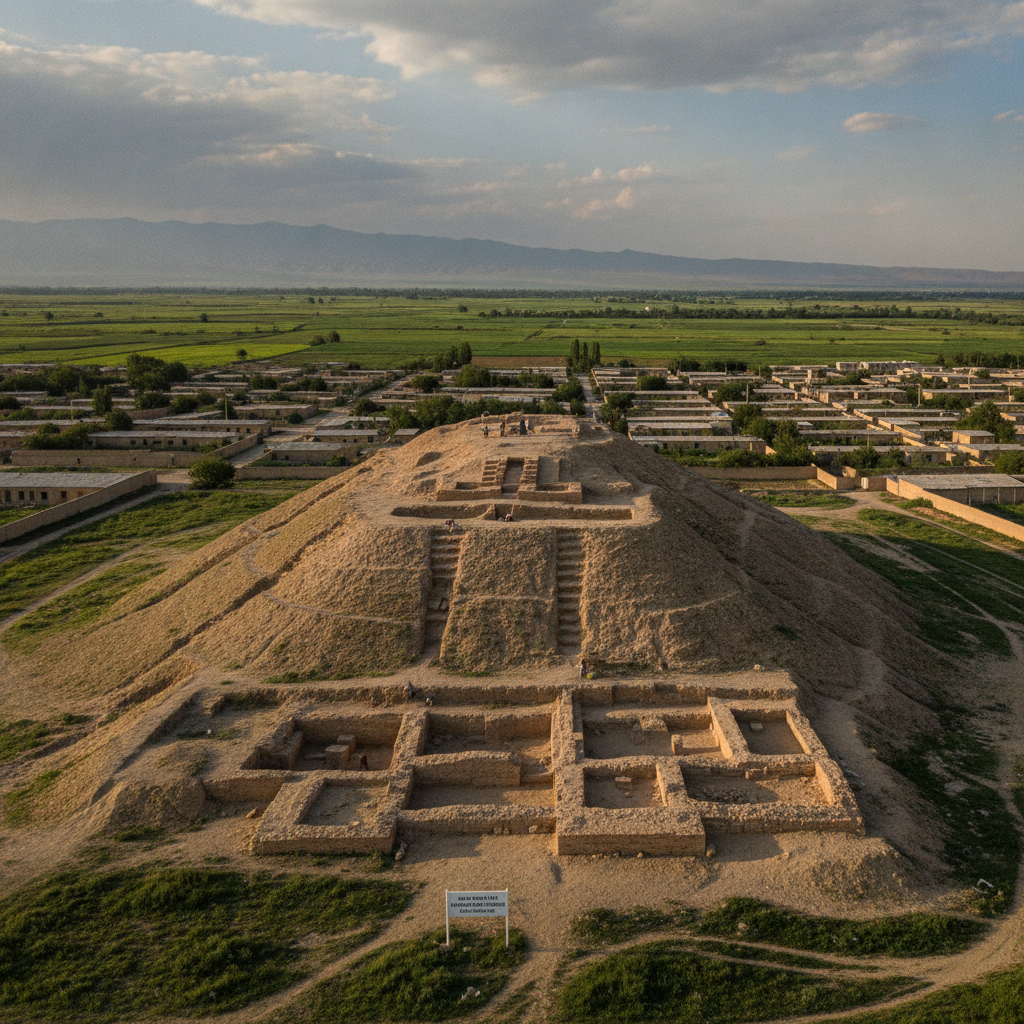
Fergana Kuva Ancient Buddhist Archaeological Site
Visit Kuva — the ancient city near Fergana whose archaeological excavations revealed Buddhist and Zoroastrian remains from the pre-Islamic period, the site showing the religious diversity of the Fergana Valley before the Arab Islamic conquest, with a remarkable cache of 7th-century clay sculptures discovered in what was identified as a Buddhist temple.
- 1
Kuva Archaeological Mound
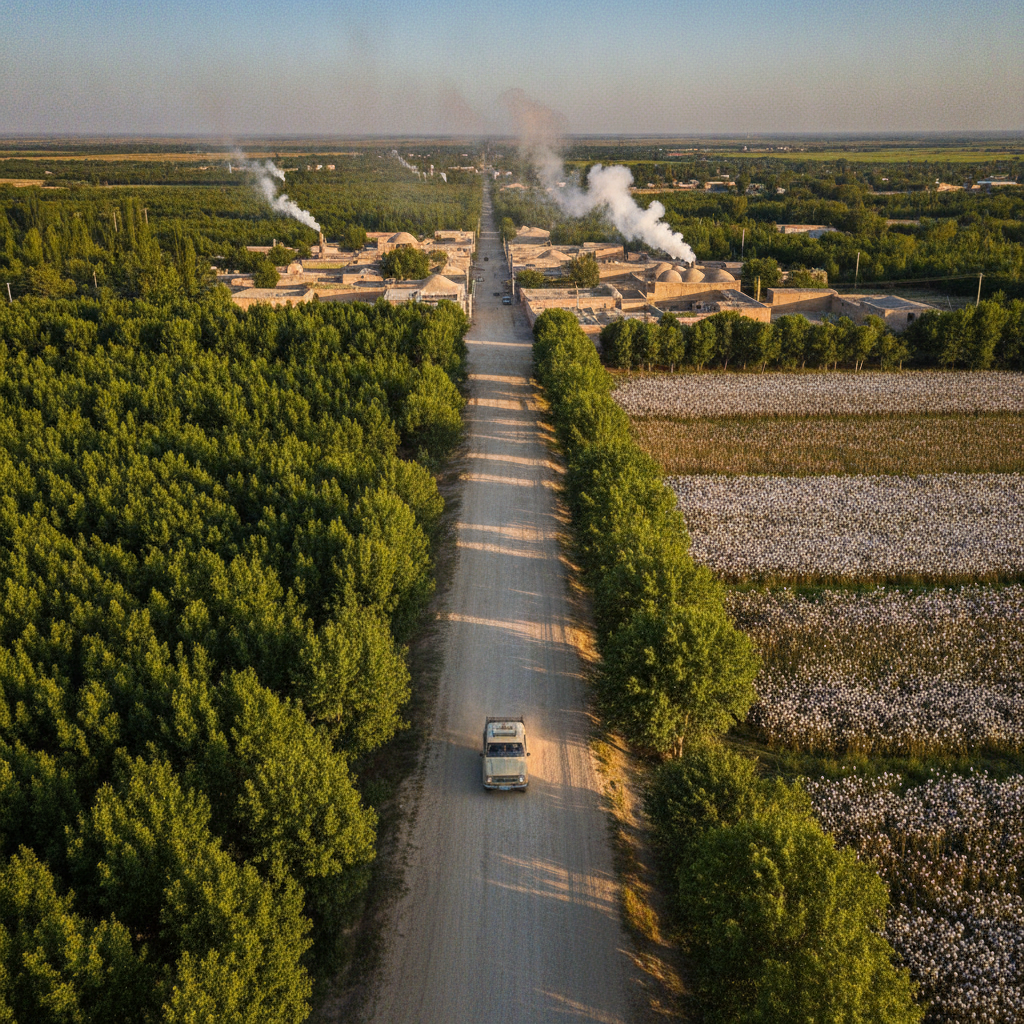
The Kuva archaeological mound — the tell rising above the modern settlement marking the site of the ancient city occupied from at least the 3rd century BCE through the early Islamic period, the excavations revealing the successive layers of habitation that document the valley's pre-Islamic history.
- 2
Buddhist Temple Sculpture Cache
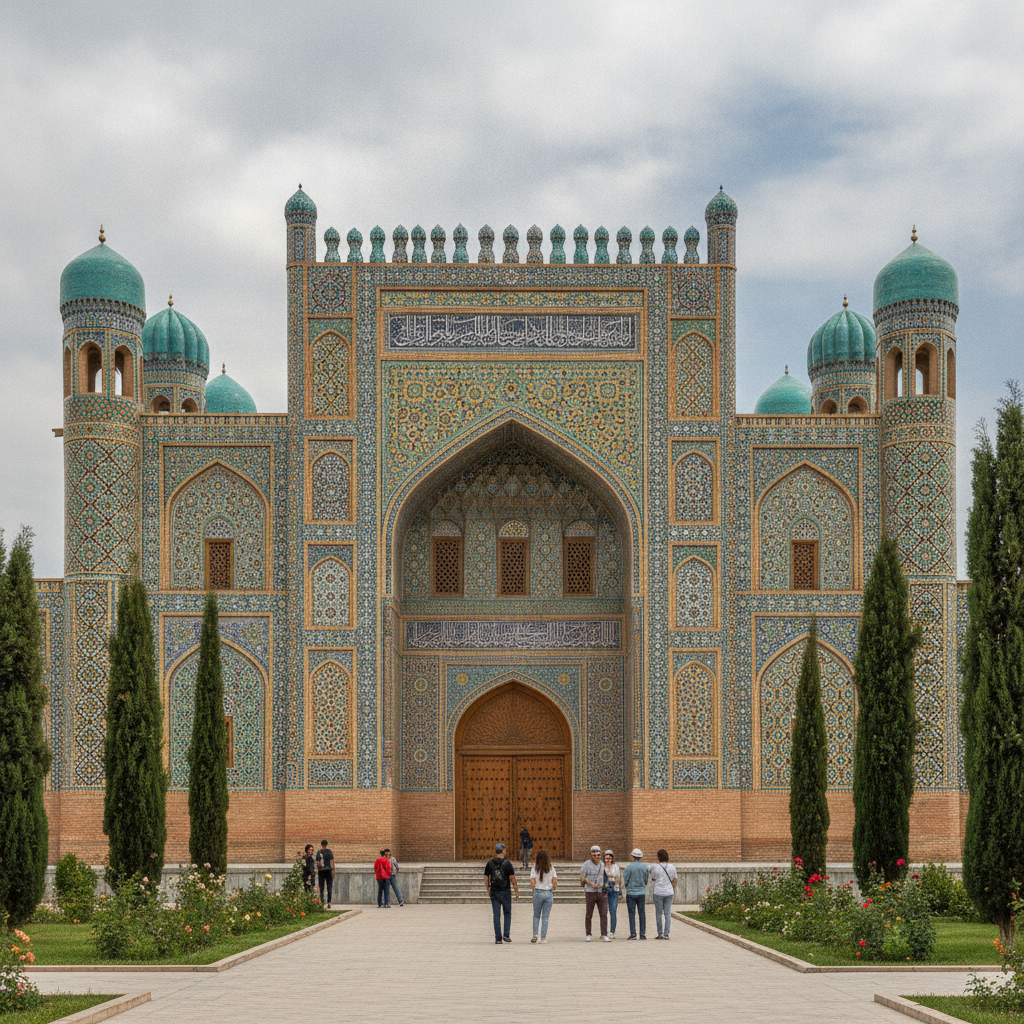
The Buddhist temple sculpture cache of Kuva — the remarkable discovery of large clay sculptures in a 7th-century Buddhist temple, the figures in a style combining Central Asian, Gandharan, and Iranian artistic elements, the sculptures now in the History Museum of Uzbekistan in Tashkent.
- 3
Zoroastrian Fire Temple Remains
The Zoroastrian fire temple remains at Kuva — the archaeological evidence of fire worship in the pre-Islamic valley, the fire altar and the ritual spaces showing that the Fergana Valley's pre-Islamic religious life included both Buddhism and the Iranian Zoroastrian tradition.
- 4
Pre-Islamic Fergana Culture
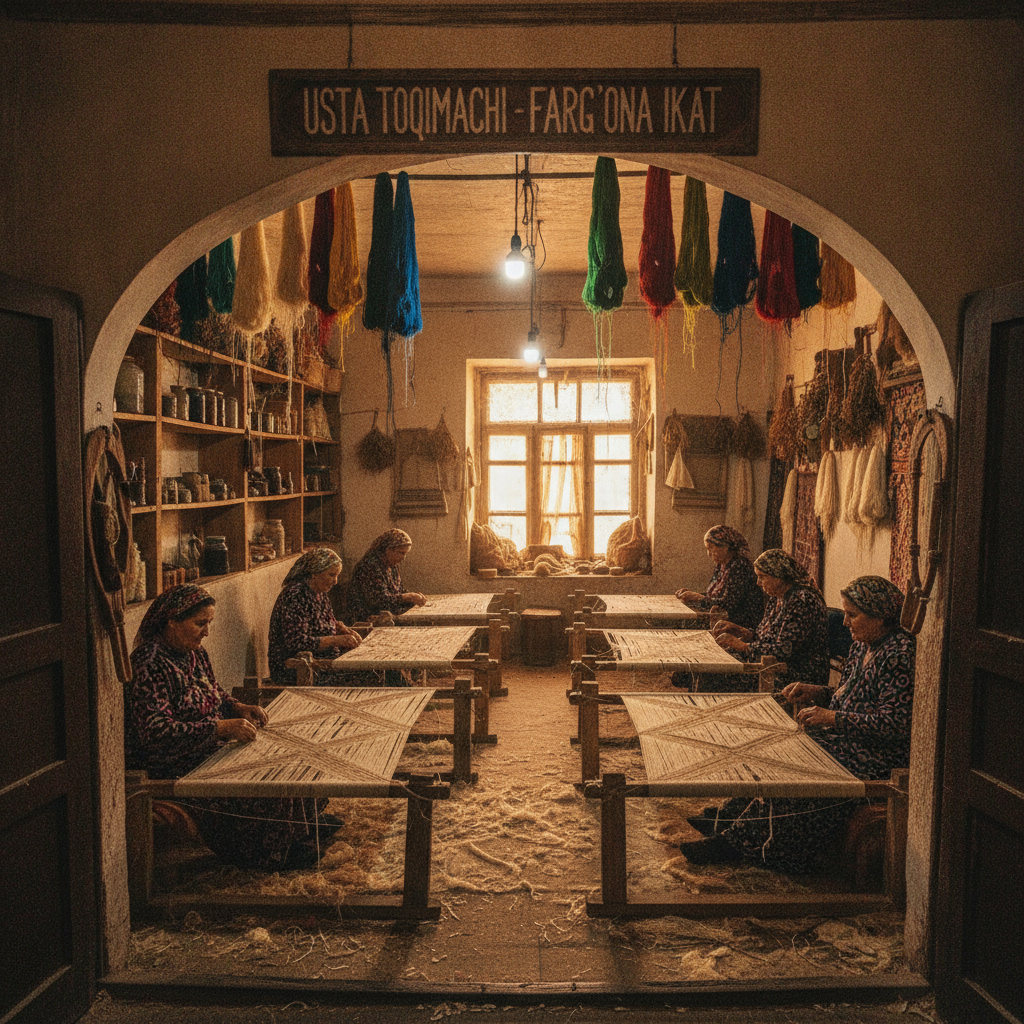
The pre-Islamic culture of the Fergana Valley visible in the Kuva excavations — the Sogdian merchant culture, the Chinese Han Dynasty influence visible in the ceramics, and the Indian Buddhist connections all visible in the material culture of a valley that was simultaneously a silk production center and a religious crossroads.
- 5
Ancient Irrigation Evidence
The ancient irrigation evidence at Kuva — the archaeological traces of the water management system that has sustained agriculture in the Fergana Valley since antiquity, the main canals and their secondary distribution channels mapping the same geographic logic as the modern irrigation infrastructure that serves the same land.
- 6
Local Museum Kuva Finds
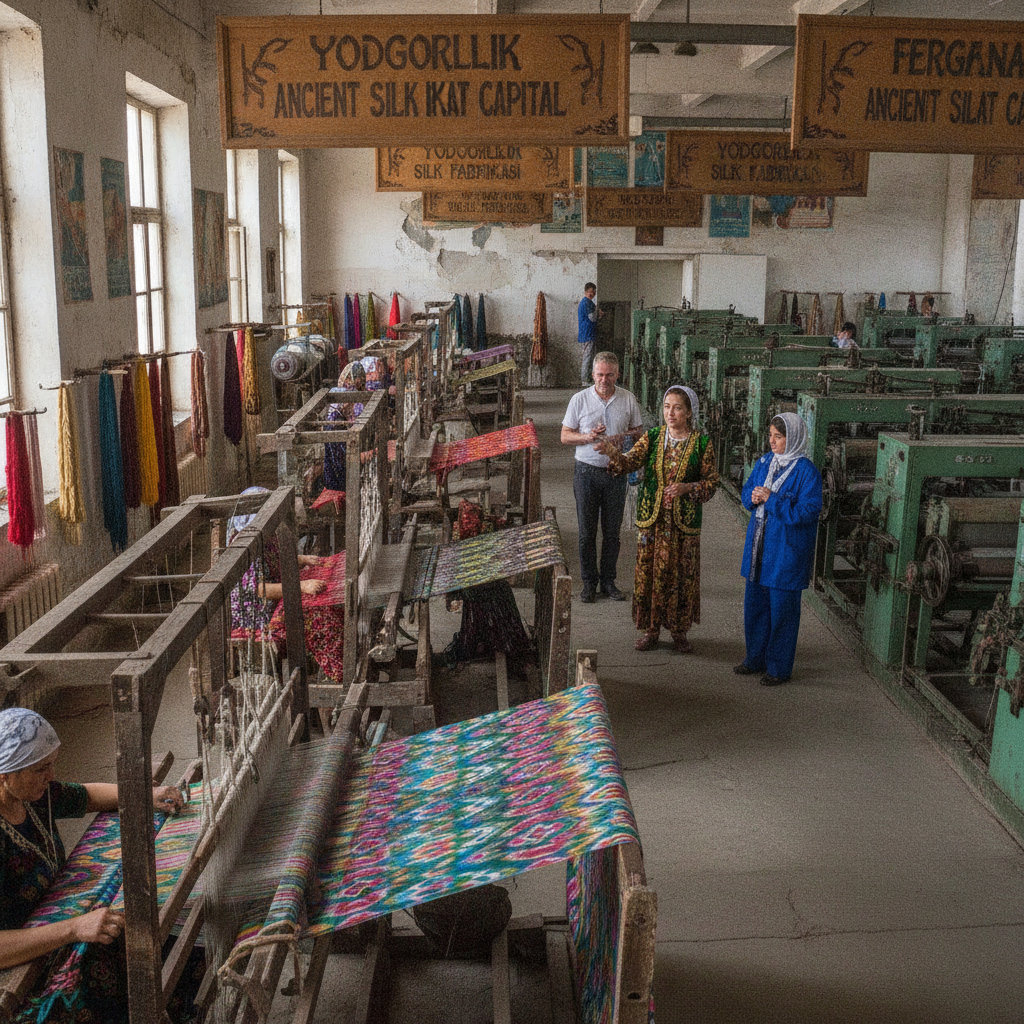
The local museum displaying the Kuva finds — the smaller objects from the excavations not sent to Tashkent displayed in the local collection, the ceramics, coins, and architectural fragments providing a material record of the ancient city's commercial and cultural connections across the Central Asian Silk Road world.
Walk this route with audio
Stories play automatically as you reach each stop — no tapping needed.