Djerba Heritage: The 2500-Year Jewish Community, the Amazigh Berber Island Identity, the Menzel Architecture, and the Multicultural Island Legacy
The Djerba heritage route covers the 2,500-year Jewish community as the most ancient continuous Jewish community in Africa, the Amazigh Berber island identity, the distinctive menzel house architecture, and the island multicultural legacy.
- 1
Djerba Jewish Community: 2500 Years in Africa
The Djerba Jewish community, the most ancient continuous Jewish community in Africa with the historically documented presence from at least the 2nd century AD, maintained the most completely intact single North African Jewish village life at the Hara Kebira and the Hara Sghira until the post-1948 emigration. The contemporary Djerba Jewish community of approximately 1,000 people is the largest single remaining Jewish community in the Arab world outside Morocco.
- 2
Amazigh Berber Identity: The Pre-Arab Islanders
The Djerba Amazigh Berber population, the most ancient inhabitants of the island who maintained the most complete single Berber dialect distinct from the mainland Berber dialects and the most completely Berber architectural tradition (the windowless menzel house), represent the deepest single cultural layer of the Djerba identity beneath the later Arab, Jewish, and Ottoman influences.
- 3
Menzel Architecture: The Windowless House Tradition
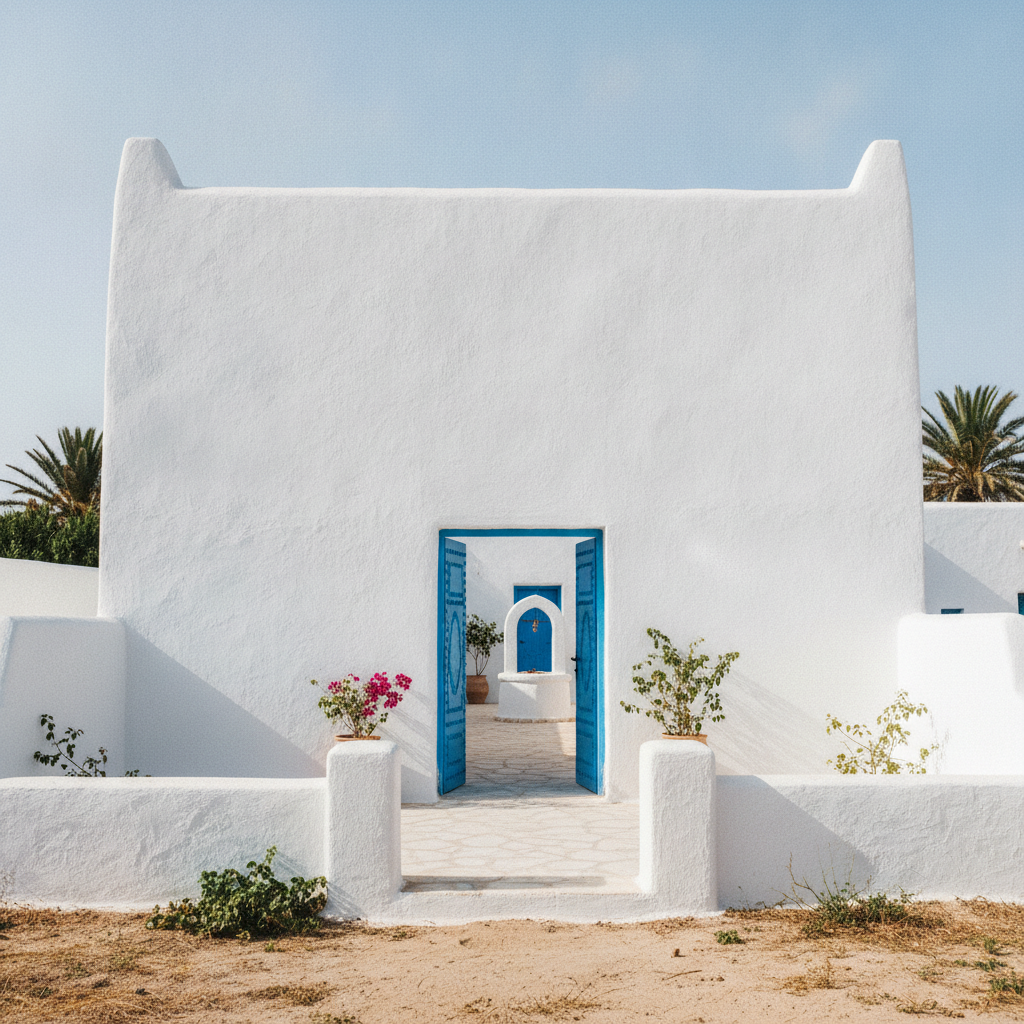
The Djerba menzel (traditional house) with the completely windowless white exterior (the most climate-adapted single Mediterranean island facade protecting the interior from summer heat and winter wind), the single low doorway, and the internal courtyard with the well and the olive tree is the most completely enclosed single Mediterranean house type and the design most perfectly adapted to the Djerba island microclimate conditions.
- 4
Djerba Silver Jewelry: The Multicultural Craft
The Djerba silver jewelry tradition combining the Amazigh Berber geometric symbolism with the Sephardic Jewish filigree technique and the Arab floral motif is the most culturally synthetic single North African jewelry vocabulary. The Houmt Souk jewelry souk is the most concentrated single Djerba silver jewelry market and the most accessible single authentic Djerba craft shopping destination.
- 5
Djerba Mosque Architecture: The Bulbous Dome Tradition
The Djerba mosques with the distinctive bulbous dome (the most architecturally unique single Djerba mosque style in Tunisia, different from all other North African mosque dome traditions) dating from the 12th century Almohad period and the subsequent Hafsid building program are the most distinctively island-specific single Tunisian religious architecture. The whitewashed Djerba mosque exterior against the blue sky is the most iconic single Djerba architectural image.
- 6
Djerba Cuisine: The Island Kitchen
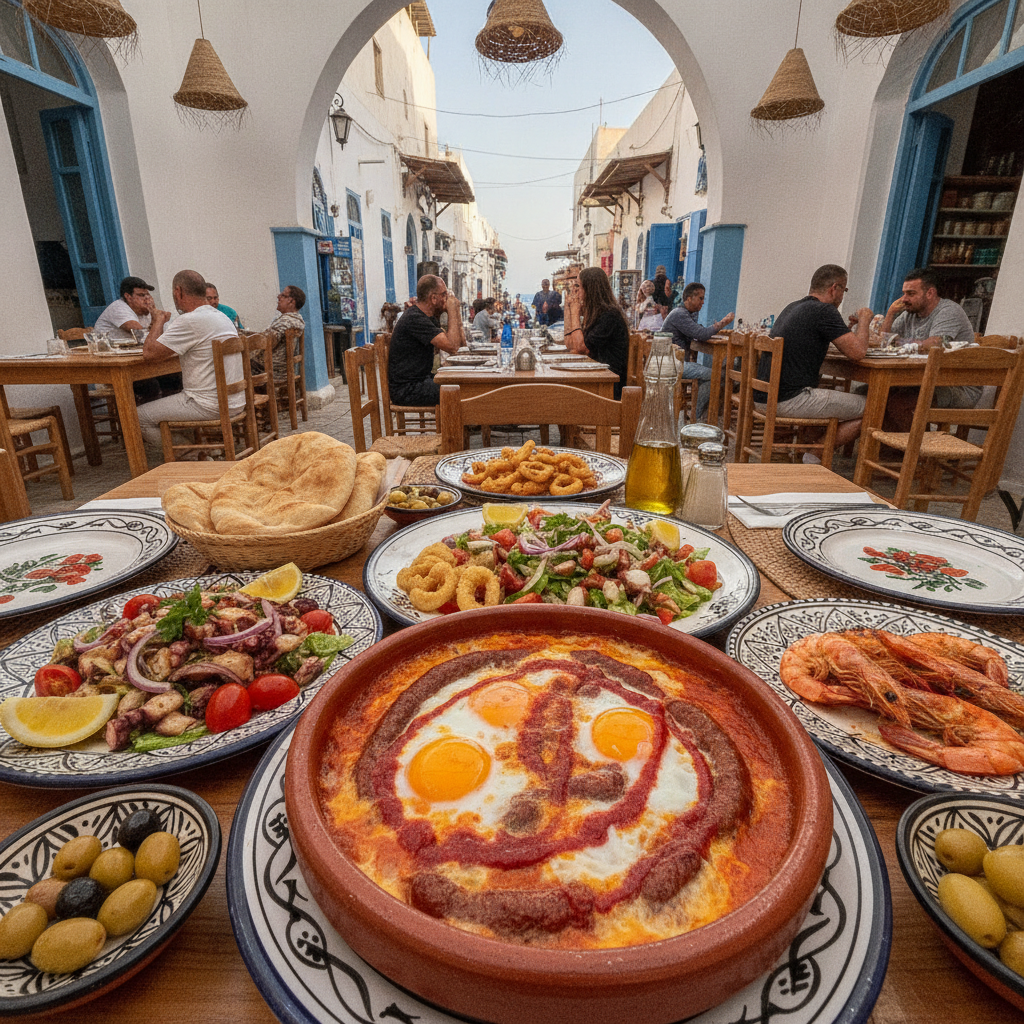
The Djerba cuisine is the most seafood-forward single Tunisian island kitchen with the octopus salad, the grilled sea bass with chermoula, the Djerba ojja (eggs scrambled with merguez, tomato, pepper, and harissa), and the malsouka bastilla with fish (the most distinctively island-adapted Tunisian pastry using local fish rather than pigeon). The Djerba island olive oil from the 600-year-old olive trees is the most distinctively Djerba single agricultural product.
Walk this route with audio
Stories play automatically as you reach each stop — no tapping needed.
More in Djerba
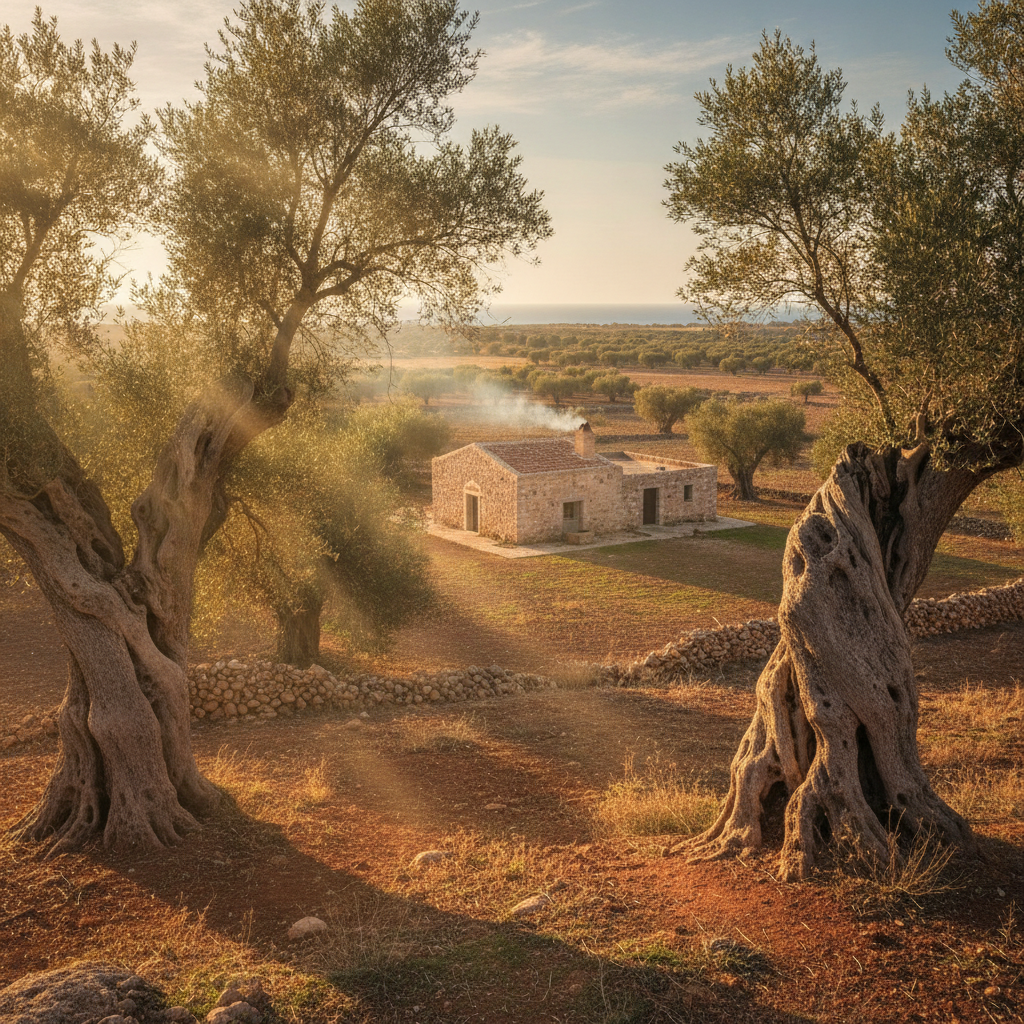
Djerba Agriculture: The Ancient Olive Groves, the Traditional Olive Press, the Date Palms, the Island Fishing Economy, and the Traditional Island Farming Landscape
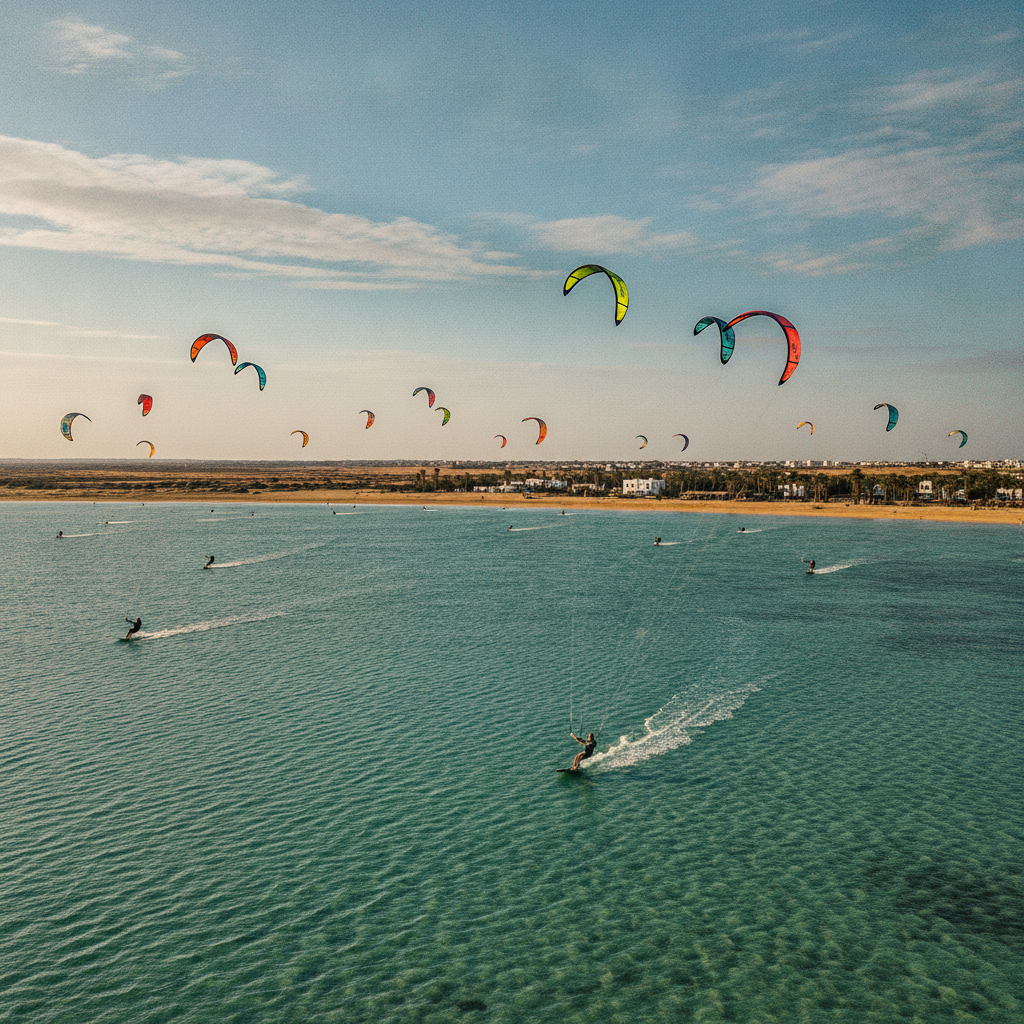
Djerba Active: Kitesurfing at Ras R Mel, Scuba Diving, Cycling the Island Interior, and the Zone Touristique Resort Culture
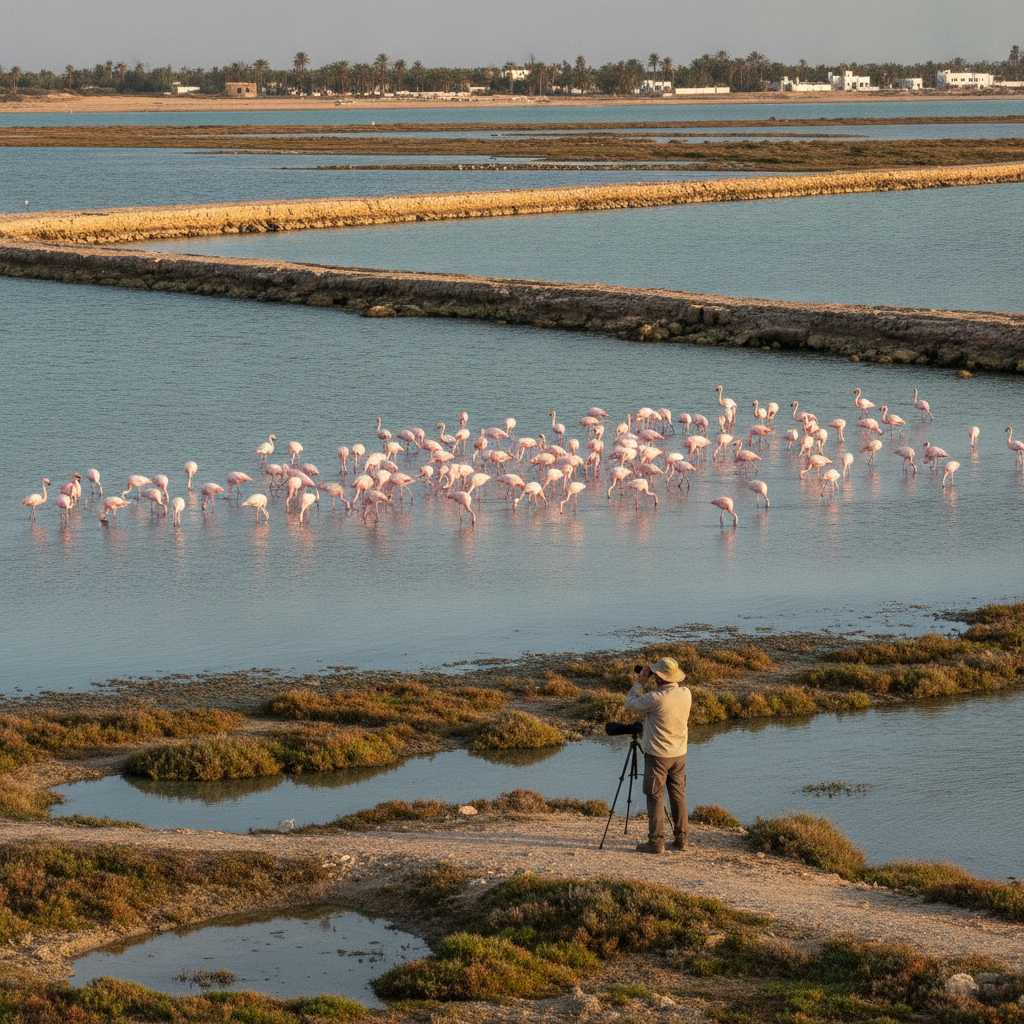
Djerba Nature: The Flamingo Lake, the Birdwatching Circuit, the Posidonia Meadows, the Sea Turtle Protection, and the Island Marine Ecology
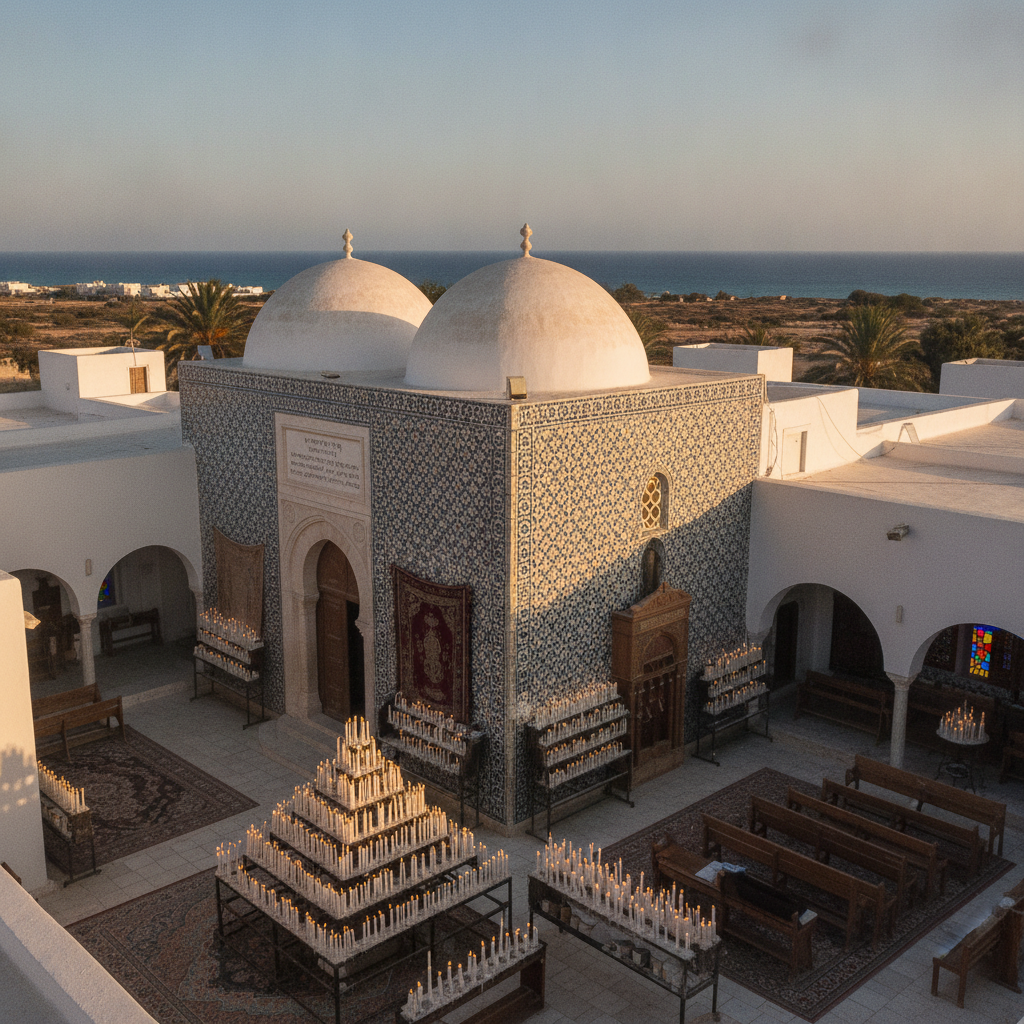
Djerba Essential: The El Ghriba Synagogue, Houmt Souk Medina, the Lotus Eaters Legend, the Guellala Pottery Village, and the Mediterranean Island Character
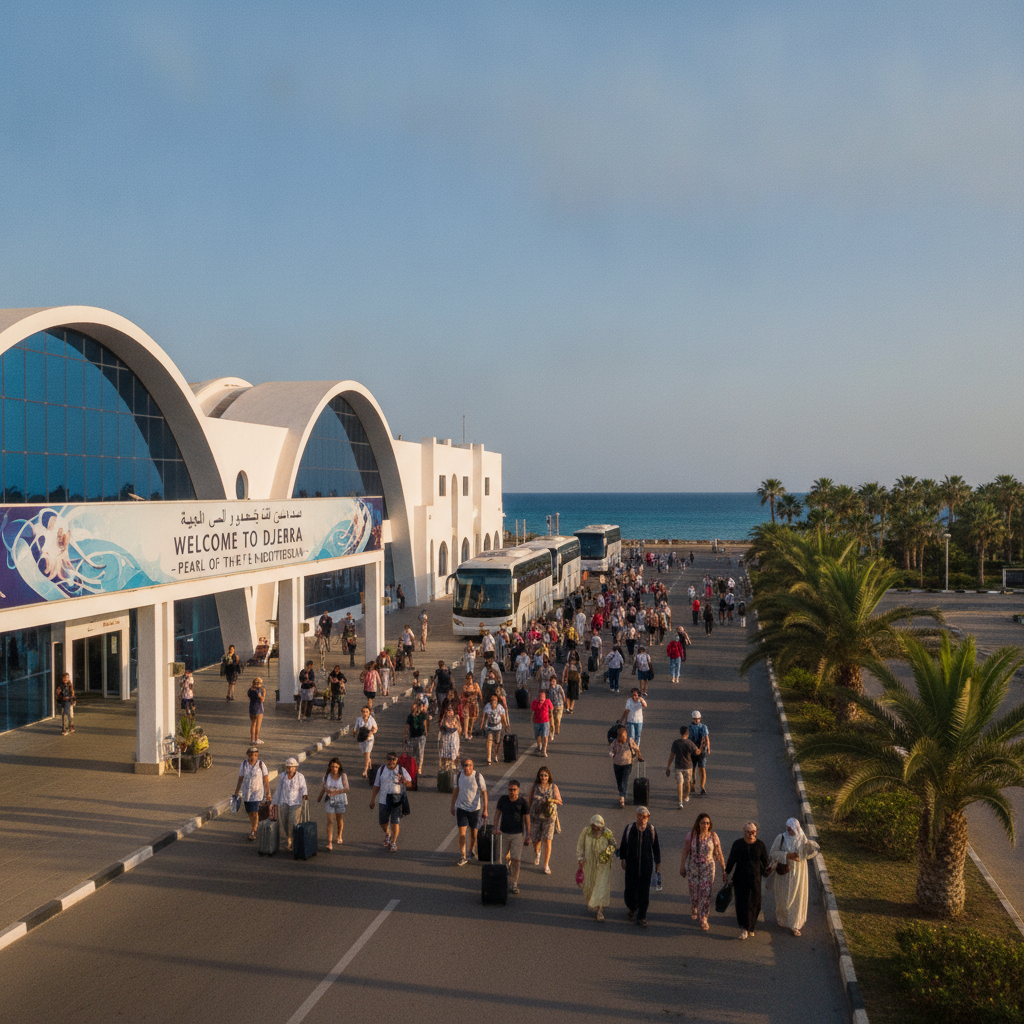
Djerba Practical: The Djerba-Zarzis Airport, the El Kantara Causeway, the Zone Touristique Hotels, the Optimal Visit Timing, and the Departure Summary