Djerba Nature: The Flamingo Lake, the Birdwatching Circuit, the Posidonia Meadows, the Sea Turtle Protection, and the Island Marine Ecology
The Djerba nature route covers the flamingo colony in the Bou Grara Gulf shallows, the island birdwatching circuit, the Posidonia seagrass meadows as the most ecologically productive Tunisian Mediterranean habitat, and the sea turtle protection program.
- 1
Flamingo Colony: The Bou Grara Gulf Shallows
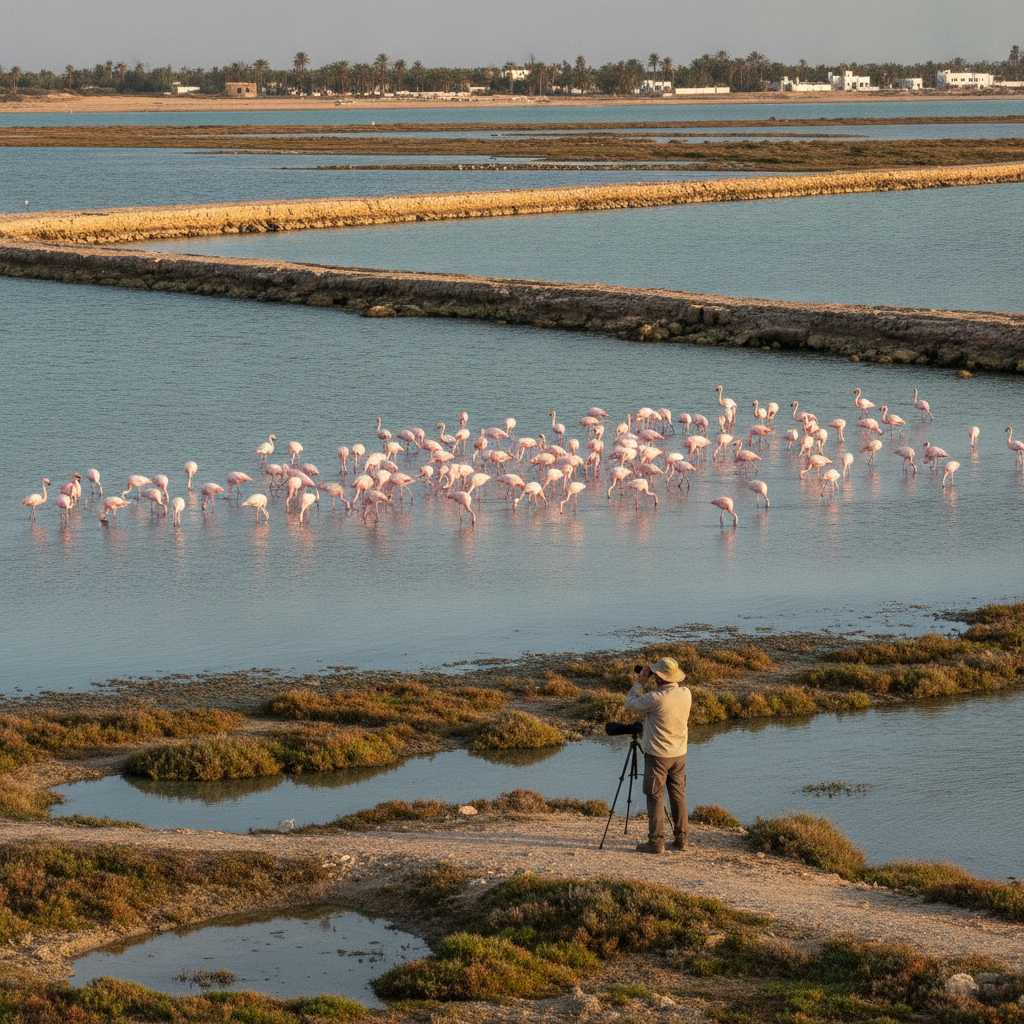
The greater flamingo colony in the Bou Grara Gulf shallows visible from the El Kantara causeway in winter (November to March) is the most dramatically visible single wildlife spectacle in Tunisia. The flamingo feeding behavior in the most shallow single coastal lagoon in Tunisia (the water depth of 20-50 cm provides the most ideal single flamingo filter feeding condition) creates the most photographically dramatic single Tunisian wildlife scene.
- 2
El Kantara Causeway Birdwatching: The Winter Walk
The El Kantara causeway walk at low tide provides the most directly accessible single flamingo proximity in Tunisia when the feeding birds can be approached to within 50 meters. The causeway birdwatching in January is the most productive single Tunisian coastal birdwatching walk with the flamingo, the spoonbill, the grey heron, and the Audouin gull all visible from the same single 300-meter walkable section.
- 3
Oued Oum Zessar Wetland: The Island Birds
The Oued Oum Zessar wetland on the Djerba southwest coast is the most ecologically significant single island freshwater-saltwater interface in Tunisia, attracting the most diverse single wader bird population including the Kentish Plover, the Little Tern, and the Purple Heron breeding in the most undisturbed single Djerba coastal environment.
- 4
Posidonia Meadows: The Underwater Forest
The Posidonia oceanica seagrass meadows of the Djerba coastal shallows are the most ecologically productive single Mediterranean seagrass habitat in Tunisian waters and the most important single nursery for the Djerba commercial fish species (the sea bass, the sea bream, and the mullet). The underwater Posidonia meadow snorkeling tour from the Zone Touristique beach is the most directly educational single Djerba marine ecology experience.
- 5
Sea Turtle Nesting: The Protected Southeast Beach
The Djerba southeast beach is the most important single Caretta caretta sea turtle nesting beach in Tunisia with the nesting season (June-September) protected by the most actively monitored single Tunisian turtle conservation program. The sea turtle nest marking and the hatchling release are the most educationally engaging single Djerba wildlife conservation activity for the visiting family.
- 6
Djerba Island Cycling: The Ecology Circuit
The Djerba cycling circuit (the flat island interior with 250 kilometers of cycle tracks through the olive groves and the Berber villages) is the most environmentally engaging single active tourism activity in Djerba and the circuit that most completely reveals the island agricultural landscape, the ancient olive trees, and the architectural heritage beyond the beach resort zone. The bicycle rental from Houmt Souk is the most practically accessible single Djerba self-guided tour option.
Walk this route with audio
Stories play automatically as you reach each stop — no tapping needed.
More in Djerba
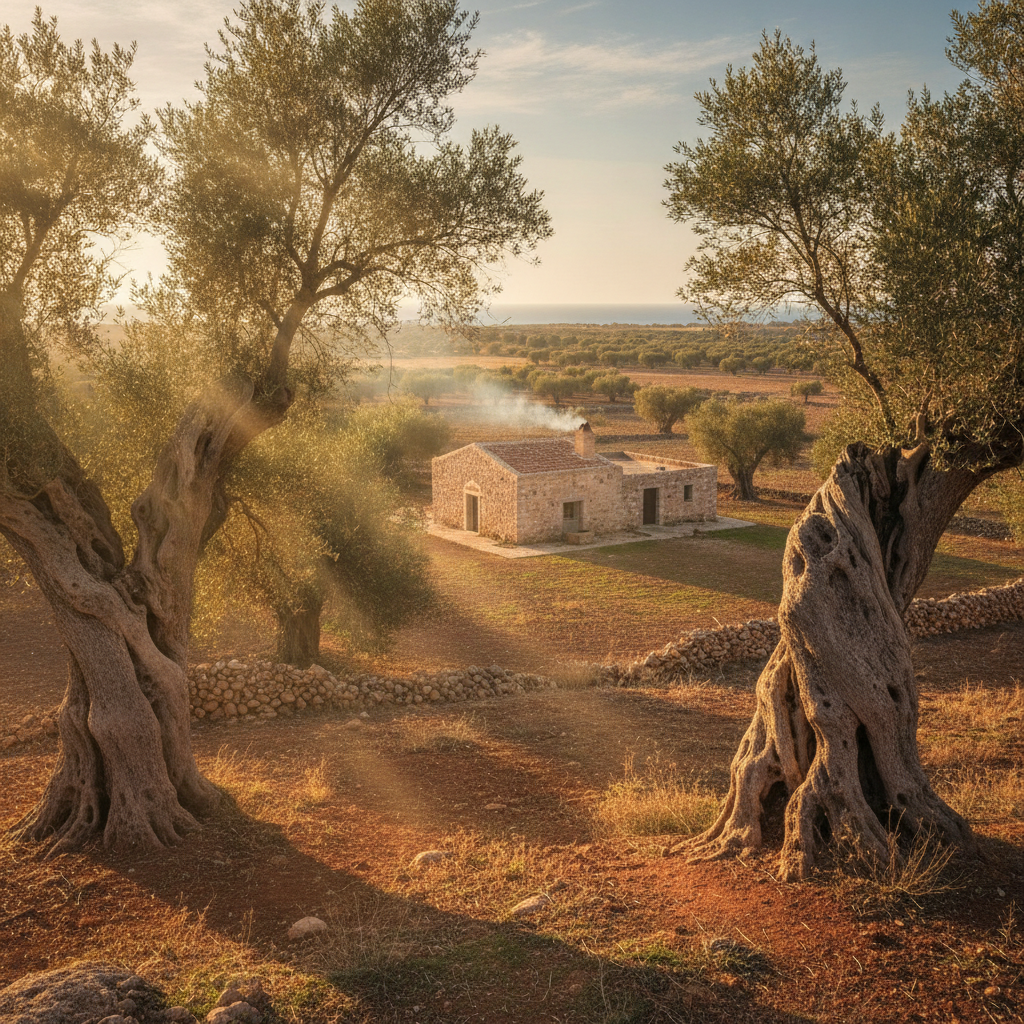
Djerba Agriculture: The Ancient Olive Groves, the Traditional Olive Press, the Date Palms, the Island Fishing Economy, and the Traditional Island Farming Landscape
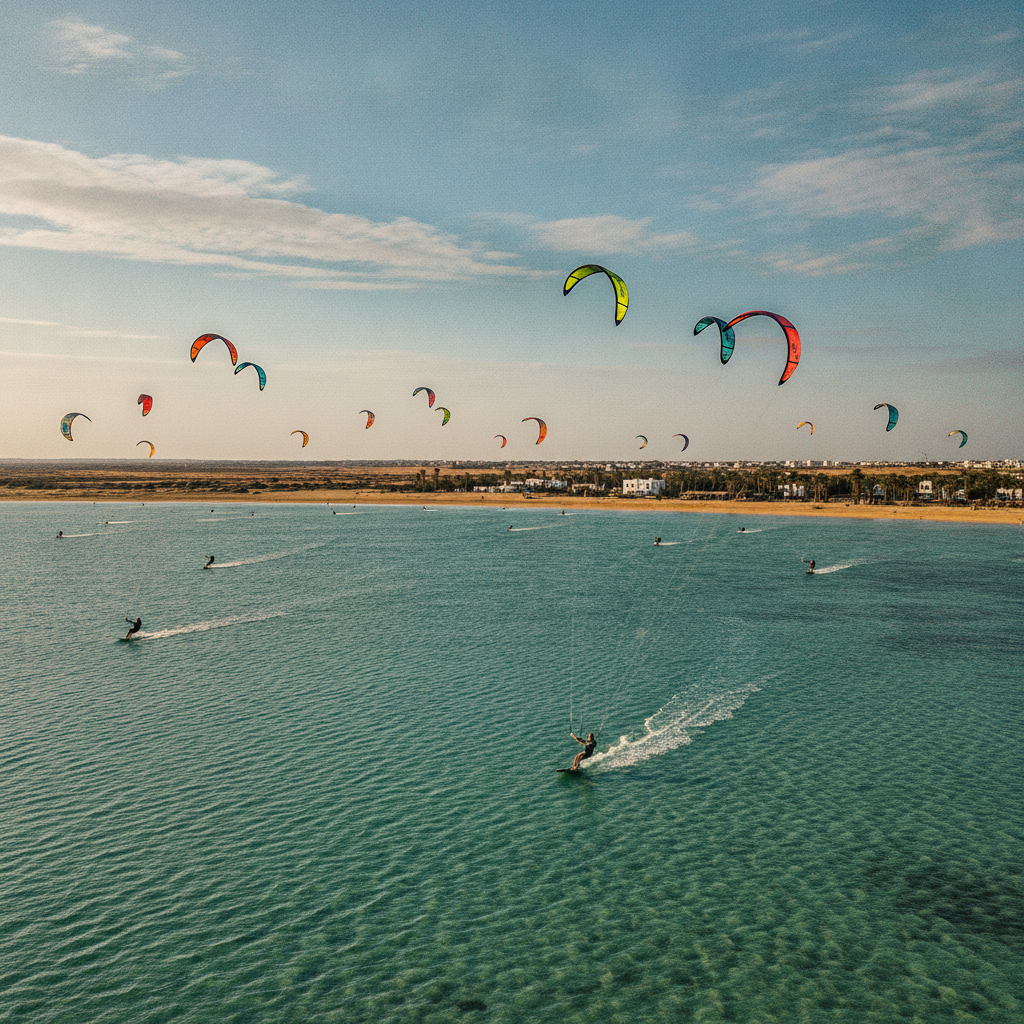
Djerba Active: Kitesurfing at Ras R Mel, Scuba Diving, Cycling the Island Interior, and the Zone Touristique Resort Culture
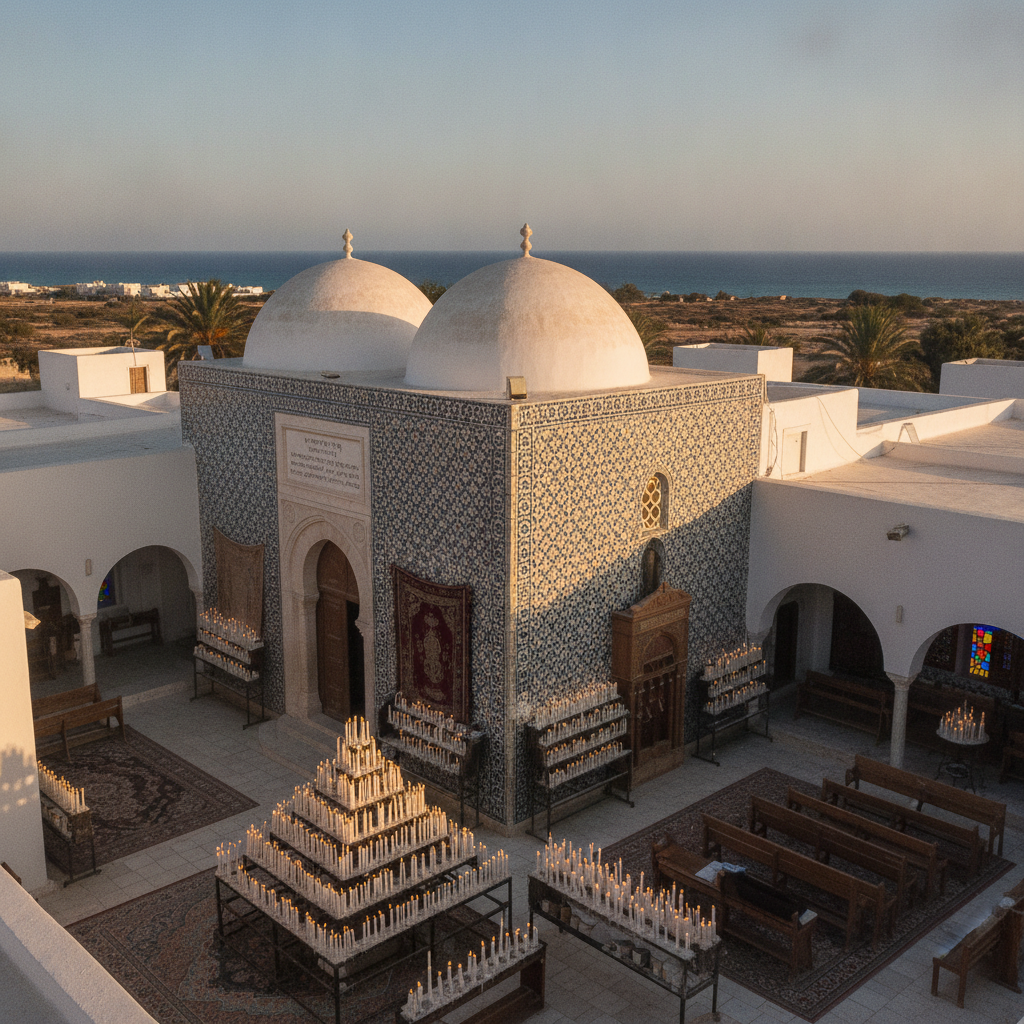
Djerba Essential: The El Ghriba Synagogue, Houmt Souk Medina, the Lotus Eaters Legend, the Guellala Pottery Village, and the Mediterranean Island Character
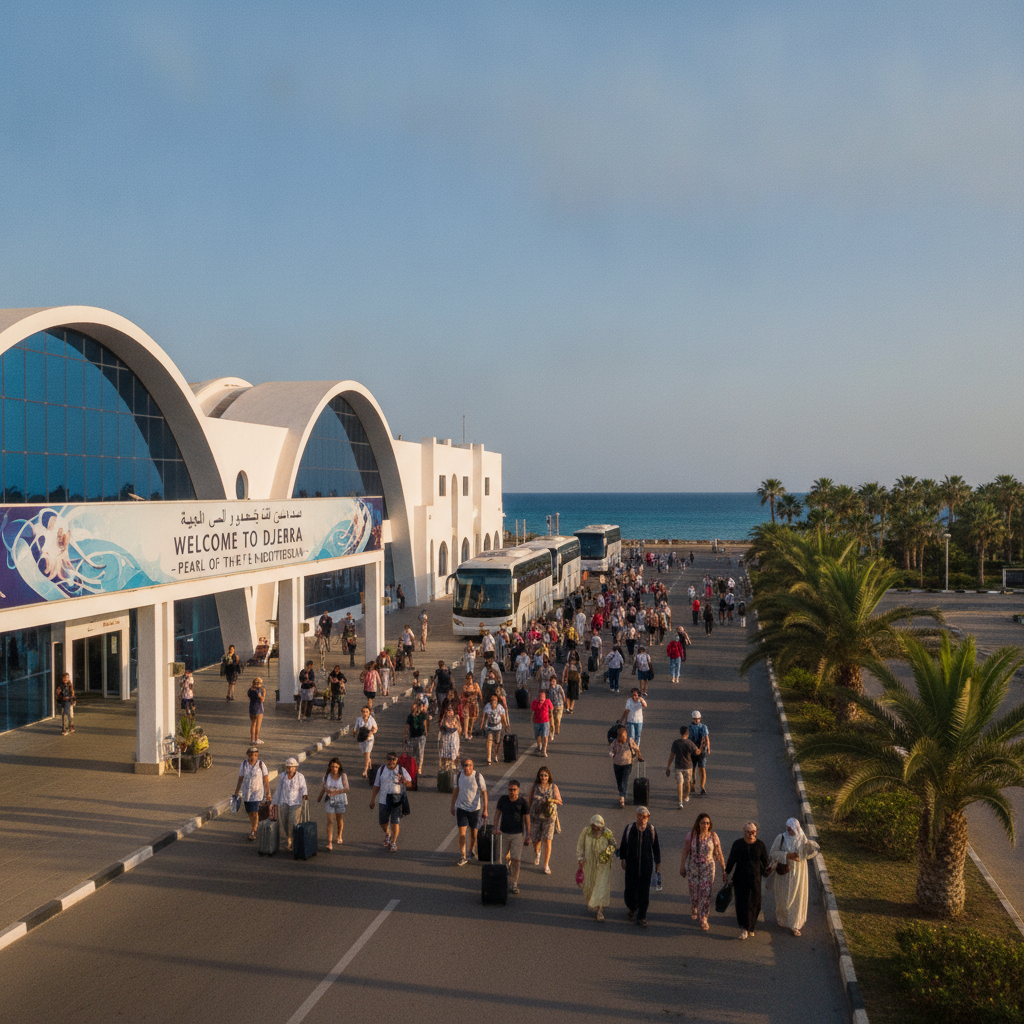
Djerba Practical: The Djerba-Zarzis Airport, the El Kantara Causeway, the Zone Touristique Hotels, the Optimal Visit Timing, and the Departure Summary
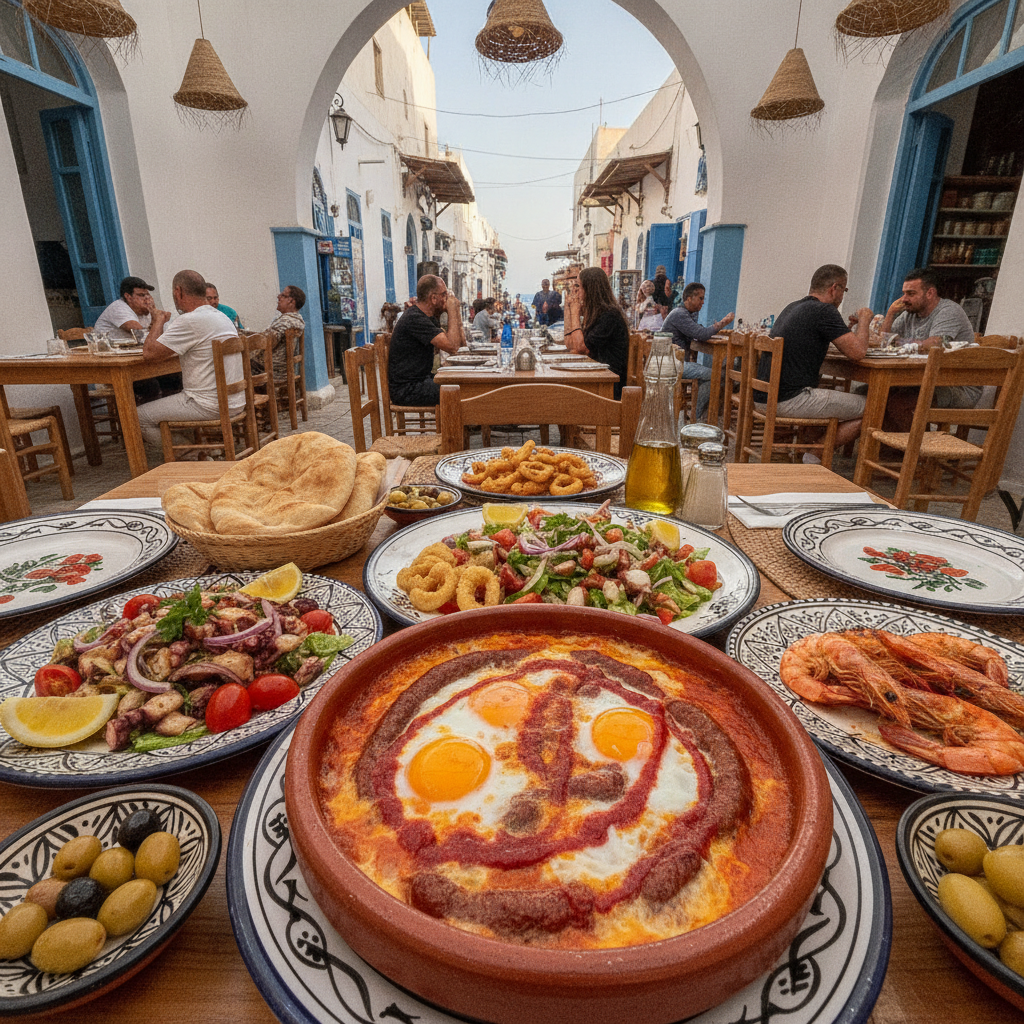
Djerba Food: The Ojja Eggs, the Octopus Salad, the Island Harissa, the Djerba Pastry Tradition, and the Island Restaurant Circuit