Djerba Agriculture: The Ancient Olive Groves, the Traditional Olive Press, the Date Palms, the Island Fishing Economy, and the Traditional Island Farming Landscape
The Djerba agriculture route covers the ancient olive groves estimated at 600-1000 years old, the traditional stone olive press, the date palm cultivation, the Houmt Souk fishing harbor, and the traditional island farming landscape.
- 1
Ancient Olive Groves: The 600-Year-Old Trees
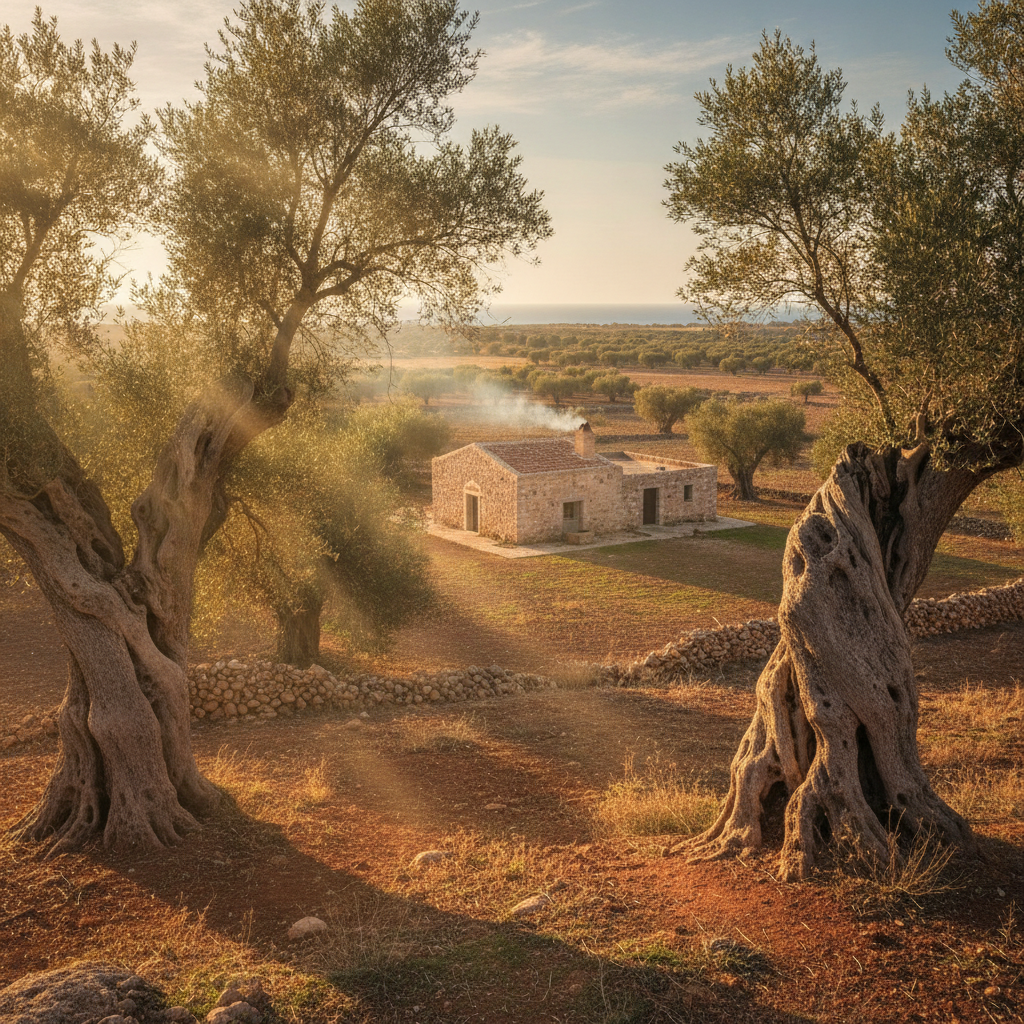
The Djerba ancient olive grove landscape, where individual olive trees are estimated at 600-1000 years old (the most ancient single cultivated trees in Tunisia), covers the island interior in the most completely traditional single North African olive cultivation landscape. The gnarled ancient Olea europaea trees of the Djerba interior are the most dramatically ancient single cultivated trees in the Maghreb.
- 2
Traditional Olive Press: The Stone Mill Heritage
The Djerba traditional olive press (maasra), with the rotating stone wheel pulled by the donkey grinding the olives in the most directly continuous single North African olive oil production method, is still operated by traditionally-practicing island farming families. The maasra visit during the October-December harvest season is the most directly sensory single Djerba agricultural heritage experience.
- 3
Djerba Olive Oil: The Island Gold
The Djerba island olive oil produced from the ancient trees is the most distinctively terroir-specific single Tunisian olive oil with the most intensely fruity single flavor profile from the oldest single cultivated trees in Tunisia. The Djerba olive oil is sold at the Houmt Souk market in the most traditional single clay container and represents the most directly local single Djerba food purchase.
- 4
Date Palms: The Secondary Island Crop
The Djerba date palm cultivation provides the most shade in the most exposed single island landscape while producing the most locally consumed single island agricultural product. The date palm grove interior at the island southeast is the most ecologically sheltered single Djerba natural environment and the most thermally comfortable single outdoor walking route in the summer heat.
- 5
Houmt Souk Fishing Harbor: The Island Maritime Economy
The Djerba traditional fishing economy maintained at the Houmt Souk fishing harbor, where the most traditional single Tunisian Mediterranean fishing techniques (the octopus pot trap, the blue-painted traditional boat, and the night squid fishing by lantern light) are still practiced, is the most commercially authentic single Djerba primary industry activity. The Houmt Souk fish auction at 6am is the most commercially animated single Djerba morning experience.
- 6
Djerba Fig and Pomegranate: The Island Garden
The Djerba traditional garden (the jinen) combines the most drought-resistant single Mediterranean fruit trees (the fig, the pomegranate, and the almond) in the most self-sufficient single island agricultural household tradition. The Djerba fig jam and the pomegranate molasses are the most distinctively Djerba single home-produced food products and the most directly local single island food gifts.
Walk this route with audio
Stories play automatically as you reach each stop — no tapping needed.
More in Djerba
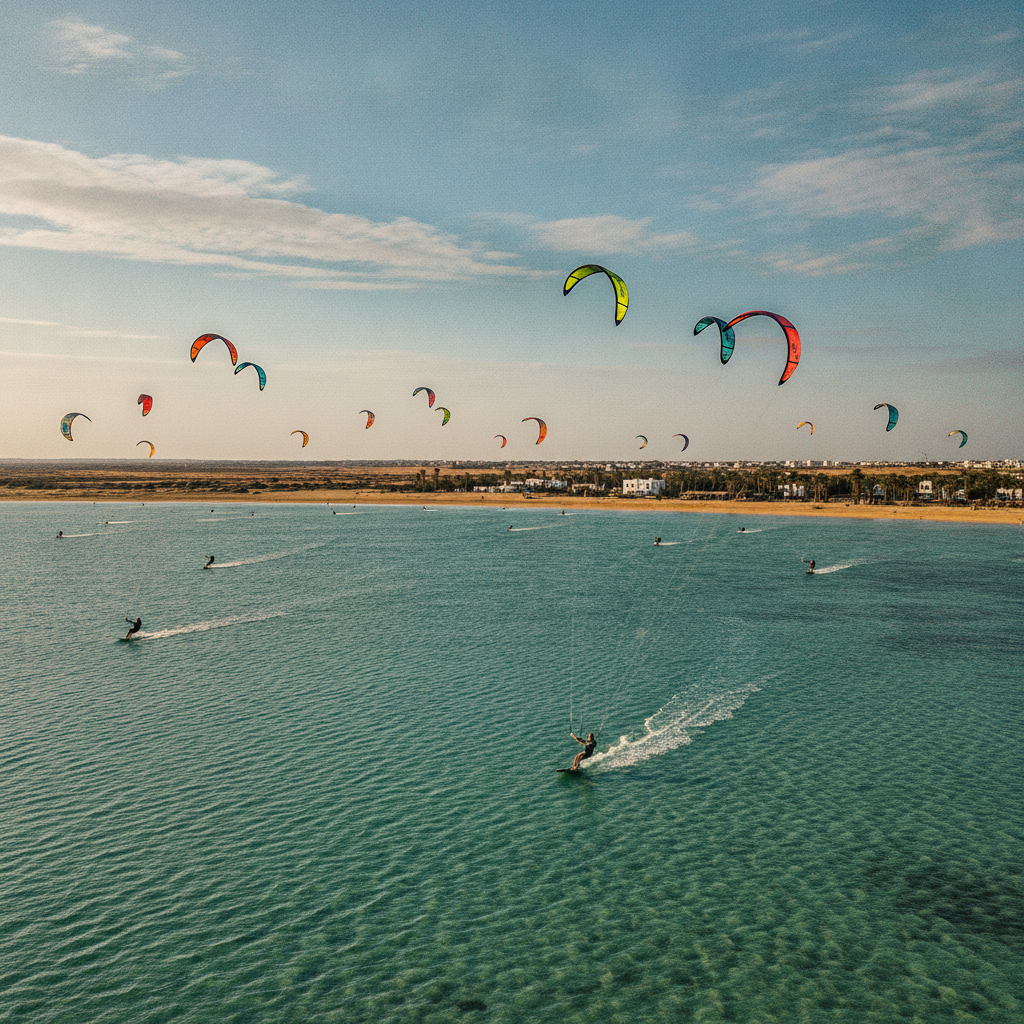
Djerba Active: Kitesurfing at Ras R Mel, Scuba Diving, Cycling the Island Interior, and the Zone Touristique Resort Culture
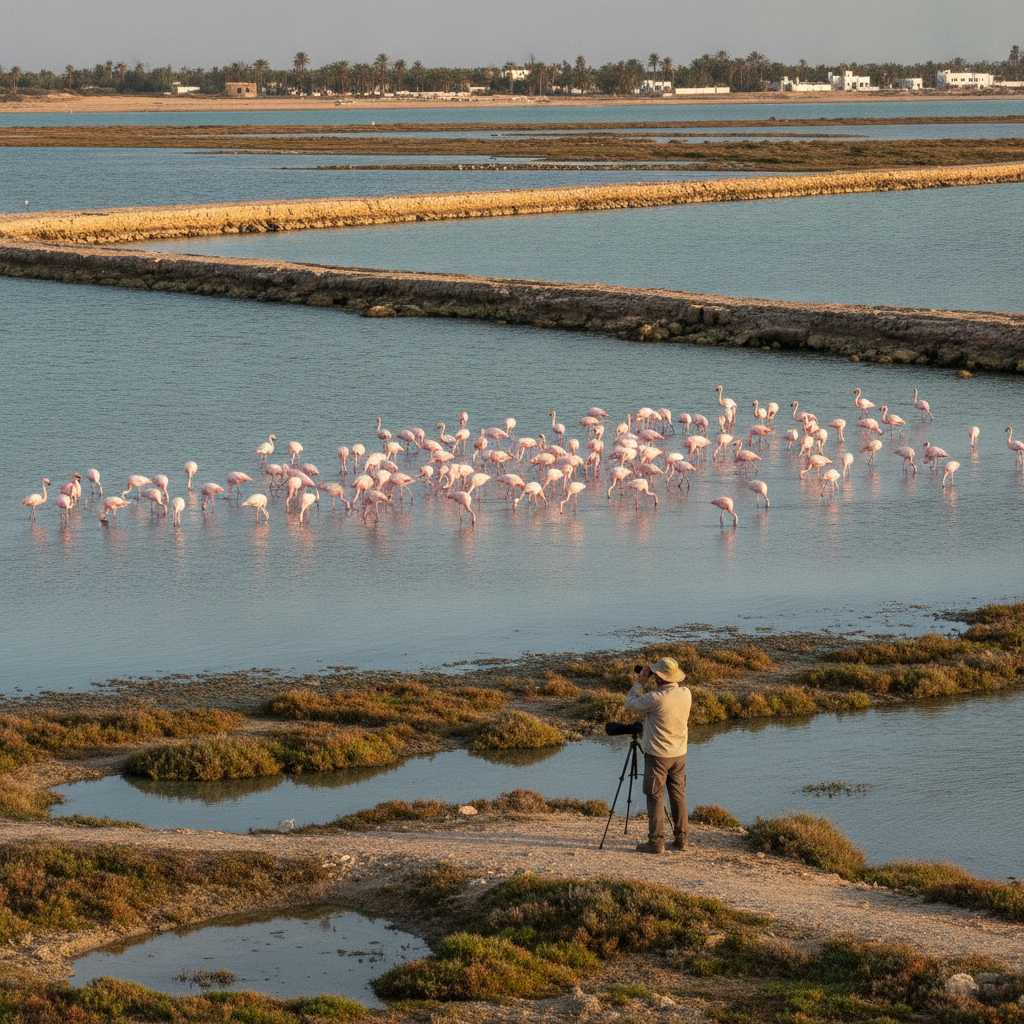
Djerba Nature: The Flamingo Lake, the Birdwatching Circuit, the Posidonia Meadows, the Sea Turtle Protection, and the Island Marine Ecology
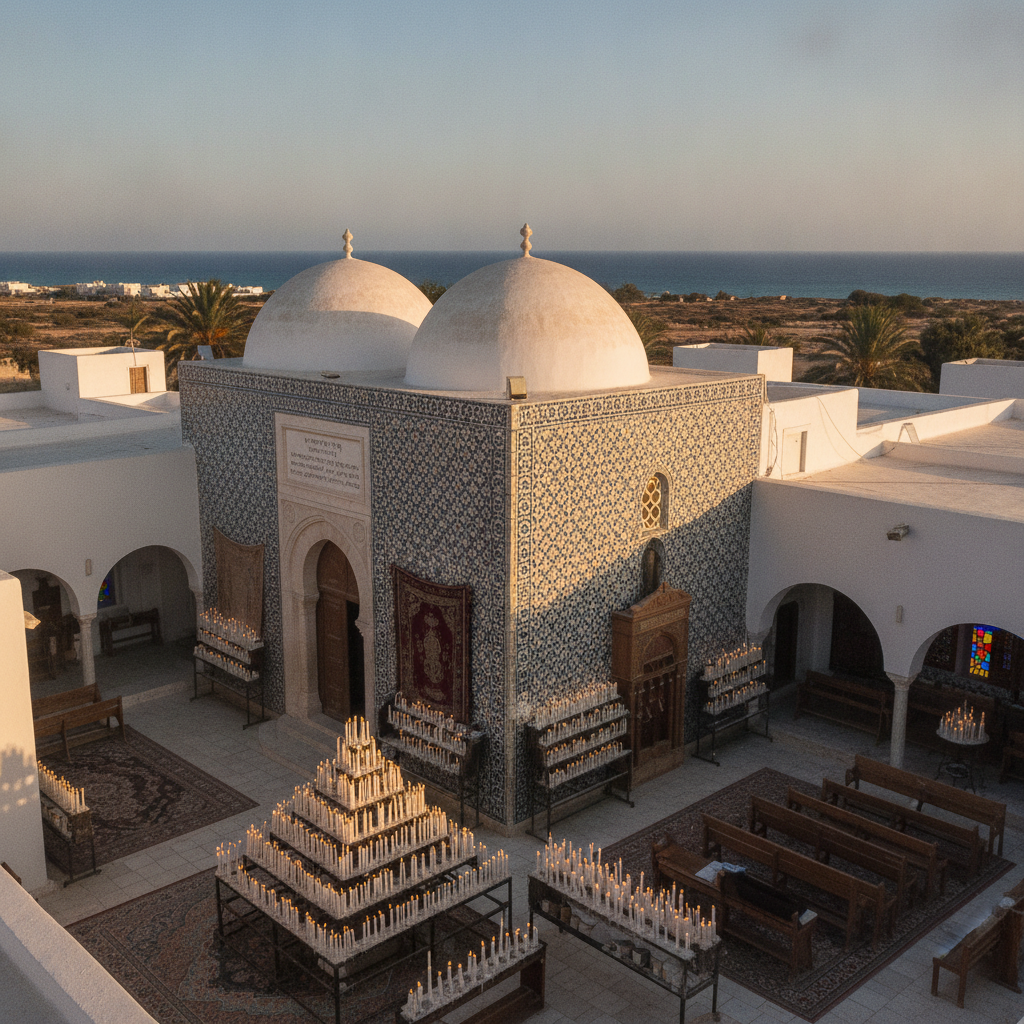
Djerba Essential: The El Ghriba Synagogue, Houmt Souk Medina, the Lotus Eaters Legend, the Guellala Pottery Village, and the Mediterranean Island Character
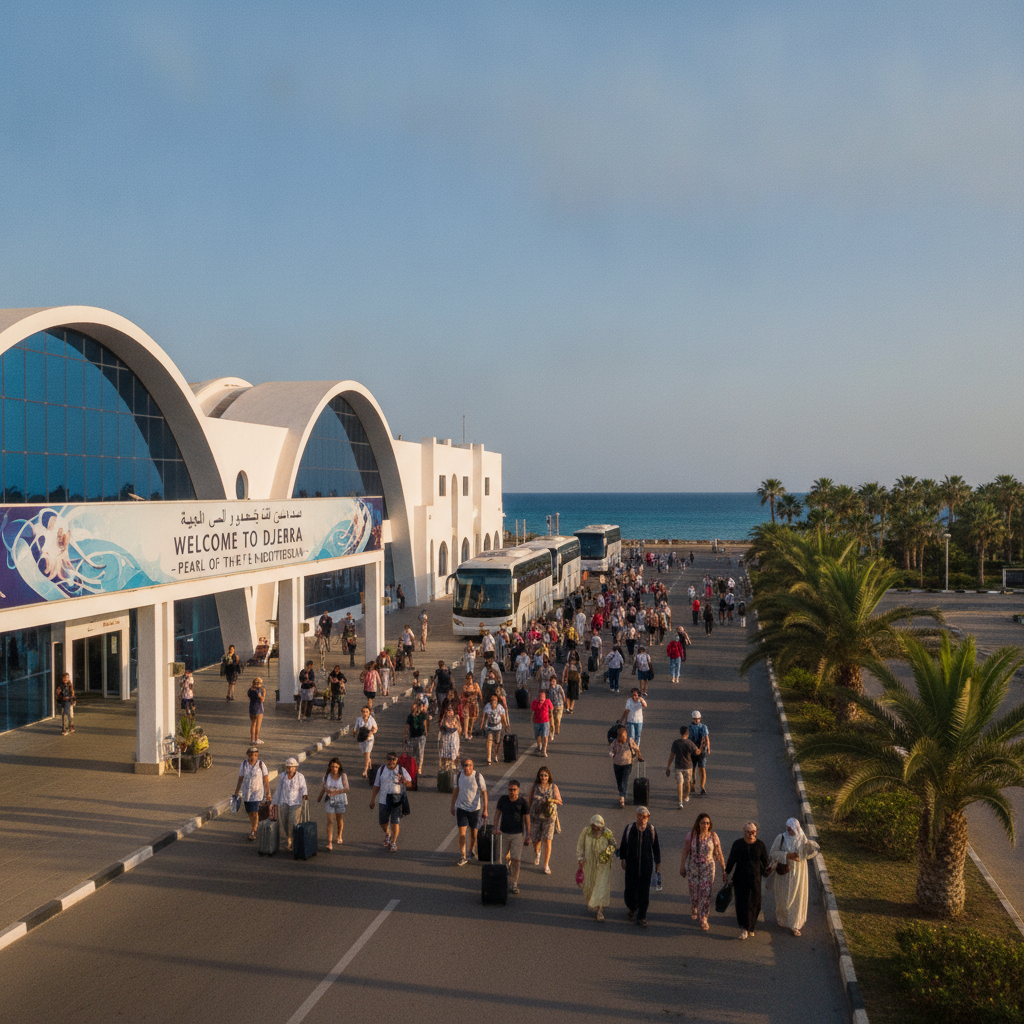
Djerba Practical: The Djerba-Zarzis Airport, the El Kantara Causeway, the Zone Touristique Hotels, the Optimal Visit Timing, and the Departure Summary
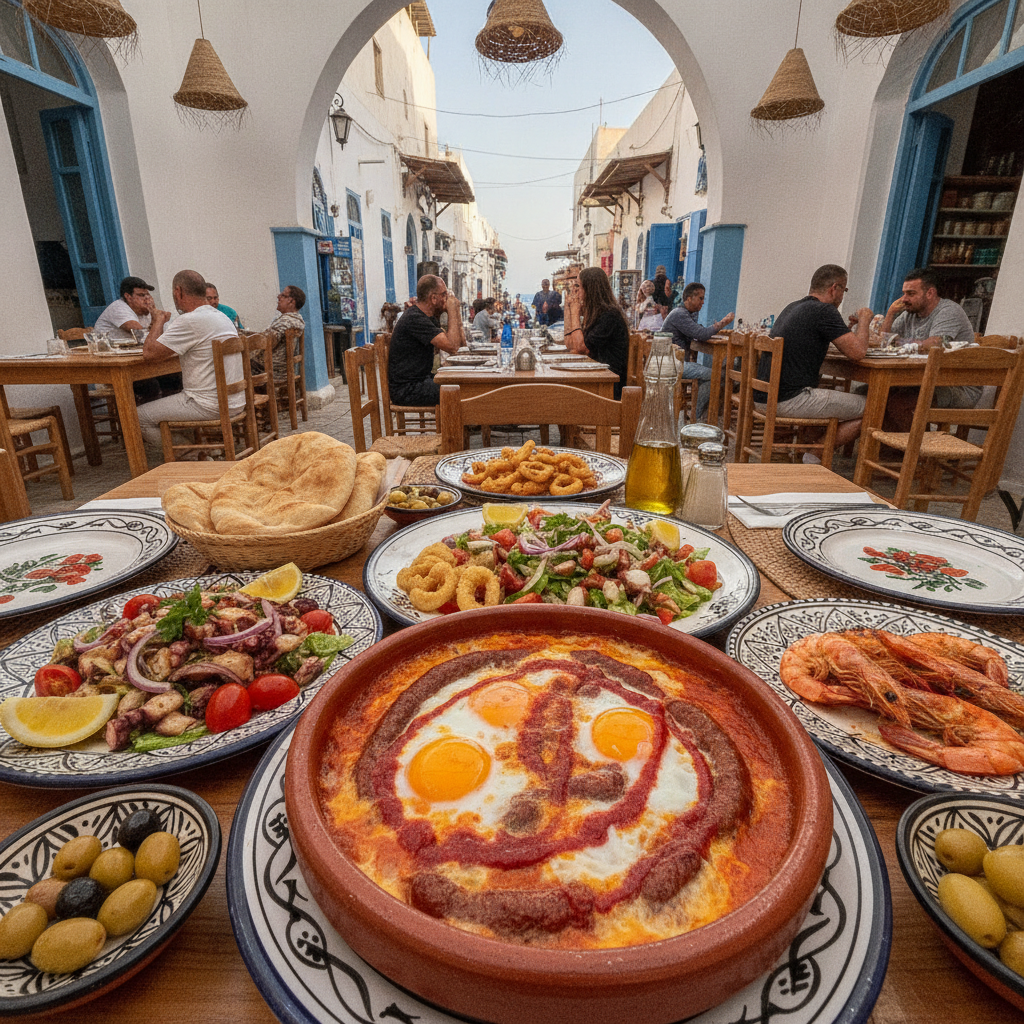
Djerba Food: The Ojja Eggs, the Octopus Salad, the Island Harissa, the Djerba Pastry Tradition, and the Island Restaurant Circuit