Córdoba Historic Centre: The Docta City's Colonial Core
Córdoba — called 'La Docta' (The Learned One) for its university tradition — has a historic centre of colonial buildings, boulevards, and cultural institutions that reflect the city's role as Argentina's intellectual capital
- 1
Córdoba Cathedral
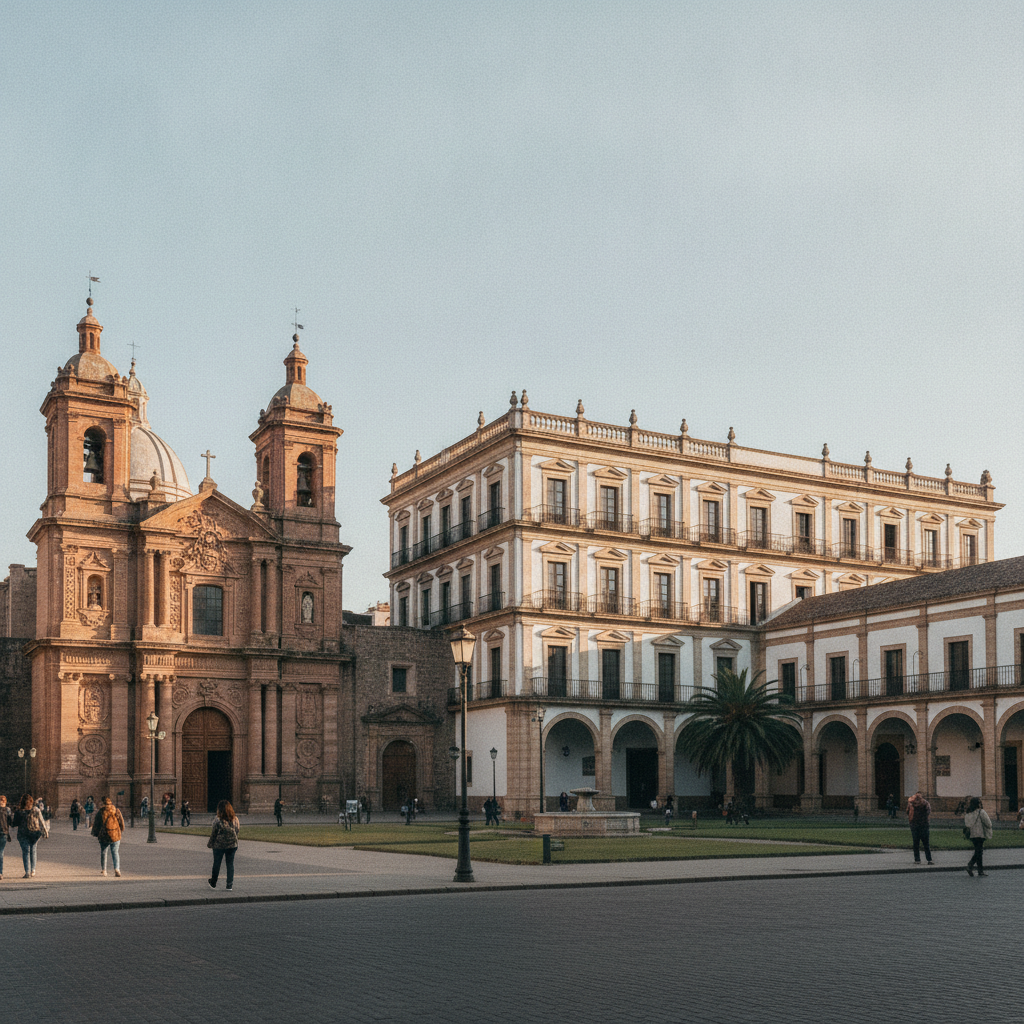
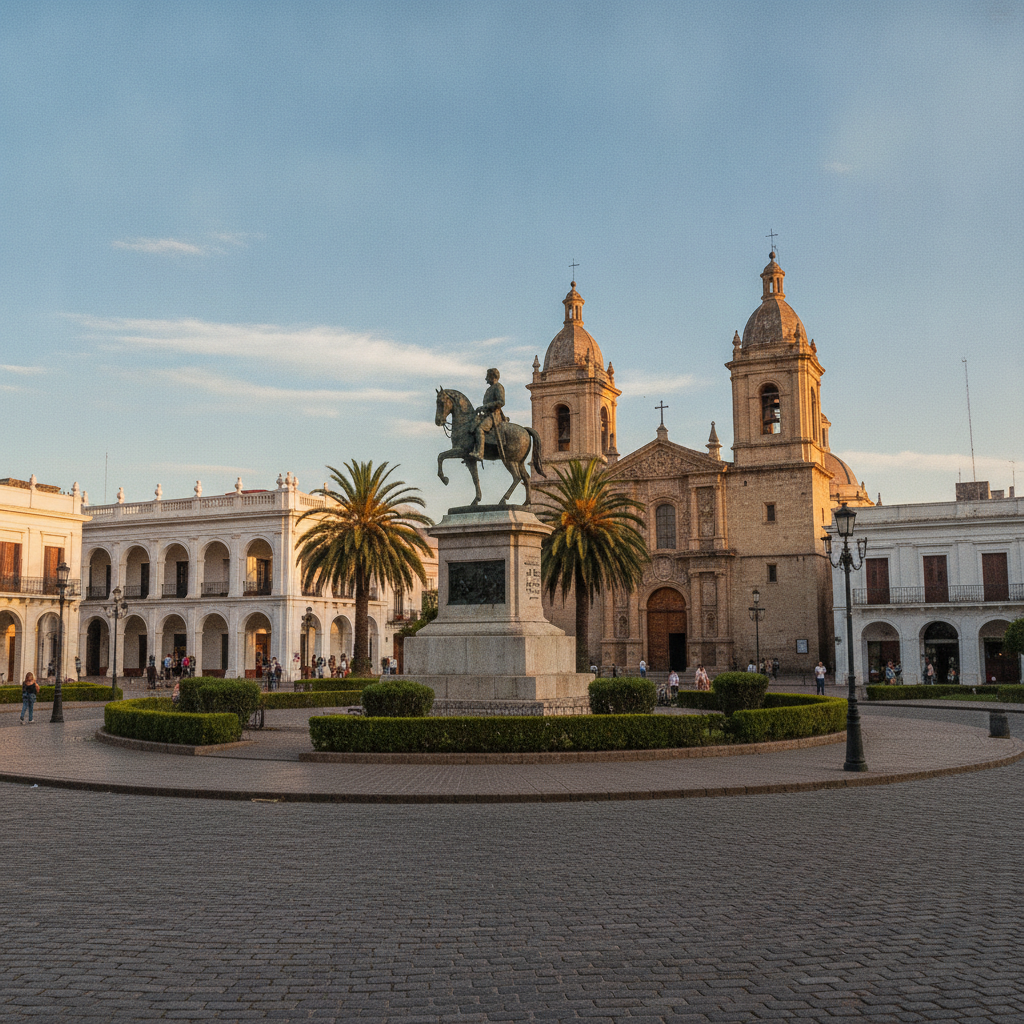
Córdoba Cathedral – begun in 1577 and completed over two centuries – is the oldest cathedral in Argentina; the baroque facade with its twin bell towers dominates the Plaza San Martín; the interior features colonial paintings, carved altarpieces and the tombs of several Argentine historical figures, including Viceroy Sobremonte
- 2
Cabildo of Córdoba
The Cabildo (Colonial Town Hall) of Córdoba—restored to its 18th-century appearance—houses the city museum and frames the Plaza San Martín; the building's colonial arcade and its position in the main square reflect the colonial urban design that placed civil authority adjacent to religious authority
- 3
Teatro del Libertador
The Teatro del Libertador General San Martín — Córdoba's main theater, inaugurated in 1891 — is one of the finest 19th-century theater buildings in Argentina; the theater's European-style interior (French Renaissance design, red plush chairs, chandelier) hosts opera, ballet and theater productions throughout the year
- 4
Pasaje Santa Catalina
Pasaje Santa Catalina – a narrow pedestrian street that connects two blocks of the historic center – is lined with colonial-era buildings with bookstores, cafes and craft shops; the passage is the most atmospheric street in the center of Córdoba and a gathering point for the city's intellectual and artistic community
- 5
Avenida Hipólito Yrigoyen
Avenida Hipólito Yrigoyen — Córdoba's main commercial boulevard — connects the historic center with the modern city; the avenue's shops, cafes and cultural institutions are the city's commercial backbone; the weekend closure for pedestrians (the pedestrian) transforms the avenue into the city's largest outdoor social space
- 6
National University Bookshops
The concentration of bookstores around the National University of Córdoba – especially on Calle Obispo Trejo – is one of the largest in Argentina outside of Buenos Aires; the university bookstores, second-hand bookstores and academic publishers clustered around the historic center reflect Córdoba's identity as an intellectual city
Walk this route with audio
Stories play automatically as you reach each stop — no tapping needed.
More in Córdoba
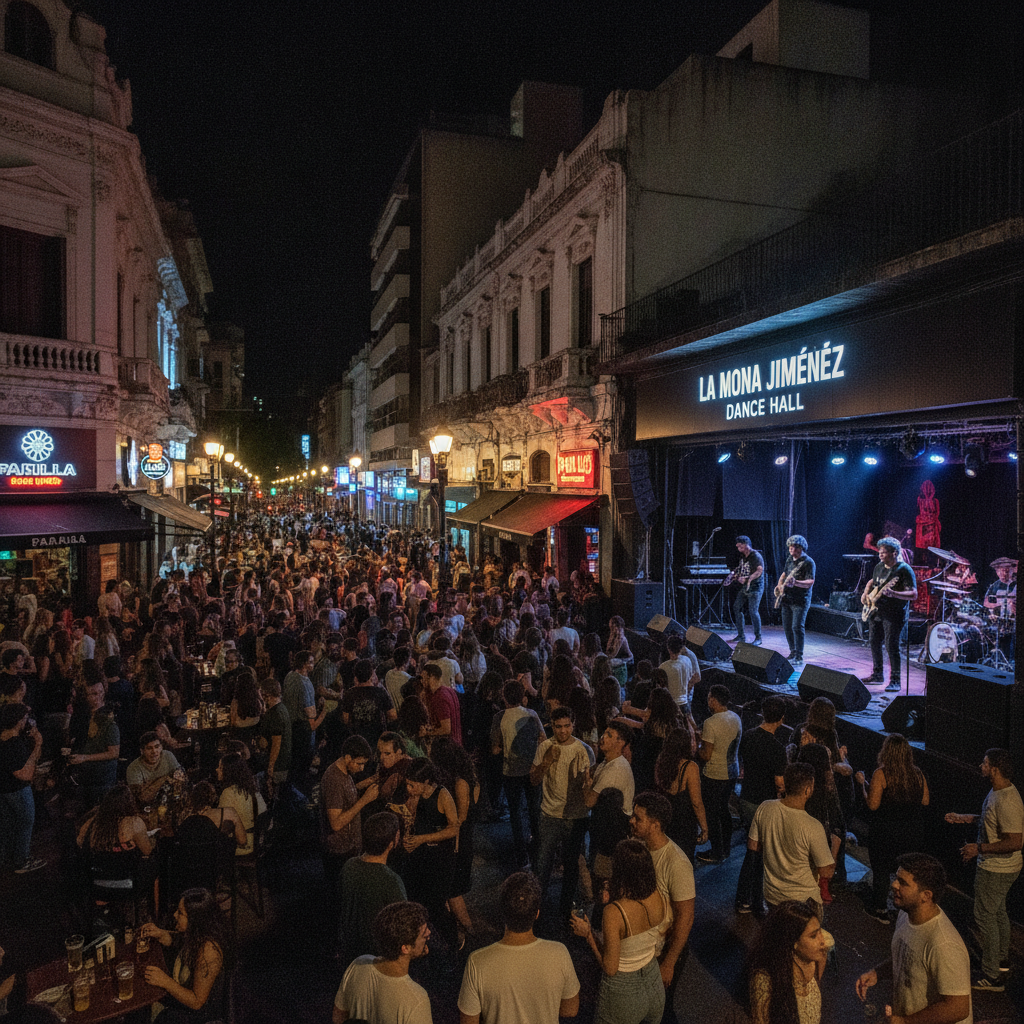
Córdoba by Night: Argentina's Student Party Capital

Córdoba's Food: Pasta, Asado, and the Argentine Interior
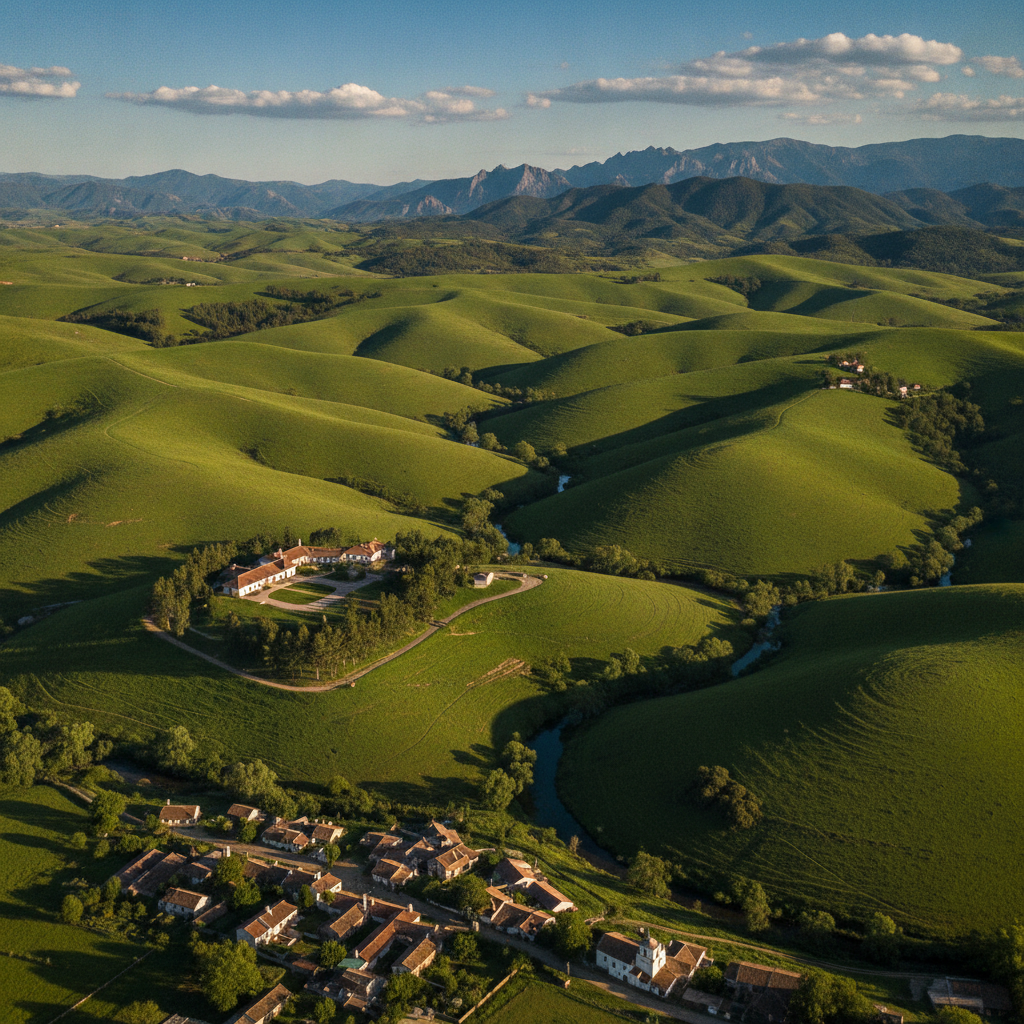
Sierras de Córdoba: Argentina's Mountain Playground
Villa General Belgrano: Argentina's German Village in the Sierras
Córdoba: Argentina's Student Capital