Córdoba's Food: Pasta, Asado, and the Argentine Interior
Córdoba's food culture blends the Argentine asado tradition with the Italian immigrant heritage of the city's working class; the homemade pasta, the Cordoban empanadas (with their distinctive crimped edges), and the cuarteto bailanta snacks define a regional cuisine distinct from Buenos Aires
- 1
Cordoban Empanada
The Córdoba empanada – filled with ground beef, hard-boiled egg, olive and raisins – has a distinctive fat-shrunken edge (repulgue) that sets it apart from other Argentinian empanadas; The Córdoba empanada is considered the best in Argentina by many food critics; the rivalry between Córdoba and Tucumán (Argentina's second empanada capital) is friendly but passionate
- 2
Italian heritage
The Italian immigrants who settled in Córdoba from the late 1800s established a food culture that remains — the Italian restaurants of the Alta Córdoba neighborhood serve homemade pasta with home-cooking precision; Gnocchin, fettuccine con tuco (tomato sauce) and the ravioli are the weekly family meal for many Cordoban families
- 3
Fernet and Cola
The canonical Cordoban drink – and increasingly a national Argentine phenomenon – is Fernet con Coca (Fernet-Branca amaro with Coca-Cola and ice); Córdoba consumes about 50% of all Fernet sold in Argentina; the bittersweet nature of the drink and its connection to student culture have made it Argentina's fastest-growing cocktail over the past 20 years
- 4
Locro Cordobés
Locro — the hearty stew of white corn, beans, squash and meat — is the traditional food of Argentina's national holidays (May 25 and July 9); The Córdoba version uses corn and legumes grown in the Sierras and adds the region's chorizo colorado; locro is the quintessential cold-weather food of the Argentine hinterland
- 5
Chocolate and sweets
Alta Gracia and Villa General Belgrano (the German-founded village in the Sierras) are known for their artisan traditions of chocolate and confectionery; the German and Swiss immigrants who settled in Villa General Belgrano brought with them a European pastry tradition that produces strudel, torte and chocolate that can be compared to anything else in Central Europe
- 6
Asado at Rio
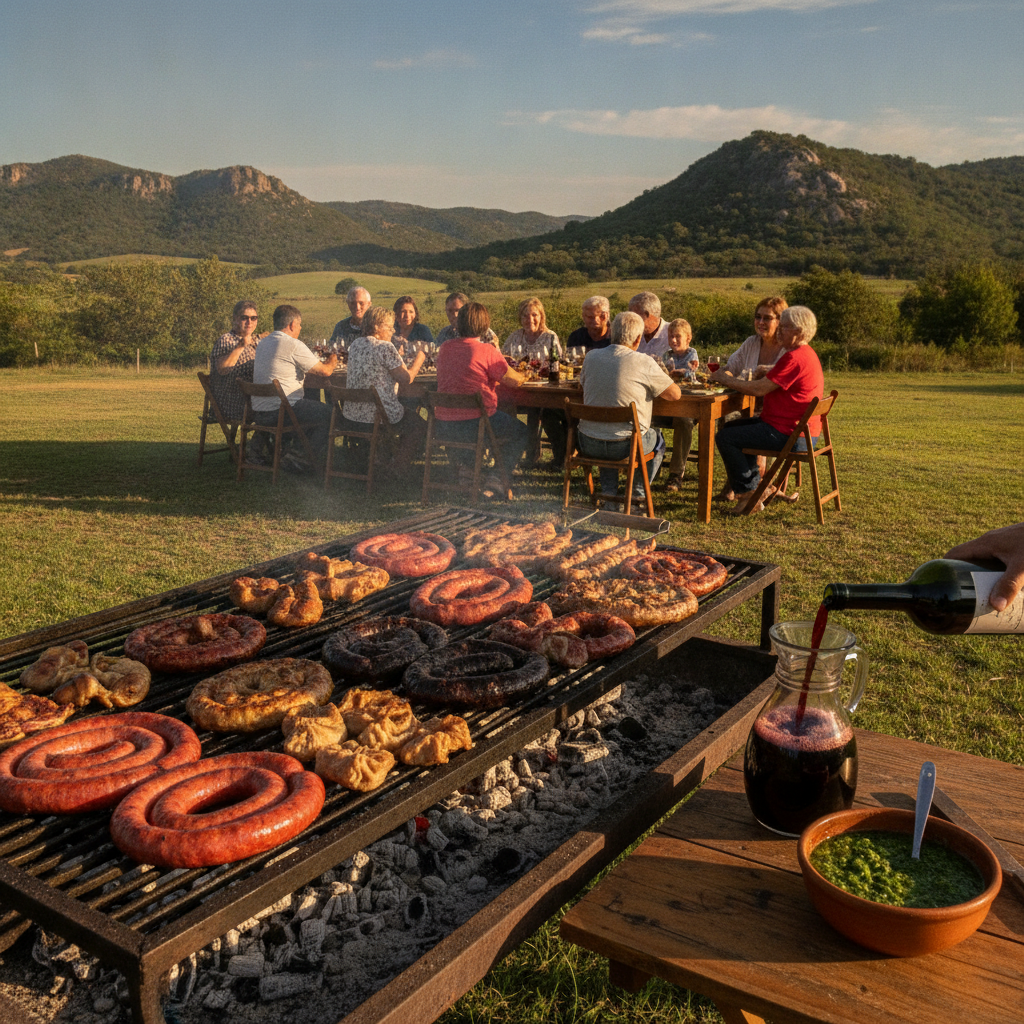
Cordoban asado culture has a specifically regional character — asado by a river in the Sierras (with the fire built between rocks, the lamb on the cross, the cold beer in the river and the family spread out over a summer afternoon) is the quintessential Cordoban leisure experience; asado-at-the-river is sacred to Cordoban families
Walk this route with audio
Stories play automatically as you reach each stop — no tapping needed.
More in Córdoba
Córdoba by Night: Argentina's Student Party Capital
Sierras de Córdoba: Argentina's Mountain Playground
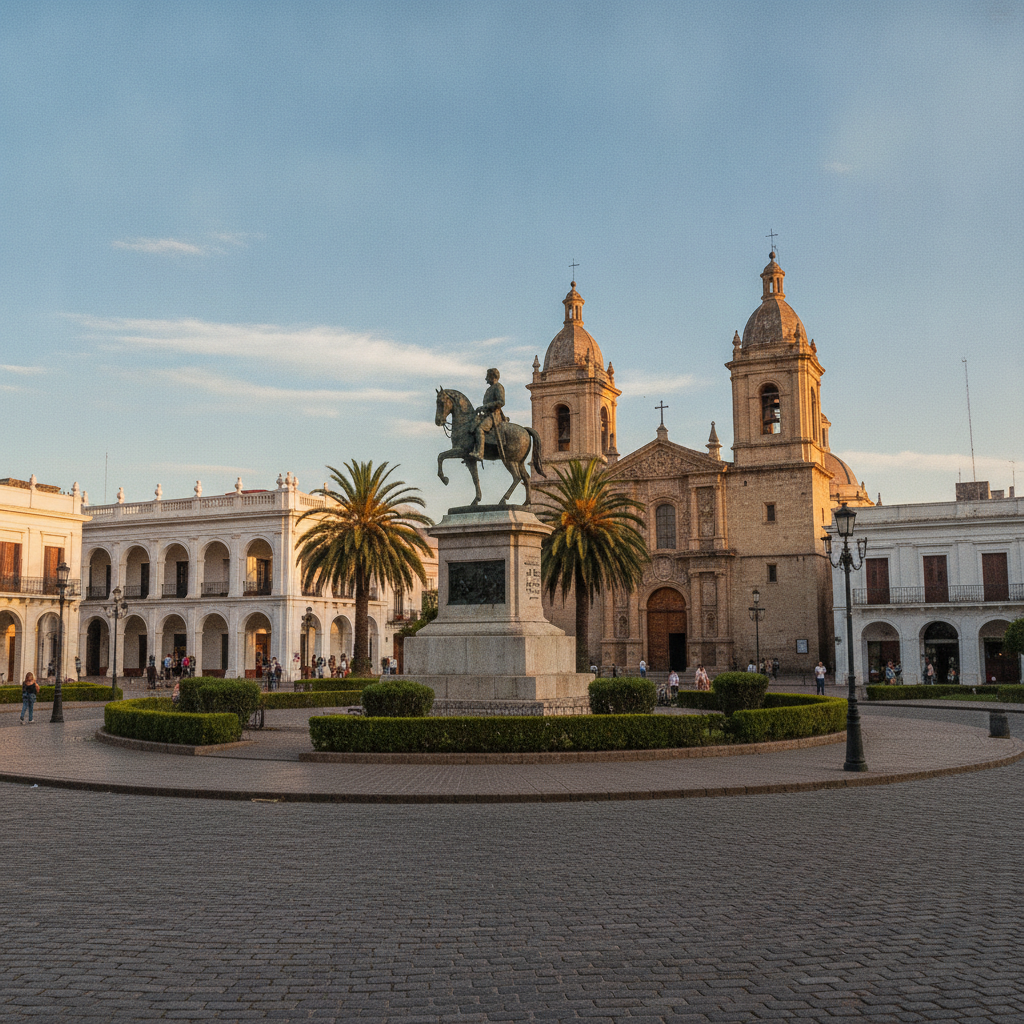
Córdoba Historic Centre: The Docta City's Colonial Core
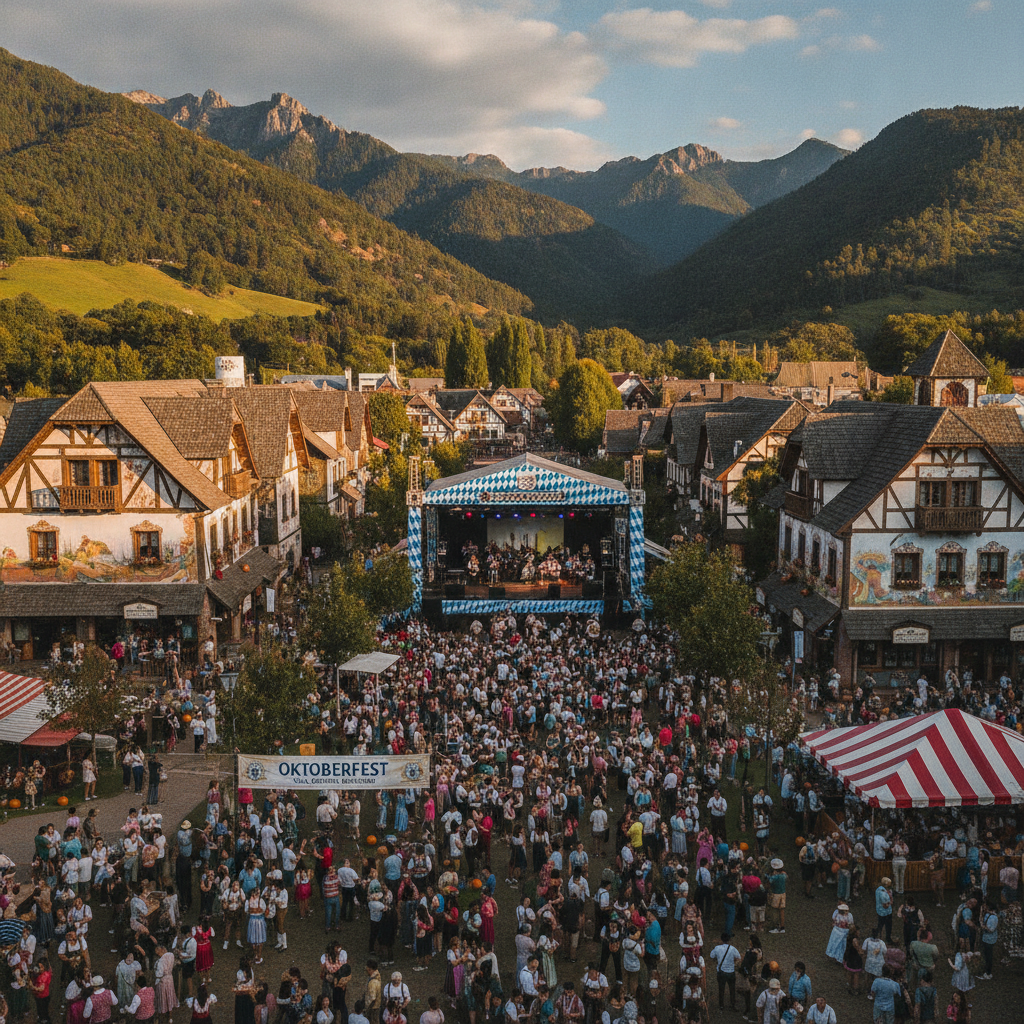
Villa General Belgrano: Argentina's German Village in the Sierras
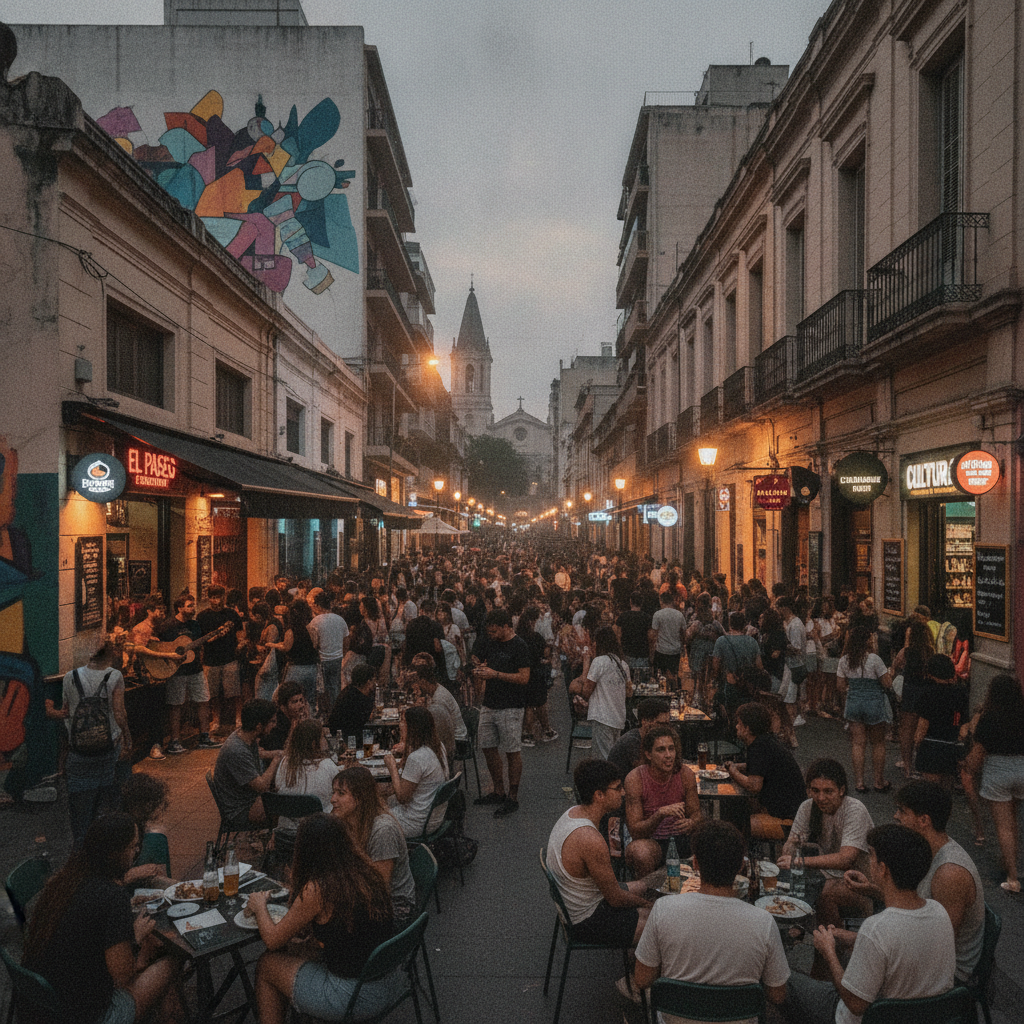
Córdoba: Argentina's Student Capital