 Argentina
Buenos-aires
Discover routes, attractions, and guides in Buenos-aires.
4 routes
Floralis Genérica, Monumental Sculptures & Modern Buenos Aires
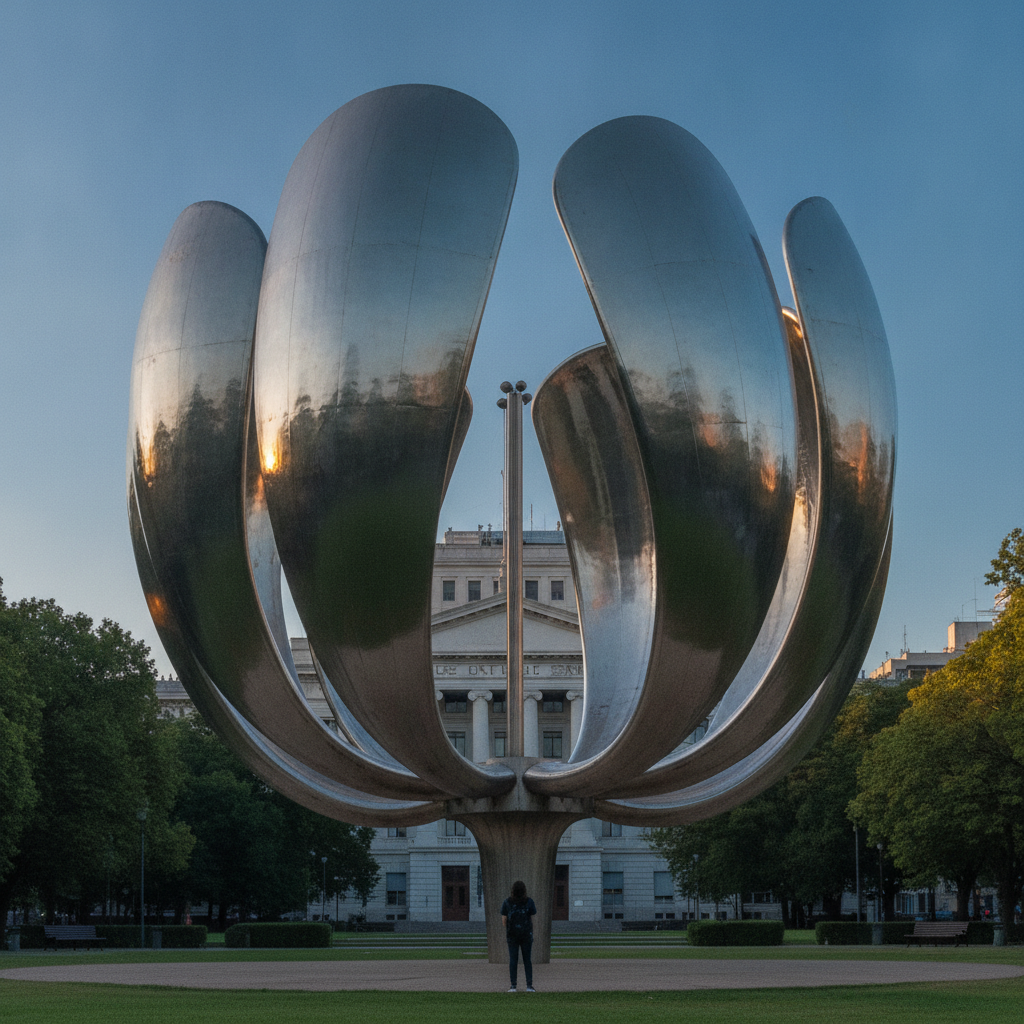
Floralis Genérica (the monumental stainless steel and aluminum kinetic sculpture by Argentine architect Eduardo Catalano, donated to the city of Buenos Aires in 2002, standing 23 metres tall and weighing 18 tonnes in Plaza de las Naciones Unidas (United Nations Square) in Recoleta): the sculpture is designed with hydraulic petals that open at dawn and close at dusk (and during certain national commemorations), creating a giant mechanical flower that tracks the daily rhythm of light — one of the most beloved public sculptures in South America.
Buenos Aires Nightlife — The City That Never Sleeps Before 4am
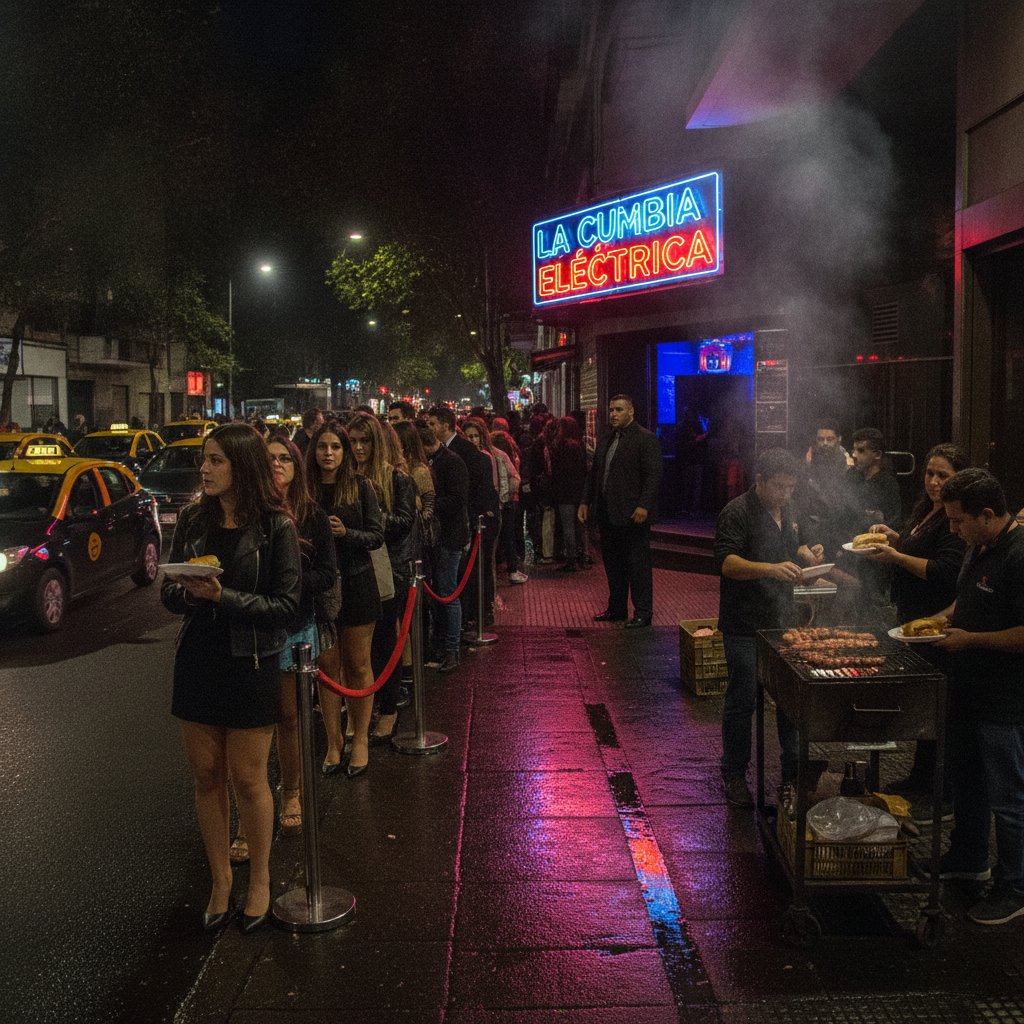
Buenos Aires nightlife operates on a schedule unlike any other city in the world: dinner typically begins at 10pm, restaurants remain fully occupied until after midnight, clubs (boliches) do not open their doors until 1am and do not reach peak capacity until 3-4am, with many operating until 7-8am; the city's extraordinary nightlife culture is a consequence of the late dinner tradition (itself a product of the long Spanish siesta tradition and the Argentine summer heat), the social centrality of the night (la noche) in Carioca culture, and the concentration of young people in Buenos Aires.
Tigre & the Paraná Delta — Waterways, Rowing Clubs & Weekend Escapes
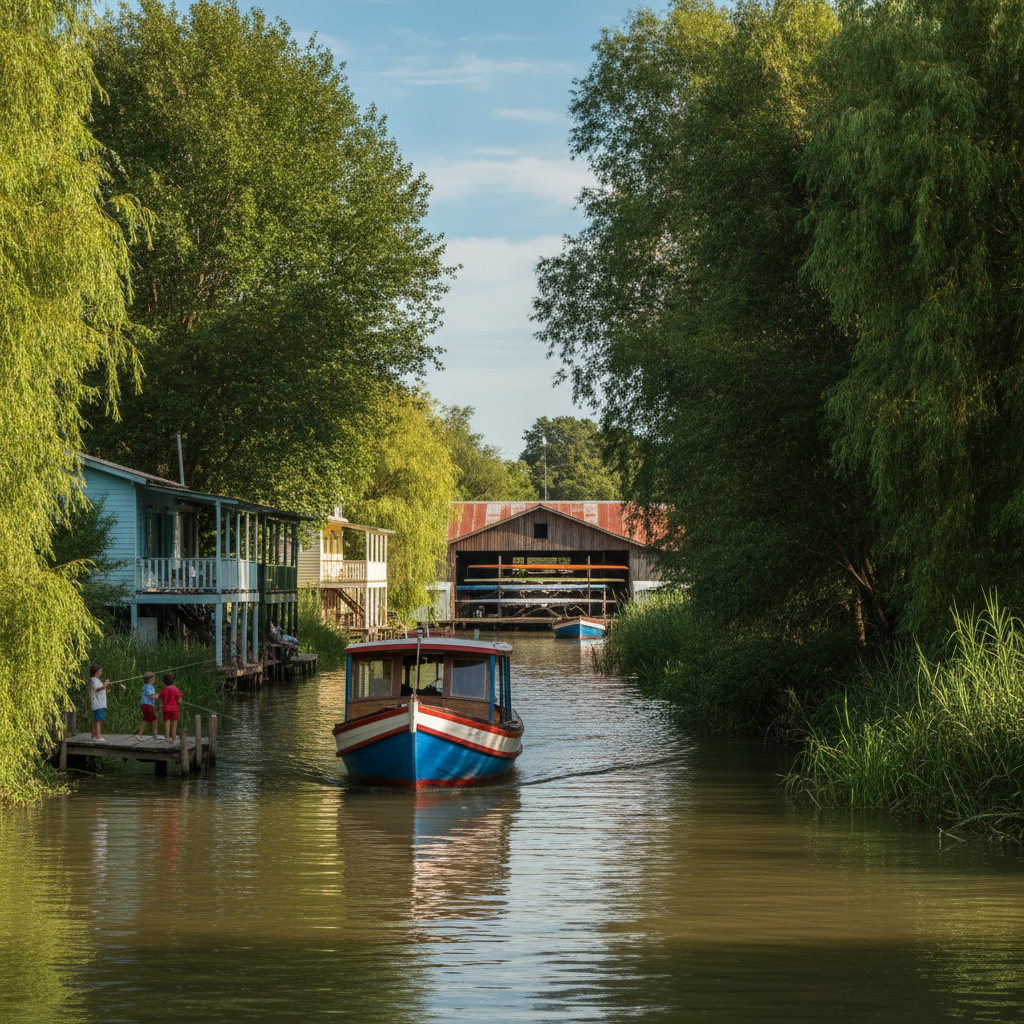
Tigre and the Paraná Delta (the town of Tigre, 30 kilometres north of Buenos Aires by suburban train or boat, at the point where the Paraná river system splits into hundreds of channels and islands forming the Paraná Delta — a vast wetland of approximately 14,000 square kilometres of river islands, floating vegetation mats, willow-lined channels, and wooden houses on stilts): the Paraná Delta is the weekend escape destination of choice for millions of porteños, with hundreds of rowing and sailing clubs, waterfront restaurants, campgrounds, and private weekend houses accessible only by boat.
Recoleta Cemetery, Evita's Tomb & the Palermo Parks
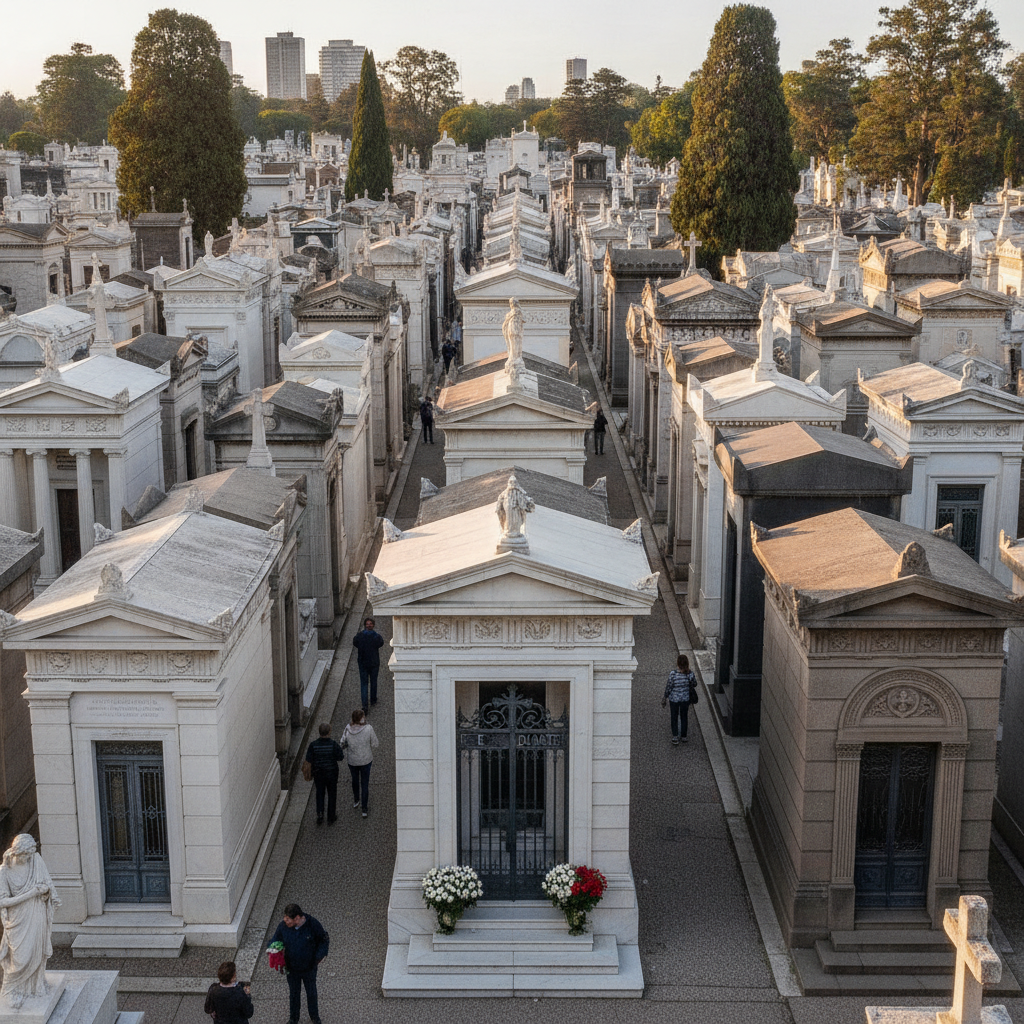
Recoleta (the most exclusive residential neighbourhood in Buenos Aires, developed in the early 20th century as the neighbourhood of the Argentine oligarchy, with its French-influenced architecture, luxury boutiques, and the most important museum cluster in the city) centres on the Cementerio de la Recoleta — the ornate neoclassical cemetery where virtually every significant figure in Argentine history is buried, including Eva Perón ('Evita') — and is flanked to the west by the Palermo parks, the largest green space in Buenos Aires.