Charleston: First Submarine to Sink a Warship, Gullah Creole Language and the Pastel Row That Started a Design Trend
Tour the hand-cranked Confederate submarine H.L. Hunley at the conservation center where its crew of eight perished after sinking a Union warship in 1864, walk Magnolia Cemetery Victorian landscape where Hunley crew were given military funerals in 2004, learn Gullah Geechee creole language history at the Avery Research Center where Lorenzo Turner documented a West African living linguistic bridge, photograph Rainbow Row pastels painted by 1930s preservationists, understand the first-to-secede political heritage that produced nullification doctrine, and stay at Kiawah Island beside the Ocean Course that hosted the Ryder Cup.
- 1
The Hunley Submarine and Civil War Naval History
The H.L. Hunley, the Confederate submarine that sank the Union warship USS Housatonic in February 1864 and became the first submarine in history to sink an enemy vessel in combat, was recovered from the Charleston harbor bottom in 2000 after 136 years on the seafloor and is now preserved in a conservation tank at the Warren Lasch Conservation Center in North Charleston. The Hunley disappeared after its attack and its crew of eight men perished. The submarine, hand-cranked by its crew, was a revolutionary military technology for its time. Ongoing conservation work has revealed artifacts, personal items, and skeletal remains of the crew. Public tours are offered on weekends. The recovery and conservation of the Hunley is one of the most significant maritime archaeology projects in American history. The crew was given full military funerals in 2004 and buried in Magnolia Cemetery.
- 2
Magnolia Cemetery History
Magnolia Cemetery at 70 Cunnington Avenue, established in 1850 in the rural cemetery style modeled on Mount Auburn Cemetery in Cambridge, is the primary historic burying ground of Charleston and contains the graves of Confederate generals, state governors, signers of the Ordinance of Secession, and six of the eight crew members of the H.L. Hunley submarine. The cemetery, designed by Edward C. Jones in a landscape of ancient live oaks, winding paths, and reflective ponds, is one of the most beautiful Victorian cemeteries in the American South. Confederate soldiers are buried in a dedicated section. The grave markers reflect the demographics of Charleston society from 1850 through the present, with sections for Jewish, Catholic, Episcopal, and other religious communities. The cemetery is freely accessible and managed by a nonprofit preservation organization. Walking tours focus on specific historical themes.
- 3
Avery Research Center and Gullah Studies
The Avery Research Center for African American History and Culture at the College of Charleston, housed in the former Avery Normal Institute building at 125 Bull Street, is the primary repository for the history and culture of African Americans in the Lowcountry and is particularly strong in Gullah Geechee history, culture, language, and oral tradition. The Avery Normal Institute, founded in 1865 by the American Missionary Association for the education of formerly enslaved people, educated generations of Black Charleston professionals including the parents of jazz musician Dizzy Gillespie. The Gullah language, a creole combining English with elements of Krio, Mende, Twi, Hausa, and other West African languages, is still spoken by some Gullah Geechee community members in the Sea Islands and is documented extensively in the Avery collections. Anthropologist Lorenzo Dow Turner documented Gullah language in the 1940s in a foundational work of American linguistics.
- 4
Rainbow Row and Antebellum Architecture
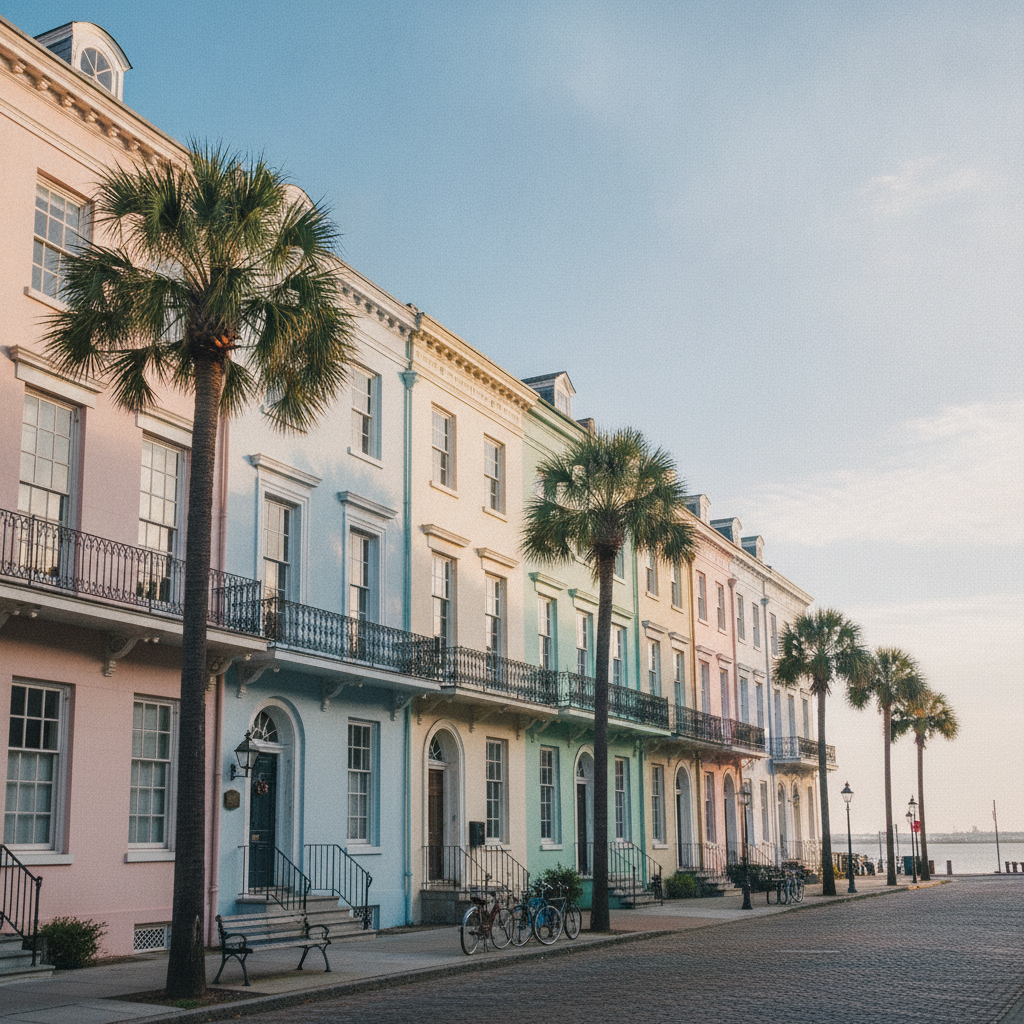
Rainbow Row, a series of 13 Georgian rowhouses on East Bay Street painted in pastel shades of yellow, pink, blue, green, and peach, is the most photographed block in Charleston and one of the most reproduced images of the American South. The houses, built between 1740 and 1760 and originally merchant townhouses with shops on the ground floor, were painted in bright colors beginning in the 1930s as the neighborhood was revitalized from a derelict warehouse district. The pastel color scheme was a deliberate aesthetic choice by early preservationists. The Ansonborough neighborhood west of Rainbow Row contains Federal, Greek Revival, and Italianate single houses, the distinctive Charleston urban house form in which the house faces a side yard rather than the street and a porch called a piazza runs the length of the house on the south or west side to catch prevailing breezes.
- 5
South Carolina Historical Context
South Carolina was the first state to secede from the United States on December 20, 1860, and the first shots of the Civil War were fired in Charleston harbor at Fort Sumter on April 12 and 13, 1861. The state was the center of nullification politics in the 1830s when John C. Calhoun articulated the doctrine that states could nullify federal laws, a position that anticipated secession. South Carolina has a complicated relationship with its Confederate heritage, symbolized by the decades-long battle over the Confederate flag at the State House in Columbia, which was finally moved from the dome in 2000 and from the grounds in 2015 following the Emanuel AME Church shooting. The state produced influential African American political figures during Reconstruction including Robert Brown Elliott and Joseph Hayne Rainey, the first Black Speaker of the House of Representatives and the first Black congressman to preside over the House respectively.
- 6
Kiawah Island and Coastal Ecology
Kiawah Island, a private resort island 21 miles south of Charleston, is one of the most ecologically pristine barrier islands on the Atlantic coast and a destination for golf, wildlife observation, and beach recreation. The Ocean Course at Kiawah, designed by Pete Dye and opened in 1991 for the Ryder Cup, is consistently rated among the top golf courses in the world and hosted the 2021 PGA Championship. The island contains 10 miles of Atlantic beach and extensive maritime forest and salt marsh habitat. Loggerhead sea turtles nest on Kiawah and volunteer nest monitors work from May through October. Edisto Beach State Park at Edisto Island preserves one of the most remote and undeveloped beaches in South Carolina, accessible on a two-lane road through pine forests and salt marsh. Ace Basin National Wildlife Refuge, one of the largest undeveloped estuaries on the East Coast covering 350,000 acres, is accessible from Edisto.
Walk this route with audio
Stories play automatically as you reach each stop — no tapping needed.
More in Charleston
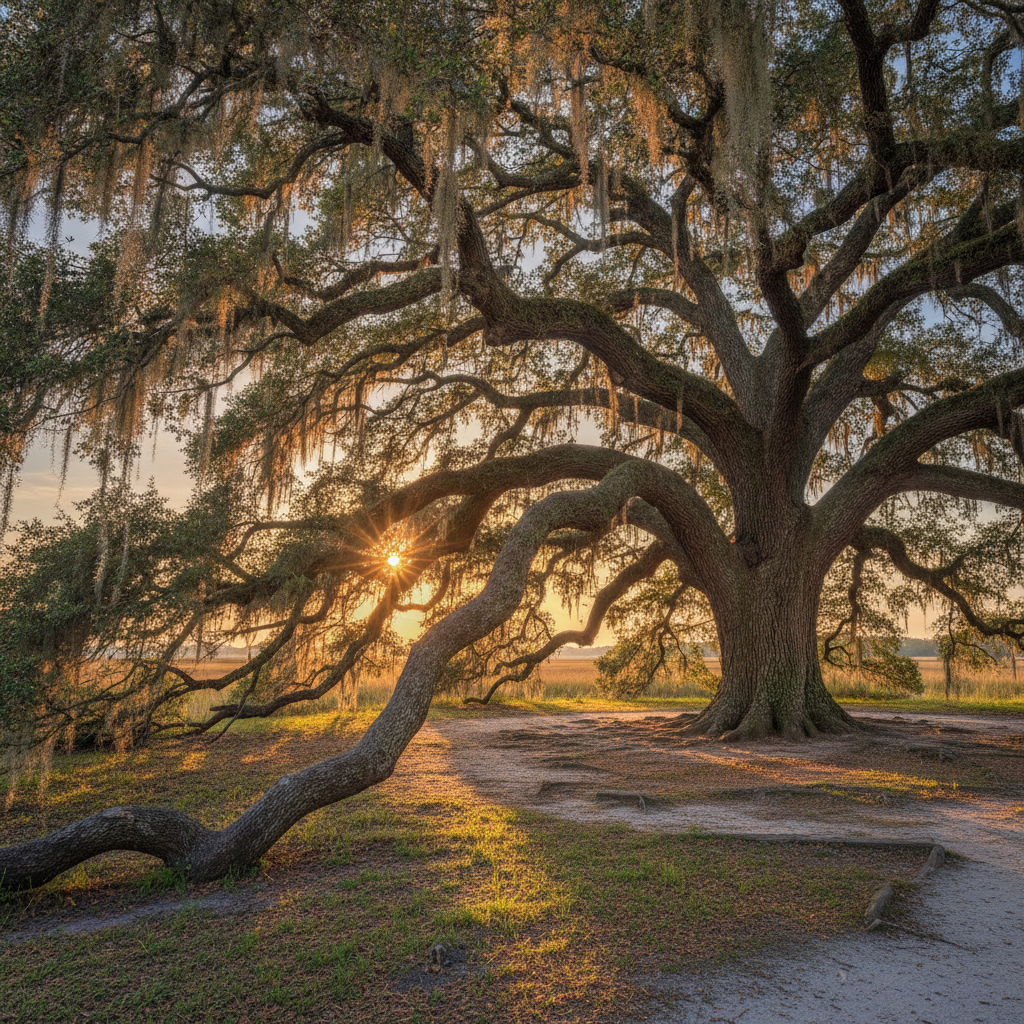
Charleston R4: Angel Oak Johns Island (400-500 years old 8.5m trunk live oak, Spanish moss bromeliad absorbs nutrients from air, Francis Beidler Forest 1000-year-old virgin bald cypress), Sea Islands Gullah heritage (Penn Center St. Helena Island 1862 first school for freed people, MLK SCLC meeting place 1960s, Port Royal Experiment 1861 first test of African American freedom, Hunting Island pristine dark sand beach), Columbia and SC interior (Congaree National Park old-growth bottomland firefly synchronization May-June, SC Aquarium sea turtle rehabilitation, Cowpens Battlefield 1781 Revolutionary War turning point), Francis Marion National Forest (longleaf pine ecosystem 3% remaining, red-cockaded woodpecker, Sewee Visitor Center Cape Romain, Wambaw Creek wilderness canoe trail), New Charleston food (Rodney Scott BBQ 2018 James Beard first Black pitmaster Outstanding SE, whole-hog live oak pits, Leon's Oyster Shop Upper King fried chicken oyster bar, craft cocktail Husk Bar Gin Joint), Ghost tours (most haunted US city top 3, Unitarian churchyard Annabel Lee grave, Old City Jail 1802 Lavinia Fisher first US female serial killer Denmark Vesey 1822 rebellion, Dock Street Theatre ghost Juanita)
Charleston: America Oldest Museum, Self-Supporting Spiral Staircase and the Swamp Canal Older Than the Nation
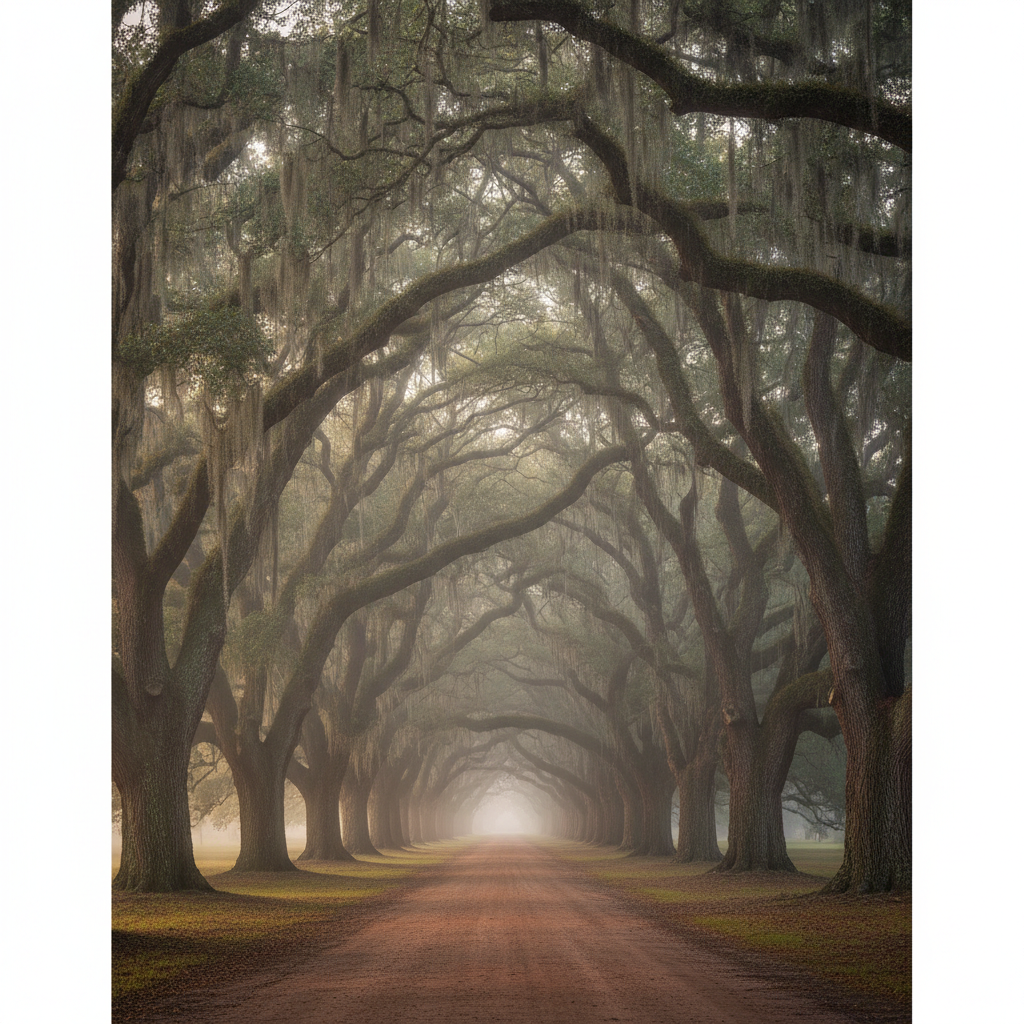
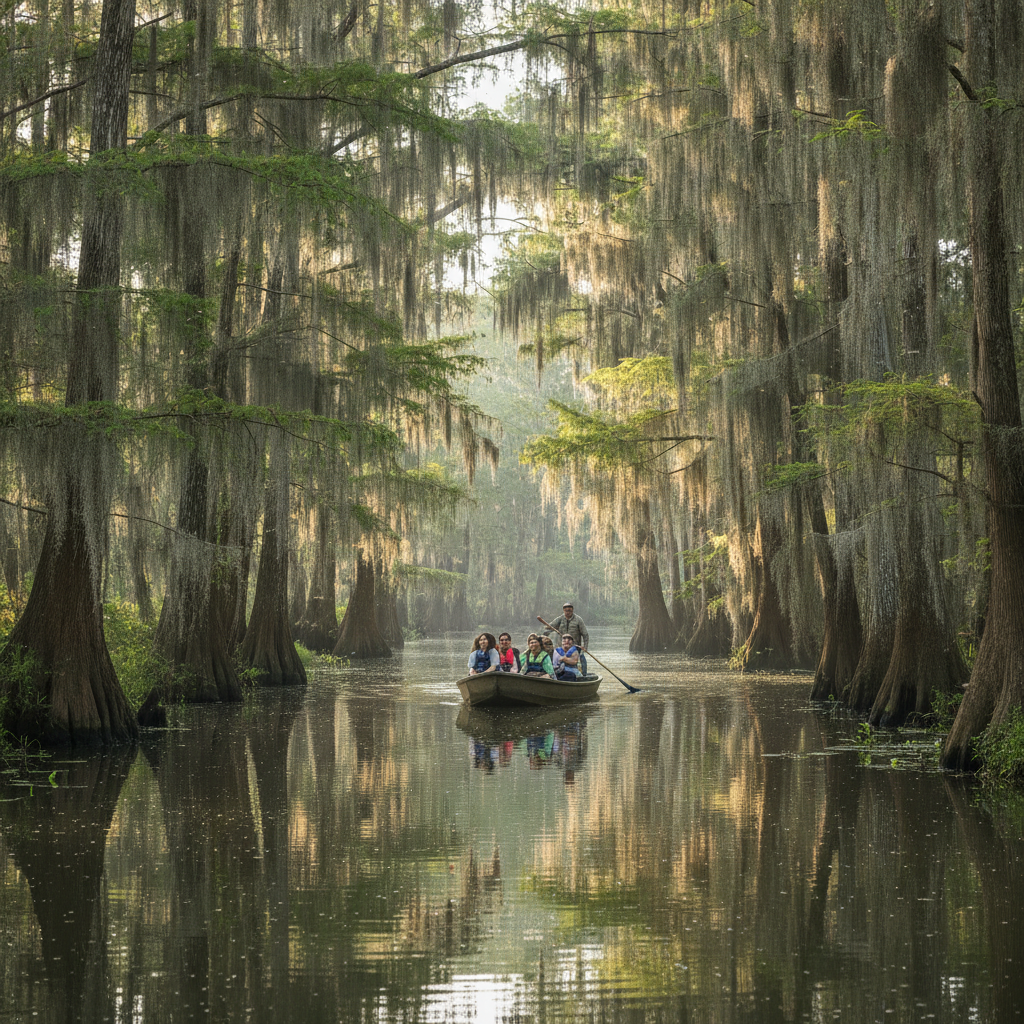
Charleston R2: Ashley River plantations (Middleton Place oldest US landscaped gardens 1741, Drayton Hall 1738 unaltered Palladian most significant US plantation house, Magnolia 1676 oldest US gardens Audubon Swamp Garden, Boone Hall Avenue of Oaks 1743), Plantation tourism ethics and Gullah tours (Slave Street brick cabins Gullah Theater, Sea Islands Johns Wadmalaw Edisto tours), Charleston Earthquake 1886 (magnitude 7.0-7.3 most powerful East Coast historical, 100 dead 2,000 buildings destroyed, Hurricane Hugo 1989 Category 4 USD 7B 27 dead, seawall flood infrastructure), Holy City churches (St. Michael's 1752 oldest SC building, Circular Congregational 1681 oldest congregation graves to 1695, Kahal Kadosh Beth Elohim 1749 oldest active Reform Jewish US, Mother Emanuel 1816 AME shooting June 17 2015 9 killed Confederate flag removed), Outdoor kayaking ACE Basin (350,000 acres largest undeveloped East Coast estuary, Hunting Island Lighthouse 1875 climbable, Congaree National Park old-growth bottomland), Day trips (Columbia USC Gamecocks Dawn Staley, Beaufort Big Chill Prince of Tides Forrest Gump filming, Port Royal Sound Civil War 1861, Hilton Head 24 golf courses)
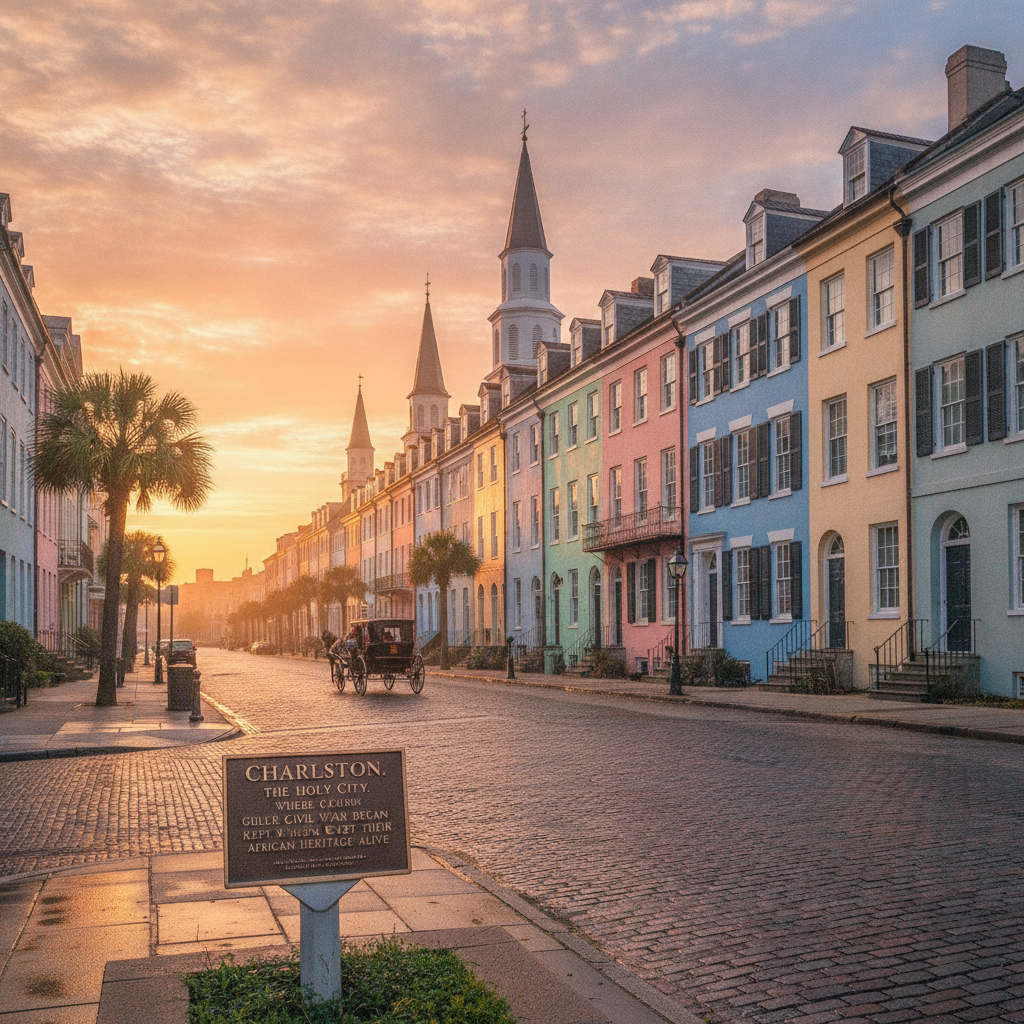
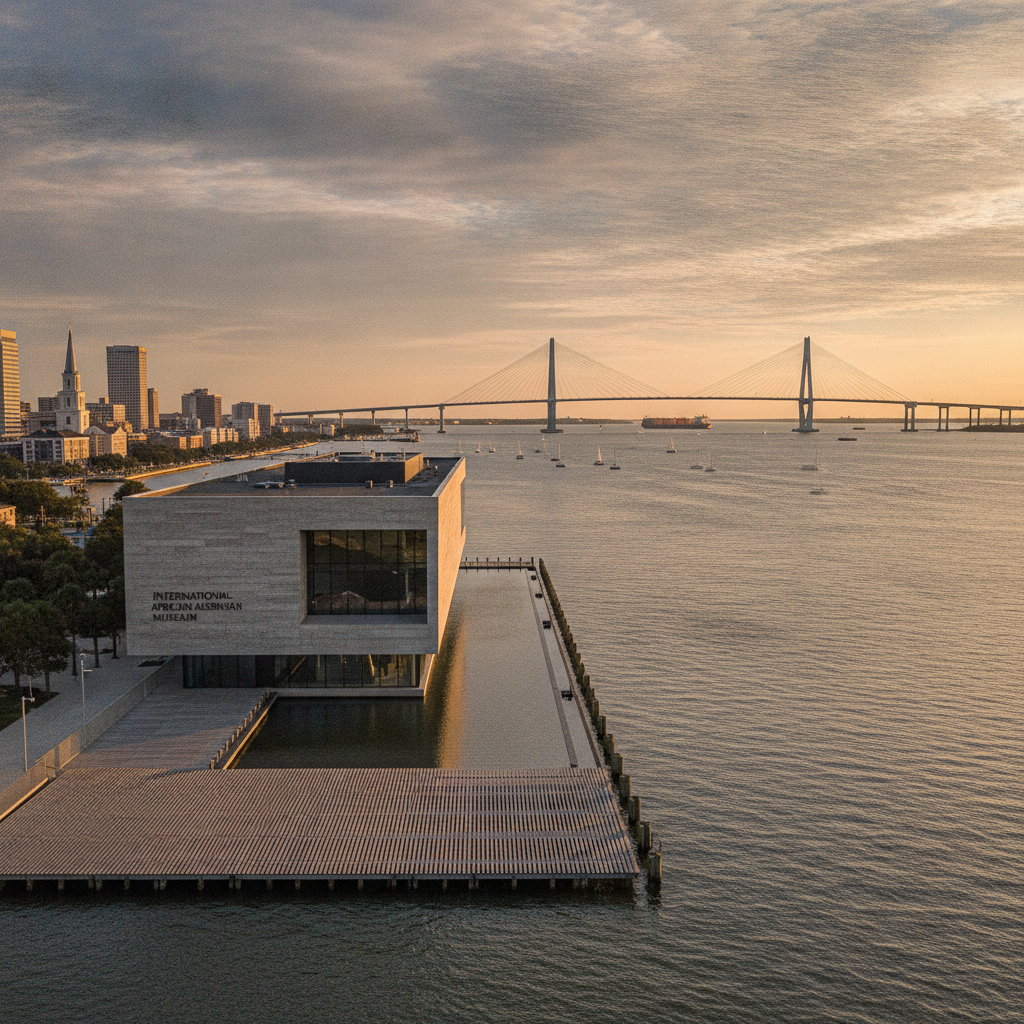
Charleston: Antebellum architecture (Holy City 400 churches, Charleston single house 300 surviving, Rainbow Row 1740s 13 pastel houses, Battery and White Point Garden Fort Sumter views), Fort Sumter (Civil War opened April 12 1861, 34-hour bombardment, 54th Massachusetts Infantry Glory film, H.L. Hunley first combat submarine sank USS Housatonic 1864 recovered 2000), Gullah Geechee culture (creole language rice cultivation sweetgrass baskets, International African American Museum January 2023 Gadsden's Wharf 40% all enslaved Africans imported, Lowcountry rice made Charleston wealthiest colonial city), Lowcountry food (FIG 2003 Lata James Beard 2009, Husk Sean Brock all-Southern-sourced menu, shrimp grits she-crab soup Lowcountry boil, Charleston City Market 1804 sweetgrass weavers), Spoleto Festival USA (largest US performing arts festival 17 days 150 performances 80,000 attendees, first US historic preservation ordinance 1931), Practical (Sullivan's Island Folly Beach Isle of Palms Kiawah Ocean Course 1991 Ryder Cup, ACE Basin largest undeveloped estuary East Coast, spring and fall best seasons CHS airport)
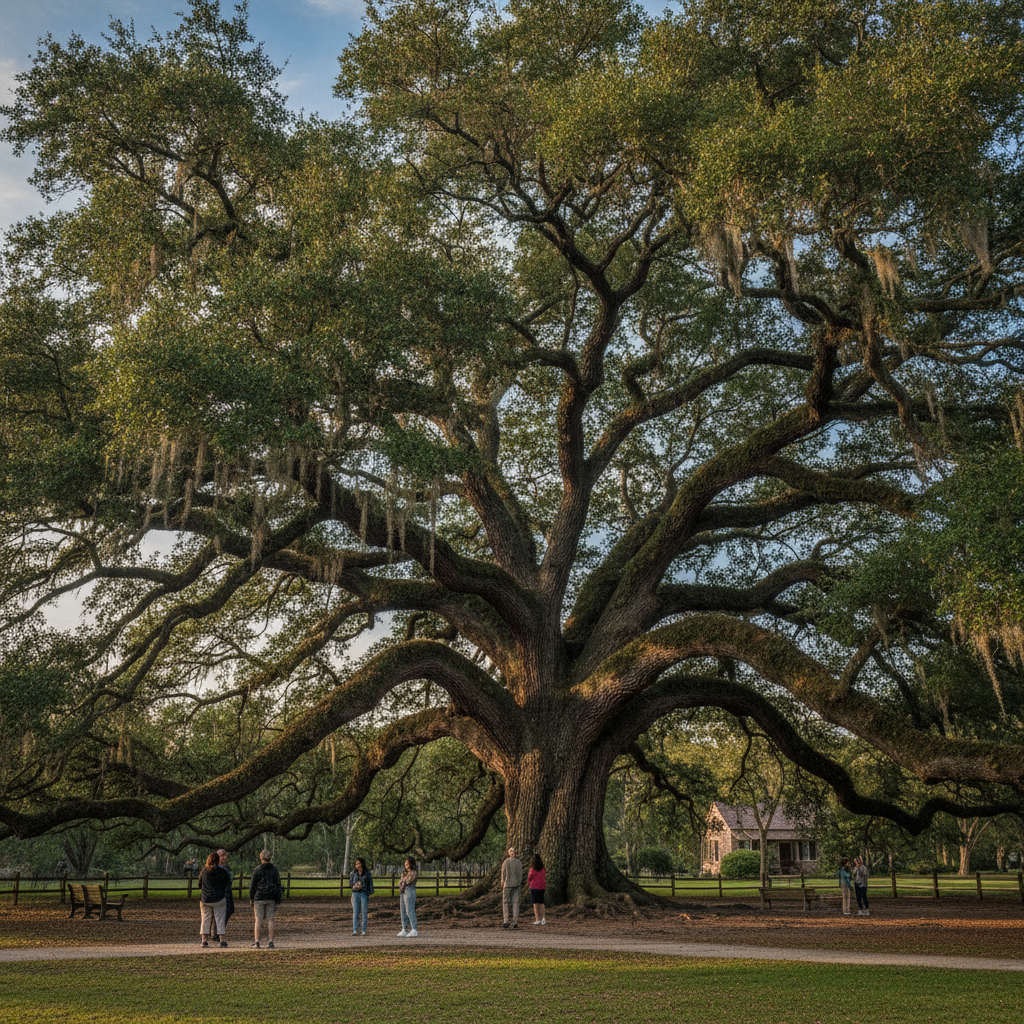
Charleston: 400-Year-Old Tree, Spoleto World Premieres and Sea Island Cotton Grown from West African Knowledge