Charleston: 400-Year-Old Tree, Spoleto World Premieres and Sea Island Cotton Grown from West African Knowledge
Walk the Upper King restaurant corridor and attend Spoleto Festival USA where world premiere operas and dance fill 17 venues for 17 days, drive the Avenue of Oaks quarter-mile canopy to Boone Hall where Sea Island cotton cultivation knowledge came from West Africa with enslaved people, stand beneath the 500-year-old Angel Oak tree on Johns Island with a canopy shading 17000 square feet, cross the longest cable-stayed bridge in the western hemisphere to Patriots Point aircraft carrier USS Yorktown, and plan for spring March to May with mild weather and the densest cultural calendar in the American South.
- 1
College of Charleston and King Street
The College of Charleston, founded in 1770 and the oldest college in South Carolina, is the only municipal college in the United States and gives the city a vibrant student population on its campus of Greek Revival and Victorian buildings interspersed with downtown Charleston. King Street, the primary shopping corridor of Charleston, divides into districts: the Lower King antique district, the Middle King fashion and boutique district, and the Upper King restaurant and bar district that has become the most active nightlife and dining corridor in the city. The Upper King scene has transformed since 2010 with dozens of independent restaurants and bars in a compact walkable environment. The Charleston Wine and Food Festival held annually in March is one of the premier culinary festivals in the American South, bringing celebrity chefs and international attention. The Spoleto Festival USA, held in late May and early June, is one of the most important performing arts festivals in the United States.
- 2
Spoleto Festival USA
Spoleto Festival USA, founded in 1977 by composer Gian Carlo Menotti as the American counterpart to the Festival of Two Worlds in Spoleto, Italy, is held annually in late May and early June across 17 days with over 150 performances of opera, dance, theater, chamber music, and visual arts in venues throughout Charleston. The festival presents world and American premieres of major new works alongside established repertoire and has been the launching point for numerous artists who subsequently achieved international recognition. Piccolo Spoleto, the companion festival presenting local and regional artists, runs concurrently and is free or low cost. The Dock Street Theatre, completed in 1736 and the first building in America designed specifically as a theater, hosts Spoleto performances. The combination of the Spoleto Festival and the Charleston Wine and Food Festival makes Charleston one of the densest concentrations of major cultural and culinary events in the American South within a 60-day window each spring.
- 3
Boone Hall Plantation and Sea Island Cotton
Boone Hall Plantation on Long Point Road in Mount Pleasant, established in 1681 and one of the few working plantations in the United States, is both a working farm producing peaches, strawberries, and pumpkins and a historic site that documents its history of slavery with deliberate interpretation. The Avenue of Oaks, a three-quarter-mile drive lined with ancient live oak trees, is one of the most photographed approaches of any historic property in the South and has appeared in multiple films and television productions. Boone Hall was a major Sea Island cotton plantation, producing the long-staple cotton that was the most prized variety in the world for its silkiness and strength. Sea Island cotton was cultivated almost exclusively by enslaved Africans using knowledge of cotton cultivation they brought from West Africa and developed over generations. The Slave Street cabins at Boone Hall are among the most intact surviving examples of plantation slave quarters in the country.
- 4
Angel Oak Tree and Johns Island
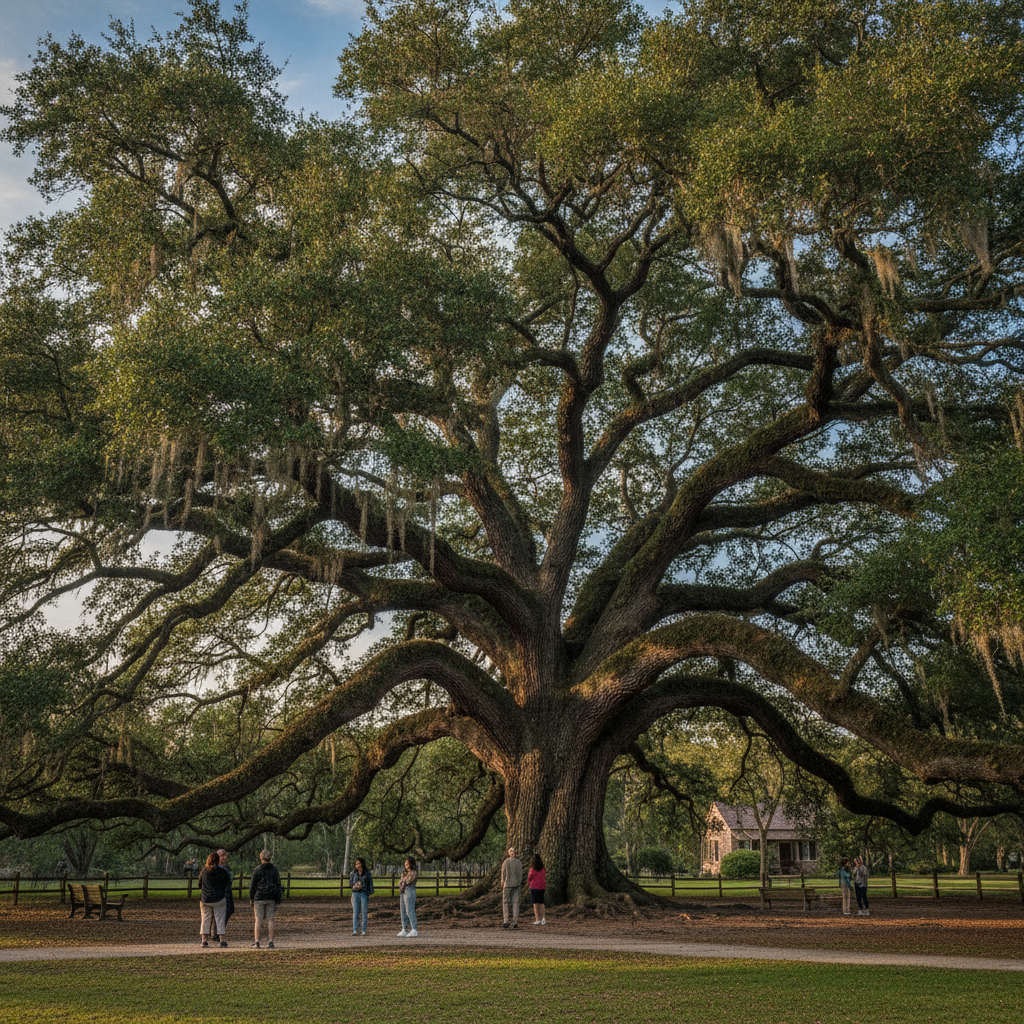
The Angel Oak Tree on Johns Island southwest of Charleston, a Southern live oak estimated to be between 400 and 500 years old and measuring 65 feet tall with a canopy that shades 17,200 square feet, is one of the most magnificent trees in the eastern United States. The oak is alive, healthy, and freely accessible to visitors at the Angel Oak Park operated by the City of Charleston. Johns Island is the largest island in South Carolina and one of the largest sea islands on the Atlantic coast, with a landscape of salt marshes, tidal creeks, farms, and Gullah Geechee community land that resisted development pressure longer than many coastal South Carolina areas. The Gullah Geechee Cultural Heritage Corridor, a national heritage area extending from Wilmington, North Carolina to Jacksonville, Florida, includes Johns Island as a core area. The island has seen increasing development pressure as Charleston suburbs expand.
- 5
Patriots Point and Naval Museum
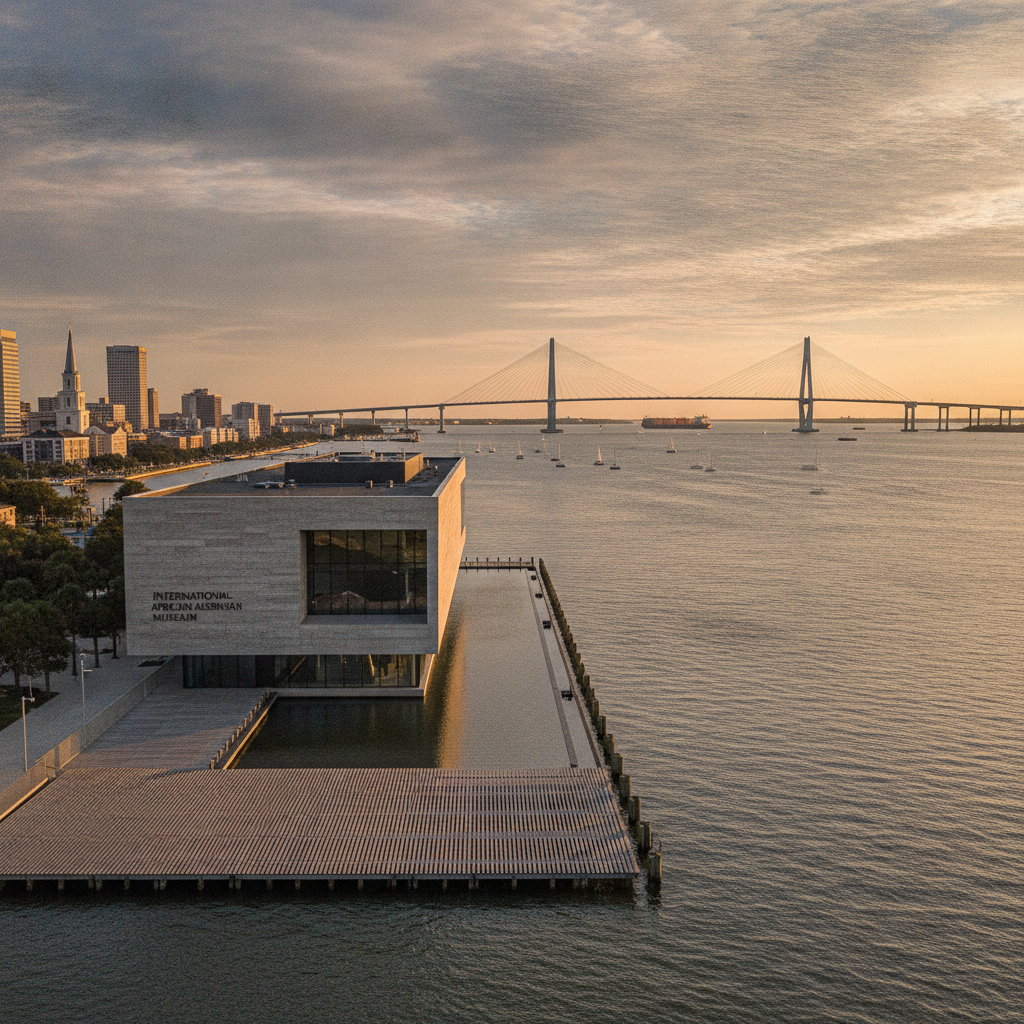
Patriots Point Naval and Maritime Museum in Mount Pleasant directly across the Cooper River from the Charleston waterfront, accessible via the Arthur Ravenel Jr. Bridge, is home to the aircraft carrier USS Yorktown, which served in World War II and is now a National Historic Landmark, the destroyer USS Laffey, the submarine USS Clamagore, and the Coast Guard Cutter Ingham. The Yorktown flight deck houses a collection of aircraft representing the carrier aviation era. The museum provides views back across the Cooper River to the Charleston historic district and the International African American Museum. Patriots Point is adjacent to the base of the 2.5-mile Arthur Ravenel Jr. Bridge, opened in 2005 as the longest cable-stayed bridge in the western hemisphere at the time of completion, which has a pedestrian and bicycle path offering the best elevated views of the Charleston harbor.
- 6
Charleston Practical and Seasonal Guide
Charleston airport is served by major US carriers with direct flights to hubs and some nonstop international routes. The historic district is highly walkable and compact. Pedal cab and horse-drawn carriage tours are popular tourist transportation options. Parking in the historic district is managed by garages, and driving is impractical during busy periods. The CARTA bus system provides transit. Spring, from March through May, is the most popular season with mild temperatures, the Spoleto Festival, and the Wine and Food Festival. Summer from June through September brings high heat and humidity with temperatures regularly exceeding 90 degrees Fahrenheit and high dew points. Hurricane season runs from June through November with occasional significant storms. Fall from October through November is a second excellent season. Alligators are present in all freshwater bodies and must be given wide berth. The historic district has an ordinance limiting building heights that preserves the low-rise skyline visible from the harbor.
Walk this route with audio
Stories play automatically as you reach each stop — no tapping needed.
More in Charleston
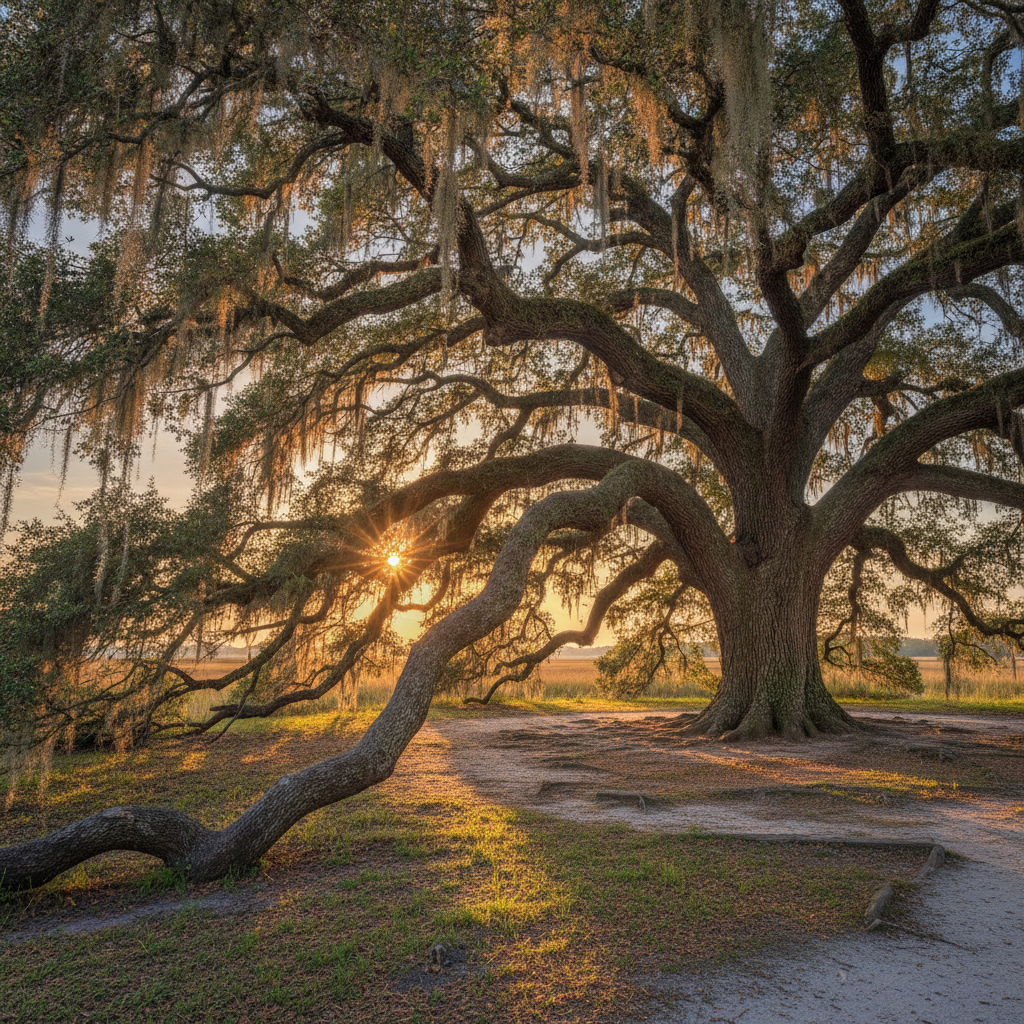
Charleston R4: Angel Oak Johns Island (400-500 years old 8.5m trunk live oak, Spanish moss bromeliad absorbs nutrients from air, Francis Beidler Forest 1000-year-old virgin bald cypress), Sea Islands Gullah heritage (Penn Center St. Helena Island 1862 first school for freed people, MLK SCLC meeting place 1960s, Port Royal Experiment 1861 first test of African American freedom, Hunting Island pristine dark sand beach), Columbia and SC interior (Congaree National Park old-growth bottomland firefly synchronization May-June, SC Aquarium sea turtle rehabilitation, Cowpens Battlefield 1781 Revolutionary War turning point), Francis Marion National Forest (longleaf pine ecosystem 3% remaining, red-cockaded woodpecker, Sewee Visitor Center Cape Romain, Wambaw Creek wilderness canoe trail), New Charleston food (Rodney Scott BBQ 2018 James Beard first Black pitmaster Outstanding SE, whole-hog live oak pits, Leon's Oyster Shop Upper King fried chicken oyster bar, craft cocktail Husk Bar Gin Joint), Ghost tours (most haunted US city top 3, Unitarian churchyard Annabel Lee grave, Old City Jail 1802 Lavinia Fisher first US female serial killer Denmark Vesey 1822 rebellion, Dock Street Theatre ghost Juanita)
Charleston: America Oldest Museum, Self-Supporting Spiral Staircase and the Swamp Canal Older Than the Nation
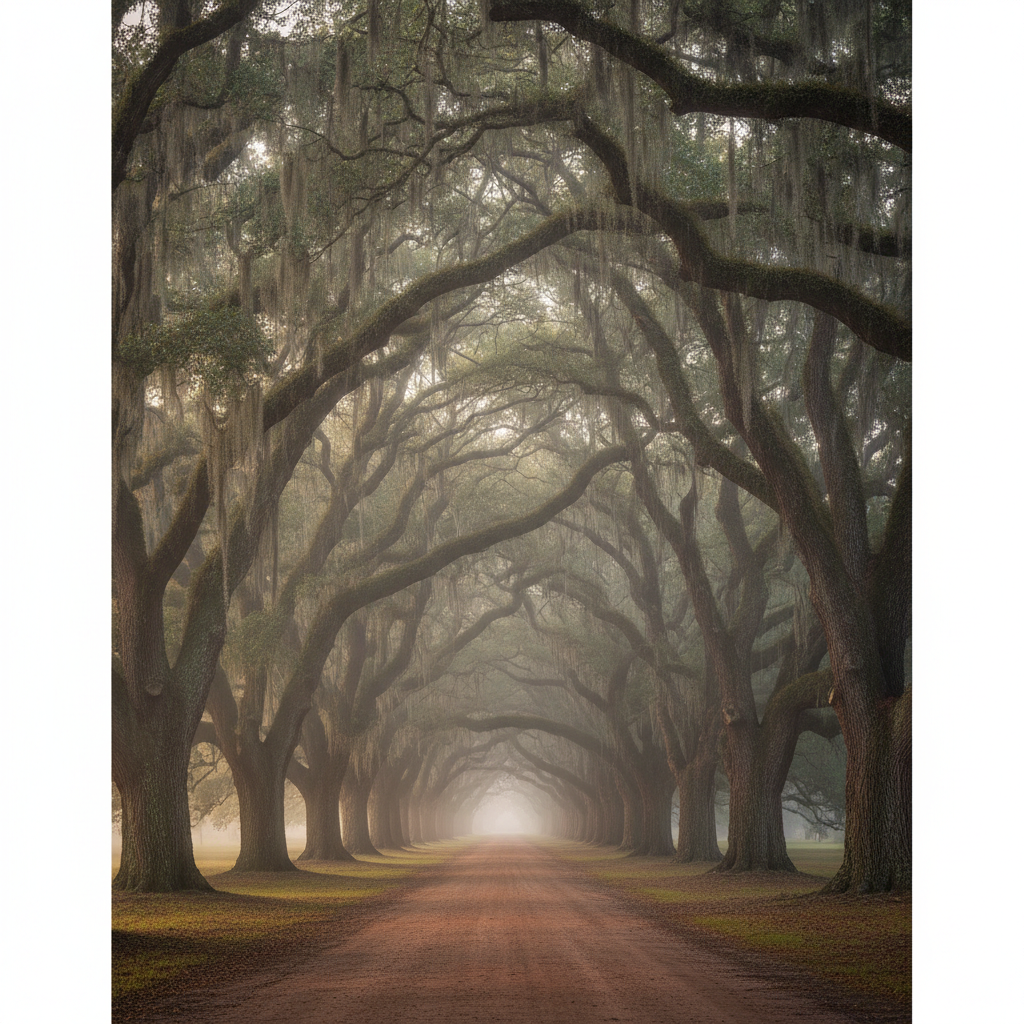
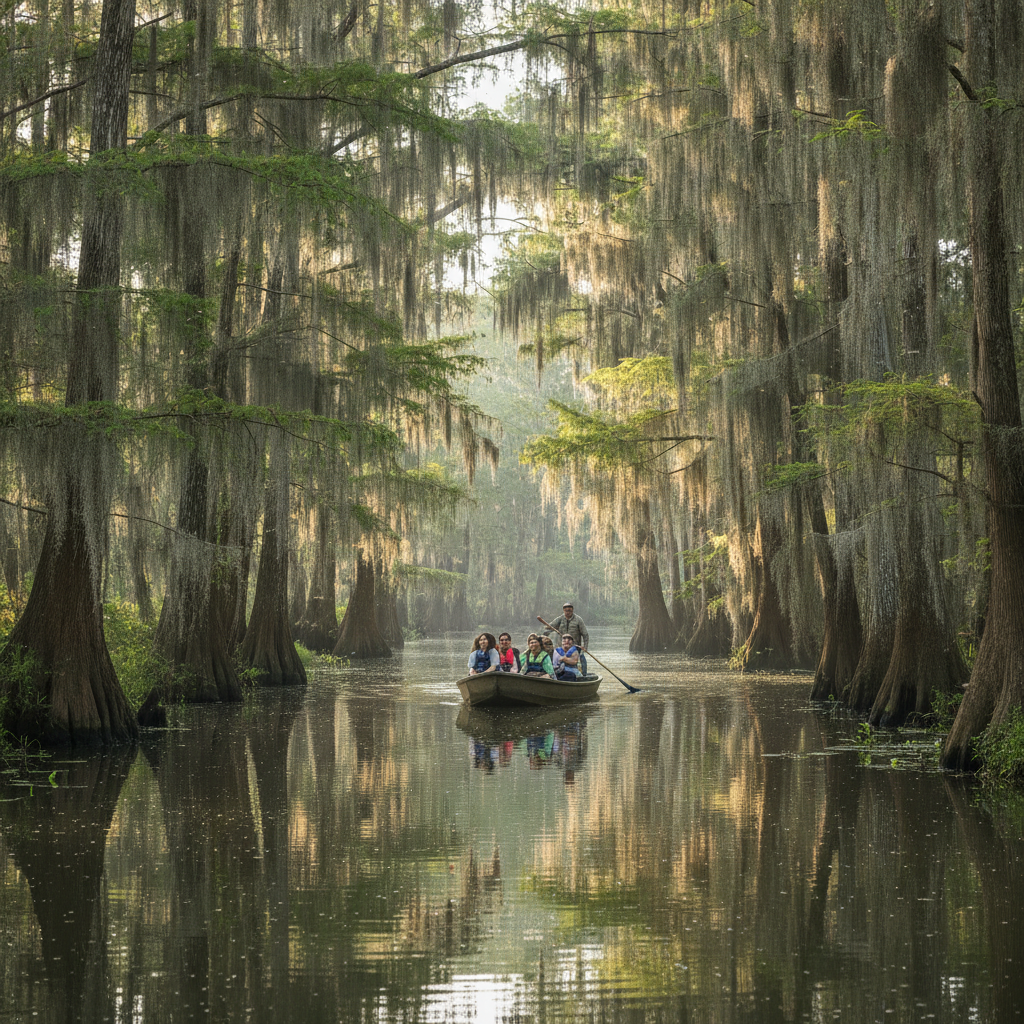
Charleston R2: Ashley River plantations (Middleton Place oldest US landscaped gardens 1741, Drayton Hall 1738 unaltered Palladian most significant US plantation house, Magnolia 1676 oldest US gardens Audubon Swamp Garden, Boone Hall Avenue of Oaks 1743), Plantation tourism ethics and Gullah tours (Slave Street brick cabins Gullah Theater, Sea Islands Johns Wadmalaw Edisto tours), Charleston Earthquake 1886 (magnitude 7.0-7.3 most powerful East Coast historical, 100 dead 2,000 buildings destroyed, Hurricane Hugo 1989 Category 4 USD 7B 27 dead, seawall flood infrastructure), Holy City churches (St. Michael's 1752 oldest SC building, Circular Congregational 1681 oldest congregation graves to 1695, Kahal Kadosh Beth Elohim 1749 oldest active Reform Jewish US, Mother Emanuel 1816 AME shooting June 17 2015 9 killed Confederate flag removed), Outdoor kayaking ACE Basin (350,000 acres largest undeveloped East Coast estuary, Hunting Island Lighthouse 1875 climbable, Congaree National Park old-growth bottomland), Day trips (Columbia USC Gamecocks Dawn Staley, Beaufort Big Chill Prince of Tides Forrest Gump filming, Port Royal Sound Civil War 1861, Hilton Head 24 golf courses)
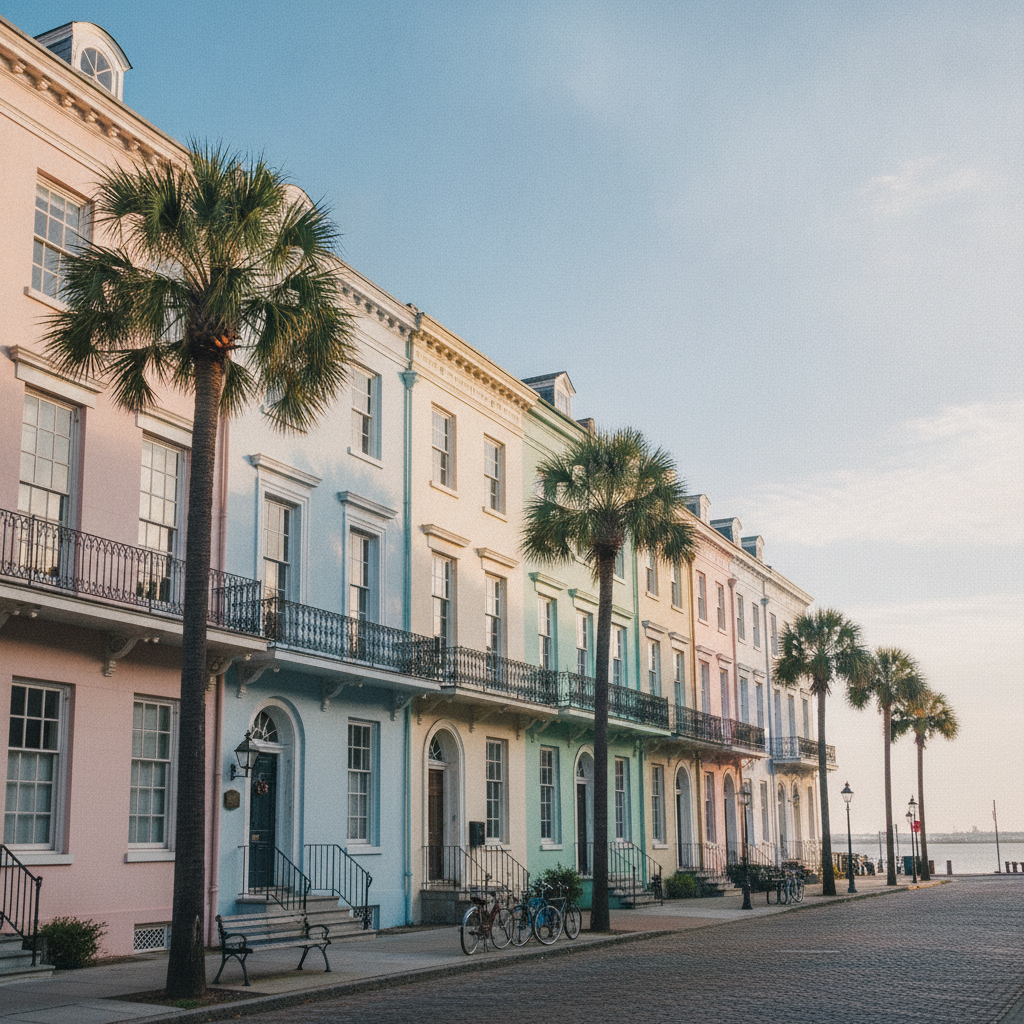
Charleston: First Submarine to Sink a Warship, Gullah Creole Language and the Pastel Row That Started a Design Trend
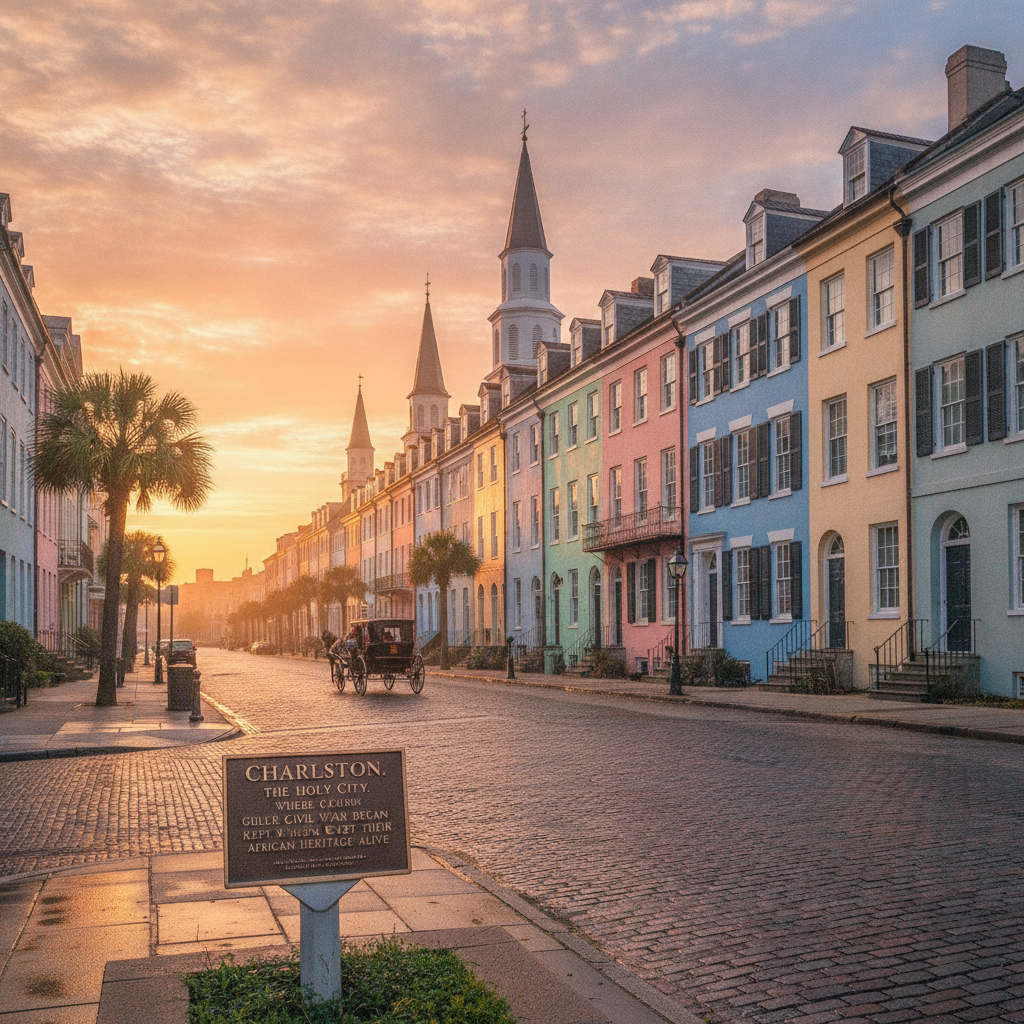
Charleston: Antebellum architecture (Holy City 400 churches, Charleston single house 300 surviving, Rainbow Row 1740s 13 pastel houses, Battery and White Point Garden Fort Sumter views), Fort Sumter (Civil War opened April 12 1861, 34-hour bombardment, 54th Massachusetts Infantry Glory film, H.L. Hunley first combat submarine sank USS Housatonic 1864 recovered 2000), Gullah Geechee culture (creole language rice cultivation sweetgrass baskets, International African American Museum January 2023 Gadsden's Wharf 40% all enslaved Africans imported, Lowcountry rice made Charleston wealthiest colonial city), Lowcountry food (FIG 2003 Lata James Beard 2009, Husk Sean Brock all-Southern-sourced menu, shrimp grits she-crab soup Lowcountry boil, Charleston City Market 1804 sweetgrass weavers), Spoleto Festival USA (largest US performing arts festival 17 days 150 performances 80,000 attendees, first US historic preservation ordinance 1931), Practical (Sullivan's Island Folly Beach Isle of Palms Kiawah Ocean Course 1991 Ryder Cup, ACE Basin largest undeveloped estuary East Coast, spring and fall best seasons CHS airport)