Ouro Preto: Brazil's Colonial Gold City & Baroque Masterpiece
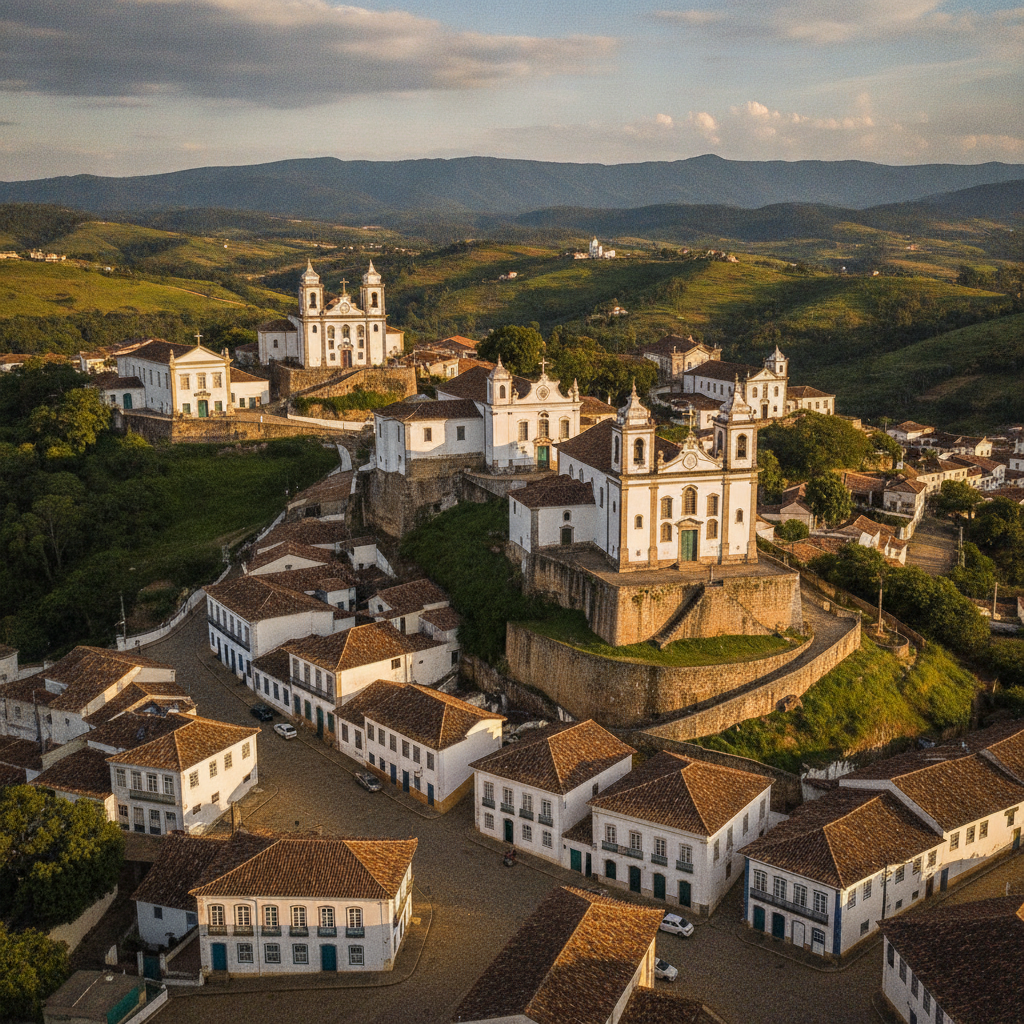
Ouro Preto — 100 km from Belo Horizonte — was the richest city in the Americas during the 18th-century gold rush; its UNESCO-listed baroque churches, cobblestone streets, and revolutionary history make it essential Minas Gerais
- 1
Igreja de São Francisco de Assis
Aleijadinho's masterpiece — the Church of São Francisco in Ouro Preto — represents the pinnacle of Brazilian Baroque; the soapstone sculptures on the facade of the disabled enjoy are extraordinary works of religious art
- 2
Aleijadinho: Brazil's greatest artist
António Francisco Lisboa (Aleijadinho) – who works in soapstone and wood despite losing his fingers due to illness – created the defining works of Brazilian Baroque art and is the country's most revered artistic figure
- 3
Praça Tiradentes
Ouro Preto's main square – named after the executed revolutionary Tiradentes – is surrounded by Baroque buildings including the former governor's palace (now a museum) and the Museu da Inconfidência
- 4
Gold Mining History
At its peak in 1750, Ouro Preto produced more gold than all of Spanish America - the wealth of the gold rush funded the baroque churches that are now UNESCO-worthy; the mines are now history and tourism
- 5
Inconfidência Mineira
Inconfidência Mineira 1789 – Brazil's first independence movement – was centered in Ouro Preto; the executed leader Tiradentes is Brazil's national martyr and the history of the revolution is told in the city's museums
- 6
Soapstone crafts
The soapstone (pedra-sabão) carved by Aleijadinho is still worked in the workshops of Ouro Preto - small figures, bowls and architectural elements made of the same material as the Baroque masterpiece
Walk this route with audio
Stories play automatically as you reach each stop — no tapping needed.
More in Belo Horizonte
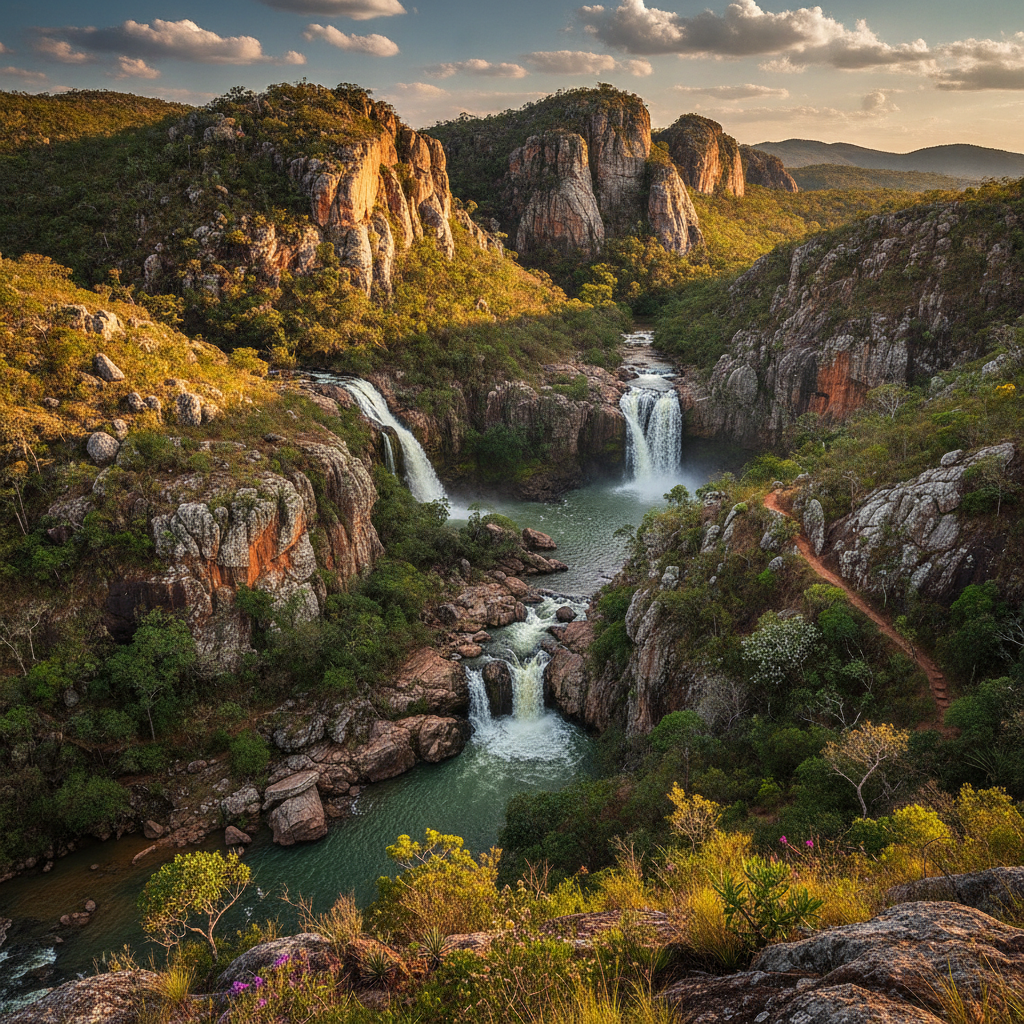
Serra do Cipó: Dramatic Canyon Country Near BH

Mineirão & BH Football: The Most Passionate City in Brazil
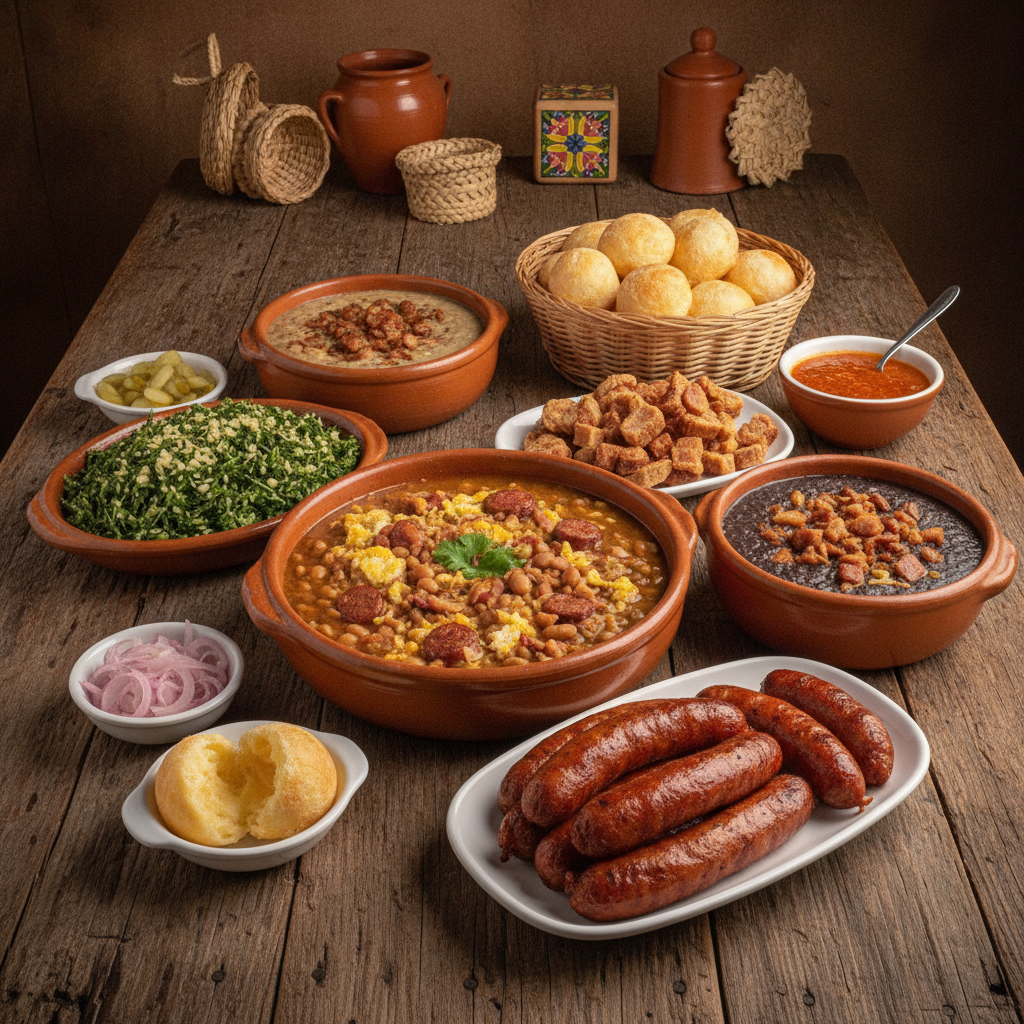
Comida Mineira: Belo Horizonte's Extraordinary Food Culture
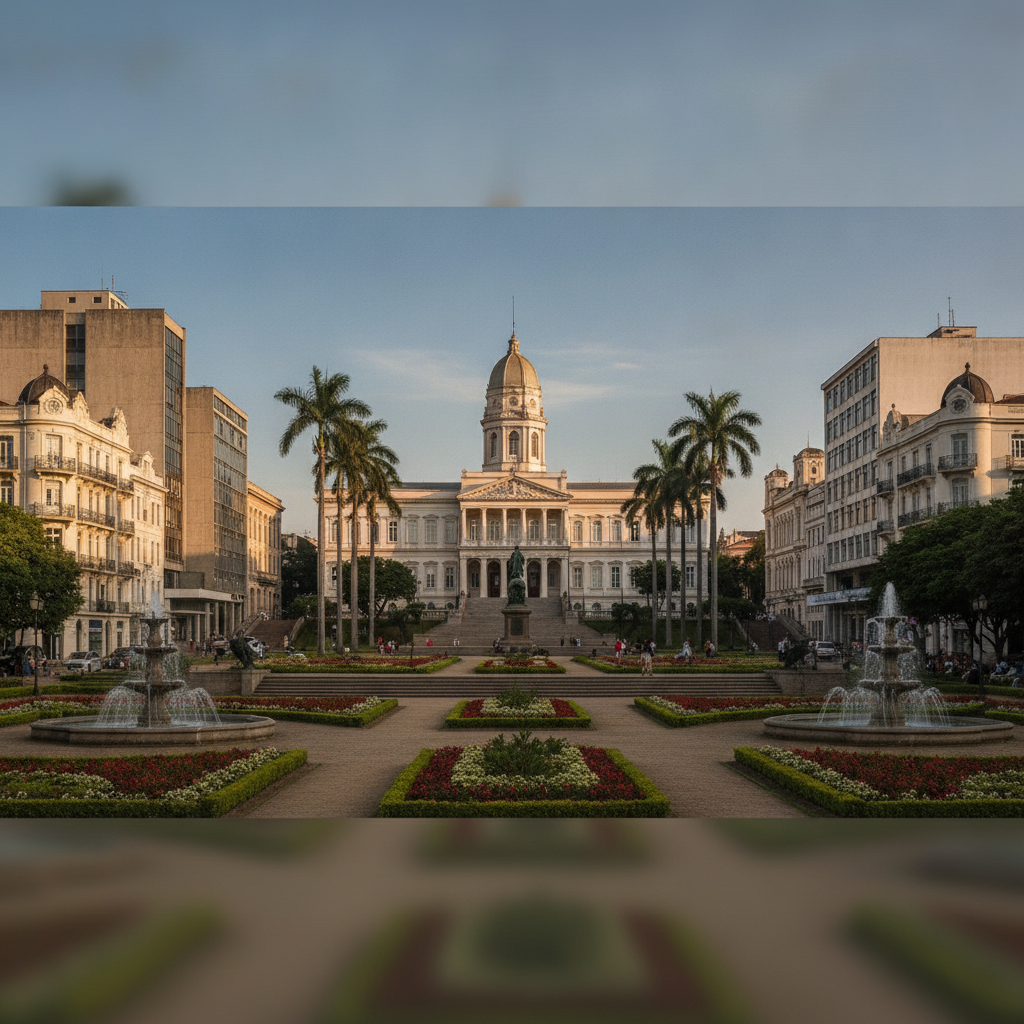
Praça da Liberdade & BH's Cultural Circuit
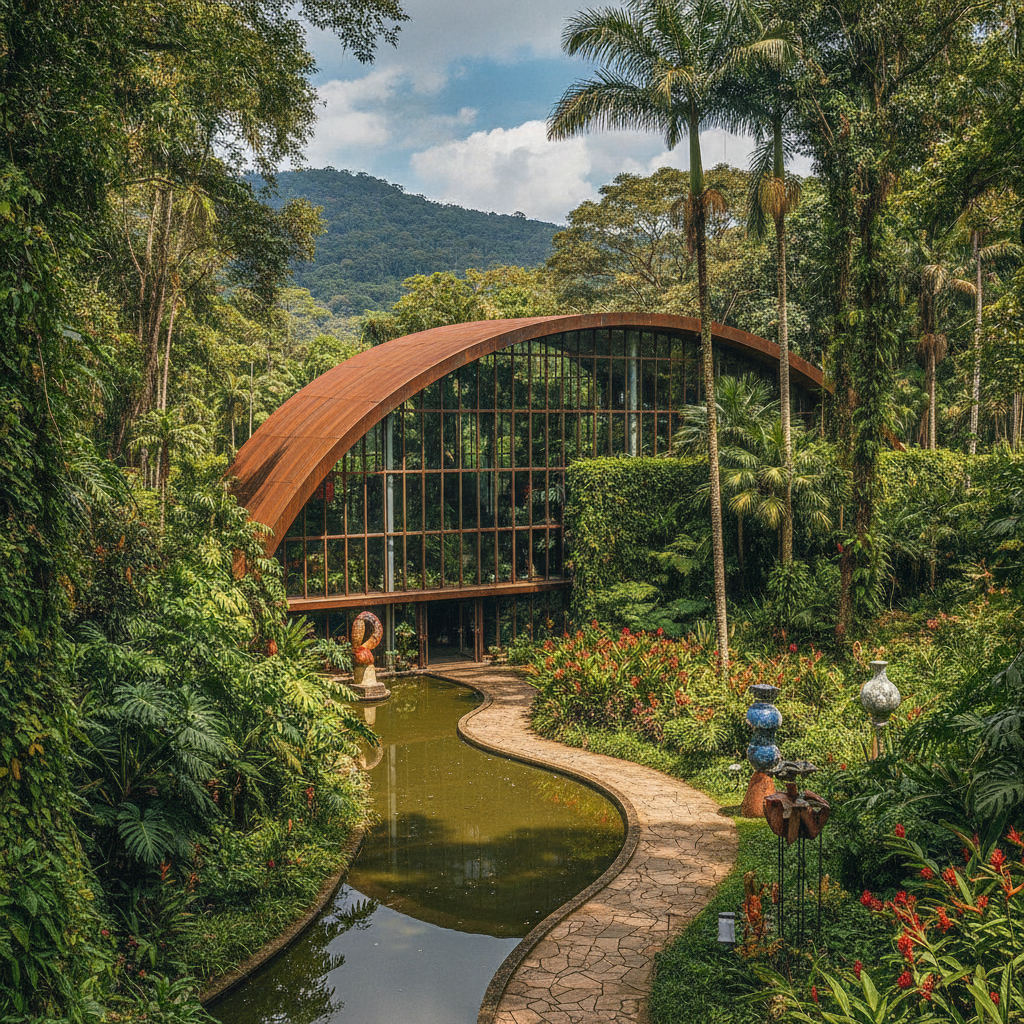
Inhotim: Where Contemporary Art Meets the Brazilian Forest