Santa Catalina: The City Within the City
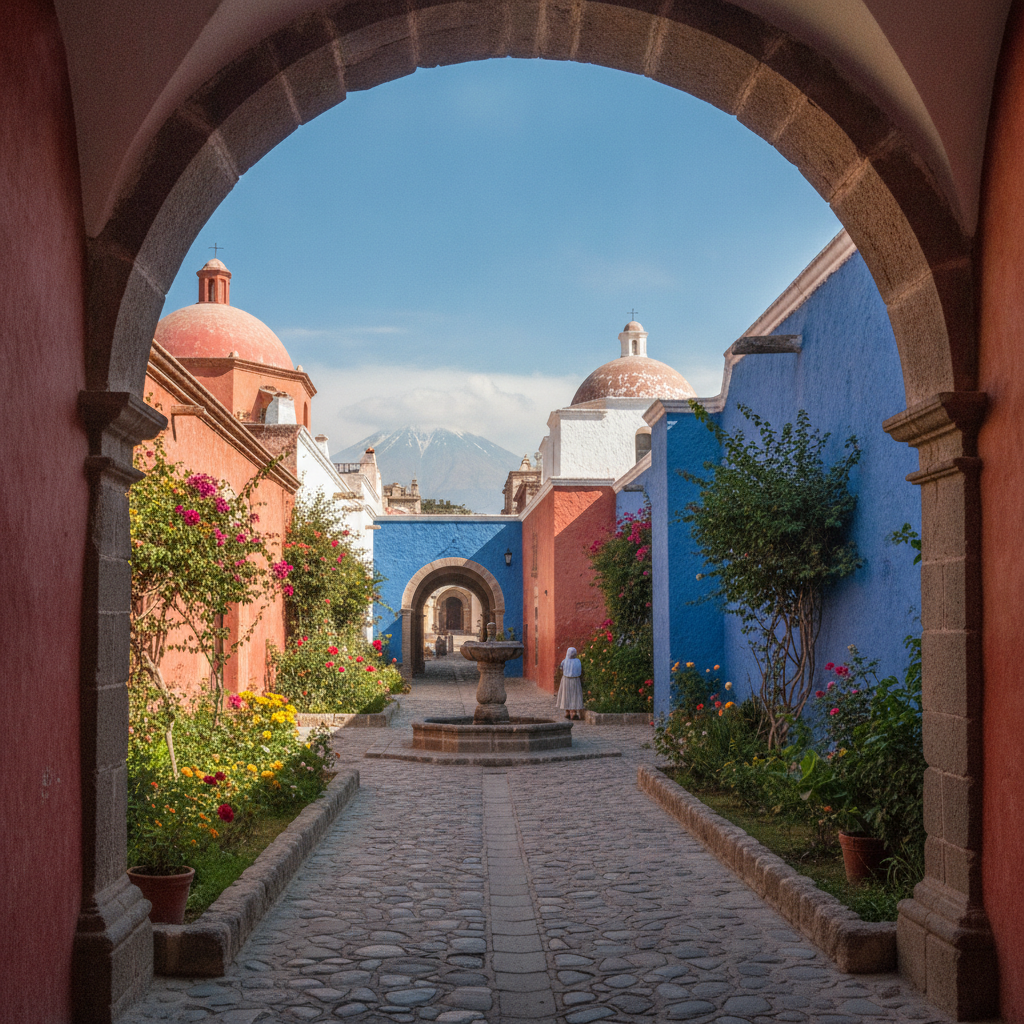
The Monasterio de Santa Catalina — a 20,000 m² enclosed convent in the heart of Arequipa — is one of the world's most extraordinary historic sites; the painted streets, the orange and blue walls, the flower-filled courtyards, and the 400 years of cloistered women's lives create an incomparable experience
- 1
City within a city
Santa Catalina was founded in 1580 and remained completely closed to the public until 1970; the 20,000m² complex has its own streets (named after Spanish cities), plazas, markets, laundries and kitchens – an autonomous city in Arequipa that 450 nuns once called home
- 2
Painted street in Córdoba
Calle Córdoba — the most photographed street in Santa Catalina — is a narrow passage between the high orange and red walls of the beginner's quarter; the potted geraniums, the blue sky visible above the warm wall and the silence create one of South America's most beautiful architectural experiences
- 3
Solar Novice Quarters
The novice quarters at Santa Catalina - with individual cells around courtyards, each cell decorated with the novice's personal items - reveal the remarkable variety of private lives lived within the monastery; wealthy novices brought servants, fine furniture and personal kitchens
- 4
Collection of Colonial Art
Santa Catalina's collection of colonial religious art—paintings, sculptures, and silverwork—is exceptional; The works, which span 400 years of devotional art production in the Arequipa region, are displayed in the cells and chapels throughout the complex
- 5
Living Monastery Today
A small community of Dominican nuns still lives in a seclusion of Santa Catalina; the monastery remains a living religious house while being the most visited tourist site in Arequipa; the coexistence of modern visitors and a contemplative community is handled with care
- 6
Monastery kitchen and food
The Santa Catalina kitchen – preserved with its original clay pots, clay stoves and recipe books – reveals the culinary life of the monastery; the nuns were known for their sweets (especially queso helado and alfajores); the monastery's food tradition is part of Arequipa's culinary heritage
Walk this route with audio
Stories play automatically as you reach each stop — no tapping needed.
More in Arequipa
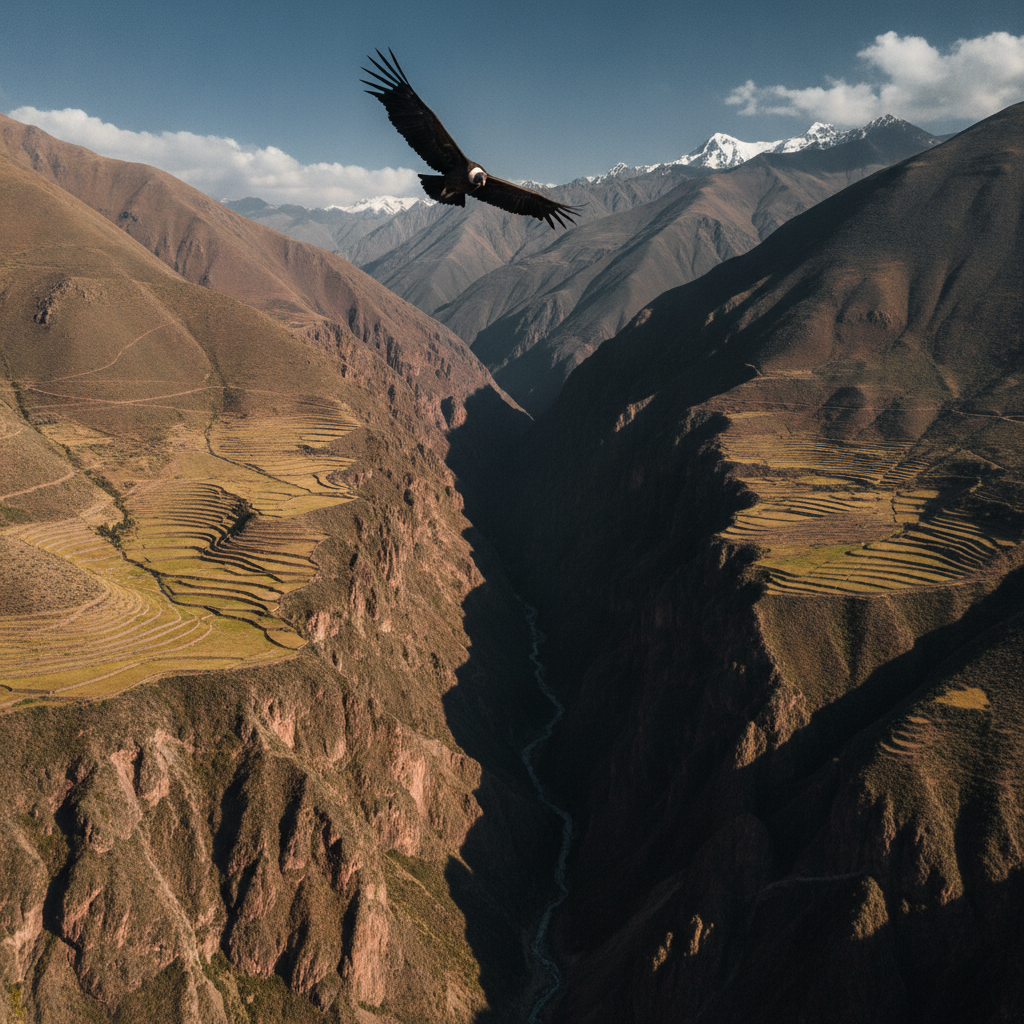
Colca Canyon: Condors Above the World's Deepest Gorge
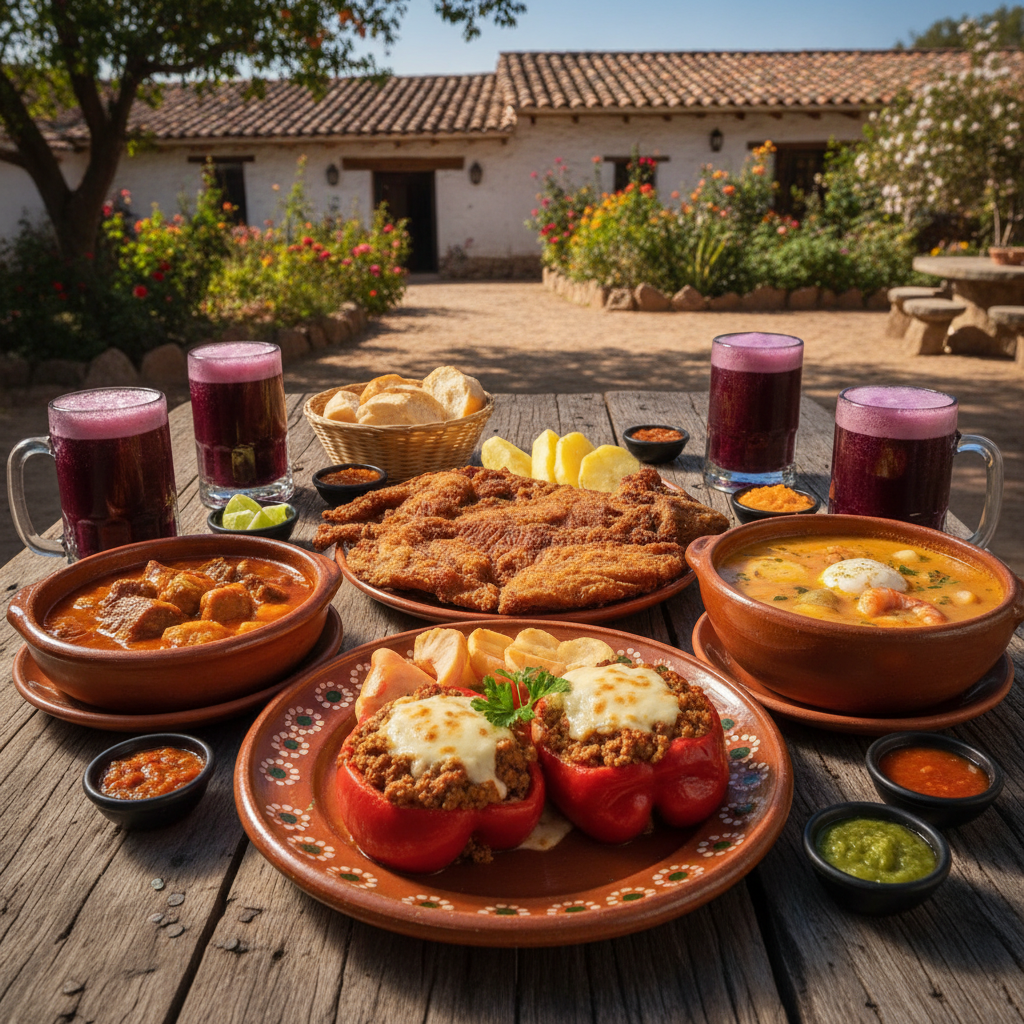
Arequipa Cuisine: Peru's Second Capital of Gastronomy
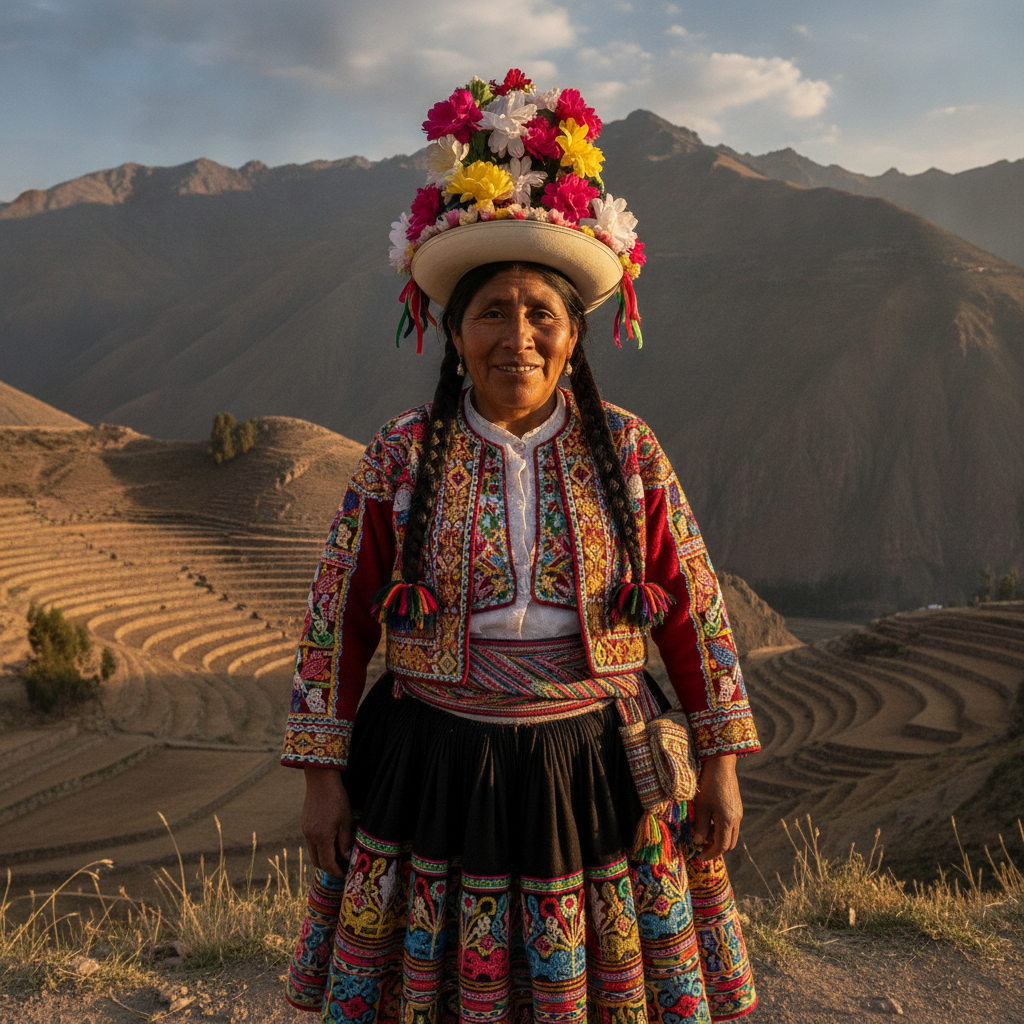
Collagua Textiles: The Living Art of the Colca Valley
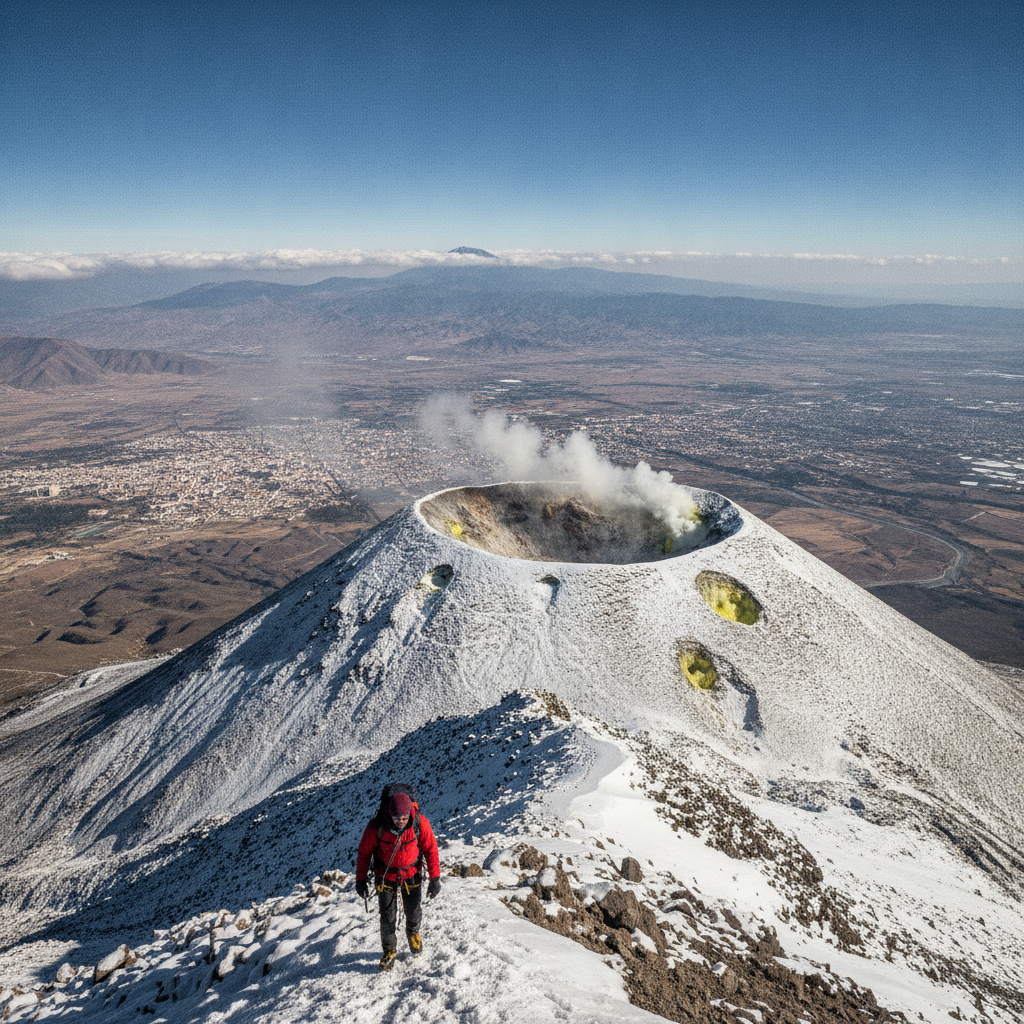
Climbing El Misti: The Volcano Above Arequipa
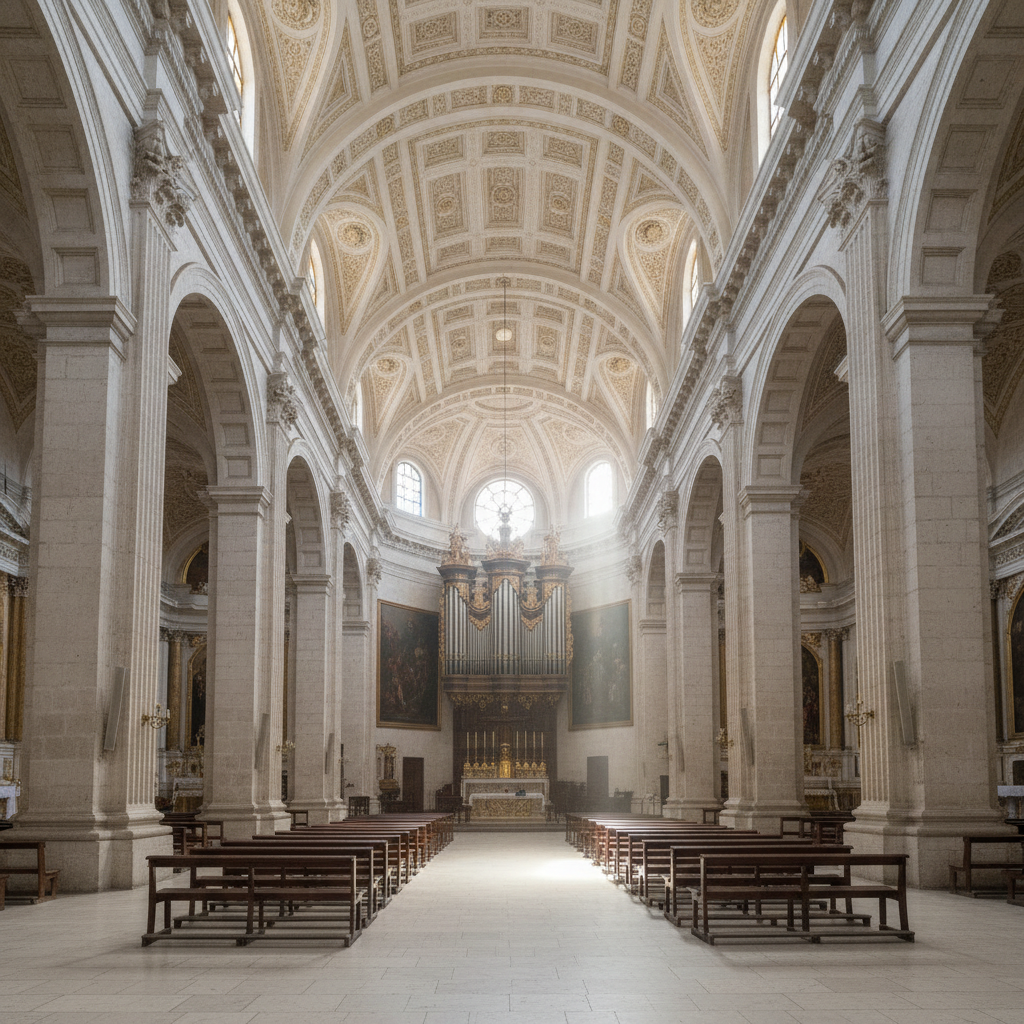
Arequipa's Mestizo Baroque: Churches of Sillar Stone