Arequipa's Mestizo Baroque: Churches of Sillar Stone
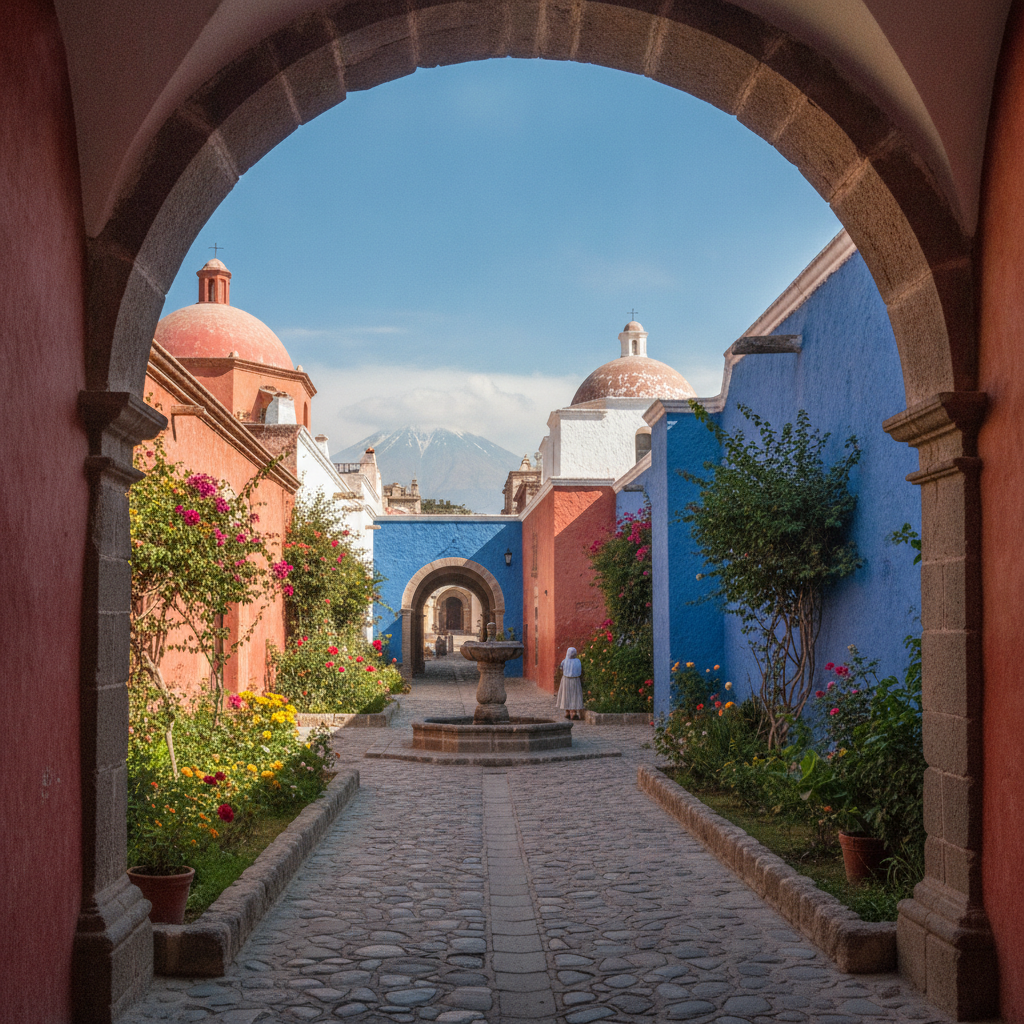
Arequipa's colonial churches — built from white sillar volcanic stone by indigenous artisans incorporating their own symbolic vocabulary — created the 'mestizo baroque' style: a unique blend of Spanish baroque and Andean cosmology
- 1
Mestizo Baroque Style
The Mestizo Baroque in Arequipa is an art historical phenomenon - the indigenous stonemasons who built the colonial churches incorporated Andean motifs (sirens, suns, jungle animals) into Spanish Baroque decoration systems; the result is a distinct peruvian style not found anywhere in europe
- 2
La Compañía Jesuit Church
La Compañía - the Jesuit church in the Plaza de Armas - has the most elaborate mestizo baroque facade in Arequipa; the carved stone portal, completely covered in intricate relief carving, combined classical columns with Andean vegetation motifs in a tour de force of stone carving
- 3
Arequipa Cathedral
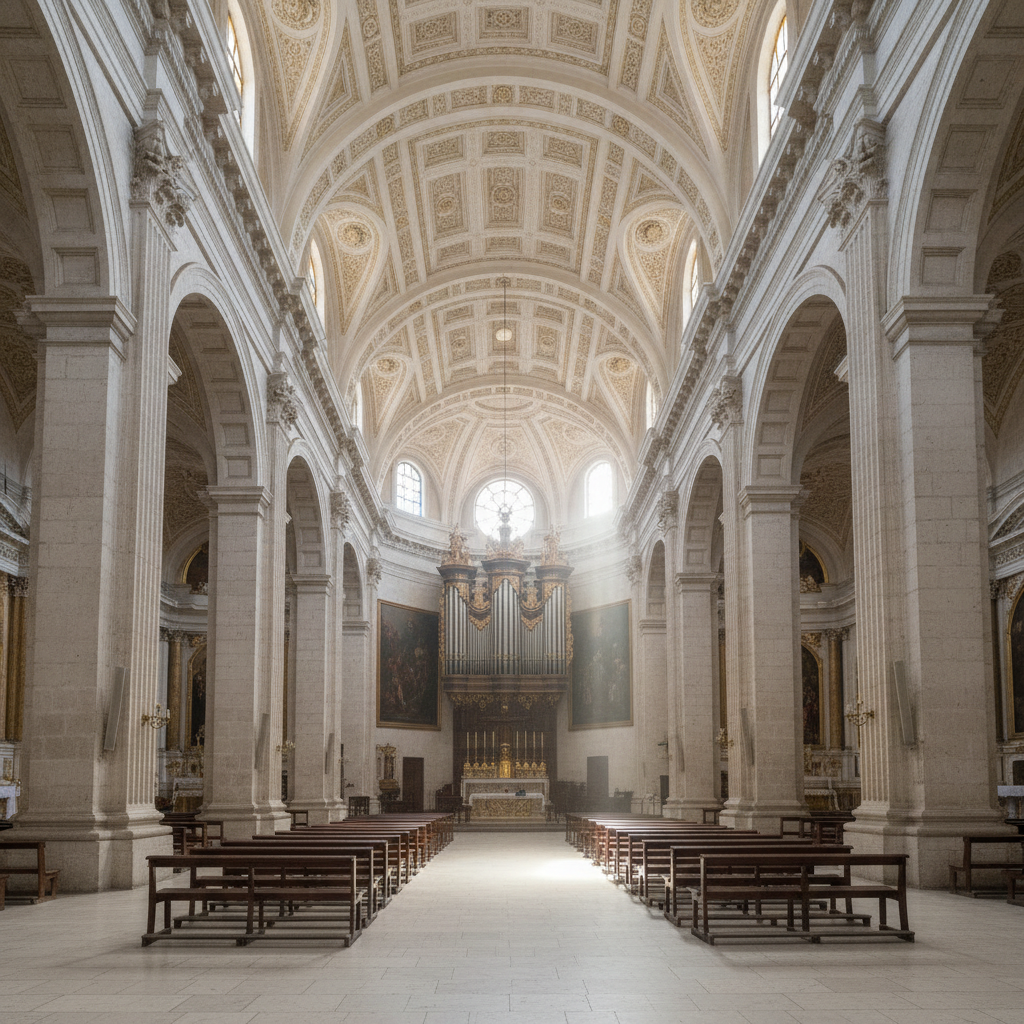
The Arequipa Cathedral – 200 meters wide, the widest church facade in Peru – was rebuilt after the 1868 earthquake; the neoclassical twin tower facade in white sill dominates the square; the interior has a Belgian organ, French stained glass and an Italian altarpiece
- 4
Church of San Francisco
The Iglesia de San Francisco - with its rough-hewn herringbone exterior - has a more austere style than the Jesuit church; the monastery's cloisters have murals depicting Franciscan history and the simple white stone nave has a devotional quality that the more ornate churches lack
- 5
Santo Domingo Church
Santo Domingo – rebuilt after several earthquakes – has a distinctive carved portal that incorporates indigenous faces and Andean animals into the biblical story; Portal's indigenous commentary on Christian history is a subtle handling of cultural resistance set permanently in stone
- 6
Earthquake History
Arequipa has suffered major earthquakes - 1582, 1604, 1784, 1868 and 2001 - each of which has required the rebuilding of the colonial churches; the resilience of the ashlar stone construction (which cracks rather than collapses in earthquakes) has enabled the historic center's survival through several disasters
Walk this route with audio
Stories play automatically as you reach each stop — no tapping needed.
More in Arequipa
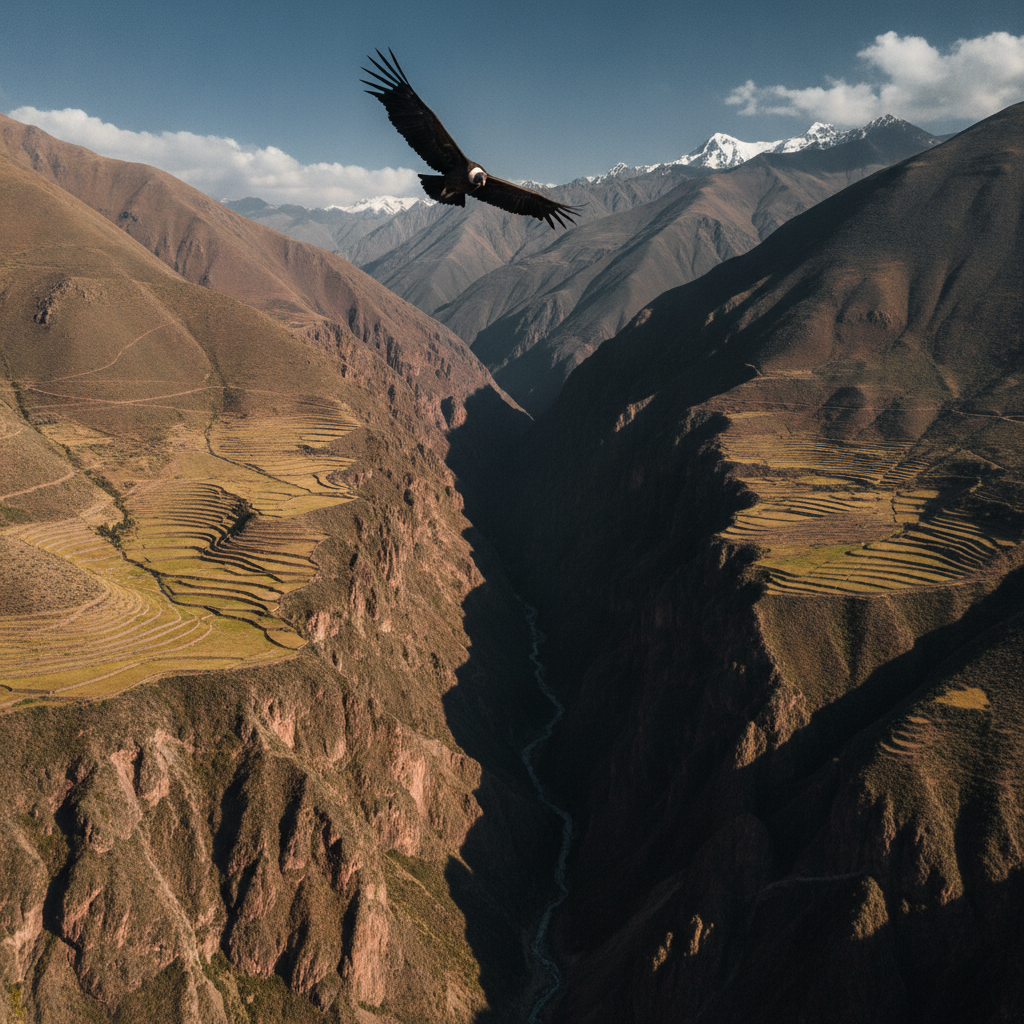
Colca Canyon: Condors Above the World's Deepest Gorge
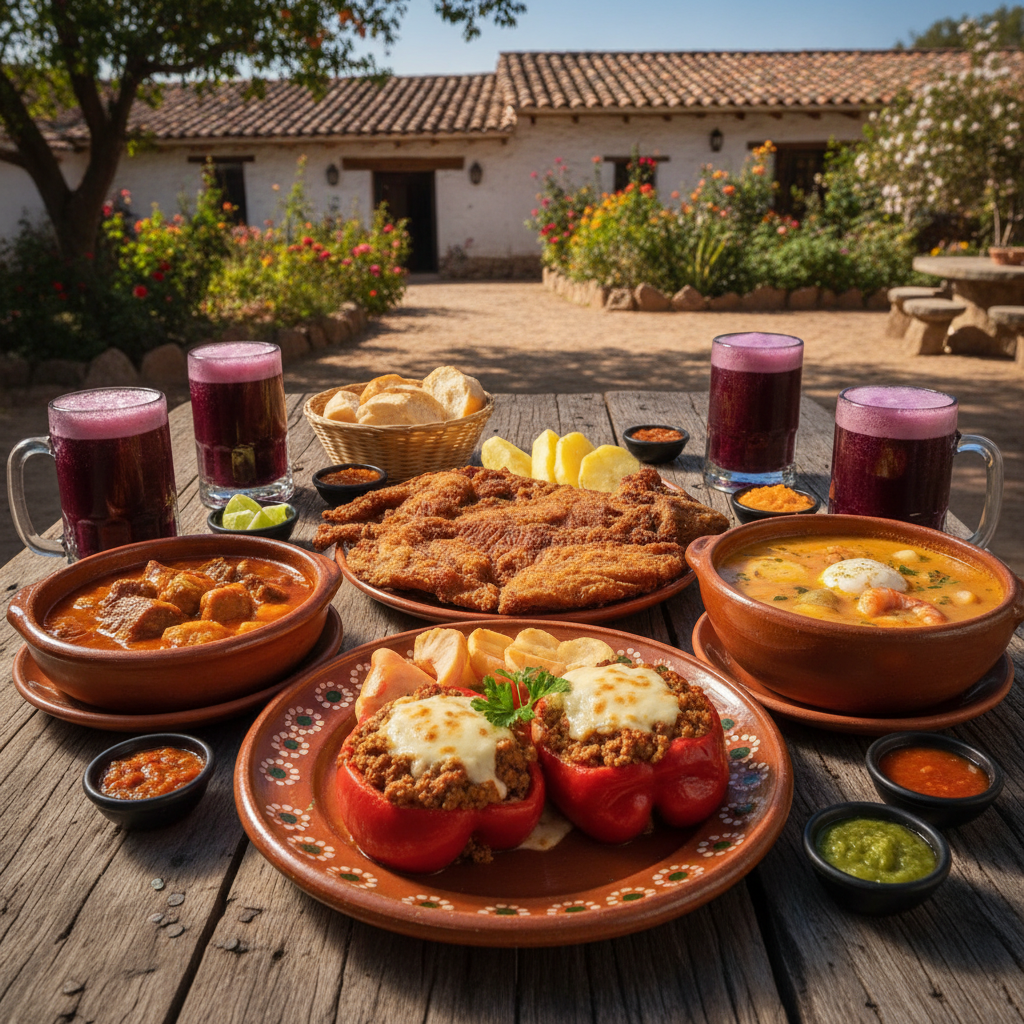
Arequipa Cuisine: Peru's Second Capital of Gastronomy
Collagua Textiles: The Living Art of the Colca Valley
Climbing El Misti: The Volcano Above Arequipa
Arequipa: Peru's White City Under Three Volcanoes