Nukus Cold War Vozrozhdeniya Island Bioweapons
Explore the Cold War history around Nukus — the Vozrozhdeniya Island (Resurrection Island) in the former Aral Sea that served as the Soviet Union's main biological weapons testing ground, the site where anthrax, plague, and smallpox weapons were developed and tested, now accessible as a peninsula since the sea level dropped, and the complex legacy of Soviet military activity in this remote region.
- 1
Vozrozhdeniya Former Island
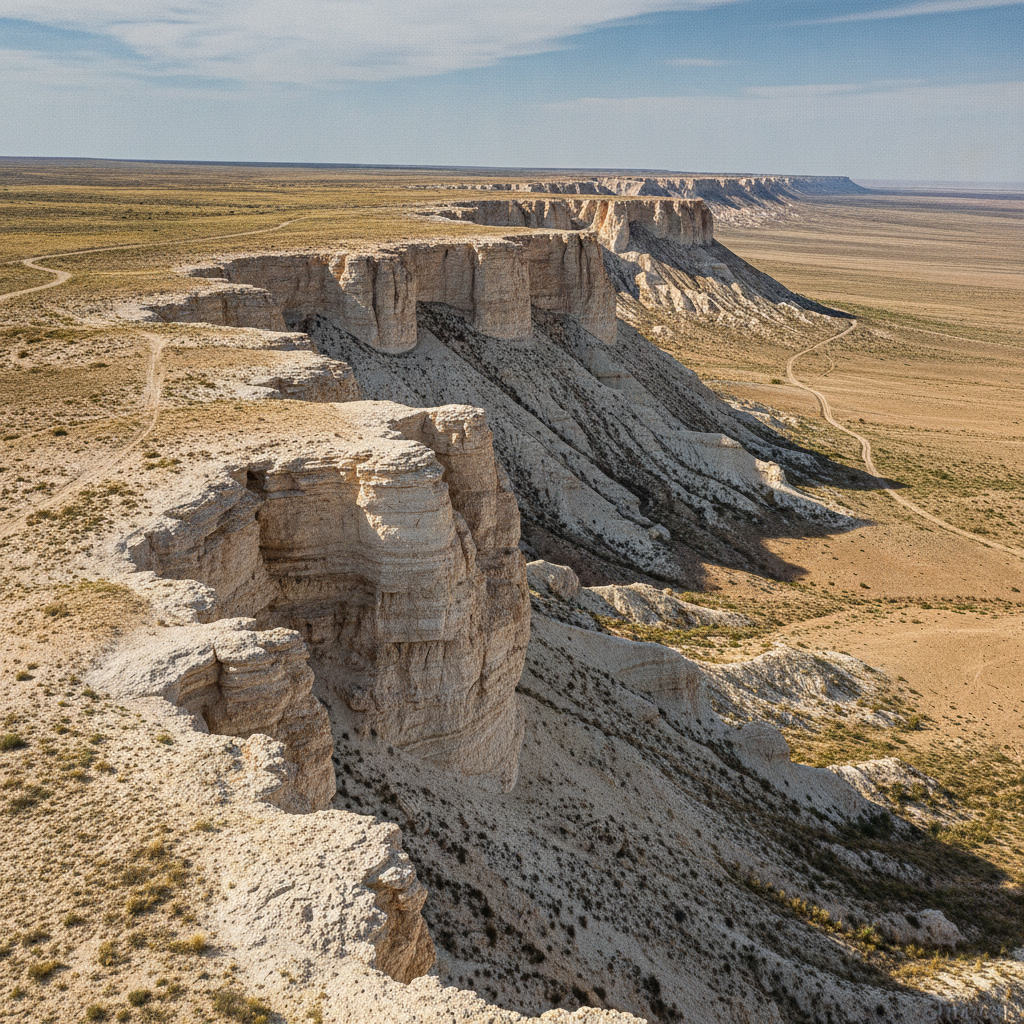
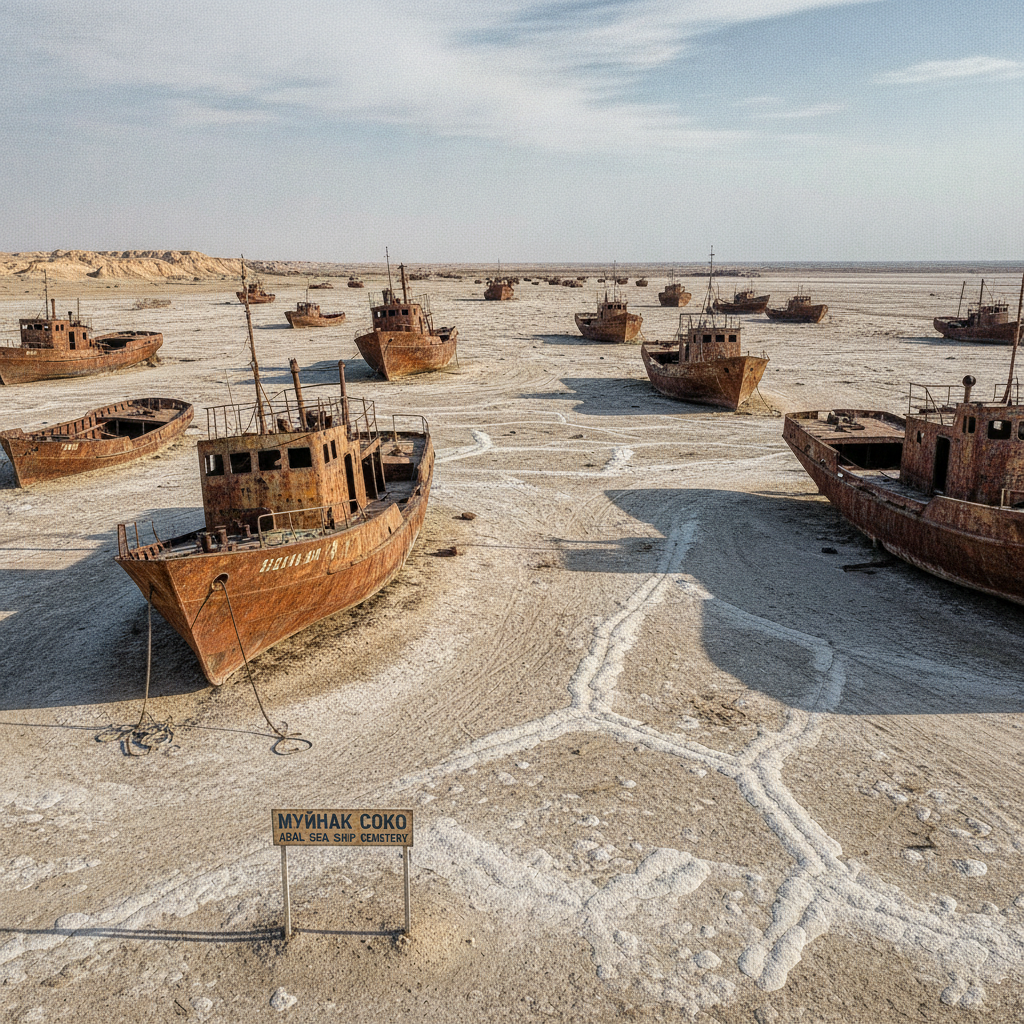
Vozrozhdeniya — the former island in the Aral Sea that housed the Soviet Union's largest open-air biological weapons testing ground from the 1930s to 1992, the site of Aralsk-7 research facility where agents including anthrax, plague, brucellosis, and typhus were weaponized and tested on animals, the island now connected to the mainland as the sea receded.
- 2
Soviet Bioweapons Program History
The Soviet bioweapons program history associated with the Nukus region — the Biopreparat agency that ran the biological weapons complex employing up to 60,000 scientists across the Soviet Union, the Vozrozhdeniya Island facility representing the field-testing component of a program that violated the 1972 Biological Weapons Convention to which the Soviet Union was a signatory.
- 3
1992 Anthrax Decontamination
The 1992 anthrax decontamination of Vozrozhdeniya Island — the US-Uzbek cooperative program to decontaminate the anthrax spore burial sites on the island following the Soviet collapse, the operation carried out in 2002 to neutralize the remains of tons of weaponized anthrax dumped in trenches in 1988, the decontamination program that removed but did not fully eliminate the biological hazard.
- 4
Aral Sea Military History
The Aral Sea military history beyond Vozrozhdeniya — the Soviet nuclear and chemical weapons testing in the broader steppe region around the Aral Sea, the environmental legacy of military activity including rocket fuel contamination, the area that was among the most militarized and simultaneously most ecologically devastated in the Soviet Union.
- 5
Post-Soviet Security Transition
The post-Soviet security transition in the Nukus region — the decommissioning of Soviet military facilities, the conversion of some military infrastructure to civilian use, the cooperation between the newly independent Uzbekistan and Western governments on the remediation of the most dangerous Soviet military legacies in the Karakalpakstan region.
- 6
Current Nukus Strategic Importance
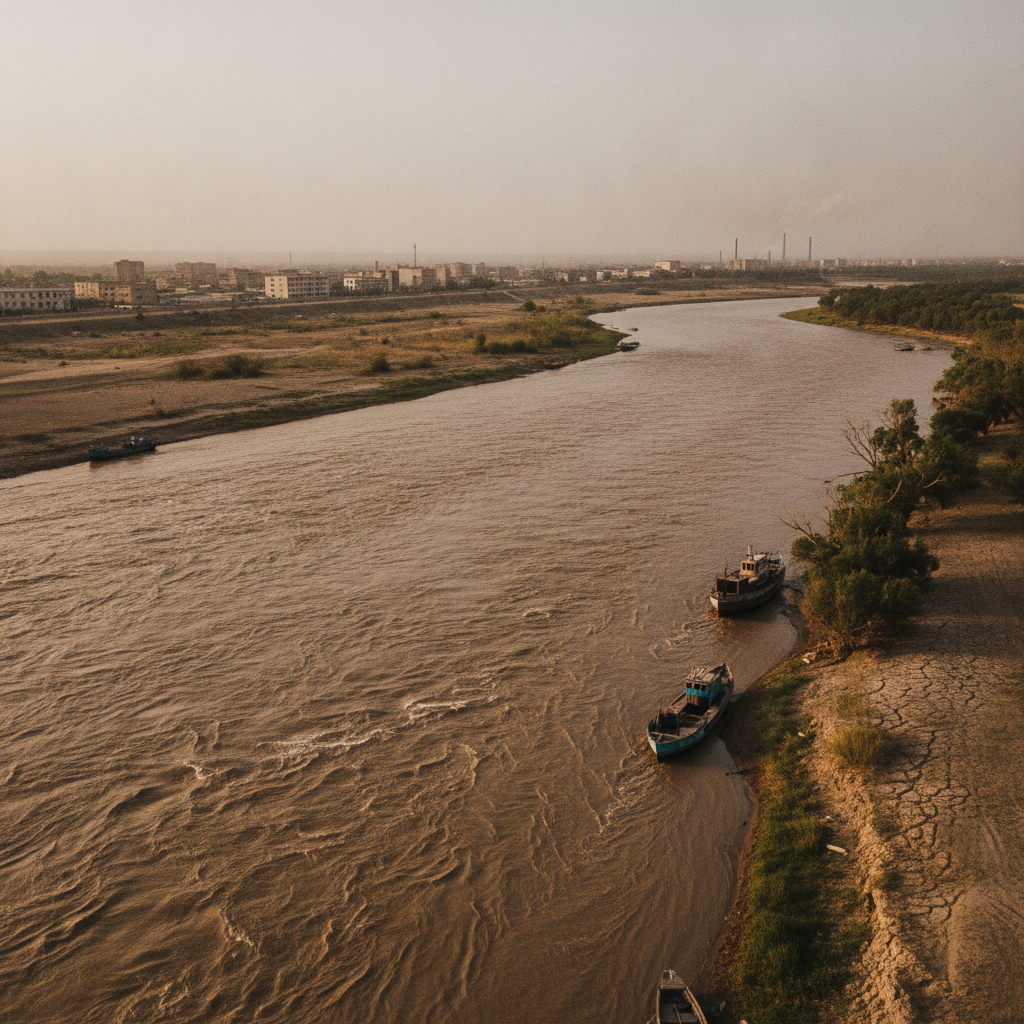
The current strategic importance of Nukus — the city's position on the main transport route between Tashkent and the Aral Sea region, the airport with flights to Tashkent and Moscow serving the administrative functions of the Karakalpakstan capital, the city's role as the gateway to the Aral Sea disaster zone and the Khorezm fortress ruins for the small but growing ecotourism and cultural tourism sector.
Walk this route with audio
Stories play automatically as you reach each stop — no tapping needed.