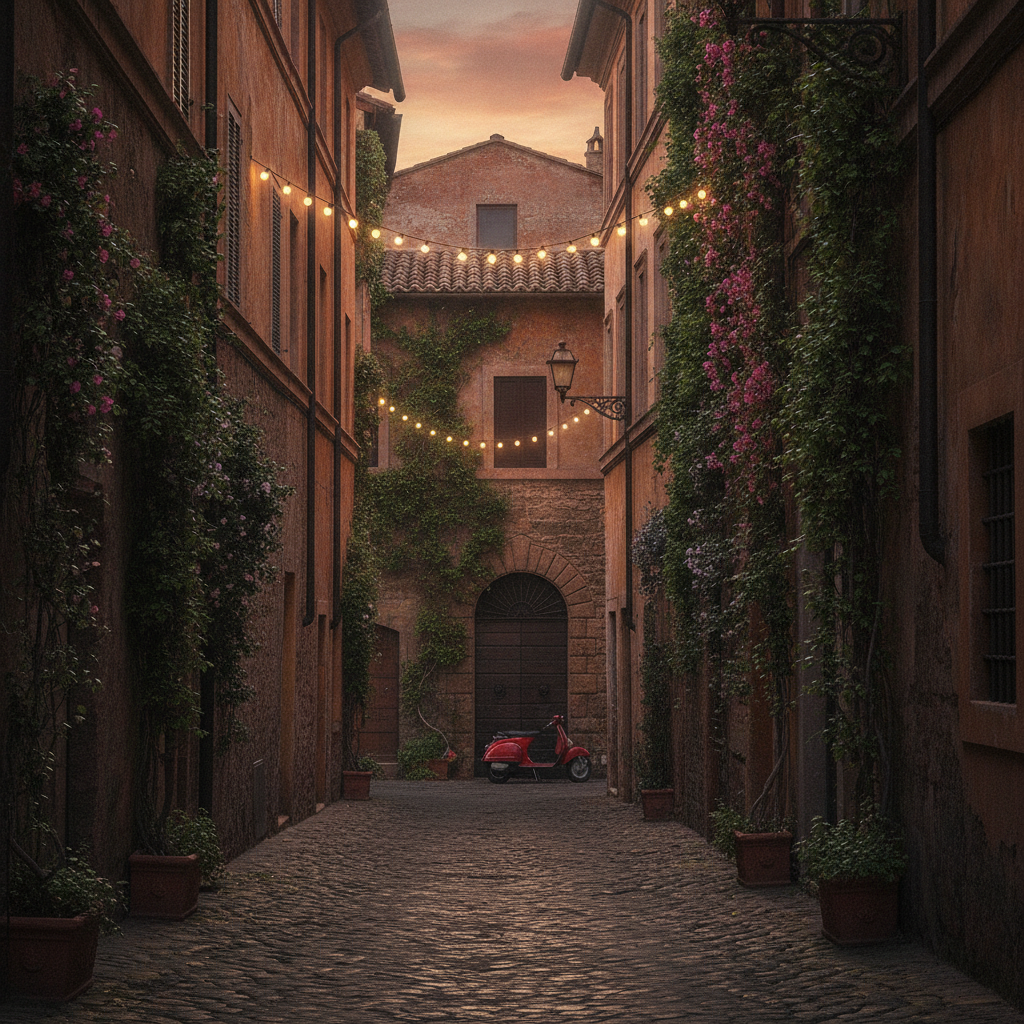

Campo de' Fiori, the Jewish Ghetto & Trastevere: Rome's Most Lived-In Neighborhoods
On the left bank of the Tiber, south of the main tourist circuit, lie Rome's two most atmospheric ancient neighborhoods: the Jewish Ghetto—one of the oldest continuously inhabited Jewish communities in the world (established 161 BC, walled off in 1555, the wall finally demolished in 1888)—and Trastevere ('across the Tiber'), Rome's best-preserved medieval neighborhood, a labyrinth of narrow lanes, ivy-draped walls, and ancient churches where working-class Romans lived for centuries and where the city's social life is now concentrated on summer evenings.
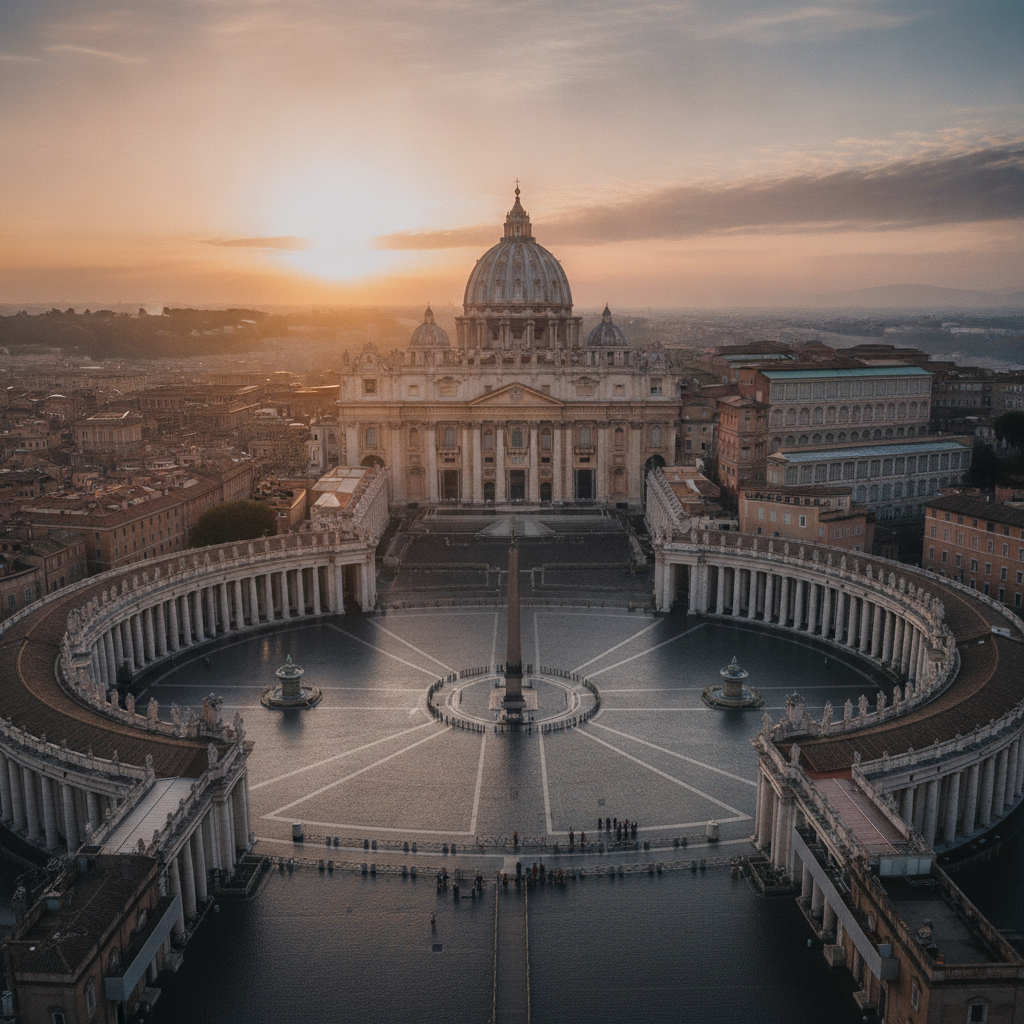
The Vatican, St. Peter's Basilica & Castel Sant'Angelo: The Heart of Christendom from River to Dome
The Vatican is the world's smallest sovereign state (0.44 km²) and the most visited collection of art and architecture on earth. The walk from Castel Sant'Angelo along Ponte Sant'Angelo to St. Peter's Square is one of the most theatrical urban approaches in the world: the river, the bridge with its ten angel statues, the colonnade opening like two great arms—and then Michelangelo's dome, visible for miles across the Roman skyline. The Vatican Museums hold one of the largest and most important art collections ever assembled, culminating in the Sistine Chapel.
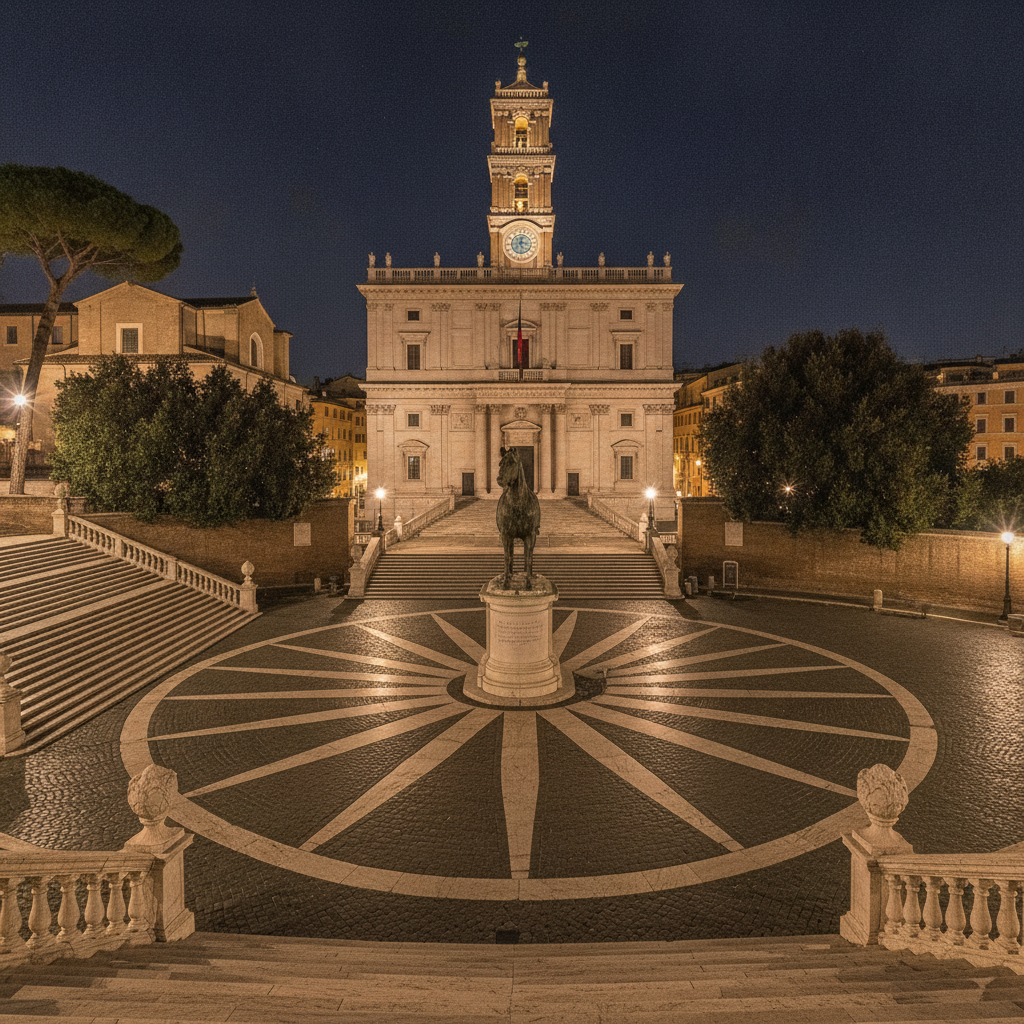
The Capitoline Hill, Trajan's Markets & the Monti Neighborhood: Between Rome's Ancient Power and its Liveliest Quarter
The Capitoline Hill (Campidoglio), the smallest but most symbolically important of Rome's seven hills, was the political and religious center of the Roman world: the Capitolium (temple of Jupiter Optimus Maximus, the supreme deity of the Roman state) stood at its summit; triumphs ended here; generals dedicated their laurel wreaths here. Today it houses the Capitoline Museums—the oldest public museums in the world (founded 1471). At its base, Trajan's Markets preserve the commercial heart of imperial Rome; behind them, the Monti neighborhood is Rome's most popular destination for independent restaurants, bars, and vintage shopping.
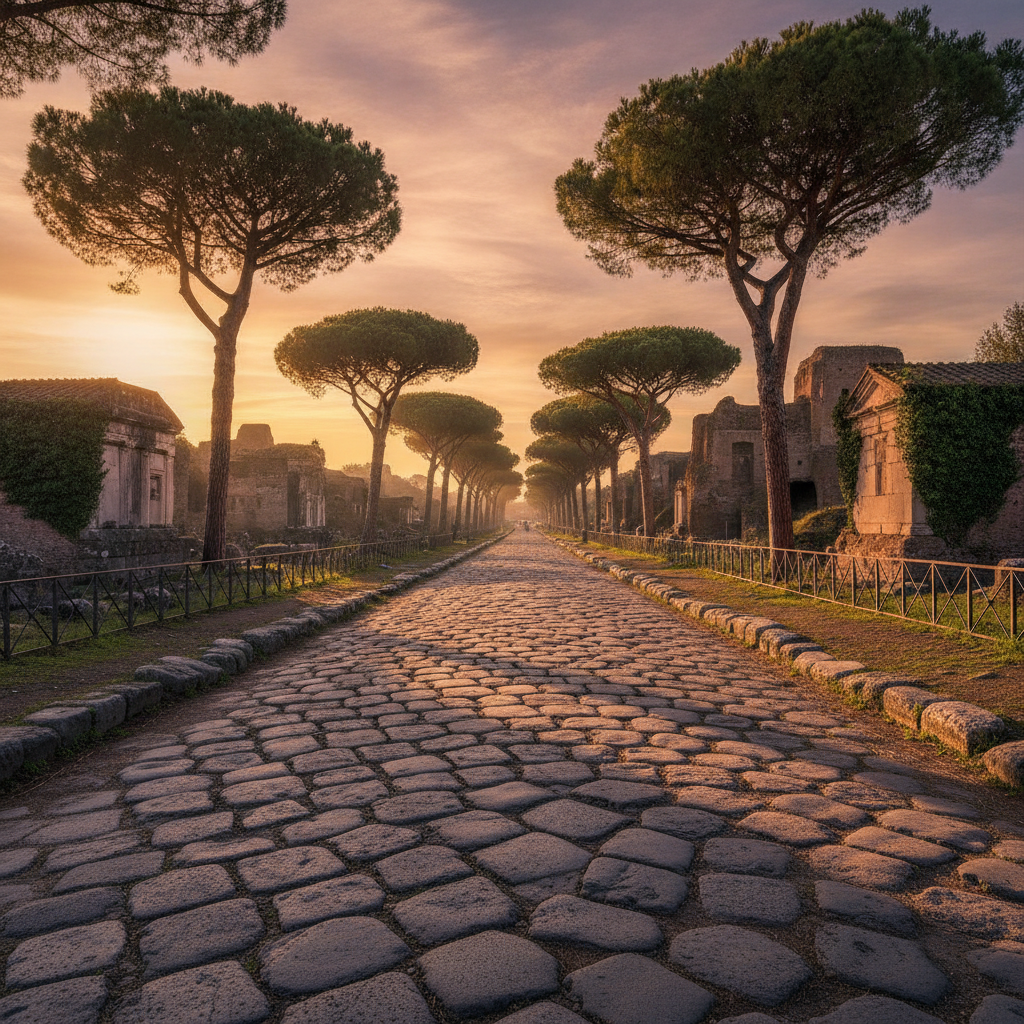
The Appian Way & the Catacombs: Rome's Ancient Road to the Dead
The Via Appia Antica ('Ancient Appian Way'), begun in 312 BC by the Censor Appius Claudius Caecus, was the first and greatest of Roman roads—running 563 km from Rome to Brindisi on the Adriatic coast, and connecting Rome to Greece and the eastern Mediterranean. The stretch immediately outside Rome's Aurelian Wall is lined with ancient Roman tombs (burial inside the city walls was forbidden), which also became the location of the Christian, Jewish, and pagan catacombs. The road is now preserved as a regional park; the original basalt paving stones survive for miles, and the combination of ancient road, tomb monuments, umbrella pines, and the Roman countryside makes this one of the most atmospheric walks or cycling routes in the world.