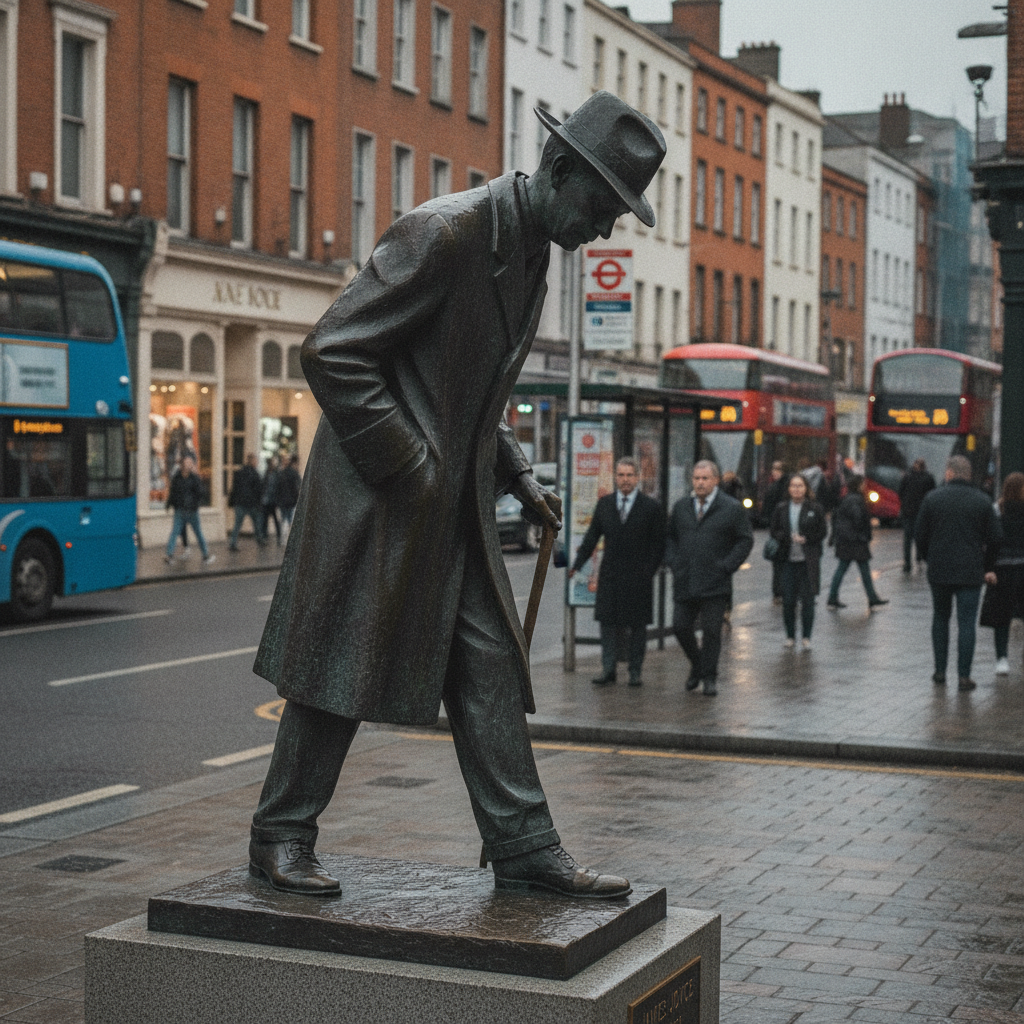

Literary Dublin — Joyce, Beckett, Wilde, Yeats & the Irish Literary Tradition
Dublin has produced a disproportionate share of world literature: four Nobel Prize in Literature laureates (William Butler Yeats (1923), George Bernard Shaw (1925), Samuel Beckett (1969), and Seamus Heaney (1995)), the author of the most important novel in the English language (James Joyce's Ulysses (1922)), the greatest wit in the English literary tradition (Oscar Wilde), and a continuous tradition of literary production that makes Dublin (per capita) the most literary city in the world.
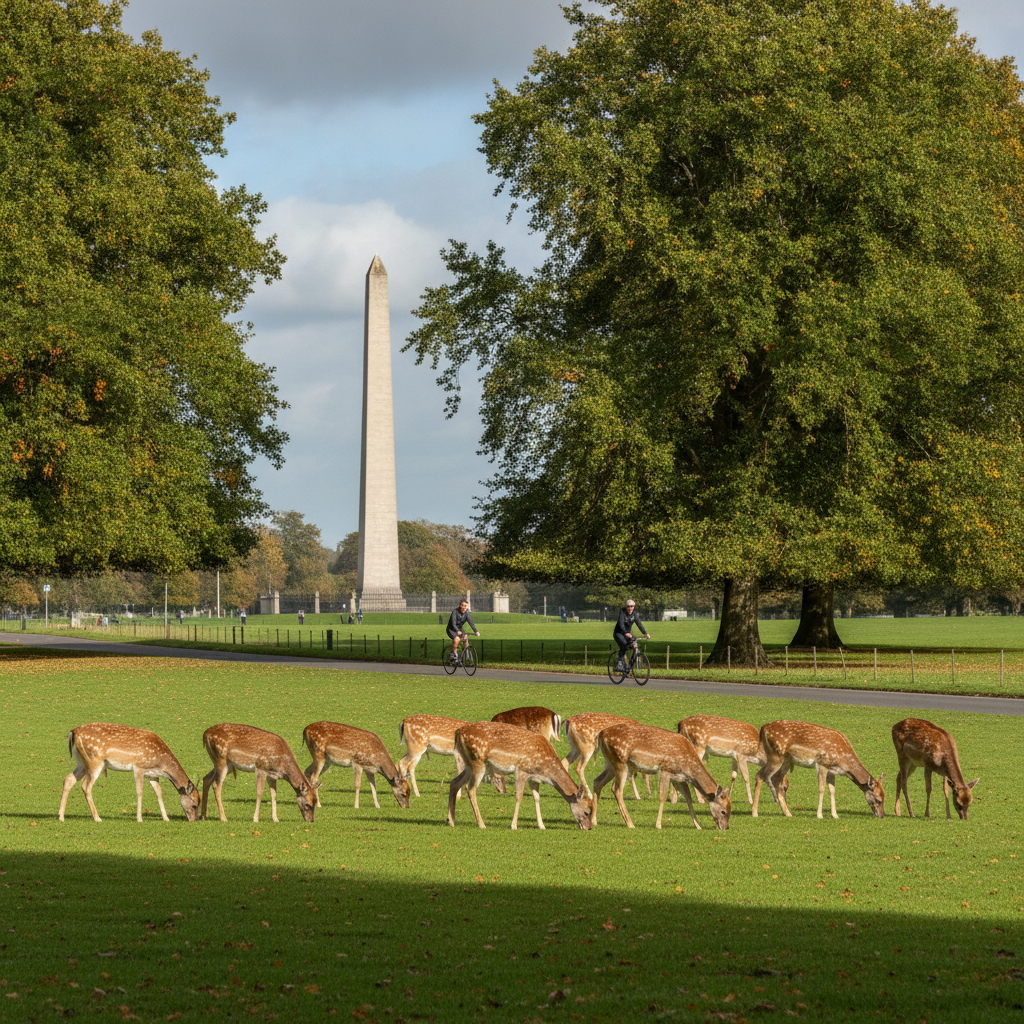
Phoenix Park & Howth Head — Dublin's Natural Escapes
Dublin's natural spaces: Phoenix Park (the 707-hectare public park on the north bank of the Liffey, the largest urban park in any European capital city (larger than Hyde Park, Regent's Park, and the Bois de Boulogne combined), containing the herd of approximately 600 free-ranging fallow deer (established in the 1660s by the Duke of Ormond), Áras an Uachtaráin (the Irish President's residence), the US Ambassador's Residence, Dublin Zoo, and the Wellington Monument) and Howth Head (the rocky peninsula and fishing village 13 km north of Dublin city centre, accessible by DART suburban train).
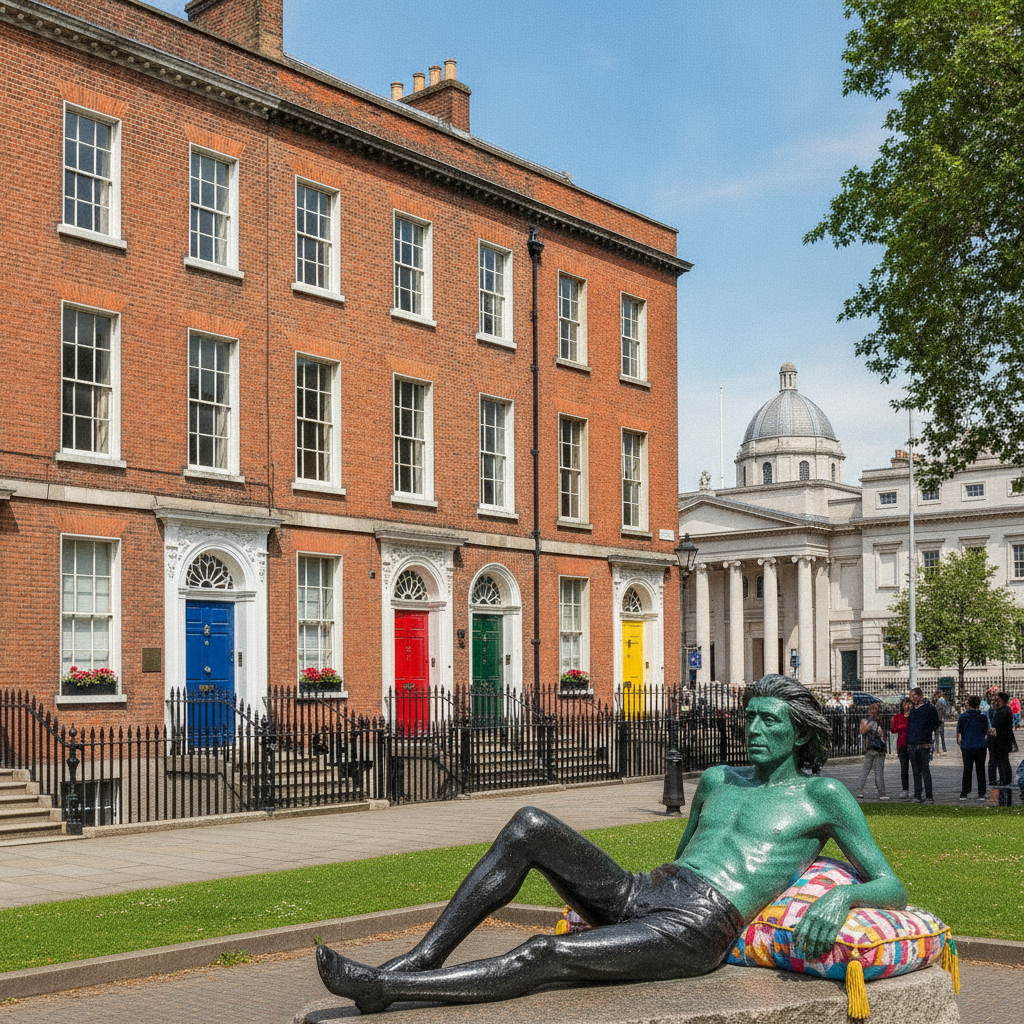
Georgian Dublin — Merrion Square & the Georgian Architecture
Georgian Dublin (the architectural legacy of the 18th century, when Dublin was the second city of the British Empire and one of the wealthiest and most elegant cities in Europe): the Georgian squares of Dublin (Merrion Square, Fitzwilliam Square, St. Stephen's Green, Parnell Square) represent the finest and most coherent Georgian townscape in the world — the characteristic Dublin Georgian terrace (red-brick, doorways with fanlight windows and elaborate plasterwork porticos, cast-iron railings, window boxes, and the distinctive Dublin door (the brightly coloured front doors — each house's door painted a different colour — that have become the defining visual symbol of Dublin)) is a UNESCO-potential landscape.
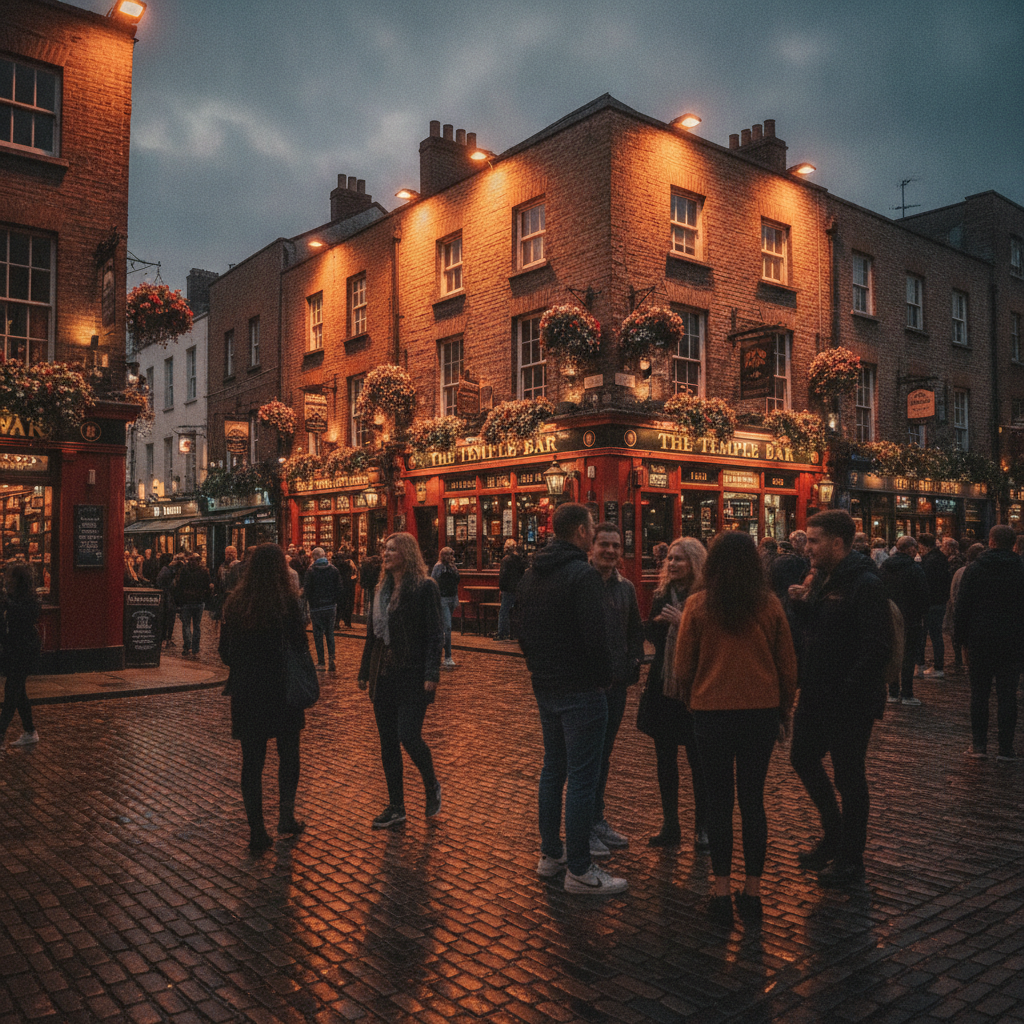
Temple Bar, Trinity College & the Book of Kells — Dublin's Historic Core
Dublin (Baile Átha Cliath — 'Town of the Hurdled Ford' in Irish — the capital and largest city of Ireland, population 1.4 million in the greater Dublin area, situated at the mouth of the River Liffey on the east coast of Ireland): the historic core of Dublin clusters around the south bank of the Liffey — Temple Bar (the cultural and entertainment quarter), Trinity College (Ireland's oldest and most prestigious university, home to the Book of Kells), and Grafton Street (the primary pedestrian shopping street) form the essentials of Dublin's identity.
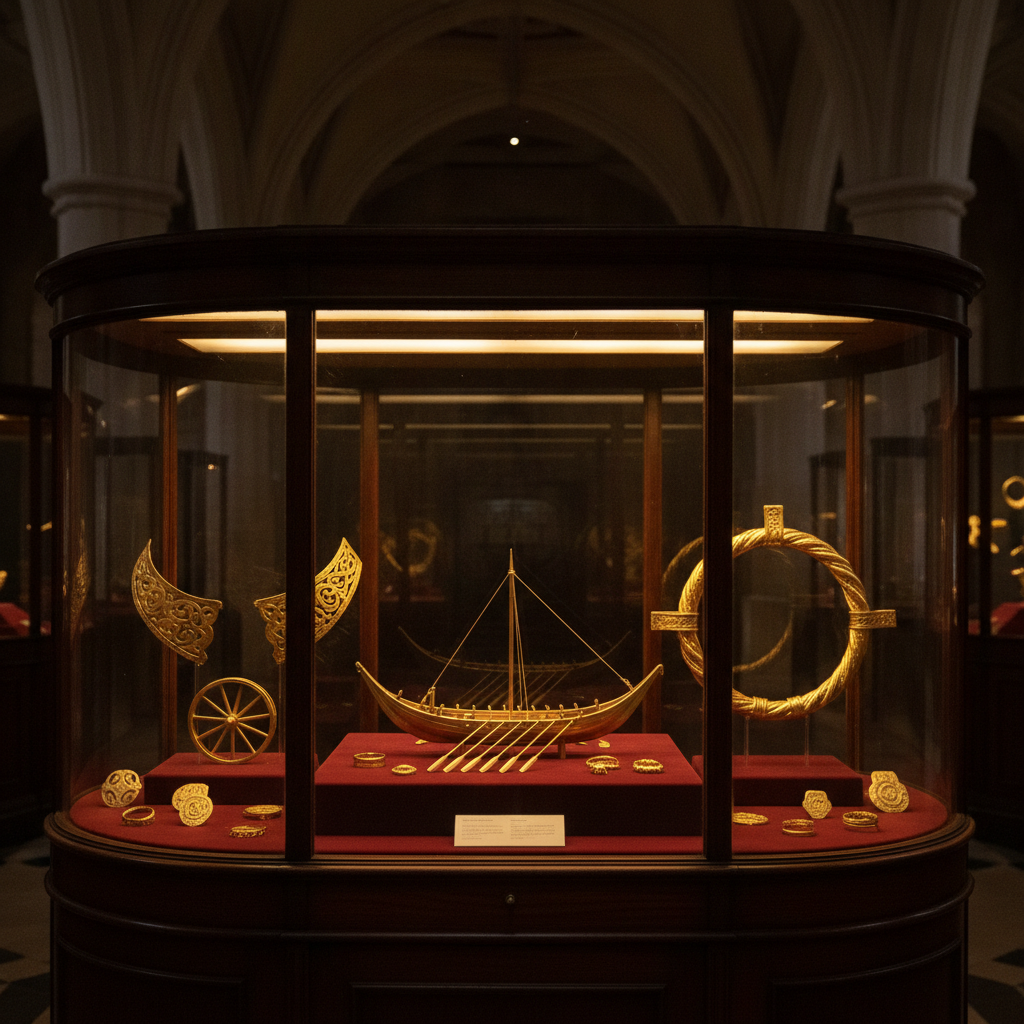
National Museum of Ireland — Bog Bodies, Celtic Gold & Irish Archaeology
The National Museum of Ireland (Archaeology) (Kildare Street — the national archaeology museum, in the Victorian Neoclassical building (1890) designed by Thomas Newenham Deane — the most important collection of Irish archaeological material in the world): the museum's greatest treasures are the bog bodies (the Iron Age human remains preserved in Irish peat bogs — Clonycavan Man, Old Croghan Man, and Cashel Man, the three most important preserved Iron Age human remains in the world, preserved for 2,000 years in the anaerobic, acidic conditions of the Irish boglands), the Celtic gold (the Treasury gallery — the largest collection of prehistoric gold in Western Europe, including the Broighter Gold hoard (100 BCE), the Gleninsheen Collar (800 BCE, the finest Late Bronze Age gold gorget in the world), and the Ardagh Chalice).