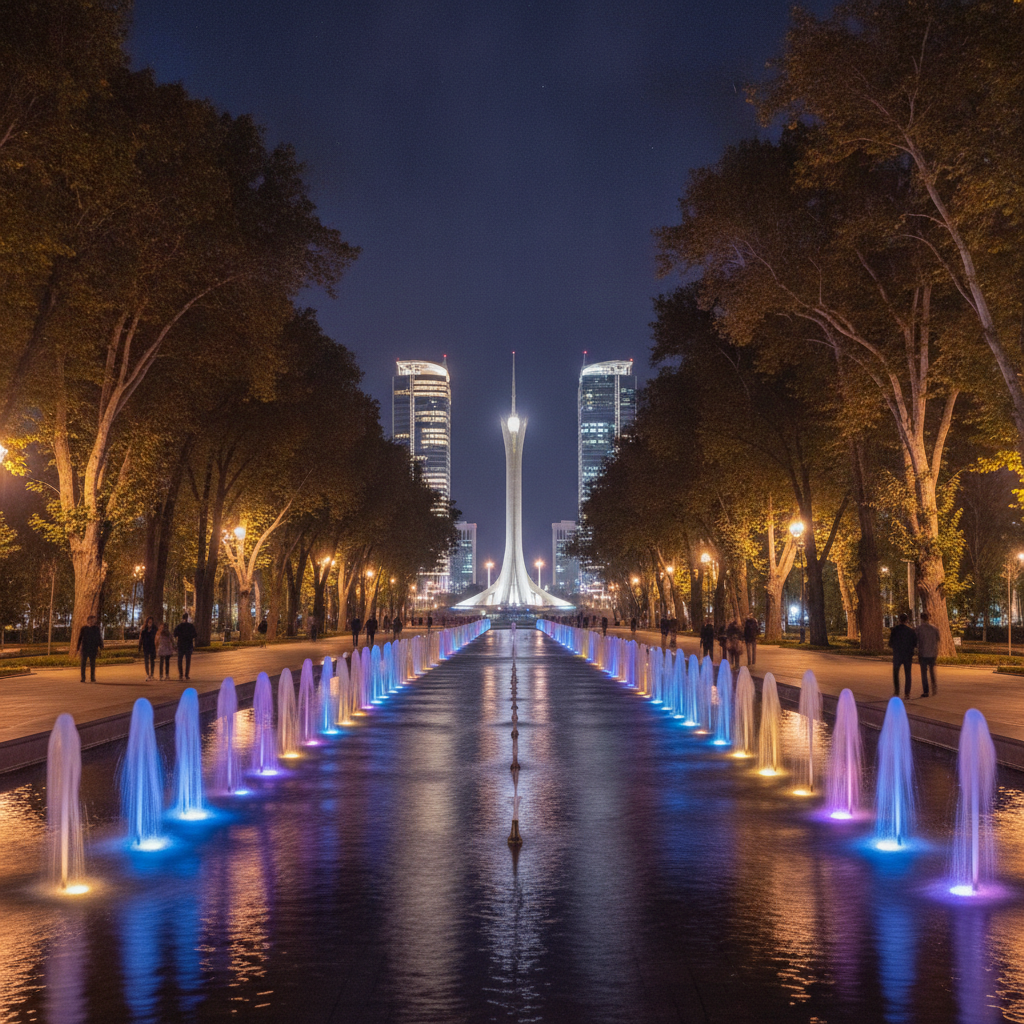
The Unauthorized Military Conquest Ratified Because the Tsar Couldn't Undo It, the Cotton Boycott by 250 International Brands & the IT Park Targeting USD 5 Billion in Exports From a USD 300 Million Base
General Chernyayev's unauthorized 1865 capture of Tashkent ratified by the Tsar as a fait accompli; the Cotton Campaign's 250-brand boycott forcing Uzbek labor reform by 2022; the IT Park's 600+ companies targeting USD 5 billion exports from a USD 300 million base; the Rishtan ceramics white clay producing the signature cobalt-blue lagans; Tashkent having the highest urban green space per capita of any Central Asian capital; and the Navoi Theatre opera tickets at USD 5-20 as the most affordable grand opera in Central Asia.
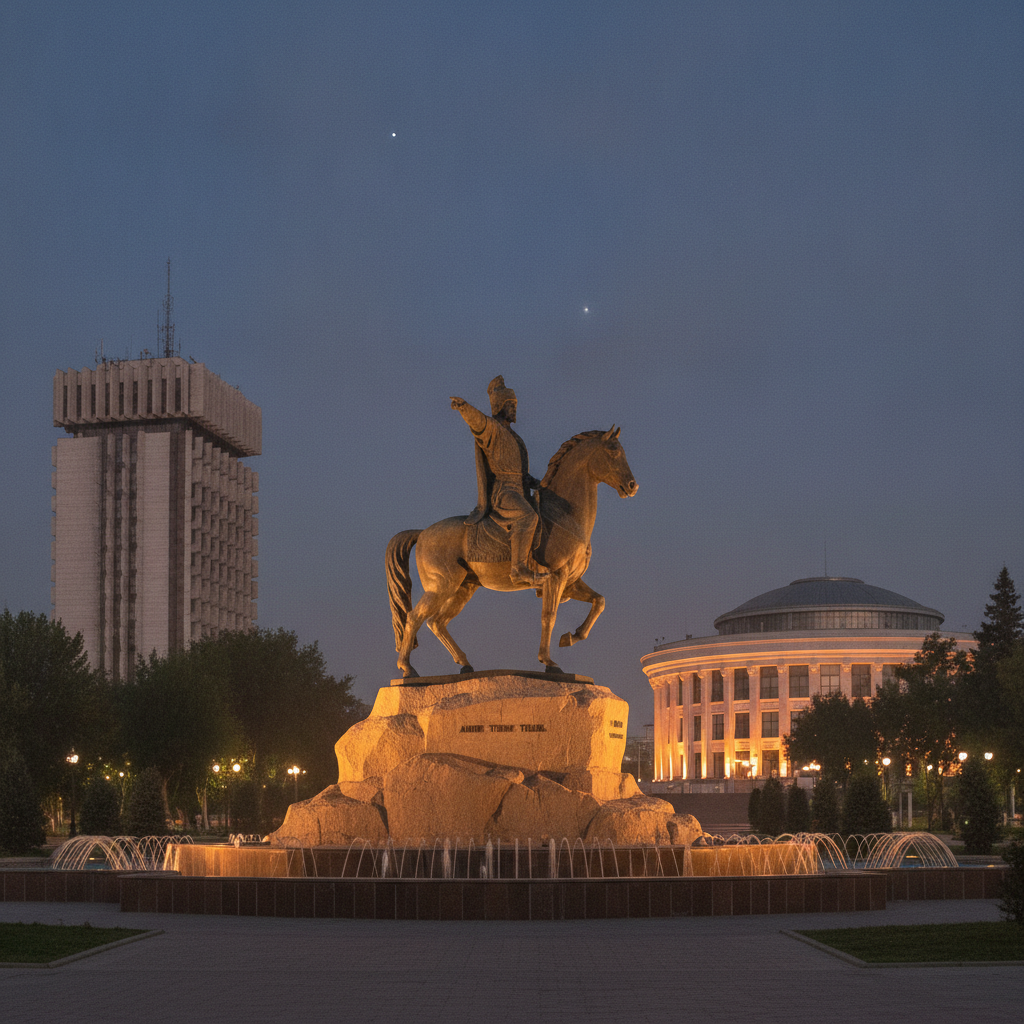
The Battle of Ankara Where Timur Captured the Ottoman Sultan, the Solar Furnace That Reaches 3,000°C Using Only Mirrors & the Hashar Community Labor Tradition Where Neighbors Build Your House Together
The 1402 Battle of Ankara as the most complete Ottoman military defeat before the 20th century and the only time an Ottoman Sultan was captured; the Parkent Solar Furnace's 2-acre parabolic mirror array reaching 3,000°C for materials testing; the hashar collective labor tradition as the most direct expression of Uzbek mahalla community bonds; the Children's Railway operated by actual 14-17 year old student railway workers since 1935; sumalak cooked for 24 hours with women singing while stirring as Nowruz's most labor-intensive food tradition; and Tashkent for Silk Road culture vs. Almaty for Tian Shan mountains as the Central Asia comparison.
The Quran Stained With the Caliph's Blood Returned by Lenin, the Earthquake That Killed 10 People While Destroying 100,000 Homes & the Metro Banned From Photography for 40 Years Due to Nuclear Shelter Function
The Othman Quran stained with Caliph Uthman's 656 CE assassination blood returned by Lenin in 1924 as a political gesture; the 1966 earthquake killing only 10 people from 100,000 destroyed homes because it struck at dawn; the Tashkent Metro photography ban lifted in 2018 due to the stations' civil defense shelter designation; the Tashkent Plov Centre's daily kazan sold out by noon; the Afrosiyob high-speed train to Samarkand in 2h10m; and Uzbek Som convertibility restored only in 2017 after 25 years of black market exchange.
The 2,500-Year Jewish Community Now Mostly in Queens New York, the Fedchenko Glacier Retreating 1.3 km Since 1990 & the Authentication Trick of Turning the Suzani Over to Check the Back
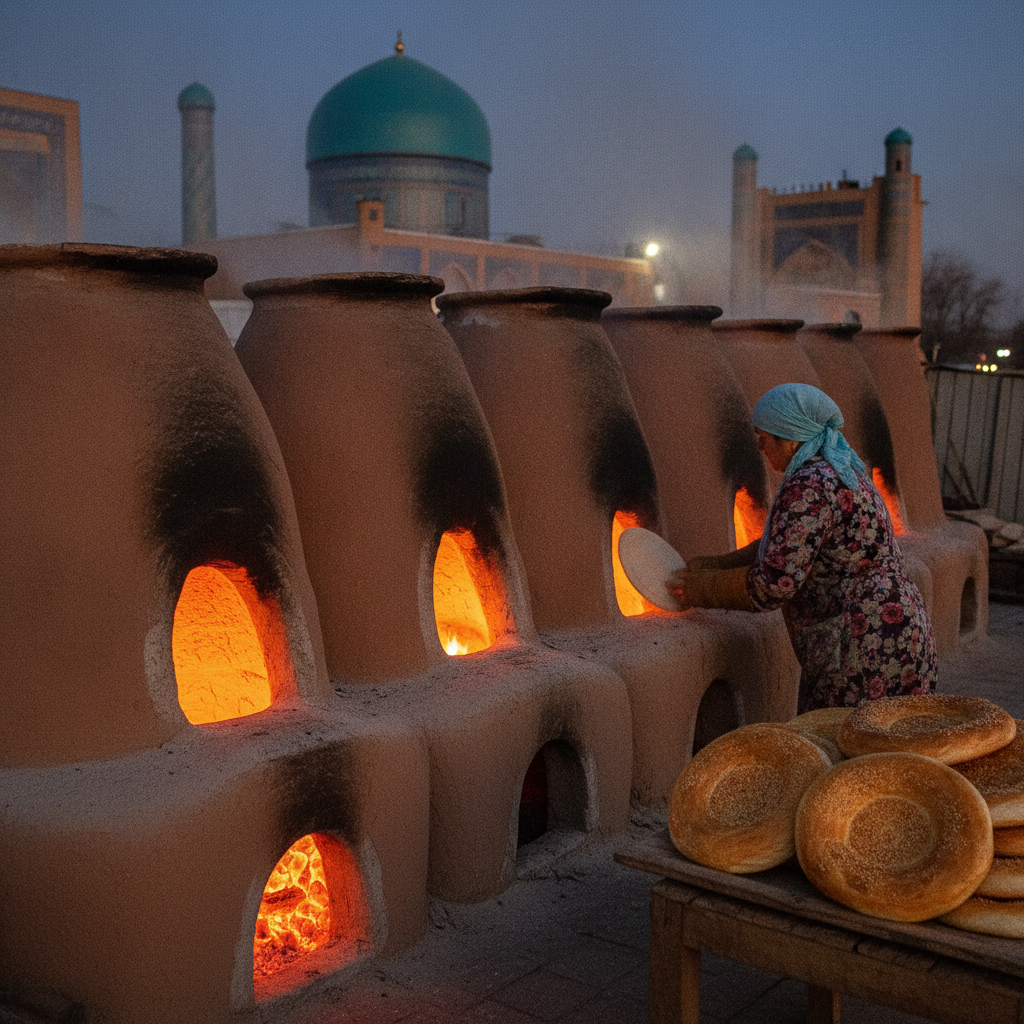
The Bukharan Jewish community's 2,500-year presence in Central Asia now concentrated in Rego Park Queens with 50,000-80,000 members; the Fedchenko Glacier retreating 1.3km since 1990 threatening the Chirchiq River supply for Central Asia's largest city; suzani authentication by inspecting the reverse for hand tied-off thread sections vs. machine lock-stitches; the Samarkand lepeshka at 50-60cm as the largest and most celebrated Uzbek bread variety; Marco Polo sheep in the Ugam-Chatkal National Park 80km from Tashkent; and the Bukhara converted caravanserai guesthouses at USD 40-80 as the most distinctive accommodation in Central Asia.
The Cotton Monoculture That Emptied the World's 4th Largest Lake, the Rusting Ship Fleet Stranded 100 km From the Sea & the Suzani Embroidered Collectively by Every Woman in the Bride's Family
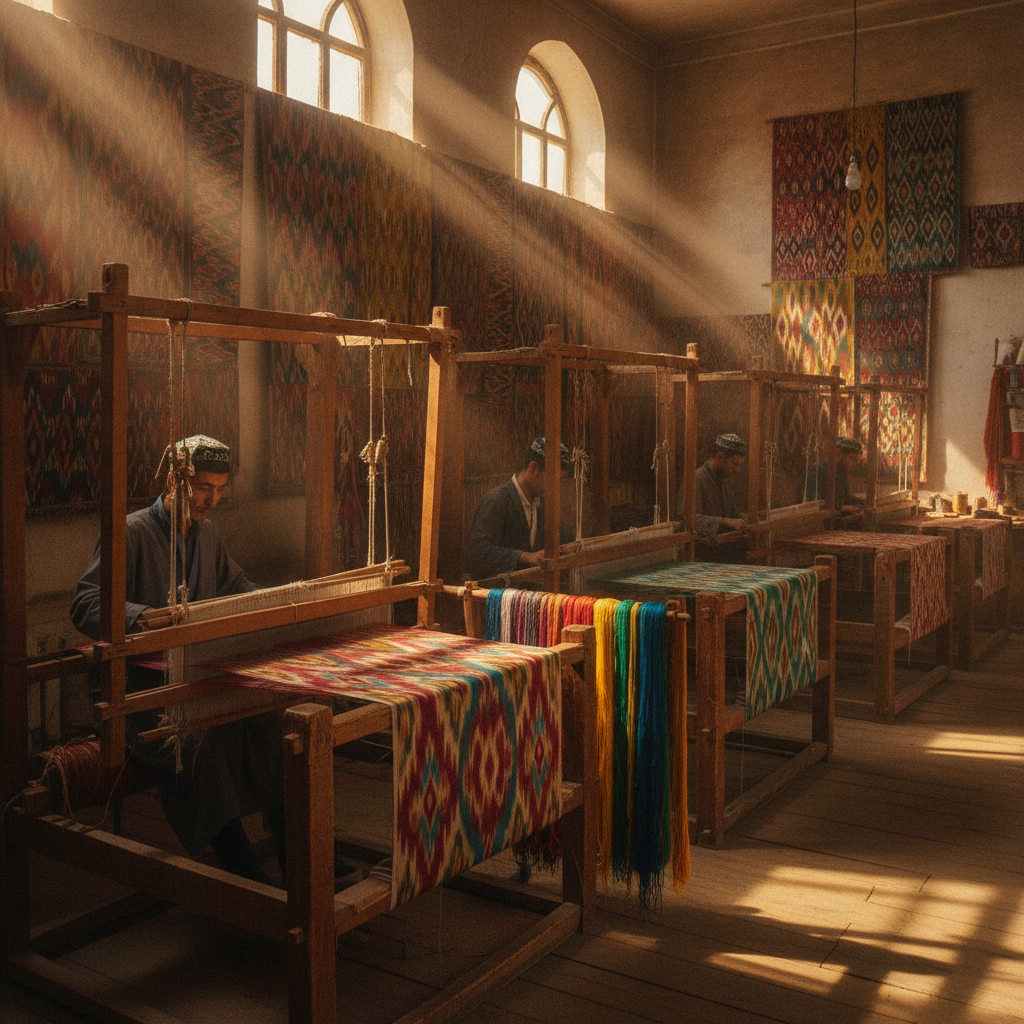
The Soviet cotton irrigation diversion reducing the Aral Sea from 68,000 km² to near-zero; the Moynaq fishing fleet rusting in salt desert 100km from the former coastline; the suzani embroidered collectively by the bride's female relatives as the most significant dowry element; the Yodgorlik Factory as the last authentic ikat hand-loom operation in Central Asia; the Plov Centre's daily kazan sold out by noon requiring pre-noon arrival; and Tashkent as the hub for the 2h10m Afrosiyob express circuit to Samarkand and Bukhara.
The 172,000 Koreans Deported to Central Asia in 3 Weeks Who Taught Fergana Valley Farmers How to Grow Vegetables, the Poet Who Proved Chaghatai Turkic Was Equal to Persian & the Globe Building on Independence Square
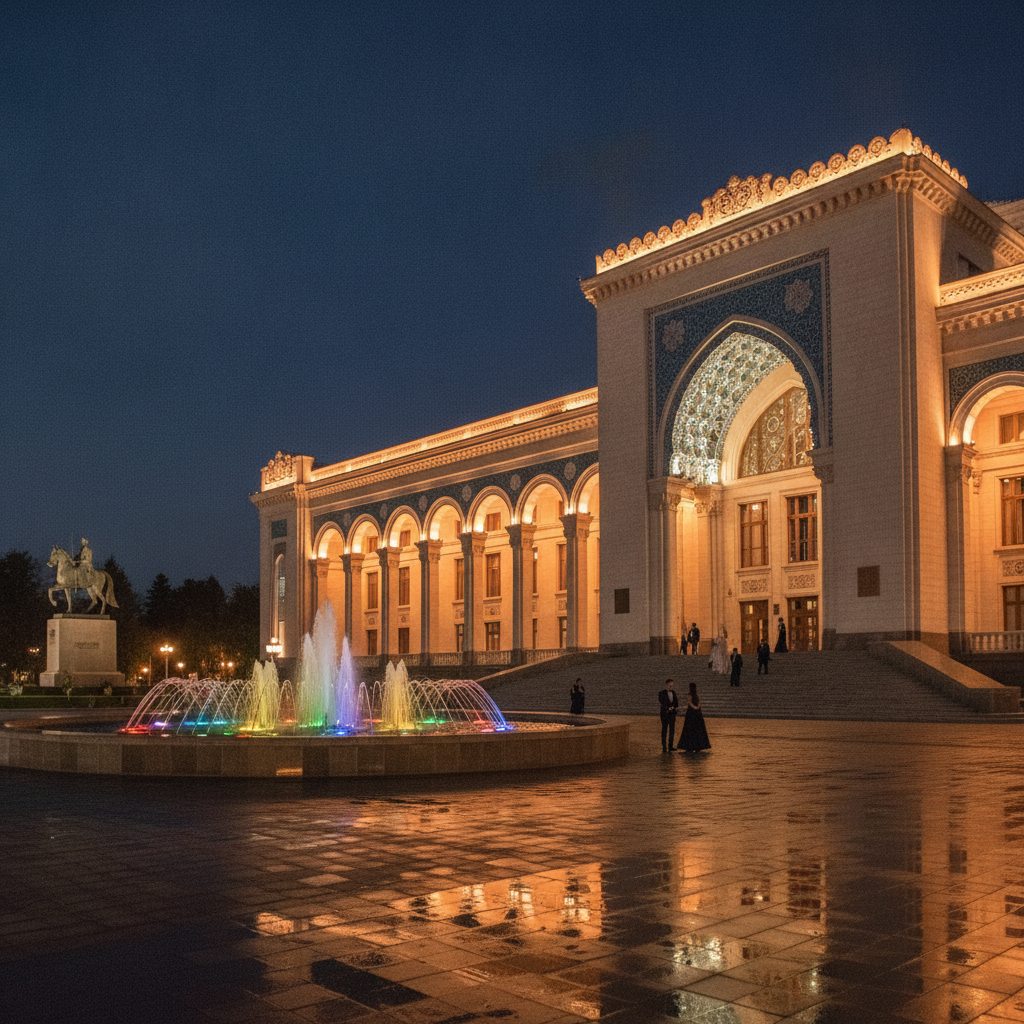
Stalin's 1937 3-week deportation of 172,000 Koreans to Central Asia due to suspected Japanese spy risk; the Koryo-Saram market gardening techniques improving Fergana Valley vegetable production as the most economically consequential cultural contribution; Navoi's Khamsa proving Chaghatai literary equality with Persian; the Chach mint coins as the primary evidence of Tashkent's 4th-8th century Silk Road commercial importance; the 2016 Karimov death triggering the most significant Central Asian cultural liberalization; and the Som convertibility restored in 2017 ending 25 years of mandatory black market exchange.