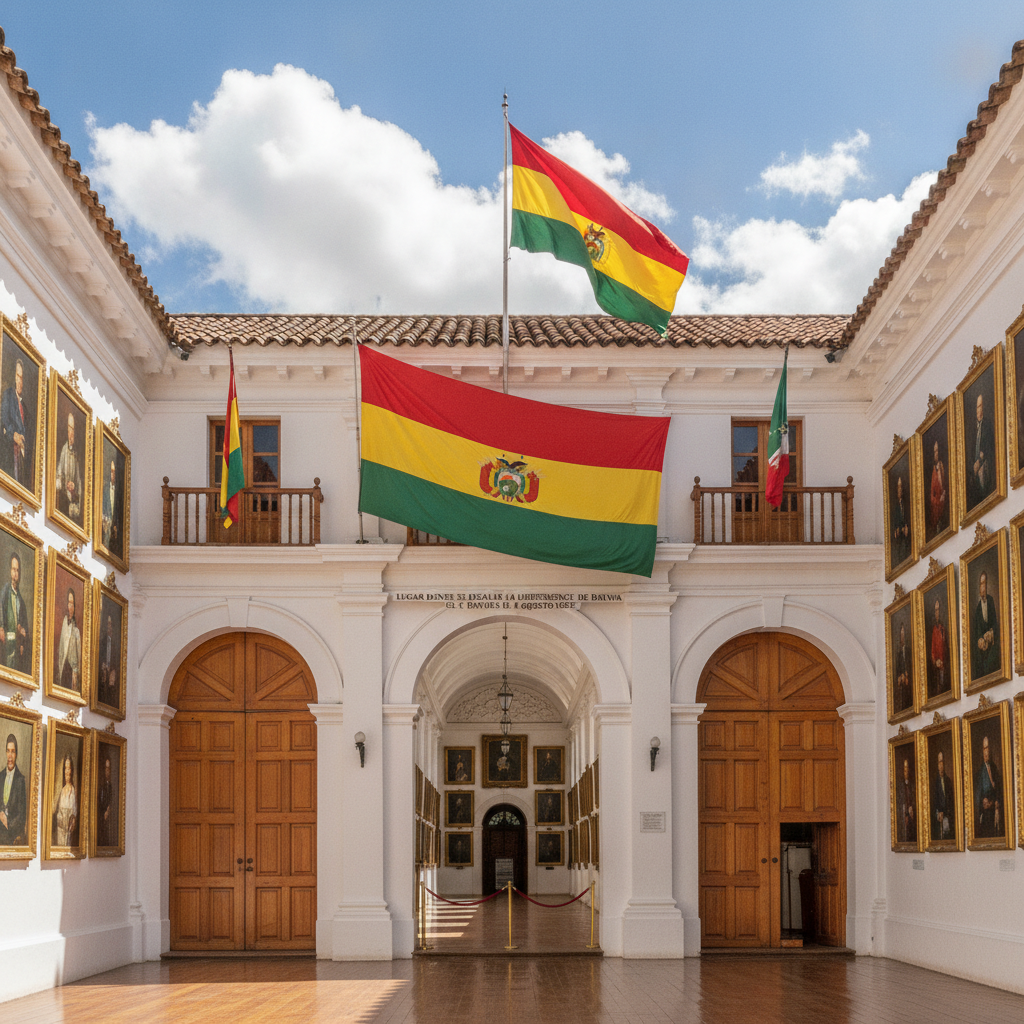

Sucre: Birthplace of Bolivia
Sucre was the centre of Bolivia's independence movement — the city's university, its Jesuit college, and its educated elite produced the ideas and the leaders that broke the Spanish colonial order; the historic sites of the independence era make Sucre South America's most significant city for independence history
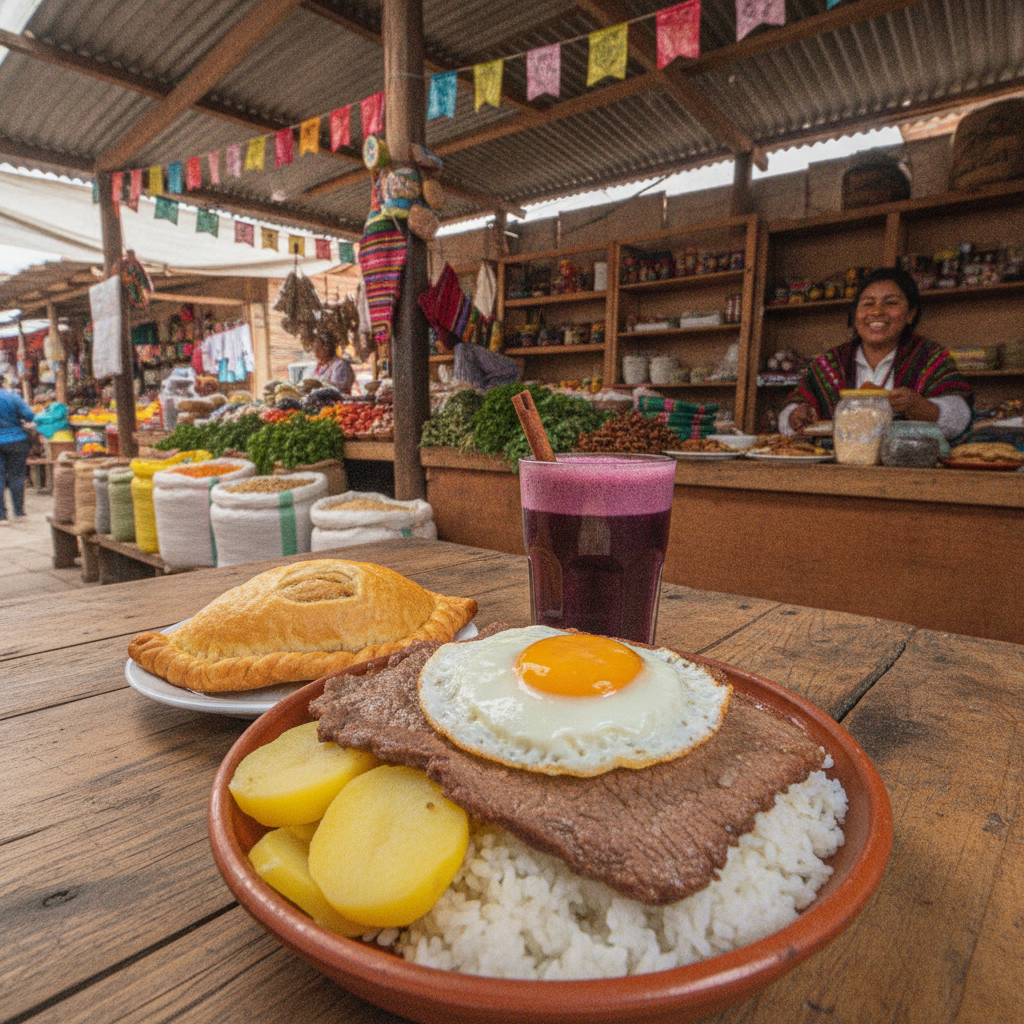
Sucre's Food: Bolivia's Most Refined Cuisine
Sucre is considered the home of Bolivia's finest cuisine — the salteña (Bolivia's beloved stuffed pastry), the silpancho (breaded meat with potato and egg), and the api morado (purple corn drink) are all associated with the Chuquisaca region
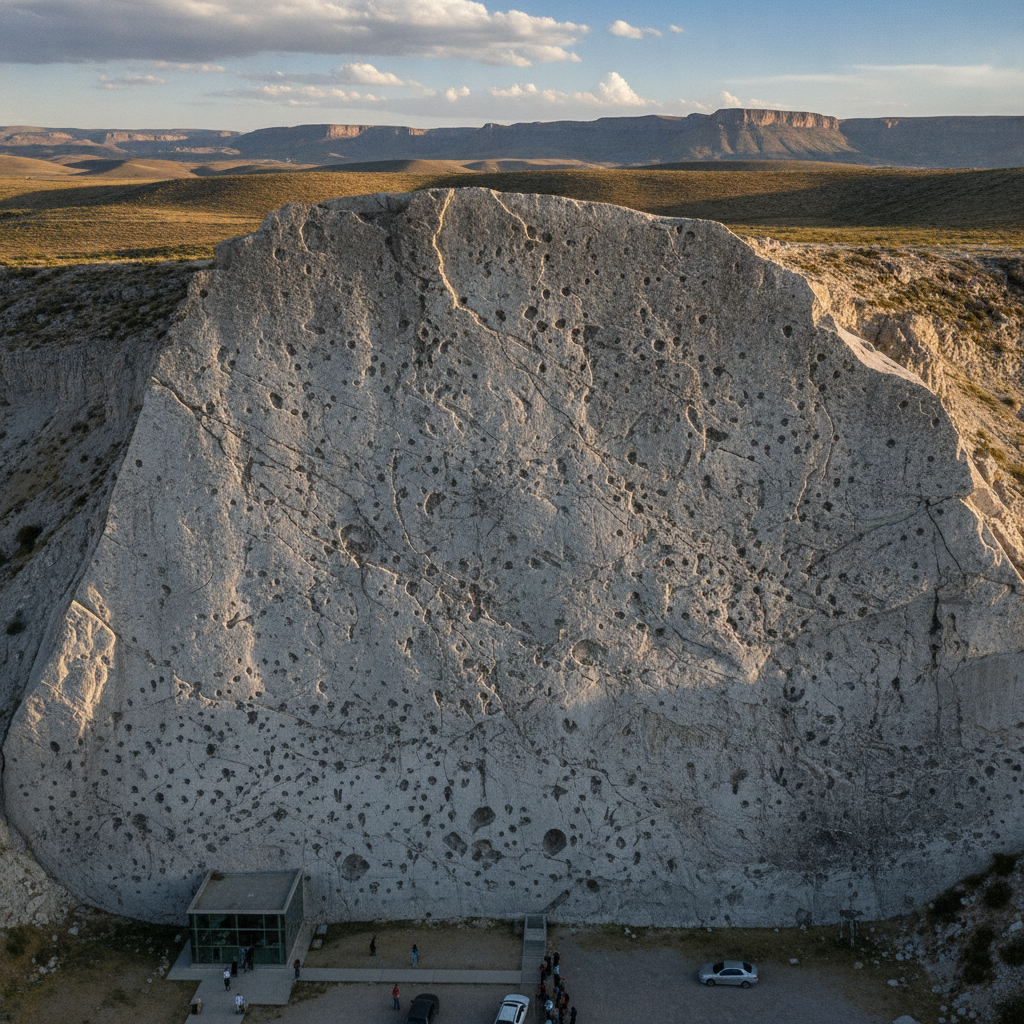
Cal Orcko: The World's Largest Dinosaur Tracksite
Cal Orcko — a limestone cliff 5 km from Sucre — has the world's largest and most diverse dinosaur tracksite; more than 5,000 individual footprints from at least 294 different dinosaurs were made 68 million years ago when the surface was a lake shore
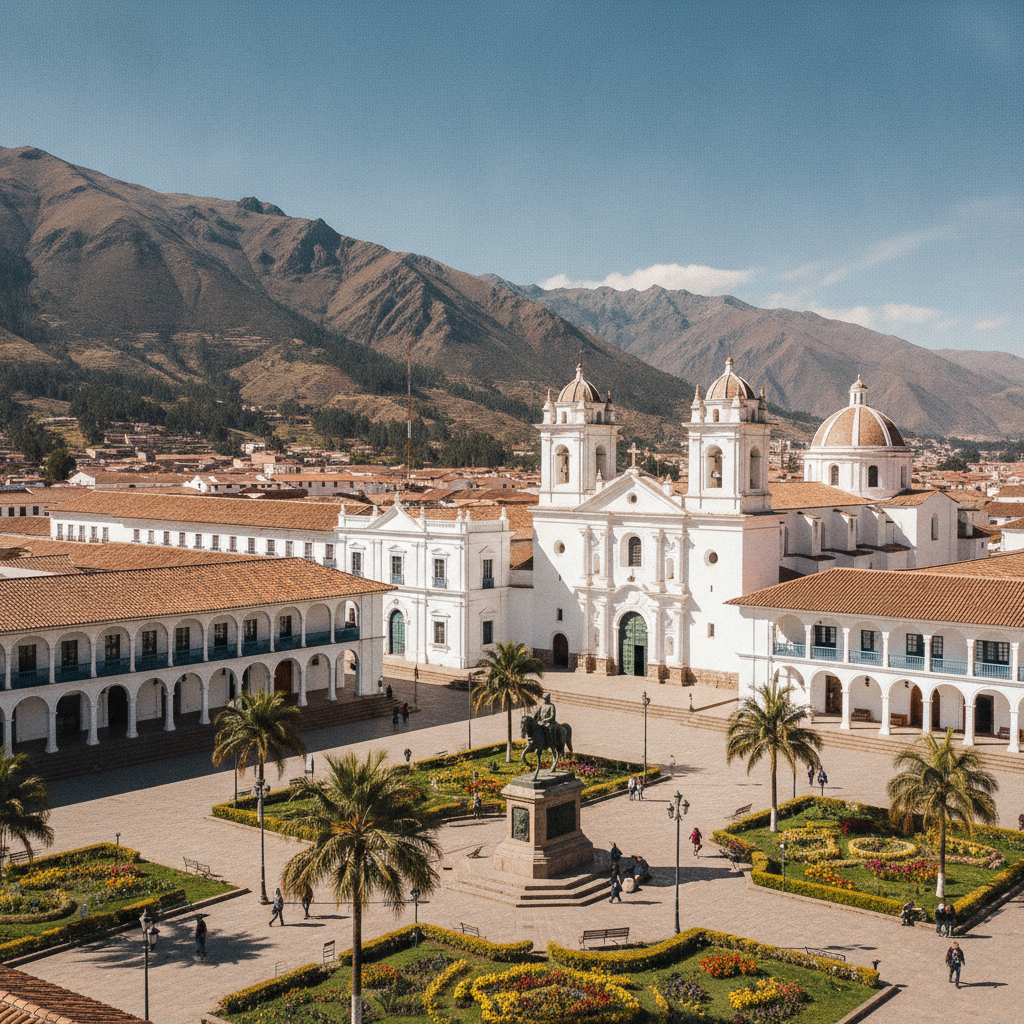
Sucre: Bolivia's White Colonial Capital
Sucre — Bolivia's constitutional capital and UNESCO World Heritage city — is called 'La Ciudad Blanca' (The White City) for its whitewashed colonial architecture; the city where Bolivia declared independence in 1825 preserves the most complete colonial urban fabric in South America
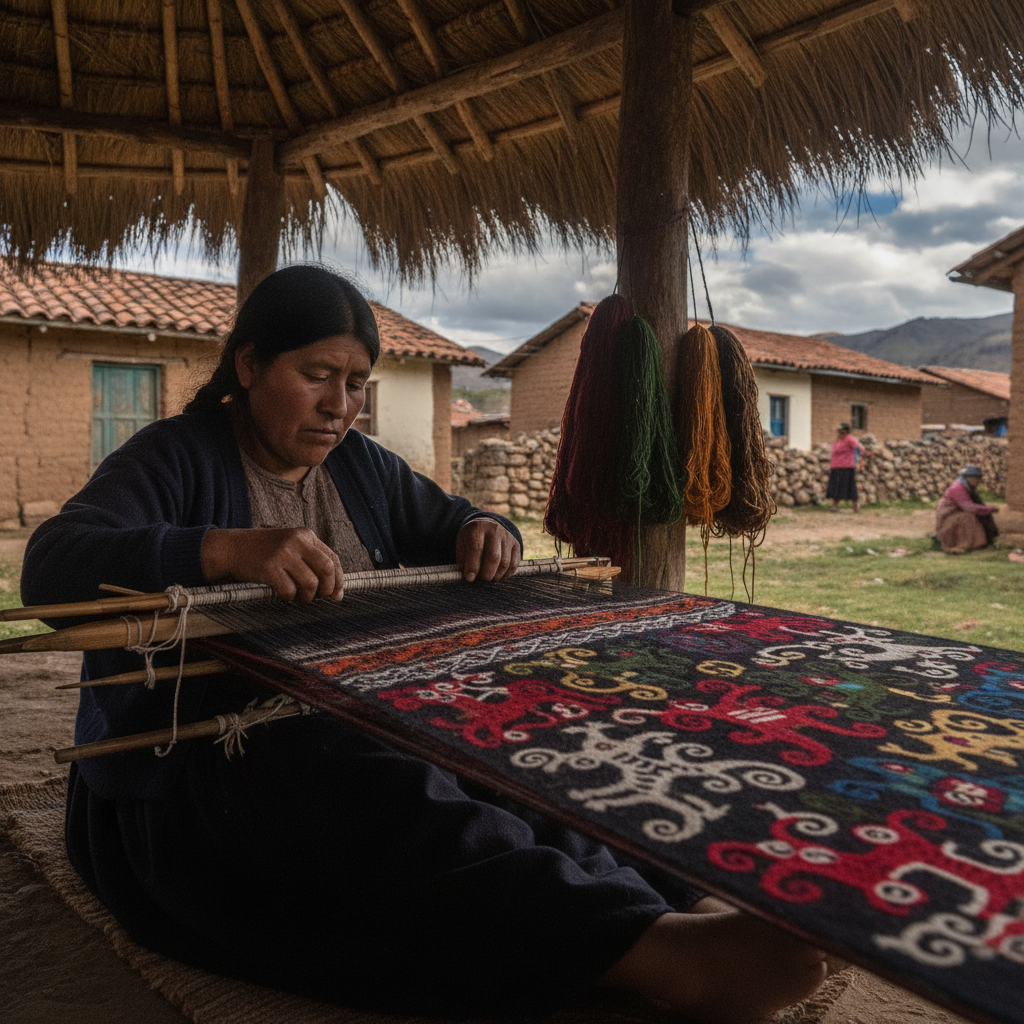
Chuquisaca Textiles: The Jalq'a and Yampara Traditions
The Chuquisaca region around Sucre has two of Bolivia's most distinctive textile traditions — the dark, fantastical Jalq'a weavings and the more colourful, geometric Yampara textiles; both represent living artistic traditions of enormous complexity
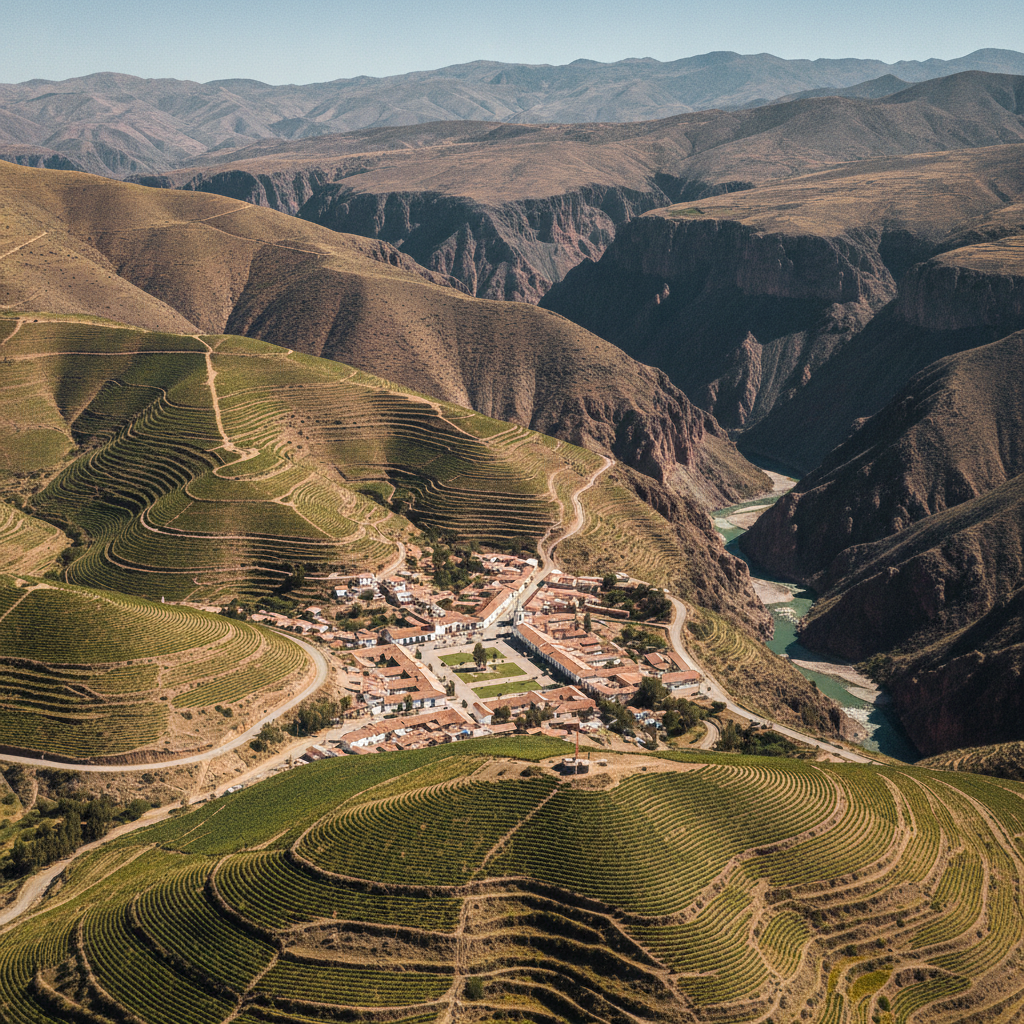
Day Trips from Sucre: Valleys, Vineyards, and Waterfalls
The countryside around Sucre offers remarkable day-trip options — the dinosaur tracks of Cal Orcko, the indigenous market of Tarabuco, the wine valleys of the Cintis, and the Maragua crater are all within 2-3 hours
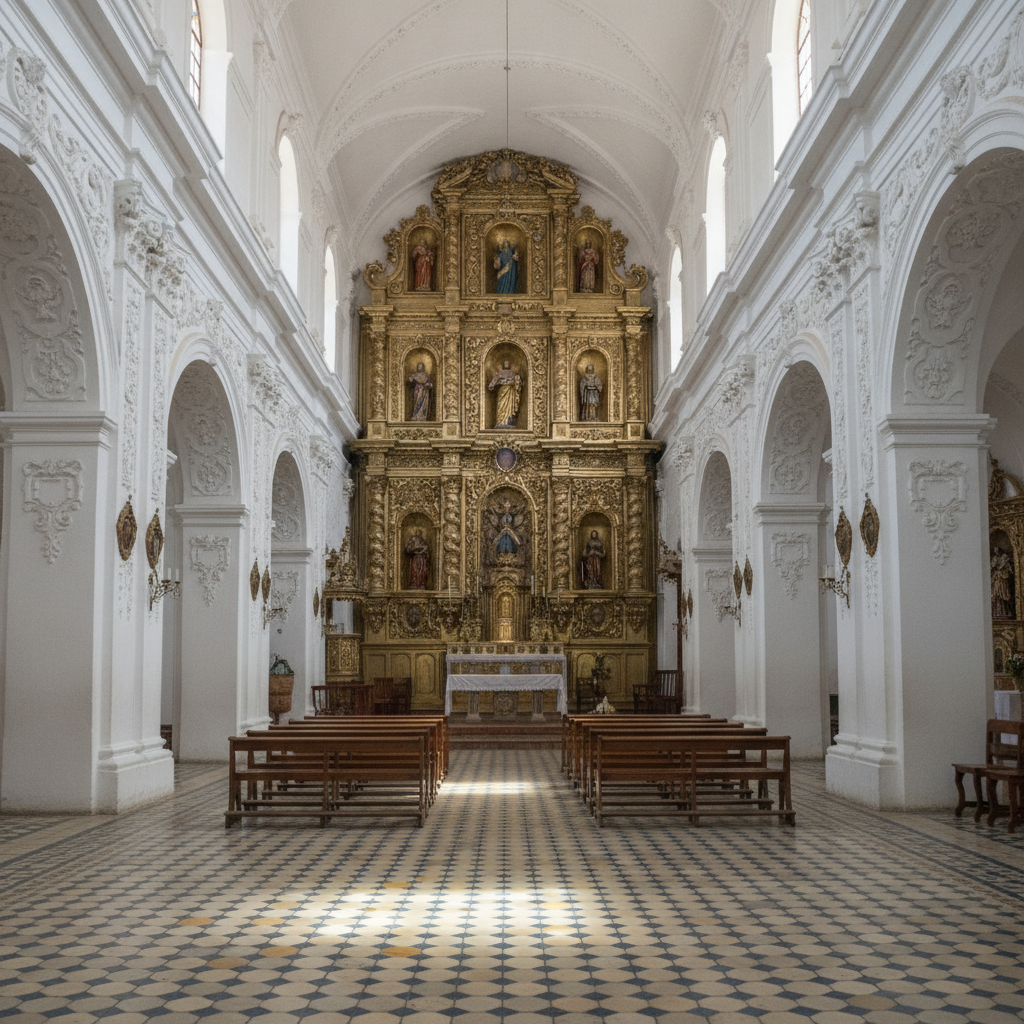
Sucre's Colonial Churches: A Baroque Treasury
Sucre's colonial churches — built from the 16th century onward using the silver wealth of Potosí — are among the finest baroque architecture in South America; the white exteriors and the gilded, silver-encrusted interiors create a dramatic contrast that defines the city's character
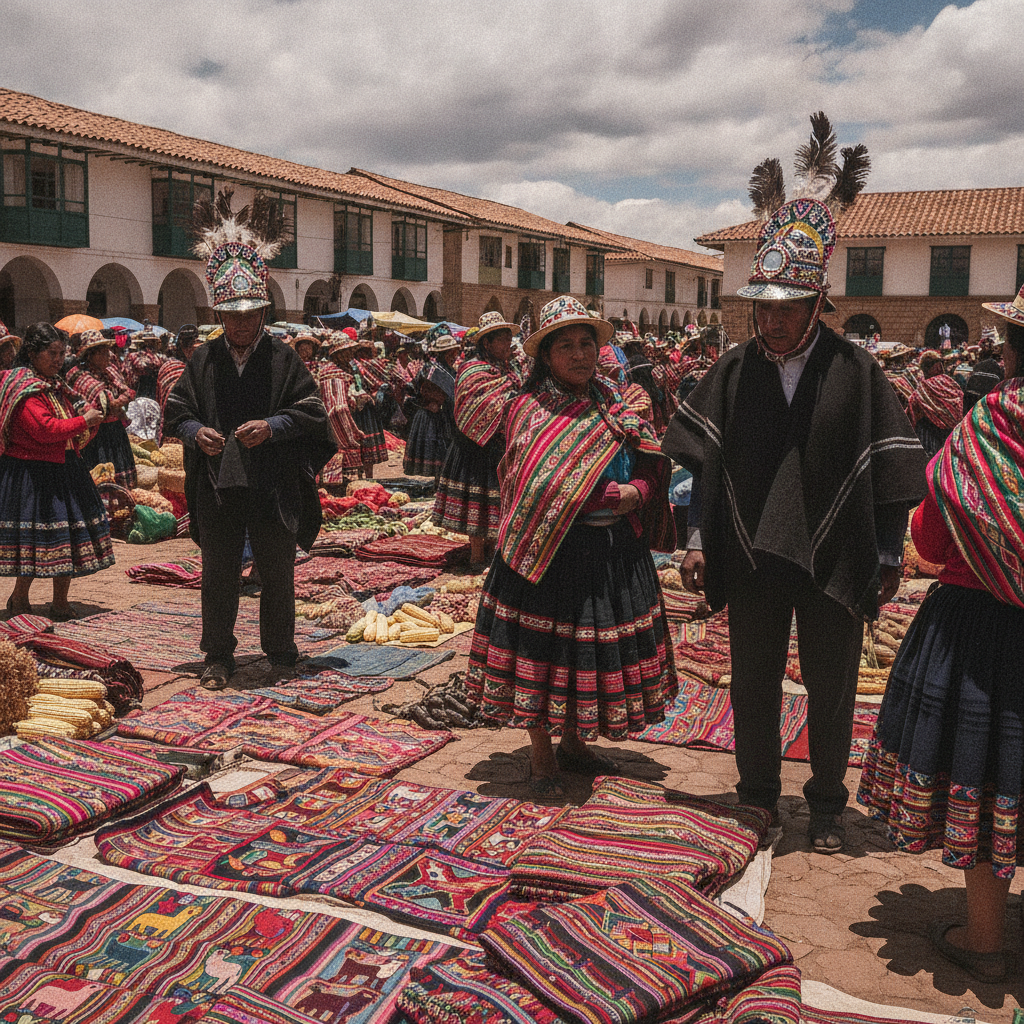
Tarabuco: The Finest Indigenous Market in Bolivia
Tarabuco — 64 km from Sucre — hosts Bolivia's most celebrated Sunday market; the Jalq'a and Yampara communities of the Chuquisaca region are known for the most complex textile weaving tradition in Bolivia and their distinctive colonial-era costumes