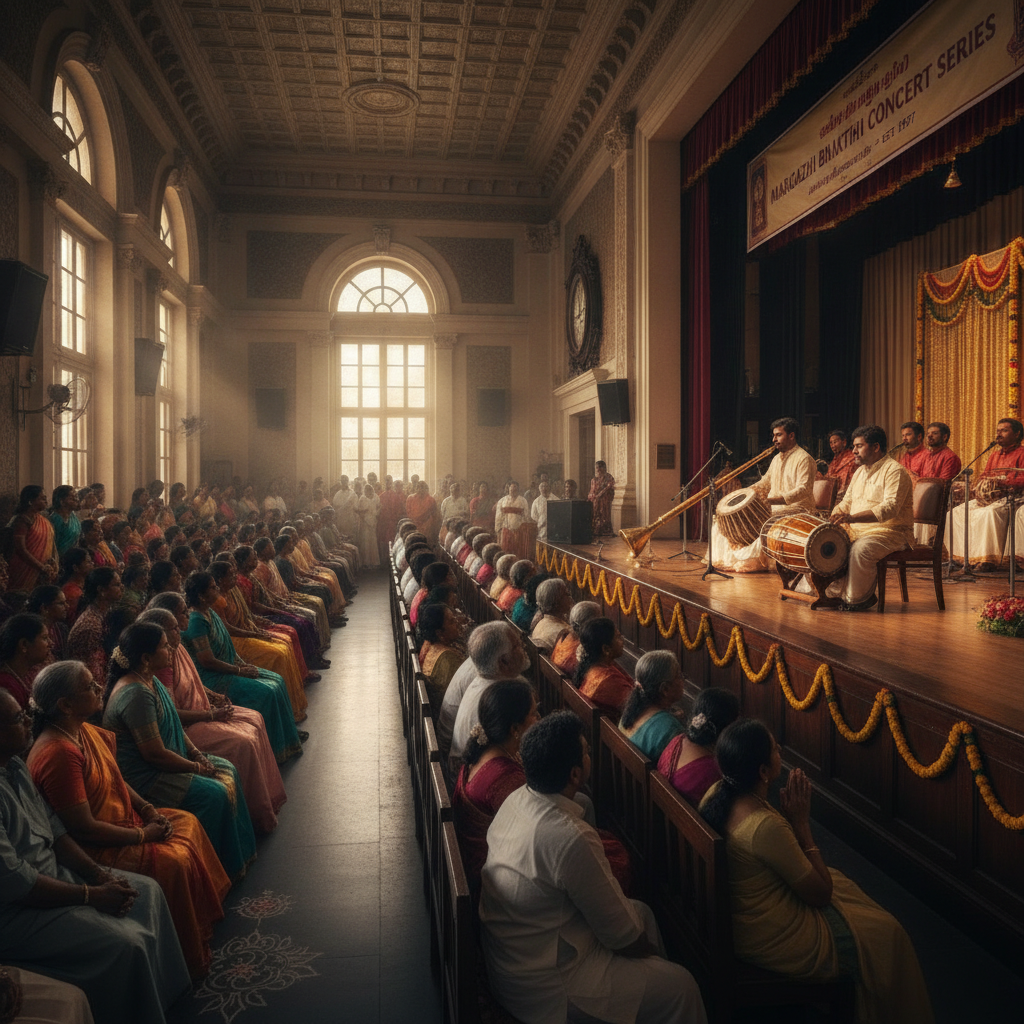
Chennai's Arts Capital: 2,000 Carnatic Music Performances in 45 Days, Bharatanatyam's Sacred Dance Origins & Rajinikanth's Japan Fan Clubs
Immerse in Chennai's extraordinary arts world—the Margazhi Season's 45-day cascade of 2,000 Carnatic music events from 6am bhakthi concerts to evening extravaganzas across 100 sabhas, the Carnatic system's 72 parent scales and three 18th-century composer-saints whose kritis define the repertoire, Bharatanatyam's transformation from Devadasi temple service banned in 1947 to the world's most performed classical dance form through Rukmini Devi's Kalakshetra revival, Tamil cinema's Pa. Ranjith making the first Dalit-centred blockbusters while Rajinikanth has fan associations in Japan, and the 1965 anti-Hindi agitation where two suicides stopped the government from imposing Hindi nationally.
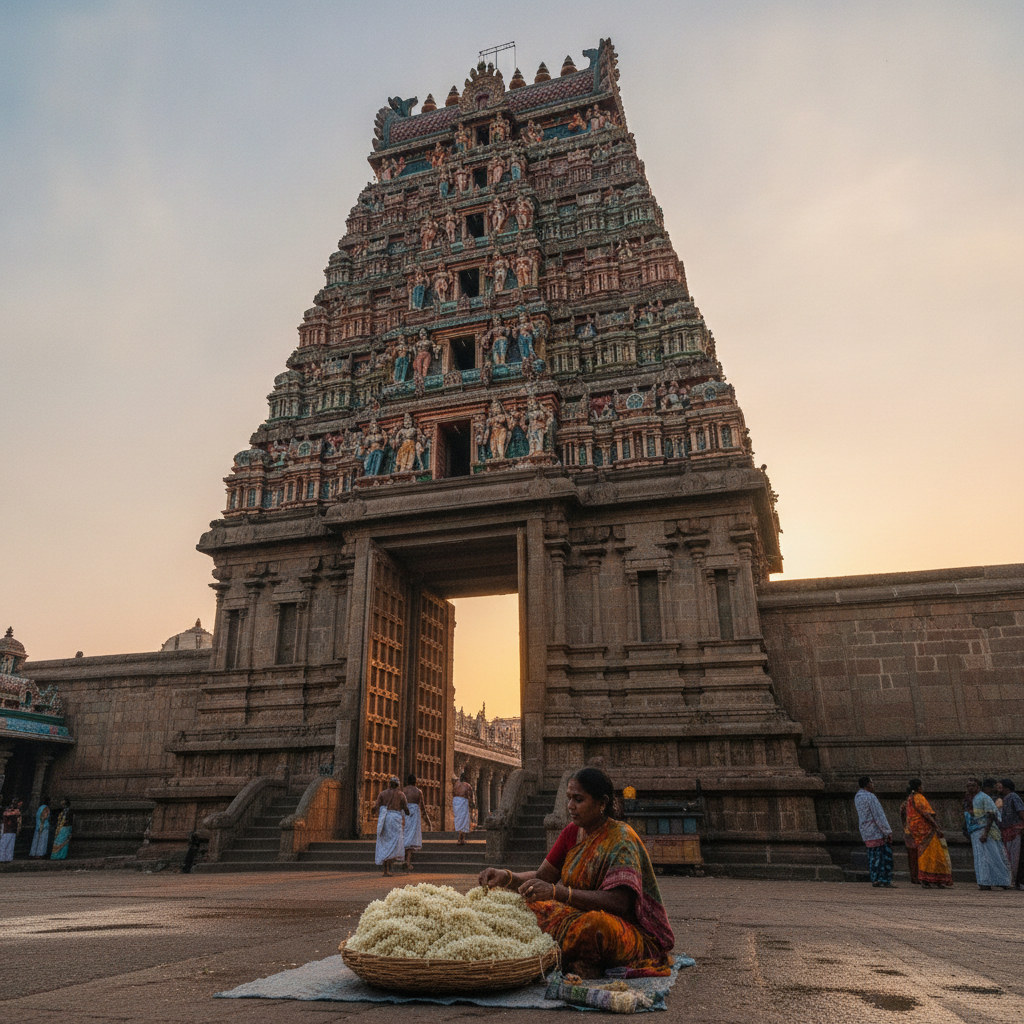
Chennai Essentials: Marina Beach at Dawn, Dravidian Temple Towers & the World's Largest Classical Arts Festival
Discover India's gateway to the south—Marina Beach's 13 km where hundreds of thousands of Chennai residents walk at dawn and eat sundal at dusk (never tourist beach, always civic space), the 37-metre Kapaleeshwarar gopuram covered in painted stucco deities in Mylapore's oldest neighbourhood, Fort St George where the East India Company's first Indian settlement funded Yale University in Connecticut, banana-leaf rice meals with unlimited sambar refills, the Government Museum's Chola bronze Nataraja collection (the finest classical Tamil sculpture anywhere), and the 45-day Margazhi Music Season—2,000 Carnatic music performances in 100 venues—the world's largest classical arts festival.
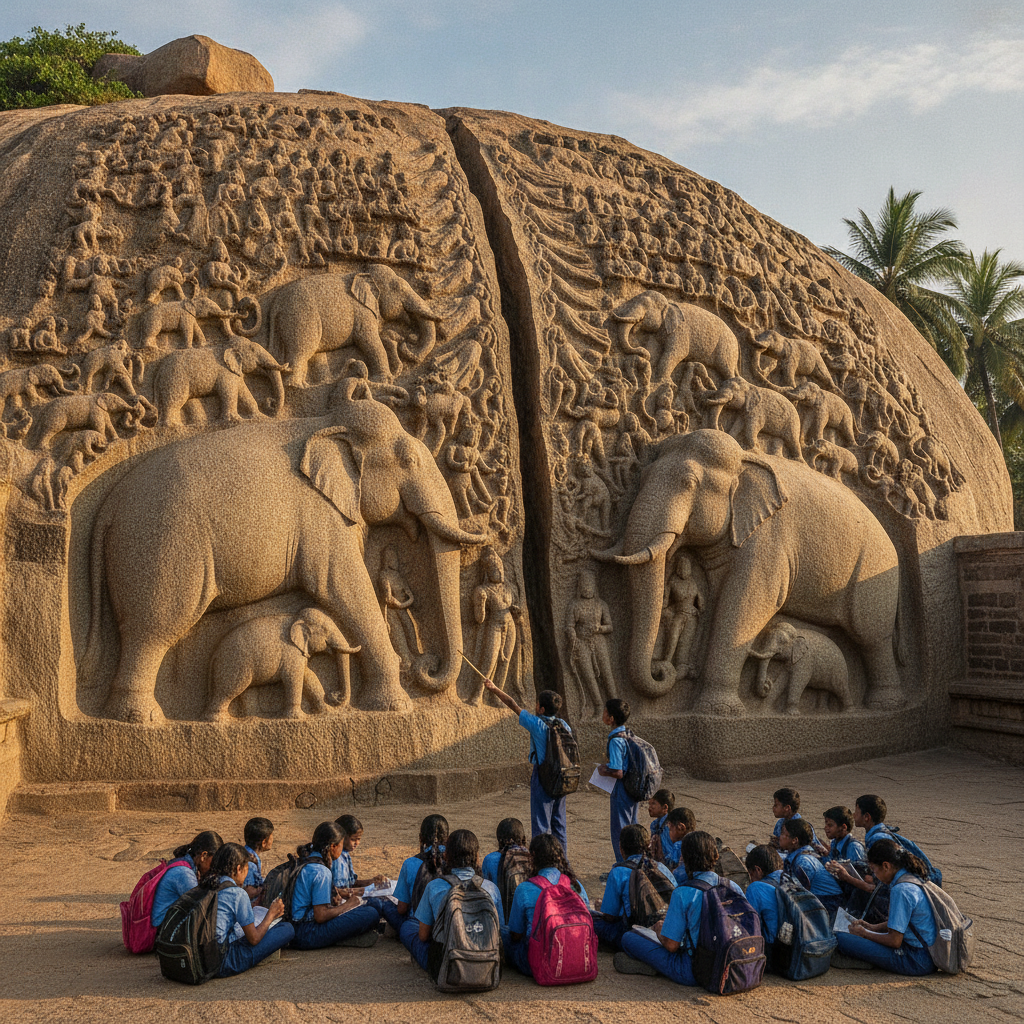
Chennai's Region: Mahabalipuram's Rock Sculptures, Kanchipuram's 1,000 Temples & the Detroit of India's Auto Economy
Expand beyond Chennai—Mahabalipuram's 7th-century shore temple and the world's largest outdoor bas-relief carved from a granite cliff face, Kanchipuram's silk sarees and the 685 AD temple that predates every other structural stone temple in Tamil Nadu, Mylapore's filter coffee and San Thome Cathedral above the alleged tomb of St Thomas the Apostle, the Hyundai plant producing 750,000 cars annually for export from Chennai Port, the Dravidian gopuram system that created temple towns with 70-metre gateways at their centres, and what the 2004 tsunami taught Chennai about its 13-km coastline.
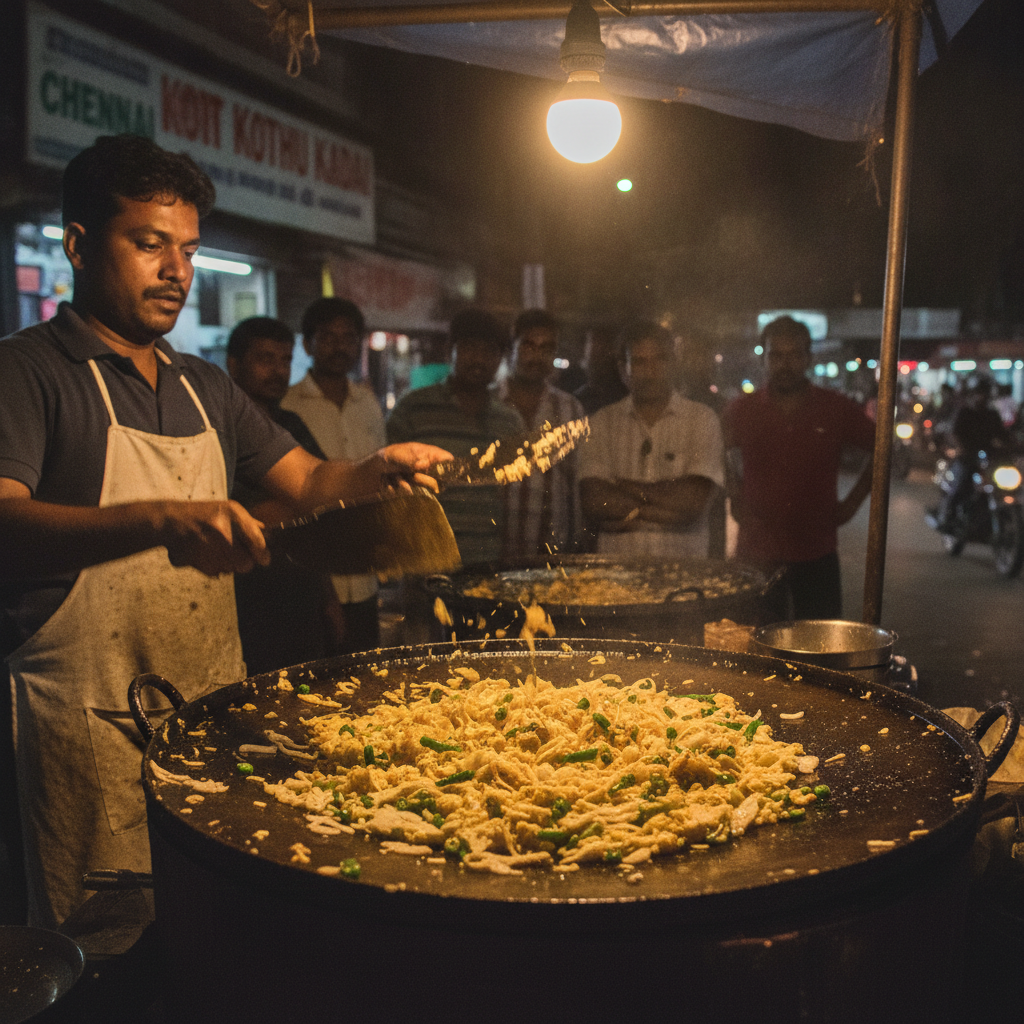
Chennai Living: Filter Coffee Pulled from a Height, St Thomas Arriving in 52 AD & 50,000 Koreans on the IT Corridor
Live Chennai from the inside—the stainless steel tumbler-and-davara filter coffee ritual where the pulling motion aerating the brew has been performed in Tamil Brahmin households every morning for centuries, kothu parotta's iron blade rhythm as Chennai's evening street soundtrack, the San Thome Cathedral where St Thomas the Apostle was allegedly buried in 72 AD (attested in 4th-century sources), the Panguni Uthiram festival's 60-foot wooden chariots pulled through Mylapore streets by thousands of devotees, 50,000 Korean nationals who moved to the IT Corridor for Hyundai and Samsung bringing Korean restaurants and Korean schools to OMR, and an honest comparison of Chennai versus Bengaluru for the traveller trying to choose between South India's two dominant cities.
Chennai's Day Trips: Chettinad's Italian Marble Mansions, Pondicherry's French Quarter & Thanjavur's 66-Metre Chola Tower
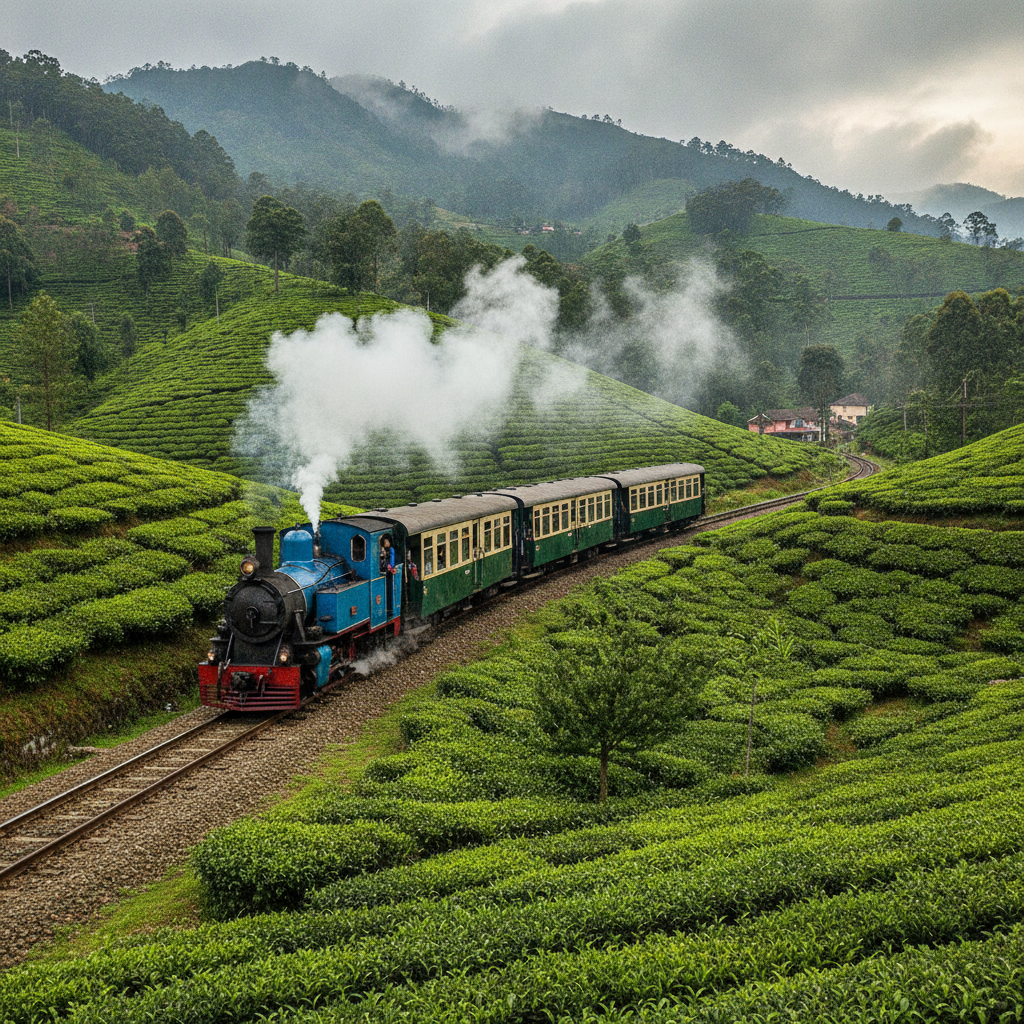
Radiate out from Chennai—Chettinad's merchant mansions with Belgian chandeliers and Burmese teak pillars assembled from a Southeast Asian trading empire now decaying in south Tamil Nadu villages, the UNESCO Nilgiri Mountain Railway steam train climbing 1,900 metres through tea estates in 5 hours, Pondicherry's pastel French villas and Auroville's golden Matrimandir meditation sphere built by 3,000 residents from 56 countries, the Brihadeeswarar Temple's 66-metre Chola tower whose 80-tonne capstone was hauled up a 6-km ramp in 1010 AD, and the Bay of Bengal surf school at Mahabalipuram.
Chennai's Weight: Periyar Burning Images of Rama, Spotted Deer on the IIT Campus & the 2019 Water Crisis That Ran Four Reservoirs Dry
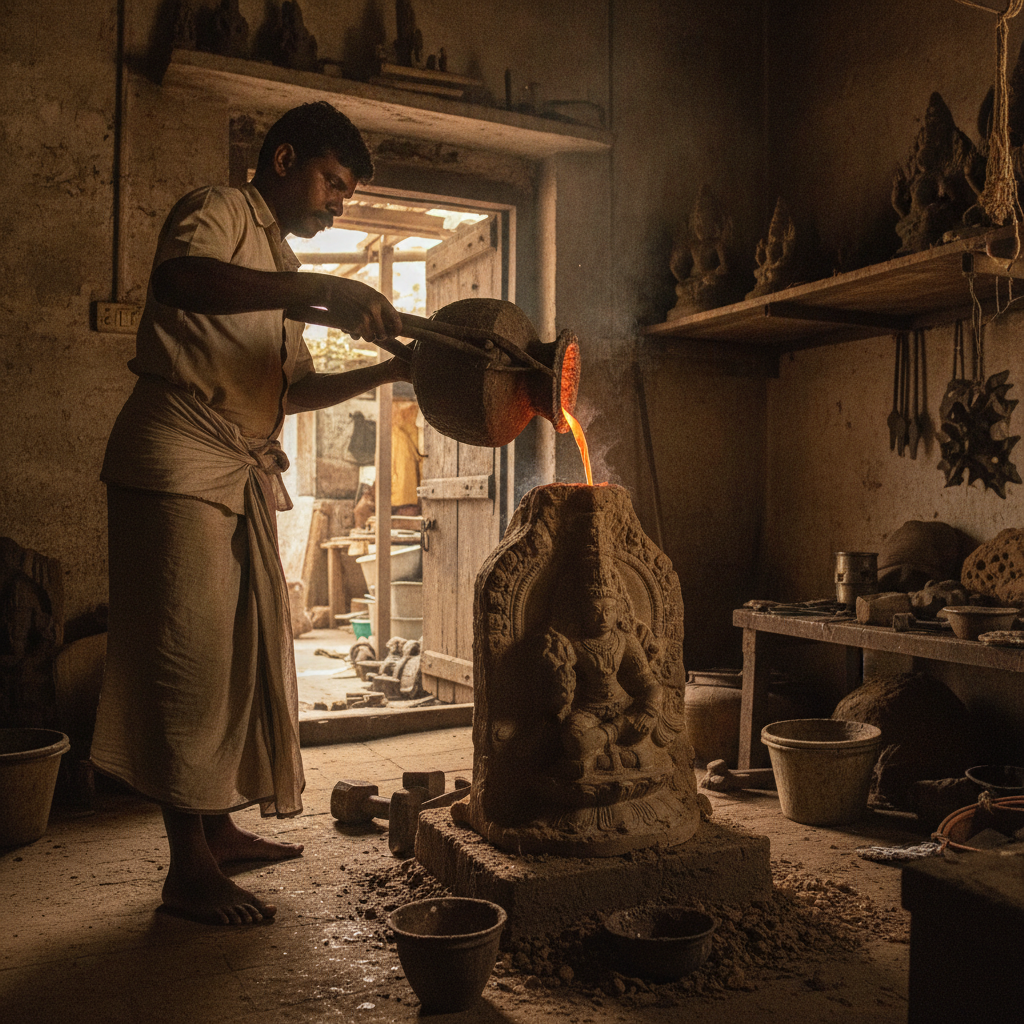
Reckon with Chennai's full dimensions—Periyar burning Rama images in the 1920s as protest against Brahmin supremacy while advocating for women's divorce rights 50 years before Indian law caught up, the Luz Church of 1516 (oldest in India) and St Mary's Church of 1680 (oldest Anglican church) to the full arc of colonial Christianity, spotted deer and macaques on the only IIT campus inside a wildlife reserve, Swamimalai masters pouring molten bronze into lost-wax Nataraja moulds using 1,000-year-old Chola technique while the Metropolitan Museum holds pieces removed during colonialism, and the 2019 summer when Chennai's four reservoirs ran simultaneously dry and water arrived by train from 200 km away as a preview of what climate change means for a 10-million-person city built on wetlands.