Chennai Essentials: Marina Beach at Dawn, Dravidian Temple Towers & the World's Largest Classical Arts Festival
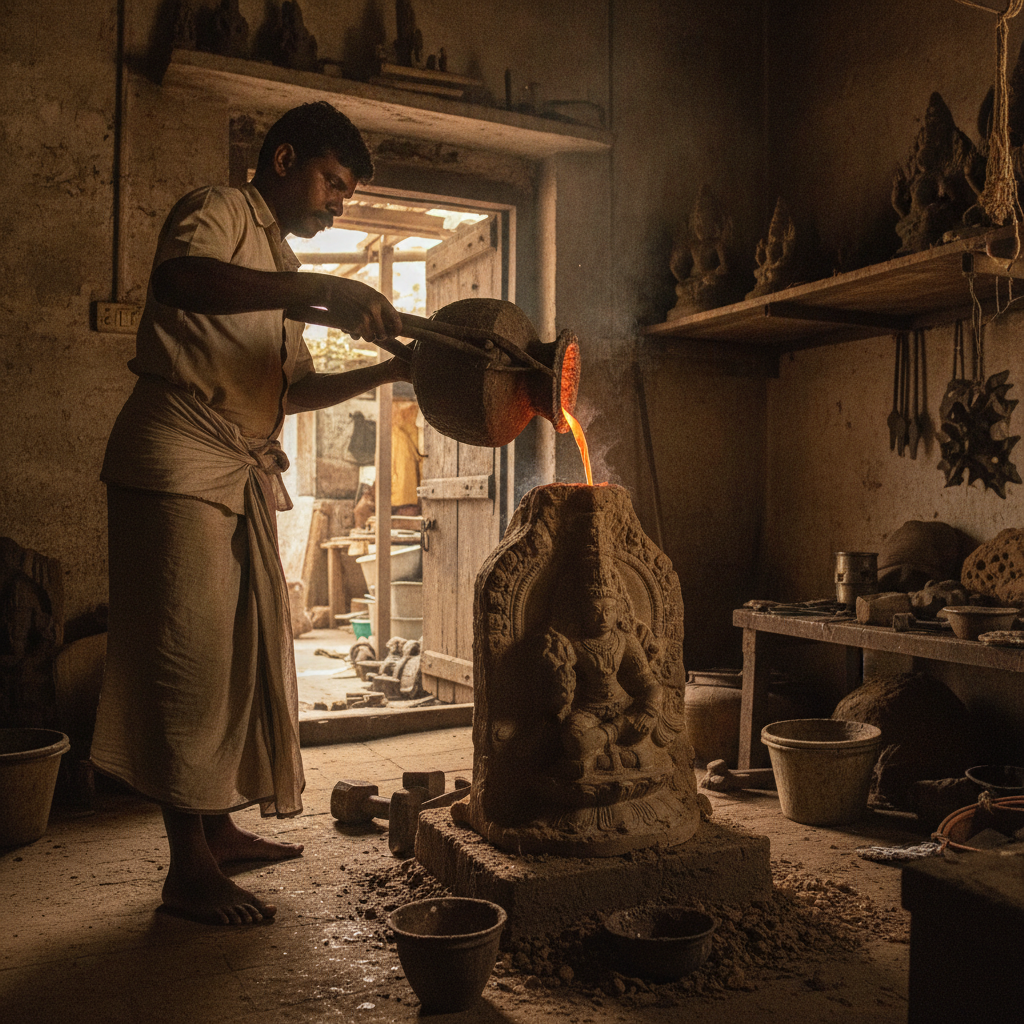
Discover India's gateway to the south—Marina Beach's 13 km where hundreds of thousands of Chennai residents walk at dawn and eat sundal at dusk (never tourist beach, always civic space), the 37-metre Kapaleeshwarar gopuram covered in painted stucco deities in Mylapore's oldest neighbourhood, Fort St George where the East India Company's first Indian settlement funded Yale University in Connecticut, banana-leaf rice meals with unlimited sambar refills, the Government Museum's Chola bronze Nataraja collection (the finest classical Tamil sculpture anywhere), and the 45-day Margazhi Music Season—2,000 Carnatic music performances in 100 venues—the world's largest classical arts festival.
- 1
Marina Beach – The World's Second Longest Urban Beach
Marina Beach—stretching 13 km along Chennai's eastern coastline, the second longest natural urban beach in the world (after Cox's Bazar, Bangladesh)—is the defining public space of Chennai. The beach is not a tourist beach but a civic space: at dawn (5–7am) and dusk (6–8pm), hundreds of thousands of Chennai residents use the beach for morning exercise, evening walks, political rallies, cultural events, and simple sitting by the sea. The beach is lined with statues of Tamil leaders (MGR, Kamarajar, Jayalalitha, Ambedkar); the permanent food stall economy (fried snacks, sundal—boiled spiced chickpeas, tender coconut, bhel puri) is most active in the evenings. Swimming is not recommended (dangerous rip currents); the 2004 Indian Ocean tsunami caused severe damage and casualties along Marina Beach and the Chennai coastline.
- 2
Kapaleeshwarar Temple – Dravidian Architecture at Its Most Intense
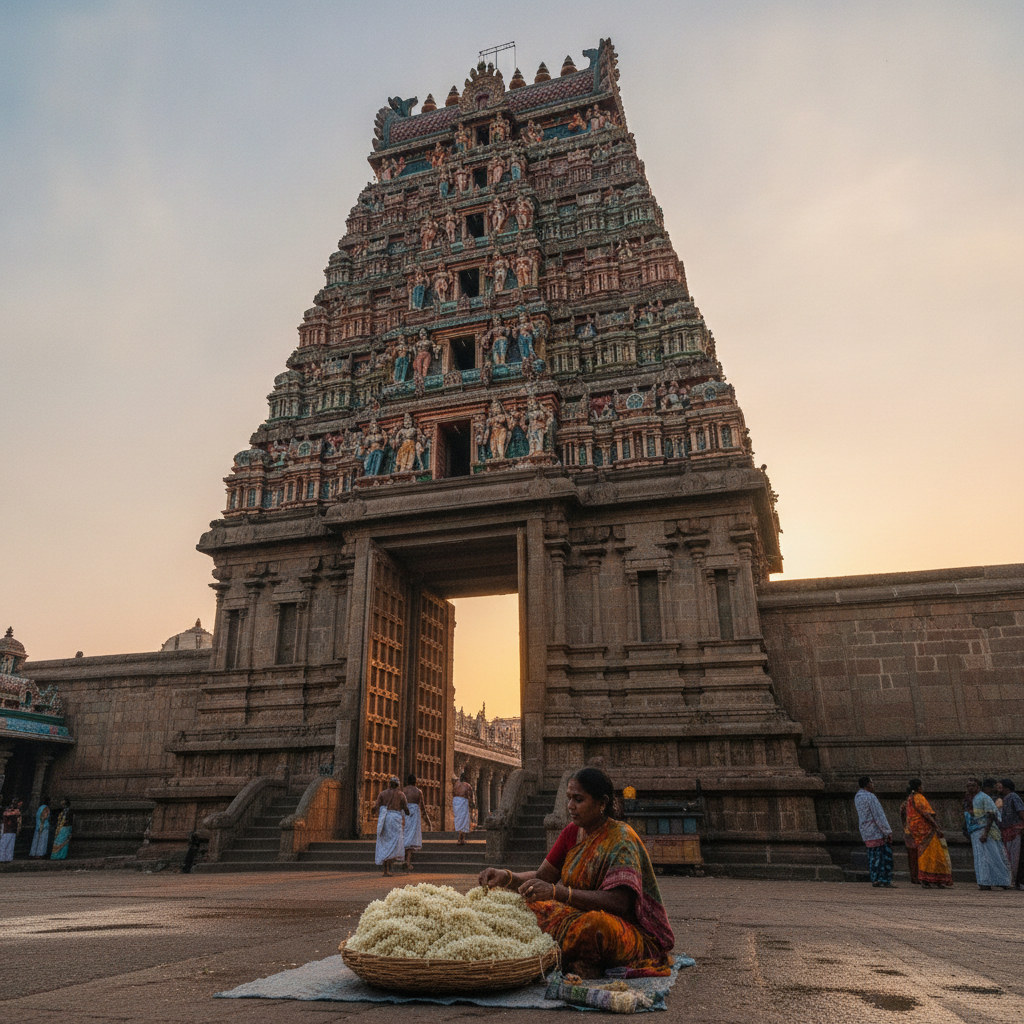
Kapaleeshwarar Temple—in the Mylapore neighbourhood, Chennai's oldest district—is a Dravidian-style Hindu temple dedicated to Shiva, with a striking 37-metre gopuram (ornate gateway tower) covered in brightly painted stucco figures of deities, mythological scenes, and celestial beings. The gopuram (tower) is the defining visual element of Dravidian temple architecture: not a tower over the sanctum (as in North Indian temples) but a monumental gateway through which worshippers enter. The Kapaleeshwarar Temple dates in its current form from the 16th century (rebuilt after Portuguese destruction); an older version of the temple existed before the Portuguese arrived in Mylapore in 1516. The temple tank (Kapali Theertham)—a large rectangular pool used for ritual bathing—hosts the annual Brahmotsavam festival (February–March, 10 days) drawing 1 million visitors.
- 3
Fort St George & British Madras – The East India Company's First Fort
Fort St George—built in 1644 by the British East India Company—was the first British settlement in India and the origin of what became British India's administrative machinery. The fort houses the Tamil Nadu Legislative Assembly and state government secretariat; the Fort Museum (open Tuesday–Sunday) contains the world's most important collection of British India artefacts: the original Robert Clive ('Clive of India') memorabilia, the first Union Jack used in India, and records from the earliest days of East India Company operations in the subcontinent. St Mary's Church within the fort (1680)—the oldest surviving Anglican church in India—has a congregation list including Robert Clive, Elihu Yale (whose fortune endowed Yale University in Connecticut), and Job Charnock (who later 'founded' Calcutta). Yale lived in Madras as a merchant and East India Company official.
- 4
Tamil Cuisine – Idli, Dosa & the Infinite Rice Plate
Tamil Nadu cuisine—and specifically Chennai's restaurant culture—is the foundation of what the world knows as 'South Indian food'. Idli (steamed fermented rice-and-lentil cakes, spongy and white, served with sambar and coconut chutney) and dosa (thin crispy rice-and-lentil crepe, plain or stuffed with potato masala—masala dosa) are the quintessential Tamil breakfast foods, consumed from early morning. The full meals (sapad) served on banana leaves—rice with sambar, rasam (pepper-tamarind broth), kootu (vegetable-lentil preparation), poriyal (stir-fried vegetable), pickle, papadum, and dessert payasam—provide unlimited refills of rice and sambar. Chennai's Udupi restaurants (originally from the Udupi region of Karnataka, but now defining the 'Udupi restaurant' format across India) and chettinad cuisine (from the Chettinad region, 400 km south—intensely spiced, with unusual ingredients including kalpasi/stone flower and marathi mokku) are the two distinct culinary traditions available in the city.
- 5
Government Museum – The Best Classical Tamil Sculpture Collection
The Government Museum of Chennai (1851—one of the oldest museums in India)—on Nelson Manickam Road, Egmore—contains the finest collection of classical South Indian bronze sculpture in the world. The Bronze Gallery contains Chola-period bronzes (9th–13th century AD)—the 'dancing Shiva' (Nataraja) in its various forms, the Ardhanarishvara (half-Shiva, half-Parvati), Parvati, Vishnu, and Buddhist bronzes from the Nagapattinam region—that represent the apex of Indian sculptural art. The Archaeological Gallery covers the complete chronology of Tamil Nadu archaeology from prehistoric to medieval; the Amaravati section contains the finest Amaravati Buddhist marble carvings outside Andhra Pradesh. The museum is underserved by both tourism infrastructure and funding; it deserves far more international attention than it receives.
- 6
Chennai's Classical Arts – Bharatanatyam & Carnatic Music Season
Chennai is the centre of classical South Indian performing arts. Bharatanatyam—the South Indian classical dance form derived from Devadasi temple dance traditions, codified in its present form by Rukmini Devi Arundale in the 1930s, the most widely performed classical dance style in India—has its primary institutions in Chennai: the Kalakshetra Foundation (Thiruvanmiyur, established 1936 by Rukmini Devi) is the most prestigious Bharatanatyam school in the world. The Chennai Music Season (Margazhi Music Season)—held every December–January over 45 days, with 2,000+ Carnatic music and Bharatanatyam performances in 100+ sabhas (cultural organisations) across the city—is the largest classical performing arts festival in the world by number of performances. Carnatic music—the South Indian classical music system (distinct from Hindustani—the North Indian tradition) with its own ragas, talas, and compositional forms—has Chennai as its global capital.
Walk this route with audio
Stories play automatically as you reach each stop — no tapping needed.
More in Chennai
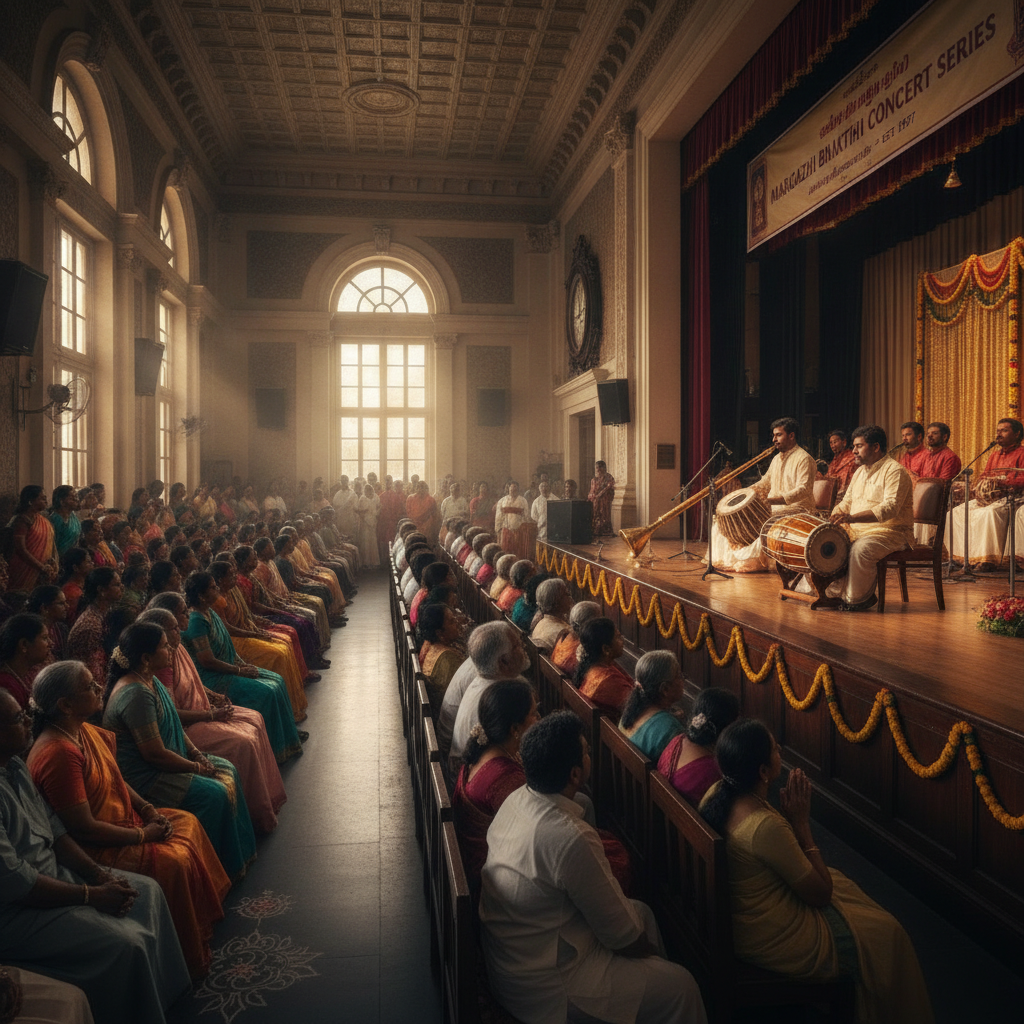
Chennai's Arts Capital: 2,000 Carnatic Music Performances in 45 Days, Bharatanatyam's Sacred Dance Origins & Rajinikanth's Japan Fan Clubs
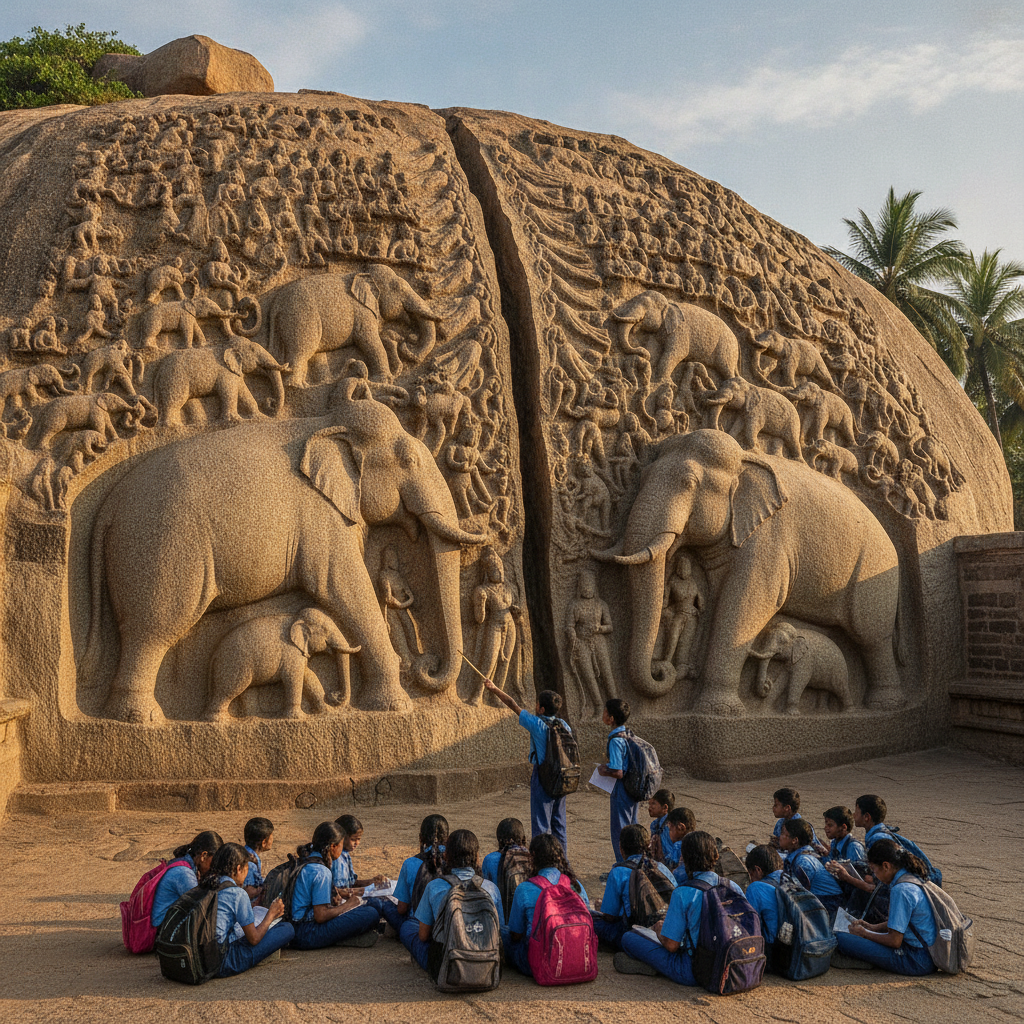
Chennai's Region: Mahabalipuram's Rock Sculptures, Kanchipuram's 1,000 Temples & the Detroit of India's Auto Economy
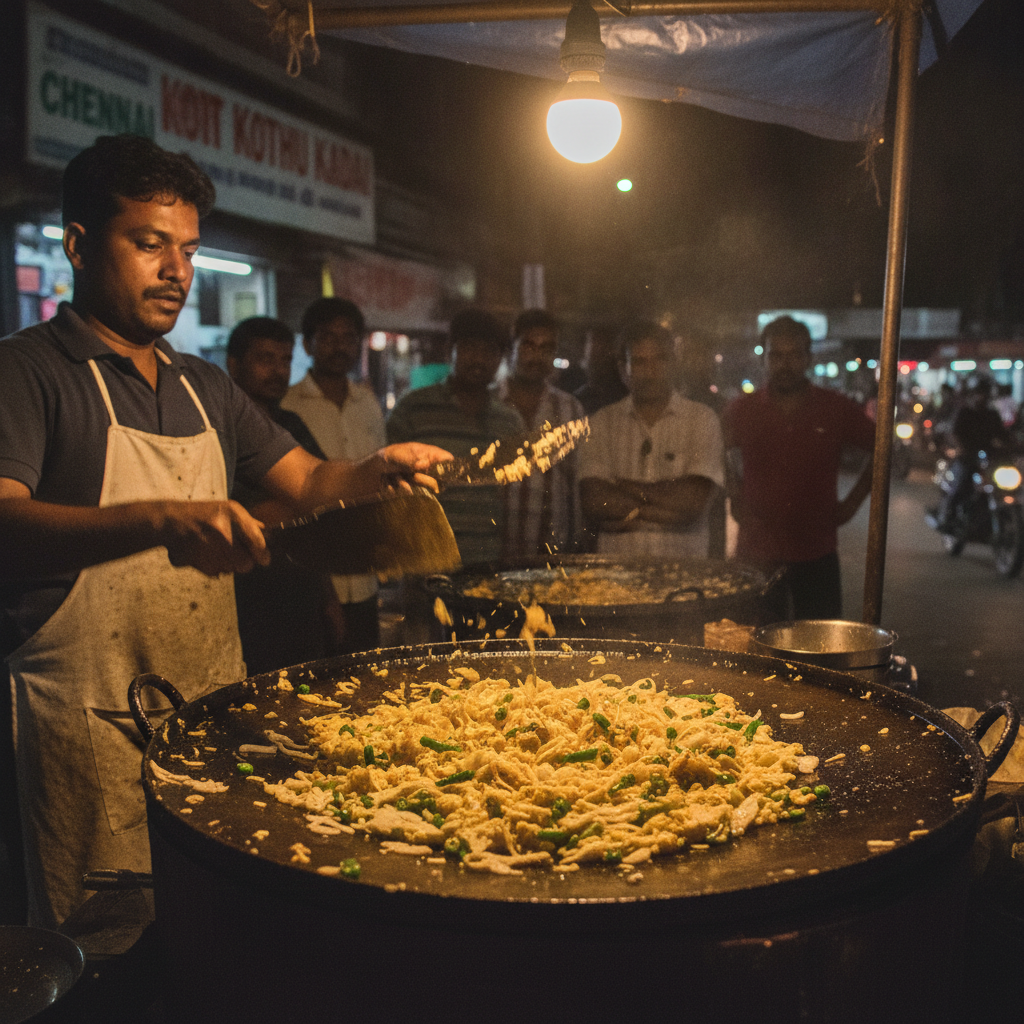
Chennai Living: Filter Coffee Pulled from a Height, St Thomas Arriving in 52 AD & 50,000 Koreans on the IT Corridor
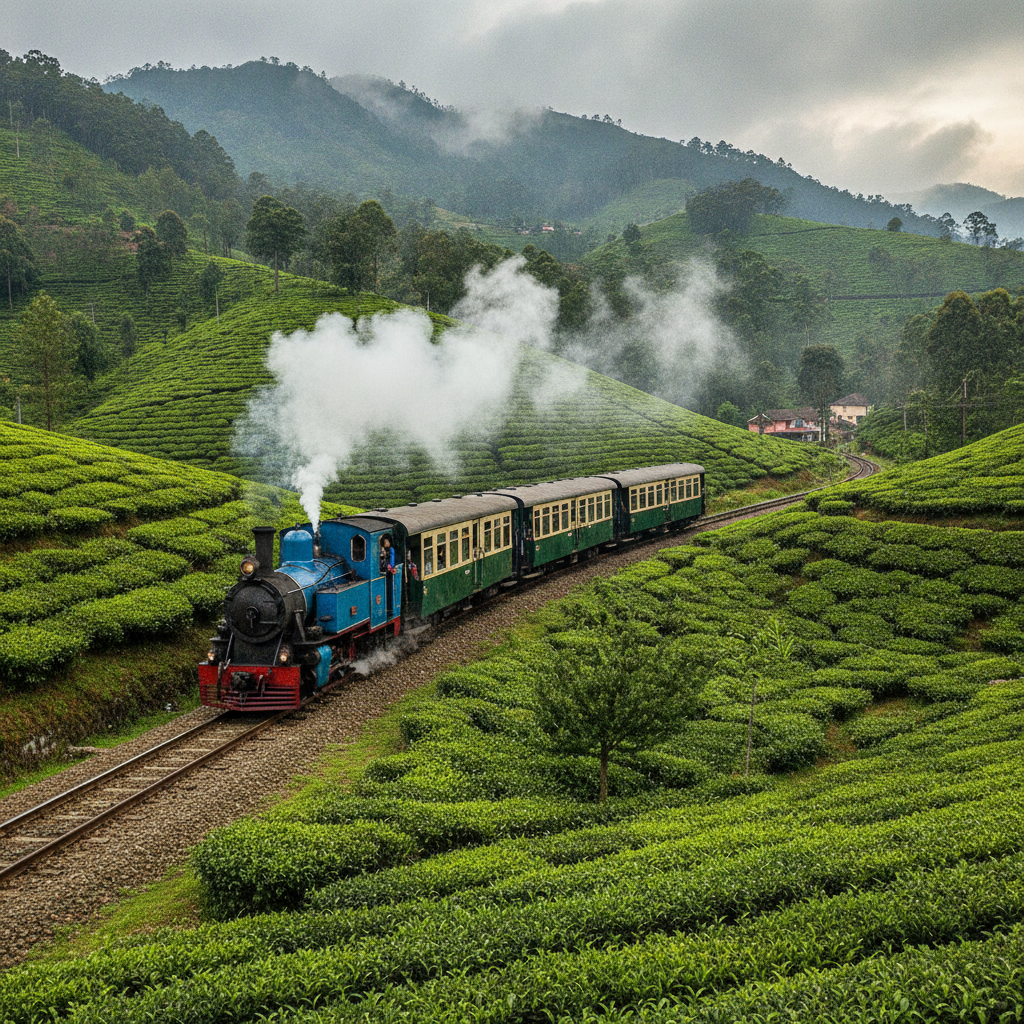
Chennai's Day Trips: Chettinad's Italian Marble Mansions, Pondicherry's French Quarter & Thanjavur's 66-Metre Chola Tower