 Peru
PeruCusco
Cusco Practical Guide: Altitude, Getting There, Neighborhoods, and Costs
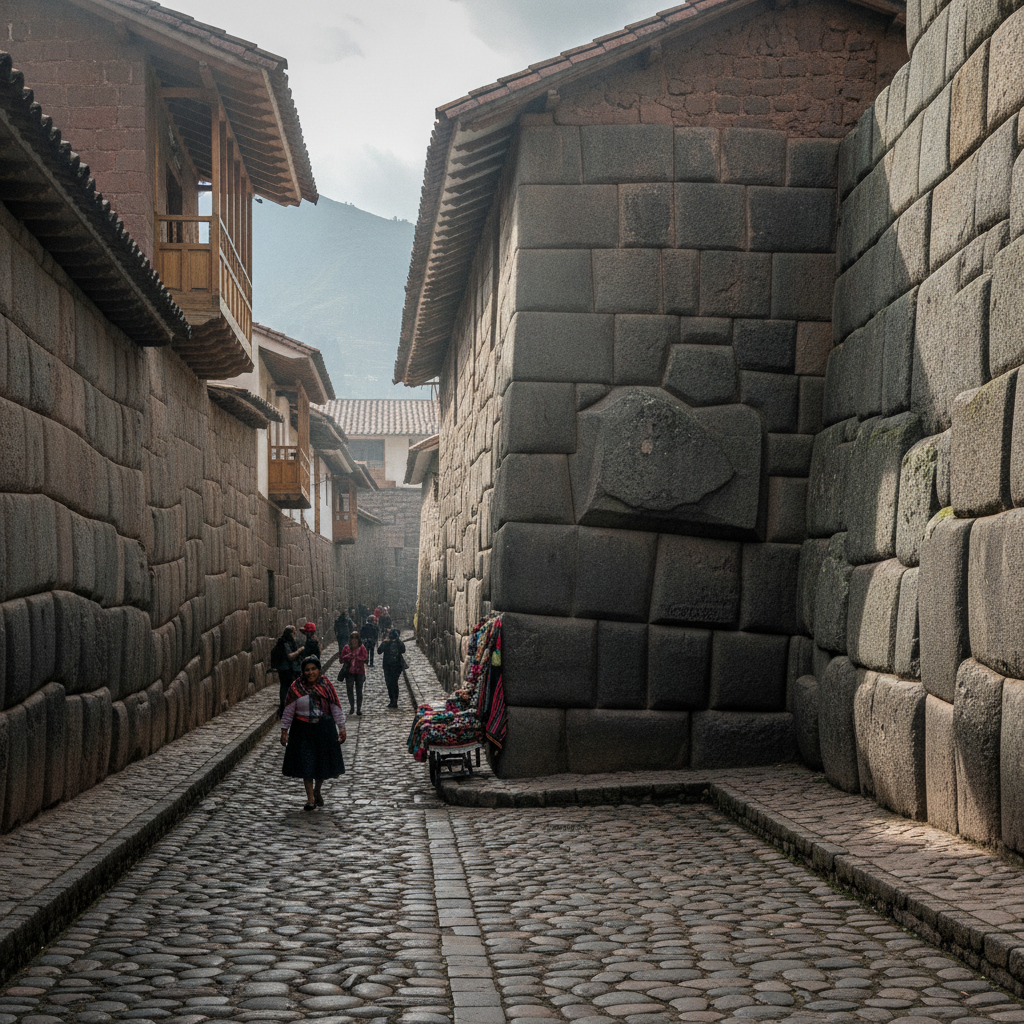
Cusco at 3,400 meters presents significant altitude challenges for visitors arriving from sea level, and the acclimatization question dominates the first day of any visit. The city is reached by air from Lima in 80 minutes or by overnight bus in 20 hours. The two-week tourist circuit of Peru typically structures Lima, Cusco, Sacred Valley, Machu Picchu, Lake Titicaca, and Arequipa in various combinations. This route covers the essential practical information for navigating Cusco confidently.
Cusco Beyond the Main Sites: Wari Ruins, Colca Canyon Connection, and the Amazon Approach
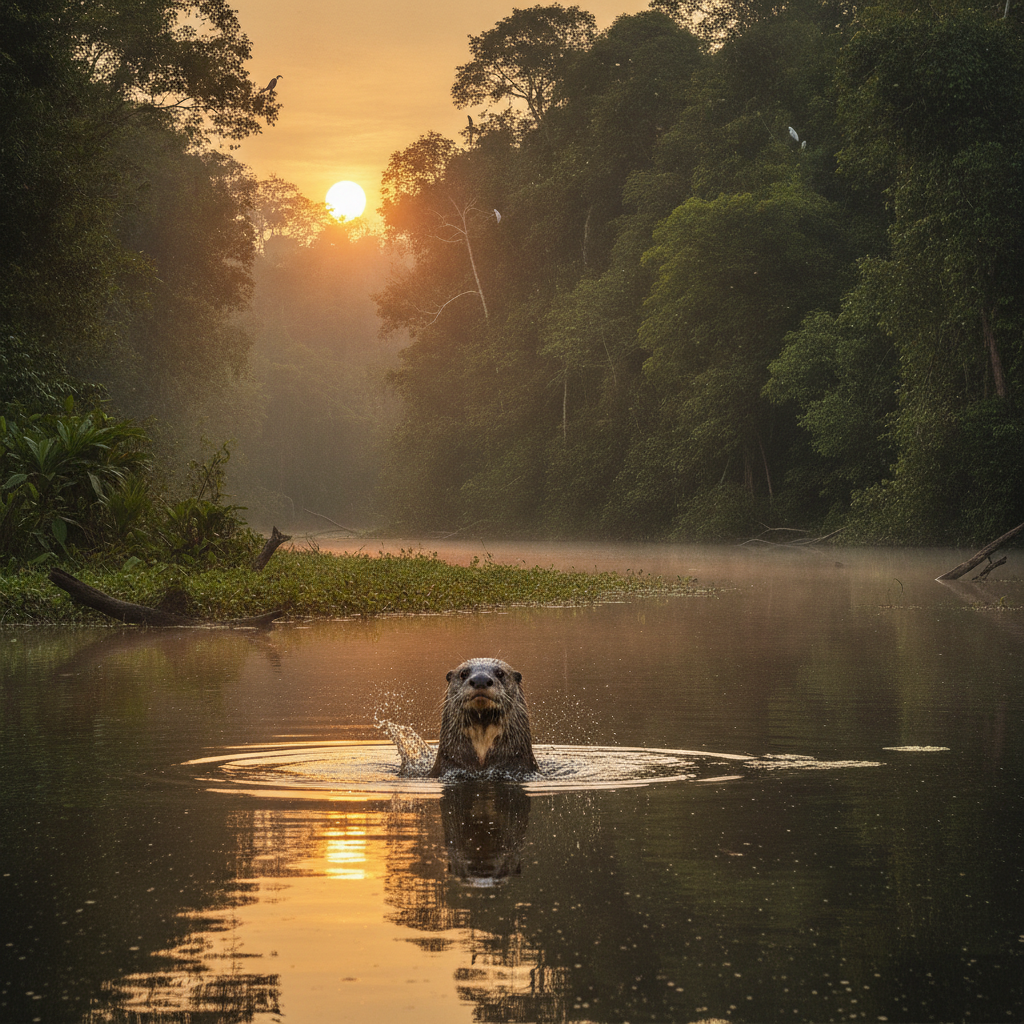
Most visitors to Cusco focus exclusively on the Inca trail and Machu Picchu, missing a series of significant sites and journeys that extend the Cusco experience in different directions. The Wari empire that preceded the Inca left substantial ruins at Pikillacta south of Cusco. The journey south from Cusco to Lake Titicaca passes through Puno and the remarkable floating islands. The road west over the Andes toward Arequipa and the Colca Canyon connects the Cusco highland experience with the deep canyon and condor country of southern Peru. And the road north from Cusco drops toward the Amazon, reaching the cloud forest and jungle at Manu National Park.
Cusco History: The Rise and Fall of the Inca Empire
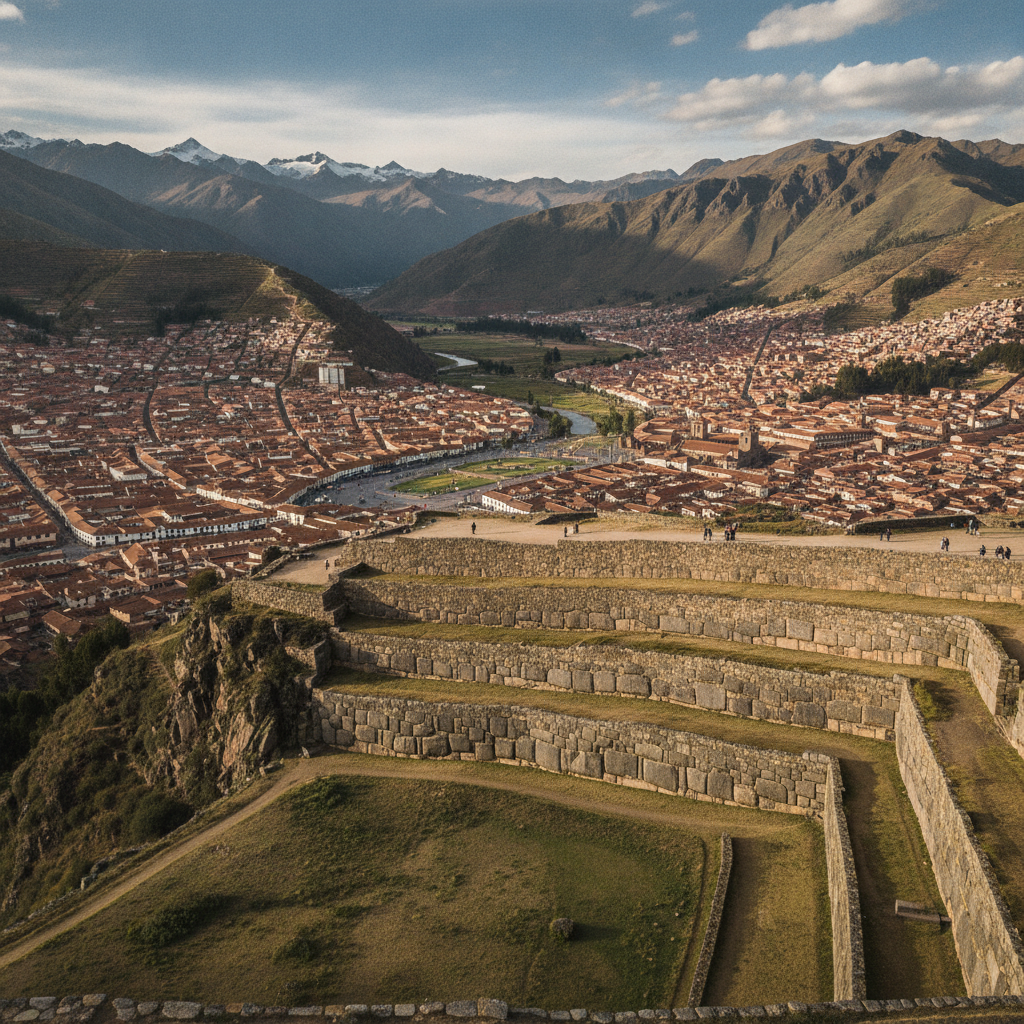
The Inca empire was the largest in pre-Columbian America and the largest empire in the world at the time of the Spanish conquest, extending from present-day southern Colombia through Peru, Bolivia, and Chile to the Maule River in central Chile, and incorporating 10 to 12 million people under centralized Quechua-speaking administration. It was built in less than a century, from the reign of Pachacuti beginning around 1438 to the Spanish arrival in 1532. Francisco Pizarro captured the emperor Atahualpa at Cajamarca in November 1532, executed him despite a ransom of gold and silver that filled the room where he was held, and marched to Cusco, entering in November 1533. The events of these few months destroyed a civilization that had no iron, no horses, and no experience of the epidemic diseases the Spanish carried.
Cusco: The Navel of the World and Capital of the Inca Empire
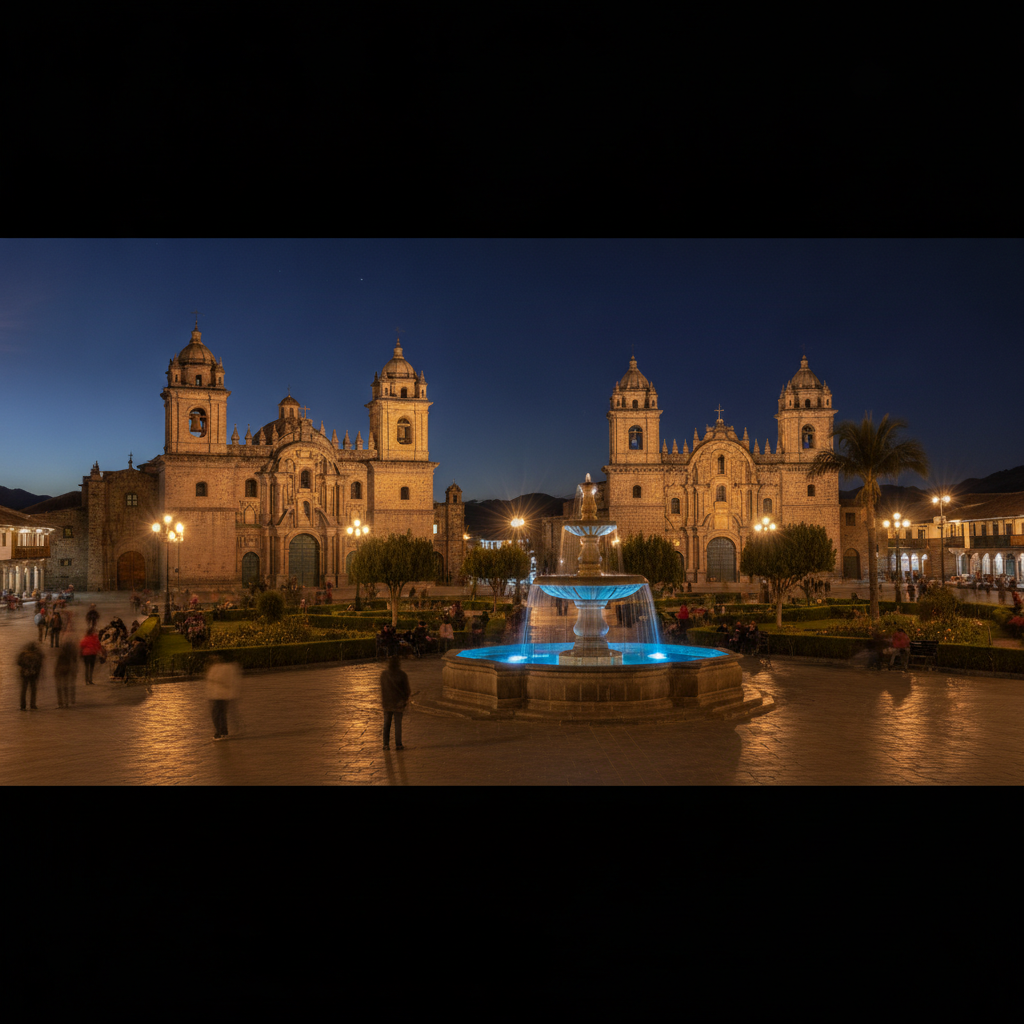
Cusco, at 3,400 meters in the Peruvian Andes, was the capital of the largest empire in pre-Columbian history, the Tawantinsuyu of the Inca, which at its height in the early 16th century extended over 4,000 kilometers from present-day Colombia to Chile. The city was conceived as the navel of the world by the Inca, the sacred center from which the four quarters of the empire radiated. Spanish conquerors under Francisco Pizarro captured and ransacked the city in 1533 and built their colonial city directly over the Inca stonework, creating the distinctive hybrid architecture visible today: Spanish baroque churches and colonial mansions rising from massive Inca stone foundations. The result is one of the most historically layered cities in the Americas and the essential gateway to Machu Picchu.
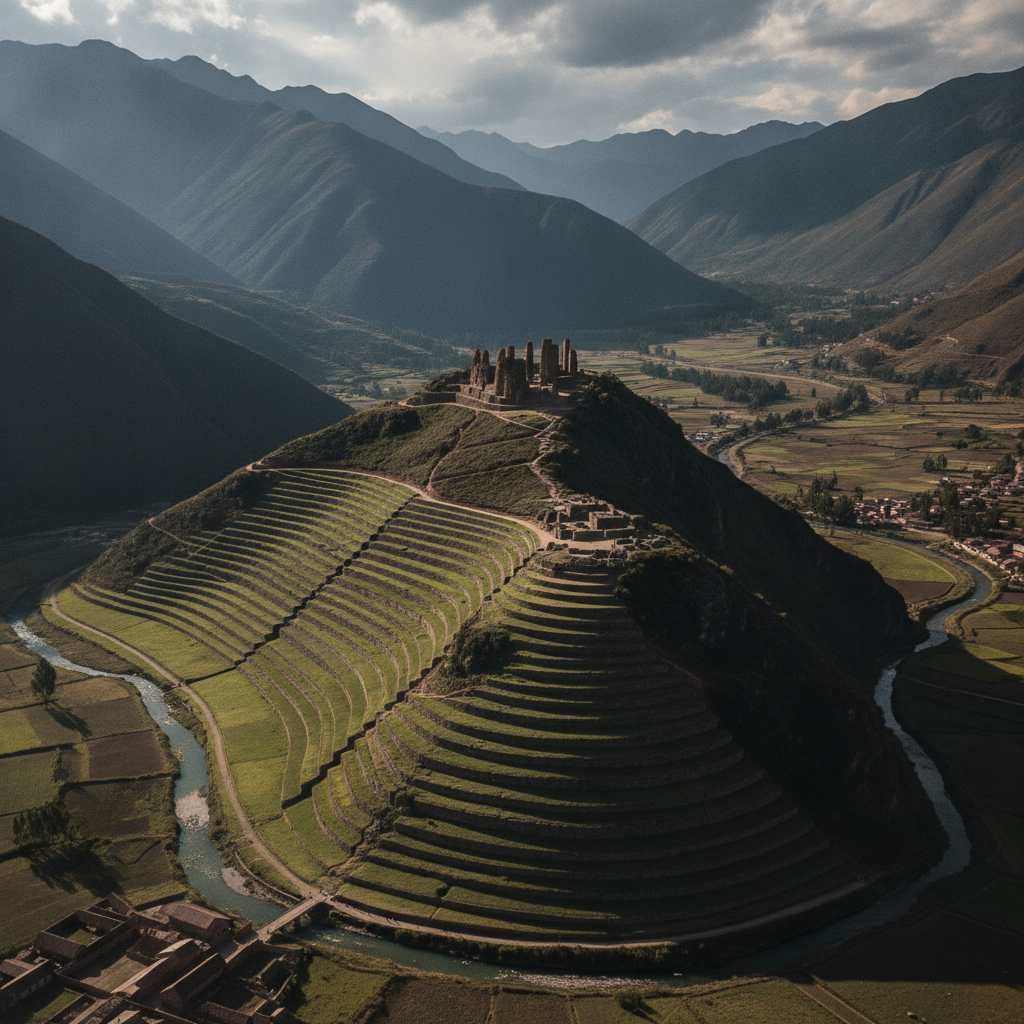
The Sacred Valley: Pisac, Ollantaytambo, and the Inca Heartland
The Urubamba River valley between Cusco and Machu Picchu, called the Sacred Valley, contains the highest concentration of Inca archaeological sites in the world and was the agricultural and spiritual heartland of the empire. The valley floor at 2,700 to 2,900 meters altitude is warmer and more productive than Cusco, and the Inca cultivated corn, the ceremonially most important crop, on massive terracing systems that transformed the valley walls into agricultural infrastructure. The three main visitor sites, Pisac above the market town at the valley entrance, the salt pans of Maras, and the fortress and Inca town of Ollantaytambo at the head of the valley, together represent the fullest picture of Inca civilization available outside Cusco itself.
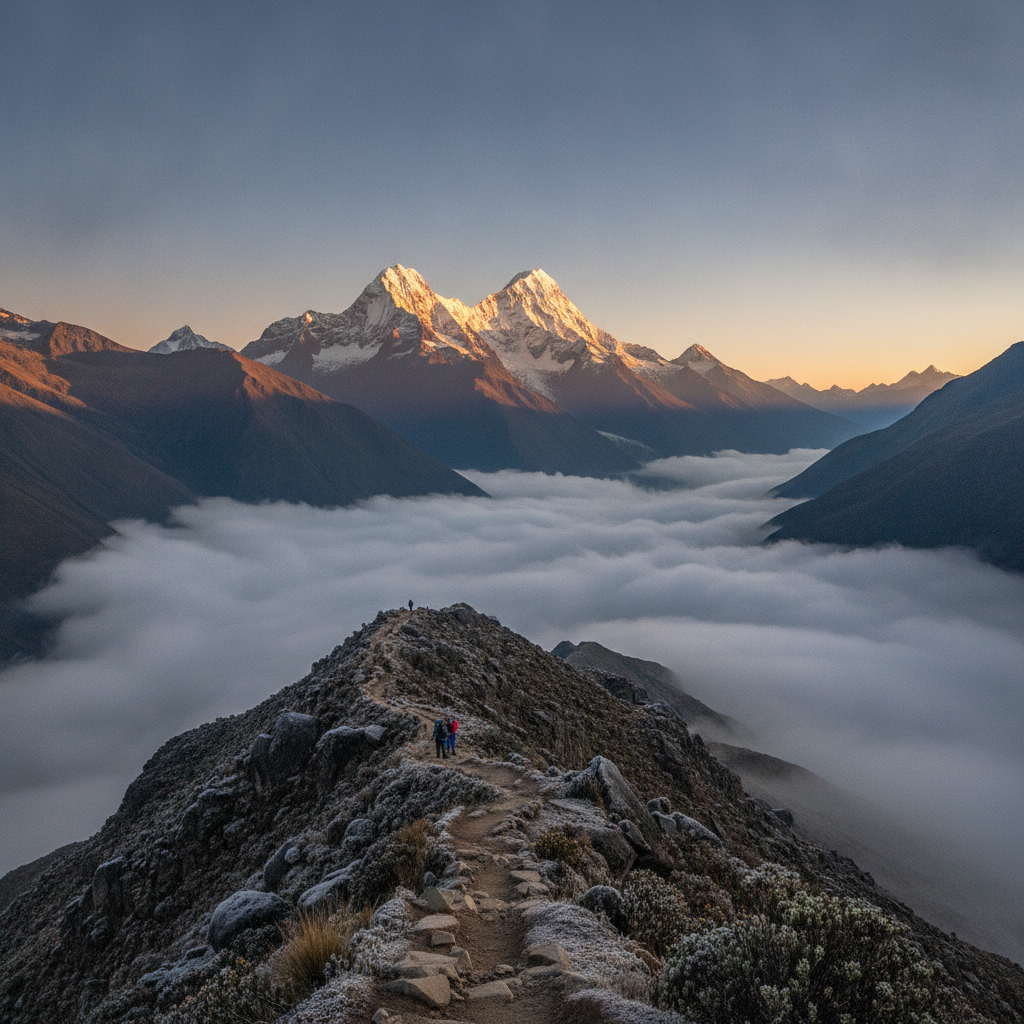
Cusco Trekking and Adventure: Beyond the Inca Trail
The Cusco region offers some of the most diverse high-altitude trekking in the world, from the classic four-day Inca Trail with its permit restrictions to multi-day alternatives reaching comparable or superior landscapes with far less competition for permits. The Salkantay Trek, named for the 6,271-meter snow peak it circles, is now more popular than the Inca Trail for independent trekkers. The Ausangate Circuit around the 6,384-meter peak that is the most sacred apu mountain deity in the Cusco cosmology, takes five to seven days through remote high-altitude terrain above 5,000 meters. The Choquequirao ruins, a major Inca site more extensive than Machu Picchu accessible only by a two-day trek each way, remains almost deserted compared to its famous counterpart.
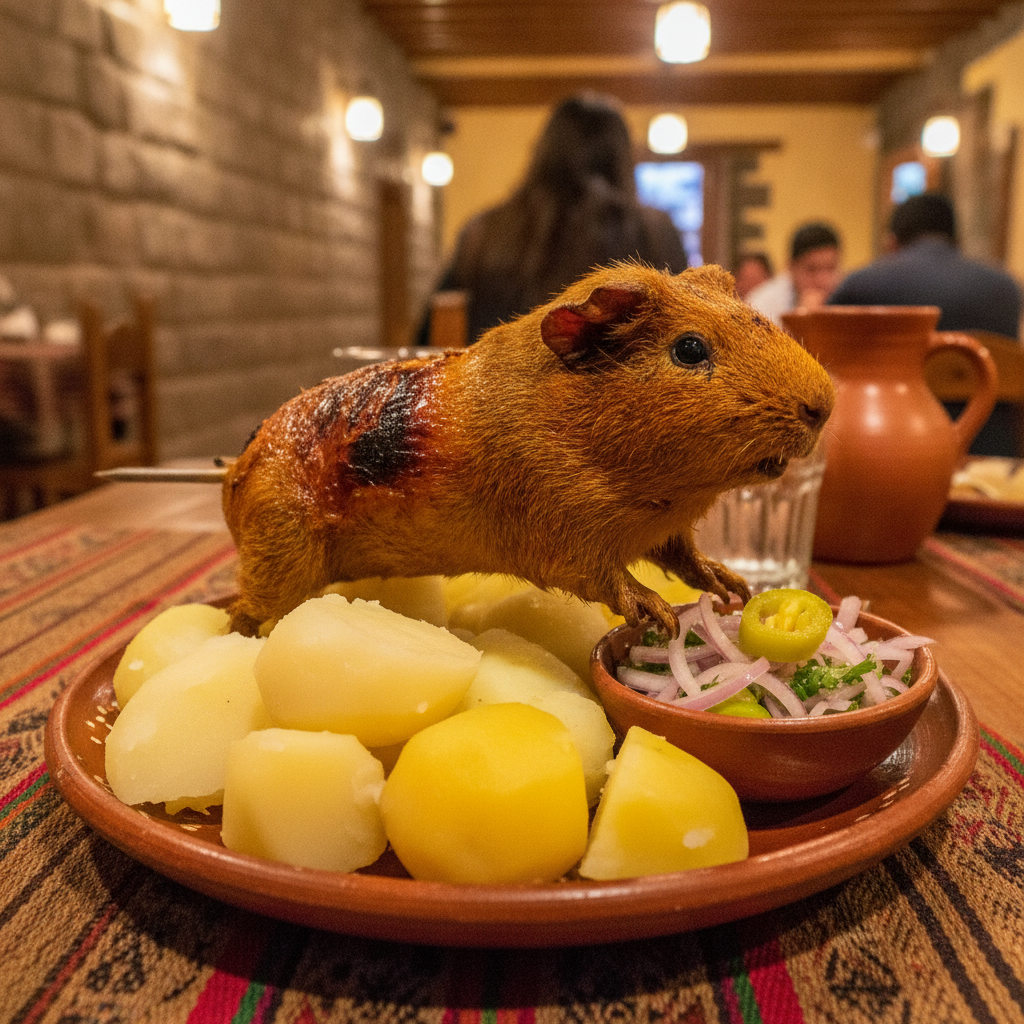
Cusco Food: Cuy, Chifa, Chicha, and the New Andean Cuisine
Cusco food culture sits at the intersection of ancient Andean agriculture, Spanish colonial cooking, Chinese immigration influence, and the contemporary Nuevo Andino culinary movement that has elevated Peru to the top of international gastronomy rankings. The Andean crop complex, domesticated in the highlands over thousands of years and including 3,000 native potato varieties, multiple corn types, quinoa, kiwicha, and coca, provides the raw material. The Spanish added cattle, pork, wheat, and new cooking techniques. The cuy, the guinea pig domesticated in the Andes for 5,000 years, remains the ceremonial protein of highland festivals and an increasingly fashionable restaurant item. This route covers the essential Cusco food and drink experiences.
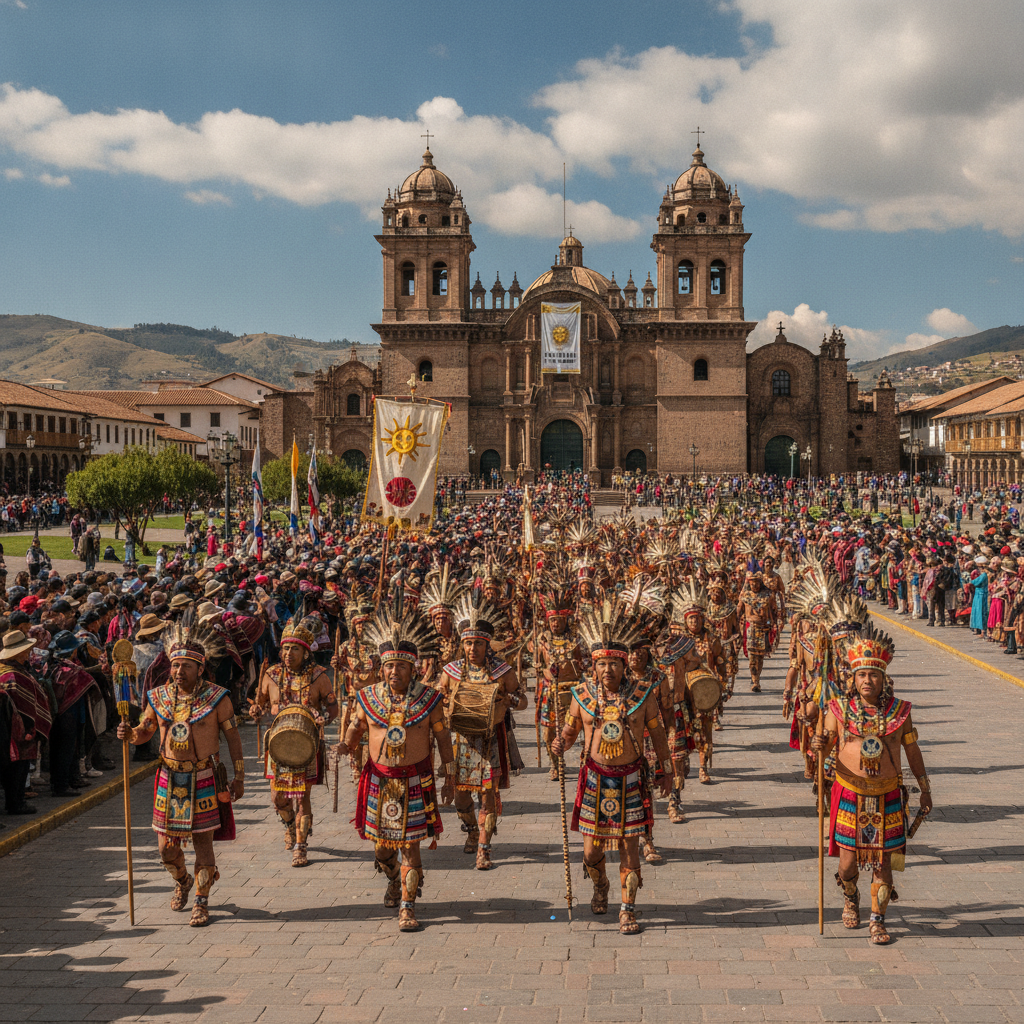
Cusco Living Andean Culture: Inti Raymi, Qoyllur Riti, and Contemporary Quechua Life
Cusco is not only an archaeological destination but a living Andean city where Quechua cultural traditions have survived 500 years of colonial pressure and continue to be practiced in the surrounding communities and expressed in the city festivals. The Inti Raymi festival of the sun, held each June 24 at Sacsayhuaman and the Plaza de Armas, is the largest pre-Columbian revival festival in South America and draws 200,000 spectators. The Qoyllur Riti pilgrimage to the Sinakara Valley glacier each May or June is one of the most remarkable surviving indigenous religious events in the Americas, blending Andean mountain worship with Catholic iconography in a combination that has endured since the 18th century.